Best Boots for Pacific Northwest 2026: Every Type Explained Side by Side
Disclosure: We may earn a commission when you buy through links on this page, at no extra cost to you. As an Amazon Associate I earn from qualifying purchases. Learn more

Compare the best boots for pacific northwest by type, with clear guidance on waterproofing, traction, fit and care for wet trails, rain and muddy commutes.
Rain that lasts for days, puddles that never quite dry, and trails that turn soft by noon make boot shopping in this region confusing. Counting on the best boots for pacific northwest conditions means sorting waterproof boots from rain boots and light hikers from sturdy work styles, and each type solves a different problem.
Start with how you actually spend wet days, then check the details that decide whether a pair stays dry and steady. The comparison table below gives a quick view of the types, and the sections after it explain what each type does well and where it falls short.




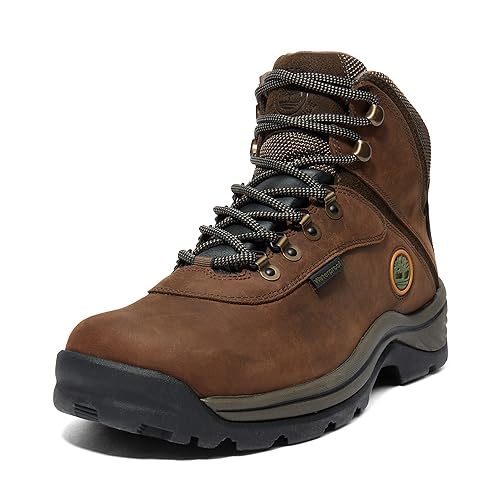
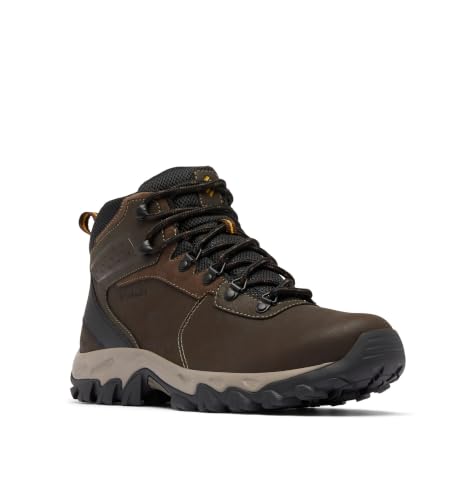


Types of Boots Compared for Wet Pacific Northwest Days
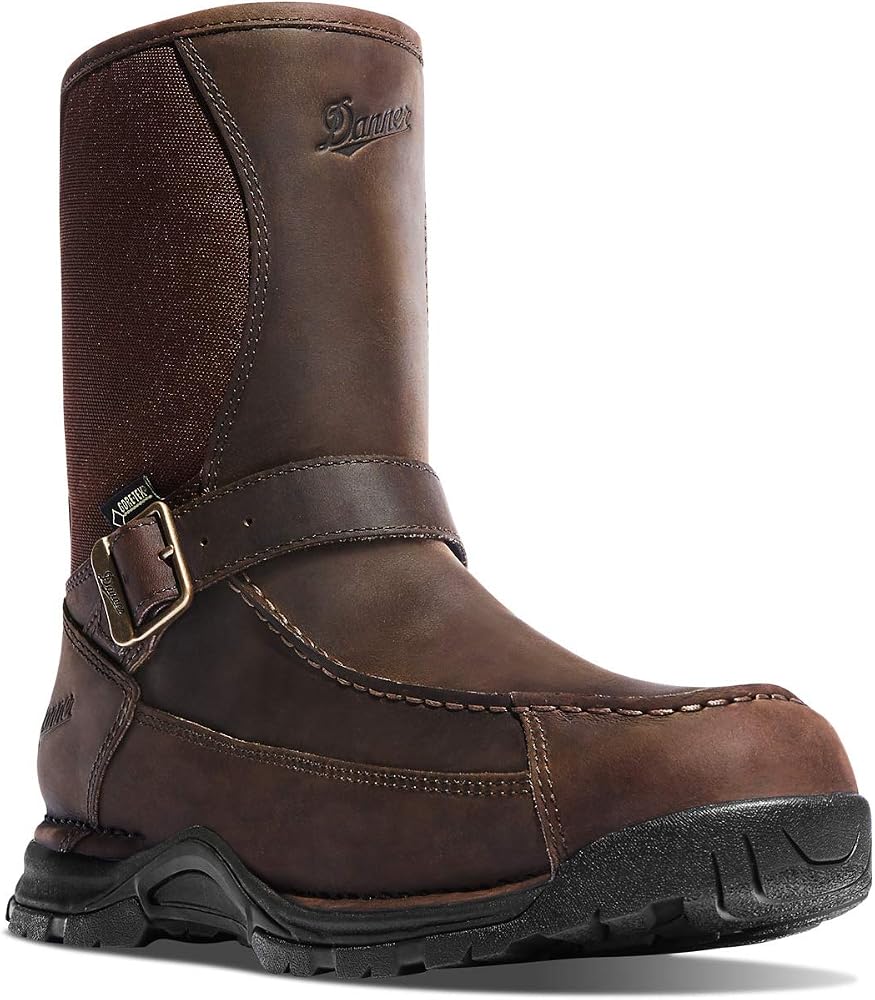
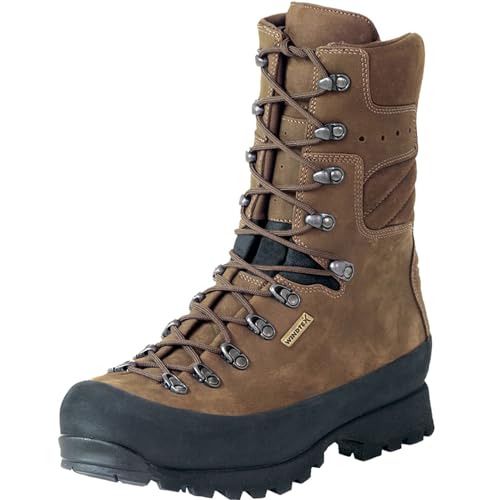
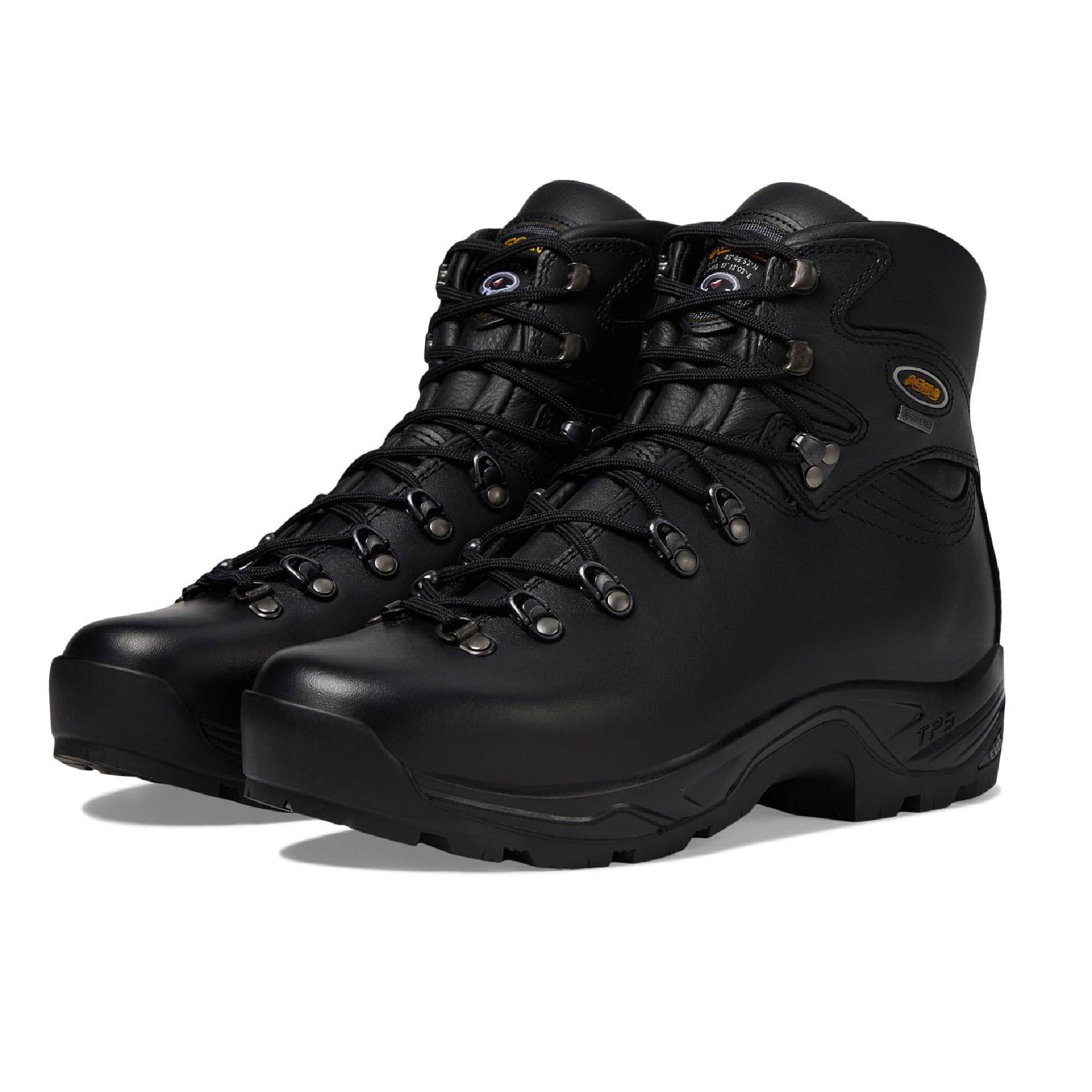
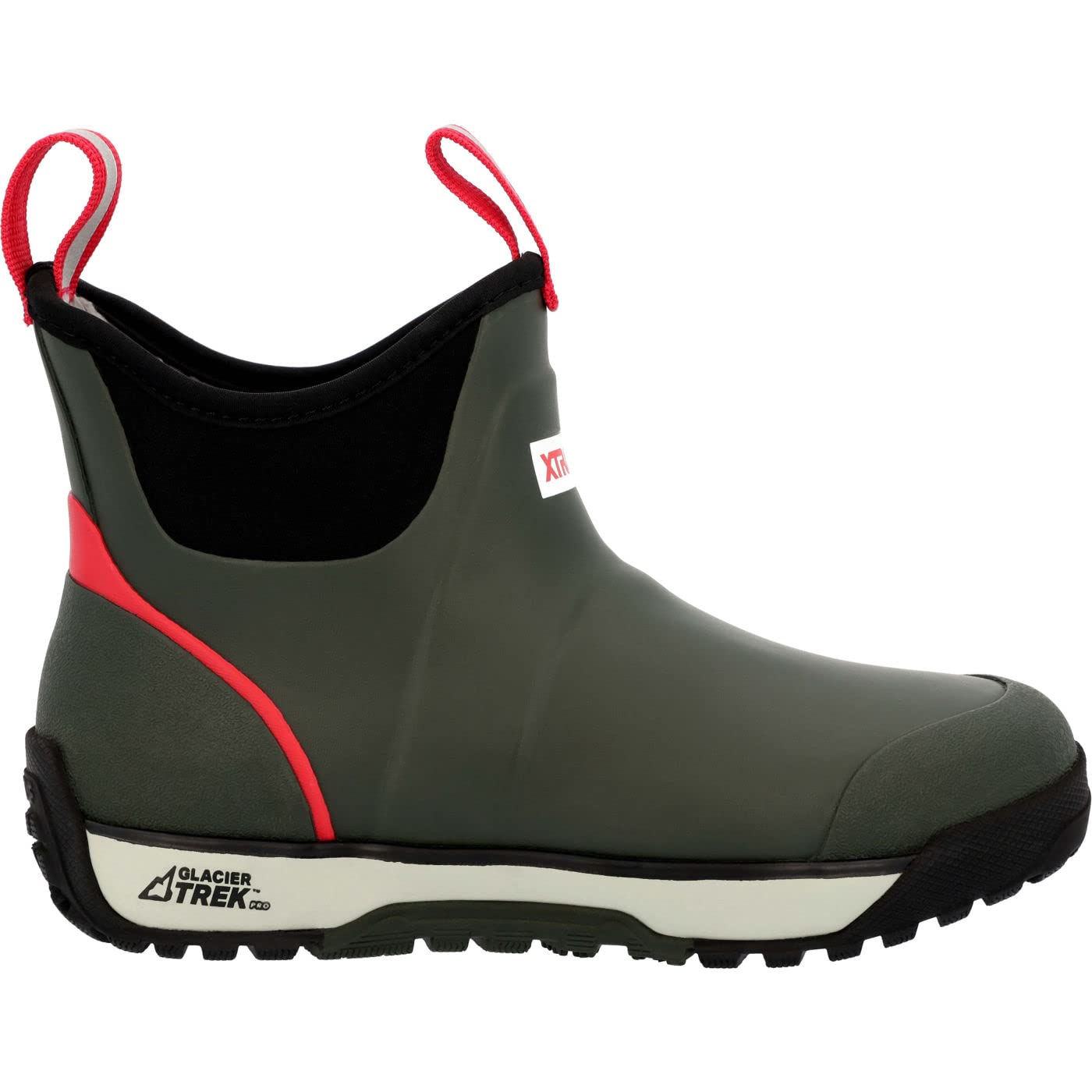
Boots for pacific northwest weather fall into four useful groups. They differ in height, weight, waterproofing, and grip, and no single group wins at everything.
Waterproof Hiking Boots for Trails and Weekend Miles
Waterproof hiking boots pair a sealed membrane with a lugged outsole and a supportive midsole, so they handle wet rock, mud, and long climbs in one package. A mid or high collar guards your ankle on uneven ground, and cushioning softens descents. Choose this type if you hike most weekends and want one pair for forest trails and coastal paths. The trade off is weight and warmth, since a sealed boot breathes less on mild days.
Rubber Rain Boots for Downpours and Garden Work
Rubber rain boots use a fully sealed shaft that sheds standing water completely, which makes them the simplest answer for flooded sidewalks, soggy gardens, and dog walks in steady rain. Most have a flat sole, modest cushioning, and little arch support, so they suit short outings better than long distances. Pick this type when your main problem is deep puddles rather than rough terrain, and keep expectations low for grip on smooth wet stone.
Insulated Boots for Cold Rain and Early Snow
Insulated boots add a warm lining inside a waterproof shell, giving you protection when rain turns cold or light snow covers the path. Synthetic fill or fleece holds heat even when the outer gets damp, and taller shafts keep slush out. This type fits early morning work and winter commuting. The downside is heat on mild afternoons.
Lightweight Waterproof Boots for Commutes and Travel
Lightweight waterproof boots use thinner synthetic uppers and softer midsoles to cut weight while still sealing out rain. They feel closer to a sturdy shoe and dry faster after a soaking than heavy leather styles. Commuters who walk to transit and travelers with one bag often prefer this balance. You give up some ankle stability and long term durability, and the softer outsole wears sooner on sharp rock.
Waterproof Hiking Boots vs Rubber Rain Boots: Which Should You Choose?
These two types answer different questions. Hiking boots win on traction, because deep lugs bite into mud and loose gravel while rubber rain boots often use shallow tread made for flat ground. Rain boots win on total dryness in standing water, since a rubber shaft has no seams or tongue gaps where water can enter. Choose hiking boots for distance and terrain, and rain boots for short, very wet outings.
How to Choose the Right Boot for Pacific Northwest Conditions
Once you know your type, narrow the choice with the details below. Shoppers comparing the best boots for pacific northwest weather often focus on the waterproof label alone, but fit, grip, and breathability decide whether you still like the pair after a month of rain.
Features That Matter Most for Pacific Northwest Rain and Mud
Frequent rain changes what matters. Look for sealed seams, a gusseted tongue that keeps water and grit out, and materials that dry overnight. Stability matters on slick roots and wet boardwalks, so a firm heel counter and a midsole that resists twisting help you stay upright. A heel to toe drop of about 8 to 12 mm suits most walkers.
Upper Materials and Breathability in Damp Air
Full grain leather resists scrapes and molds to your foot, but it dries slowly and needs regular conditioning in a wet climate. Breathable panels help on dry days, yet every open panel is a place where fine mist can work in, so favor fewer fabric panels if you walk in rain more than sun.
Membrane Waterproofing for Months of Steady Rain
A membrane such as Gore Tex sits between the upper and the lining and blocks liquid water while letting some vapor escape. It keeps your socks dry in rain and shallow puddles, but water that flows over the collar still gets in. Boots with a membrane cost more, about $120 to $250 for most hiking styles, while basic rain boots often cost under $100. Choose a membrane for mixed terrain and longer walks, and plain rubber when total sealing matters more than airflow.
Fit and Sizing for Wool Socks on Wet Trails
Measure your feet in the afternoon, when they are at their largest, and try boots on with the socks you plan to wear. Leave about a thumb width of space in front of your longest toe so downhill steps do not bruise your nails. A roomy toe box lets toes spread on wet descents, while the heel should stay put. If you fall between sizes, the larger size with a thicker insole usually works better.
Who Should Buy Which Boot Type in the Pacific Northwest?
Daily Commuters Facing Rain on Pavement
If your day is sidewalks, transit platforms, and short walks between buildings, a lightweight waterproof boot gives you dry feet without the bulk of a trail boot. Readers who want a trail ready option for weekend detours can see our guide to the best hiking boots for pacific northwest for a more rugged take on the same wet conditions.
Trail Hikers on Wet Coastal and Forest Routes
Hikers covering 5 to 15 miles on root filled forest paths need the grip, ankle support, and cushioning of a waterproof hiking boot. Skip rubber rain boots for these routes, since their flat soles and loose fit cause blisters and slips when the path turns steep.
Outdoor Workers Standing in Wet Conditions
If you work outside in landscaping, construction, or delivery, durability and all day support come first. A leather waterproof boot with a wide, stable base and a replaceable insole handles long shifts on mixed ground. Budget about $100 to $250 for a pair that lasts.
Common Mistakes to Avoid When Buying Boots for This Region
- Buying rain boots for long hikes, which leads to blisters and poor grip on muddy slopes.
- Choosing a snug fit with thin socks, which leaves no room for the thick socks you wear in January.
- Trusting a water resistant label for steady rain, which soaks through within an hour.
- Ignoring outsole tread depth, which leaves you sliding on wet roots and crosswalk lines.
- Drying boots on a heater vent, which cracks leather and weakens sole glue.
- Skipping a short break in period, which turns your first long wet hike into a blister test.
How to Make Your Boots Last Longer in Wet Weather
Air dry wet boots at room temperature away from direct heat, and pull the insoles out so air can reach the footbed. Clean mud off after each outing, condition leather every few weeks in the rainy season, and refresh the outer coating when water stops beading. Store boots upright in a dry spot, and replace worn insoles once a year to restore support.
FAQs About Boots for Pacific Northwest Weather
What features matter most in boots for pacific northwest rain?
A sealed waterproof build, deep tread, and a gusseted tongue matter most for this region. One point many buyers miss is collar height, because a shaft that reaches above your ankle keeps splashes from running in at the top.
Can I wear waterproof boots all day in the Pacific Northwest?
Yes, you can wear waterproof boots all day if the fit and support suit your feet. Choose a pair with a cushioned insole you can swap for a more supportive one, and change into dry socks at midday during the wettest months.
Do I need waterproof boots for Pacific Northwest summers?
Not always, because summer rain here is lighter and trails dry faster. A breathable, non waterproof boot dries quickly after a shower and feels cooler on warm hikes. If you buy only one pair, choose waterproof, since a soaked foot in October rain stays cold for hours.
How should boots fit for Pacific Northwest hiking with thick socks?
Boots should fit snugly at the heel and midfoot with clear space at the toes when you wear your thickest socks. Try a downhill test on a ramp or step, because your toes should not press the front when you lean forward.
How often should I replace boots worn in Pacific Northwest rain?
Replace your boots when the tread smooths out, the midsole feels flat, or the waterproof lining leaks even after the outer coating is refreshed. For most people that point arrives after about 500 to 800 miles of walking or two to three rainy seasons of daily use.
The Bottom Line
Match the type to your wettest day, then judge waterproofing, traction, and fit in that order. Hiking boots cover trails, rubber boots cover downpours, insulated boots cover cold rain, and light waterproof boots cover the daily commute. Chosen with those priorities, the best boots for pacific northwest pair for you will keep your feet dry without weighing down every step. Compare your shortlist in the product table above before you order.