
Best Boots for Oil Rig Work for 2026: Every Type Explained Side by Side
Disclosure: We may earn a commission when you buy through links on this page, at no extra cost to you. As an Amazon Associate I earn from qualifying purchases. Learn more

Compare the best boots for oil rig work by type, safety toe, outsole grip and waterproofing, with fit and care guidance for long shifts on deck.
Oil rig decks are wet, oily and unforgiving, and the wrong boots turn a long shift into a safety risk. The best boots for oil rig work protect your toes, grip slick steel and stay comfortable through long hours of standing. This guide compares boot types side by side, so you can use the comparison table below before you order.
Start with your actual job on the rig, because that job sets your real needs. A drilling floor hand needs grip and toe protection above all, while a worker in cold seas needs insulation as well. The sections below match each role to a boot type.




Who Should Buy Which Boots for Oil Rig Work?
Your role decides which tradeoffs matter most, because decks, weather and tasks differ on every rig and every shift.
Deck and Drilling Floor Crews on Wet Steel
You stand and walk on steel that stays slick with oil, water and drilling mud. Choose a safety toe, an oil resistant outsole and a tall shaft that sheds splashes. A pull on style suits you well, because no laces soak through or trail in mud.
Maintenance Crews Who Climb and Kneel
You climb stairs and ladders, kneel on grating and move between decks all shift. Choose a lace up boot that holds your ankle steady and lets you tighten the forefoot. Look for scuff protection over the toes, because kneeling wears that area first, plus a sole that flexes at the ball of the foot.
Offshore Crews in Cold and Rough Weather
You face cold wind, spray and standing water, often at night and far from a warm room. Choose an insulated waterproof boot with room for thick socks, because tight boots feel colder as they limit blood flow. A taller shaft keeps spray out in pooled water.
Types of Boots for Oil Rig Work Compared
Rig boots fall into three broad types, and store listings often blur the names. If you want a focused look at the category itself, see our guide to the best oil rig boots for how these styles are usually grouped. Each type trades fit, warmth and ease of use differently.
Pull On Wellington Style Boots for Wet Decks
These boots slide on with side handles and have no laces. The smooth upper sheds oil and mud with a quick rinse, and the tall shaft, often about 10 to 14 inches, guards your calf. The fit is looser at the ankle, so your heel may lift as you walk. Most pairs cost about $130 to $230 and suit wet deck work.
Lace Up Boots for Ankle Support and Fit Control
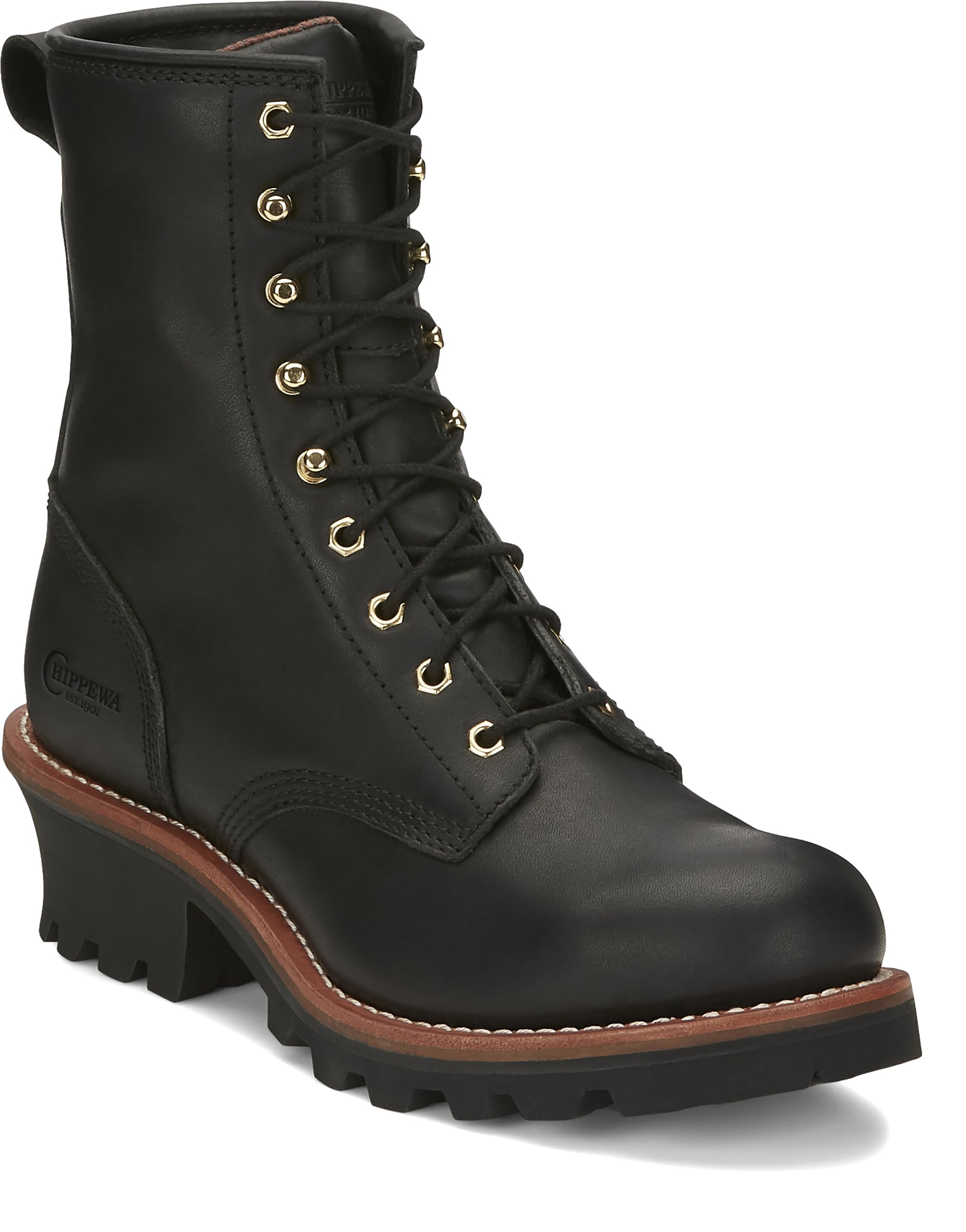
Laces let you set a snug fit at the ankle and a looser fit over the toes, which helps on ladders and stairs. The closer fit also steadies you when you carry tools across grating. Laces take longer to remove, though, and can soak up oil if they trail on deck. Most pairs cost about $120 to $250 and suit mixed tasks.
Insulated Waterproof Boots for Cold Offshore Work
These boots pair a waterproof membrane with insulation through the shaft and foot. They keep feet dry in spray and warm during slow night watches on an open deck. They weigh more than uninsulated pairs and can feel hot in warm engine spaces, so they fit cold regions best. Most pairs cost about $150 to $280.
Key Features to Compare
Judge every boot against the same five features, in this order, so a low price cannot hide a weak toe cap or a poor sole.
Safety Toe and Puncture Protection in Rig Boots
A safety toe guards your toes when a pipe, tool or fitting drops on deck. Steel toes give strong protection in a slim shape, while composite toes weigh less and feel warmer in cold air. Many rig boots add a puncture plate in the sole and a guard over the foot for falling loads. Check the rating your operator requires before you buy, because sites set their own rules for toe and electrical hazard protection.
Oil Resistant Outsole and Grip on Steel Decks
The outsole decides whether you stay upright on oily steel, painted decks and wet grating. Deep lugs with wide channels push oil and water aside so the rubber can meet the surface, and a softer compound grips smooth steel better than a hard one. Flat areas help on grating, while bold lugs help in mud at the pipe yard. For more on sole compounds and tread, see our guide to the best oil resistant work boots.
Waterproofing, Breathability and Chemical Splash
A waterproof membrane such as Gore Tex blocks deck water while letting sweat vapor escape, and sealed seams stop leaks at stitch lines. Full grain leather resists oil splash well and cleans up with a rinse, while fabric panels breathe better but soak faster. In hot climates, a breathable waterproof boot feels far better than a fully rubber boot. Choose rubber only where standing water stays above the ankle for long periods.
Cushioning That Survives Twelve Hour Rig Shifts
A cushioned midsole softens the shock of steel decks under your heels and knees during a 12 hour shift. Firm arch support helps if you carry loads, because your feet flatten more under extra weight, and most work boots have a heel to toe drop of about 8 to 12 mm. Persistent numbness, sharp heel pain or swelling that does not settle with rest needs a clinician or your site medic, so talk with that clinician about your personal needs before you add inserts.
Fit, Sizing and Toe Box Room in Safety Boots
Measure your feet late in the day, at their largest, and wear your work socks for the fitting. A safety toe takes up room inside the boot, so you need space to wiggle your toes and about half an inch ahead of your longest toe. Your heel should stay seated as you walk. If you fall between sizes, choose the larger size and adjust with a thicker insole.
How to Choose the Right Boot for Your Rig Job
Work through a short checklist in order: required safety rating first, then deck surface, then weather, then fit. That order is the fastest way to narrow the best boots for oil rig work to the short list your own job allows. Judge heel lift and toe room on a hard floor, not carpet.
Durability decides what the boot costs you over a year of rotations. A stitched welt sole can often be resoled, while a glued sole is lighter but ends the boot once it peels away. Full grain leather outlasts split leather in oil and mud, though it needs regular oiling, and tread and waterproofing fade first, often within about 6 to 12 months of daily use.
Common Mistakes to Avoid
Each of these errors costs comfort or safety.
- Buying boots without your site safety rating leaves you unable to start work until a compliant pair arrives.
- Choosing a smooth sole for deck work leaves you sliding on oily steel at every turn.
- Sizing boots in the morning with thin socks leaves them tight once your feet swell on shift.
- Wearing one pair daily without rest days keeps the lining damp and shortens boot life.
- Ignoring a cracked toe cap leaves your toes without real protection.
Care and Maintenance of Rig Work Boots
Rinse oil, mud and salt water off after each shift, stuff the boots with paper, and let them dry away from direct heat, because heat cracks leather and weakens sole glue. Once dry, work in a light coat of conditioner, and see our guide to the best oil for work boots for how oils differ by leather type. Brush mud from the tread too, because packed lugs grip less on steel.
Rotate two pairs if you can, so each pair dries fully between shifts. Check laces, stitching and sole edges each week, and fix small separations early. For deeper conditioning, see our guide to the best mink oil for work boots for when that oil suits your leather. Store pairs upright in a dry locker, away from fuel and solvents.
FAQ
What features matter most in boots for oil rig work?
The safety rating, outsole grip and waterproofing matter most in boots for oil rig work. Start with the rating printed on the tongue label, because that label states the toe and hazard protection your site inspector will check. A boot can feel perfect and still fail inspection if the label lacks that rating.
Can I wear oil rig work boots for a full 12 hour shift?
Yes, you can wear oil rig work boots for a full 12 hour shift if the fit and support suit your feet. Swap to dry socks at your meal break, because damp socks soften skin and raise blister risk late in the shift. Loosen laces while you sit, then retighten them before deck work.
Do I need waterproof boots for oil rig work?
Yes, most rig roles need waterproof boots, because decks stay wet with spray, wash water and rain. The main exception is indoor work in hot engine spaces, where an unlined breathable boot can feel better and decks stay mostly dry. Even then, keep a waterproof pair in your locker for deck tasks in rain.
How often should I replace boots for oil rig work?
Replace boots for oil rig work when the tread runs smooth, the toe cap shows through worn leather, or water enters at the seams. Photograph the tread when the pair is new and compare it monthly, because gradual wear is hard to judge from memory. A boot that leaks or slips has finished its safe life.
The Bottom Line
Put the safety rating first, the outsole second and waterproofing third, and let price come after those three. Match the type to your deck and weather, fit it late in the day with work socks, and use the product table above to check shaft height, toe type and price.
Chosen that way, the best boots for oil rig work stop being a guess and become a tool you trust on every shift. Buy the simplest pair that meets your site rules, care for the leather, and replace it once grip or protection fades.


