
Best Boots for New England Winter by Budget: 2026
Disclosure: We may earn a commission when you buy through links on this page, at no extra cost to you. As an Amazon Associate I earn from qualifying purchases. Learn more

Compare boots for New England winter by budget, insulation, waterproofing and ice traction, with a fit checklist to help you spend where it counts most.
Winter boots for this region can cost about $70 for a simple pair or about $300 for a heavily insulated pair, and the price gap alone tells you little. The best boots for new england winter for you depend on how cold your town gets, how long you stay outside, and how much slush you cross each day. Use the comparison table below to match your budget to the warmth and grip you will use.
A morning on the coast often means wet slush, salt, and puddles at the curb. A morning inland can mean deep snow and air far below freezing before sunrise. That range is why one budget can be smart for one town and wasteful for another.

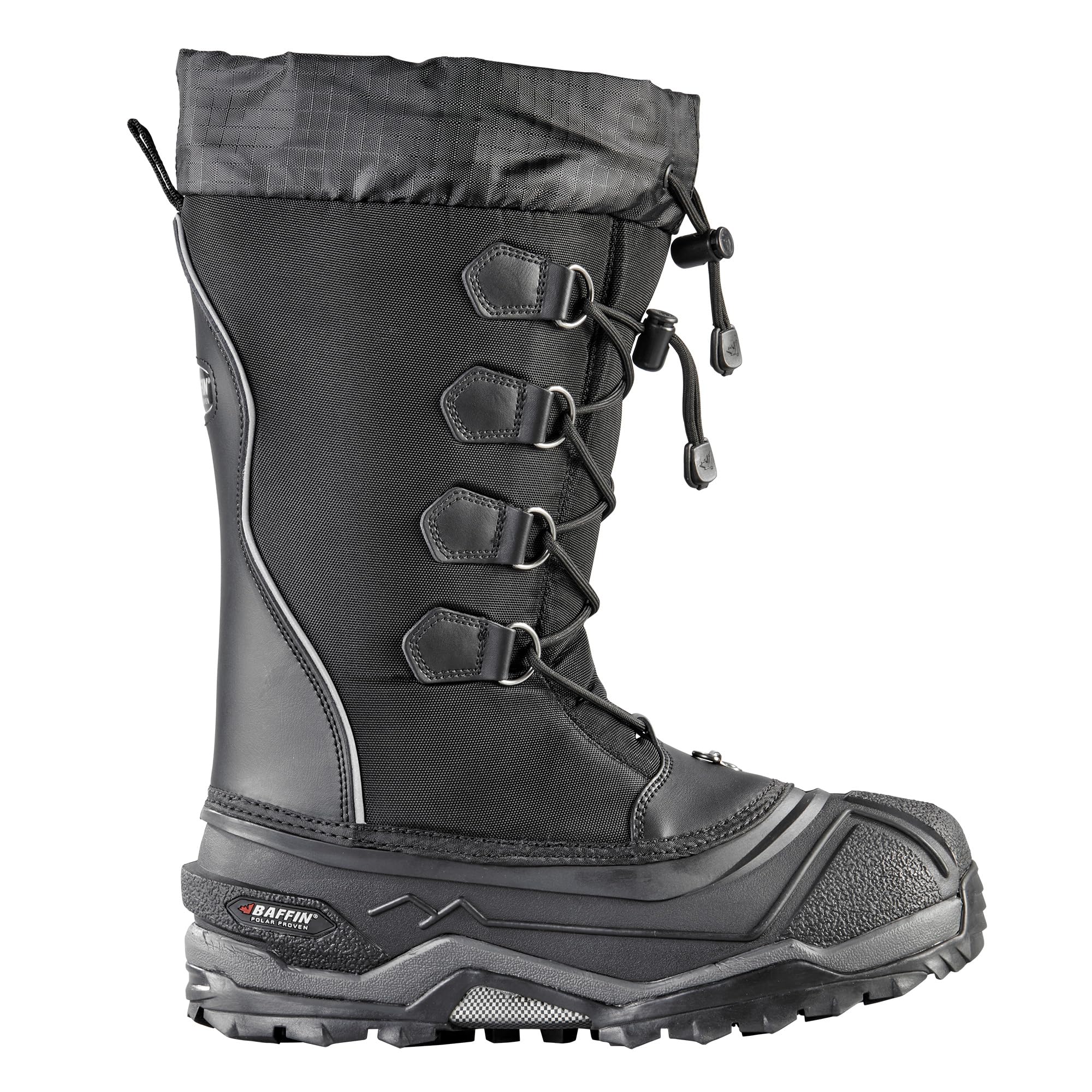

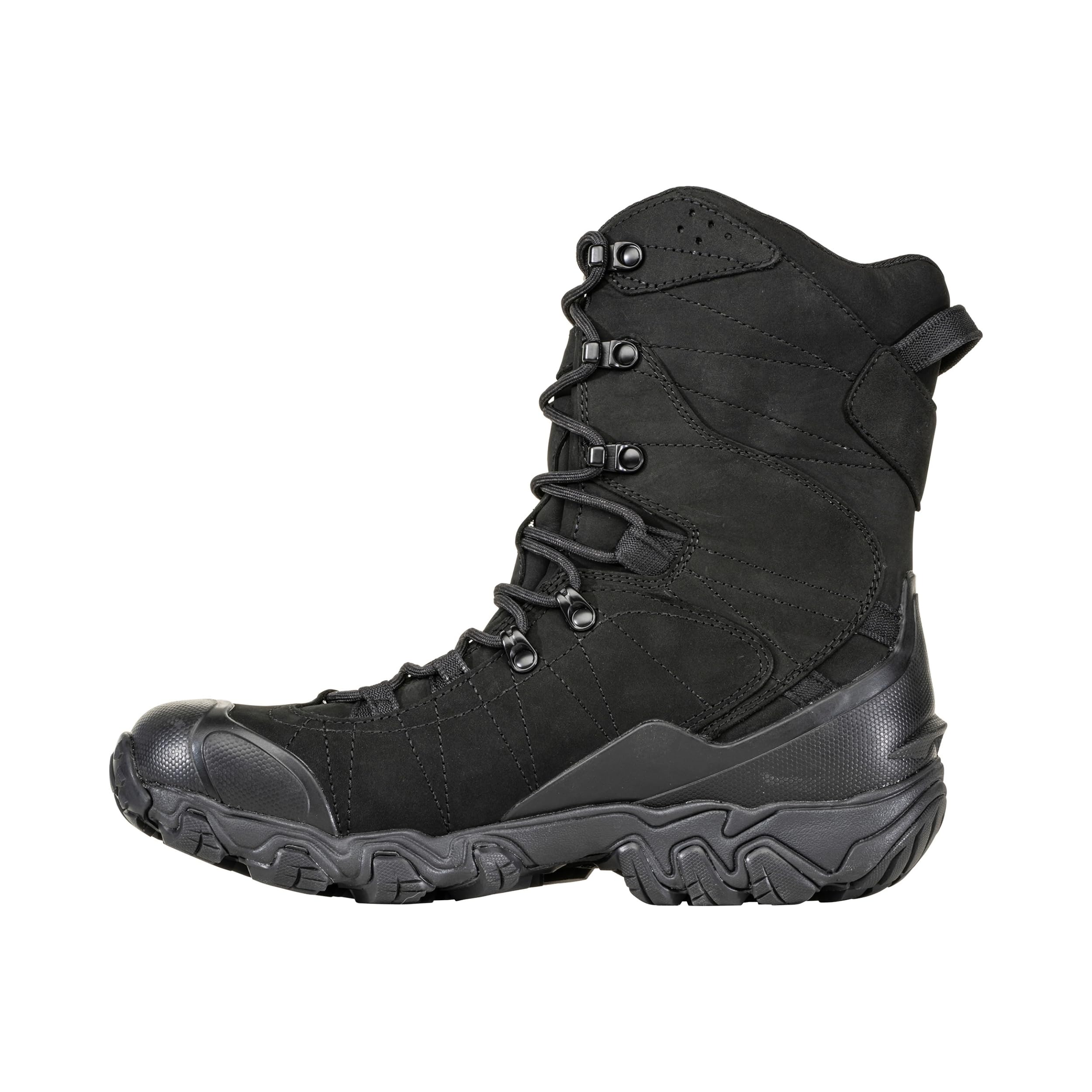
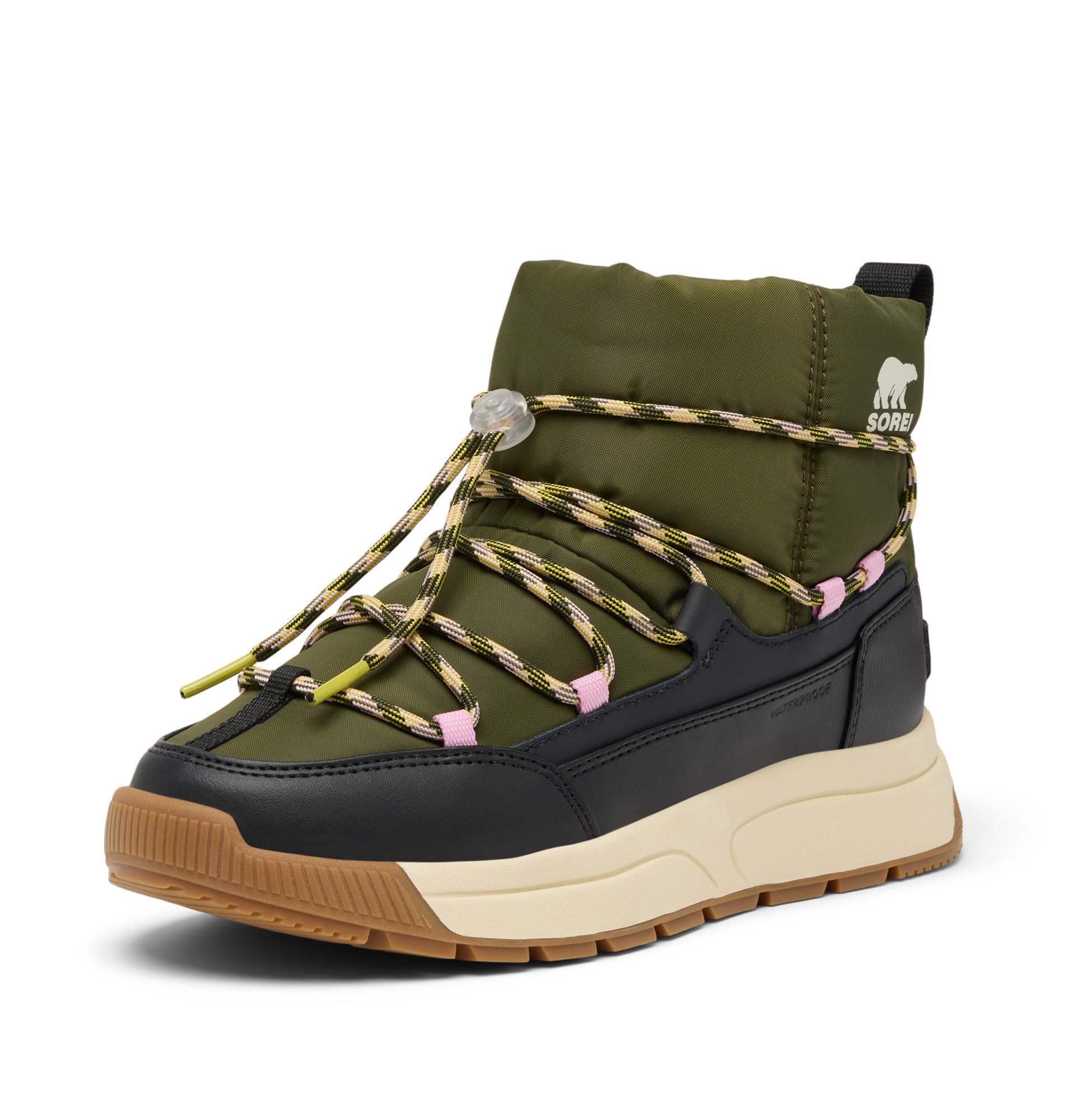
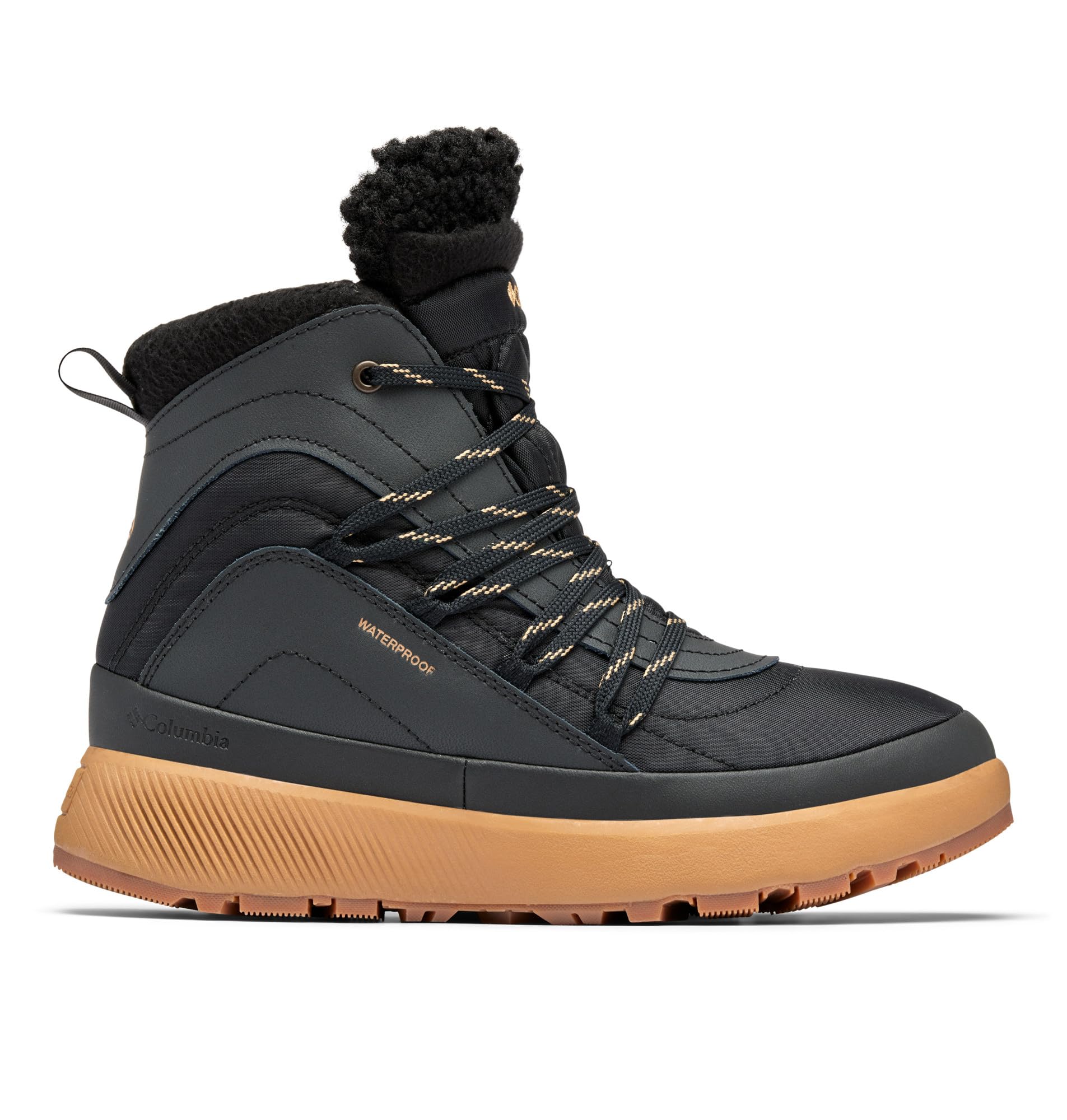
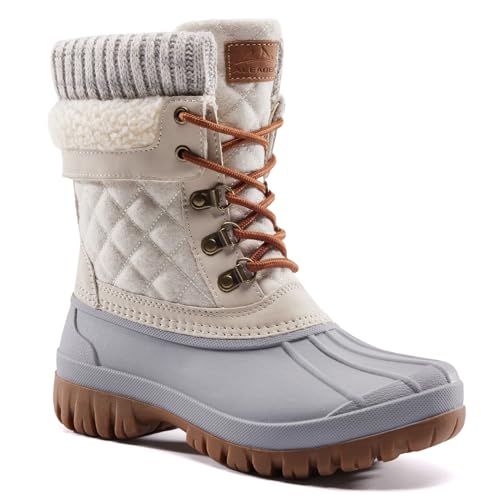


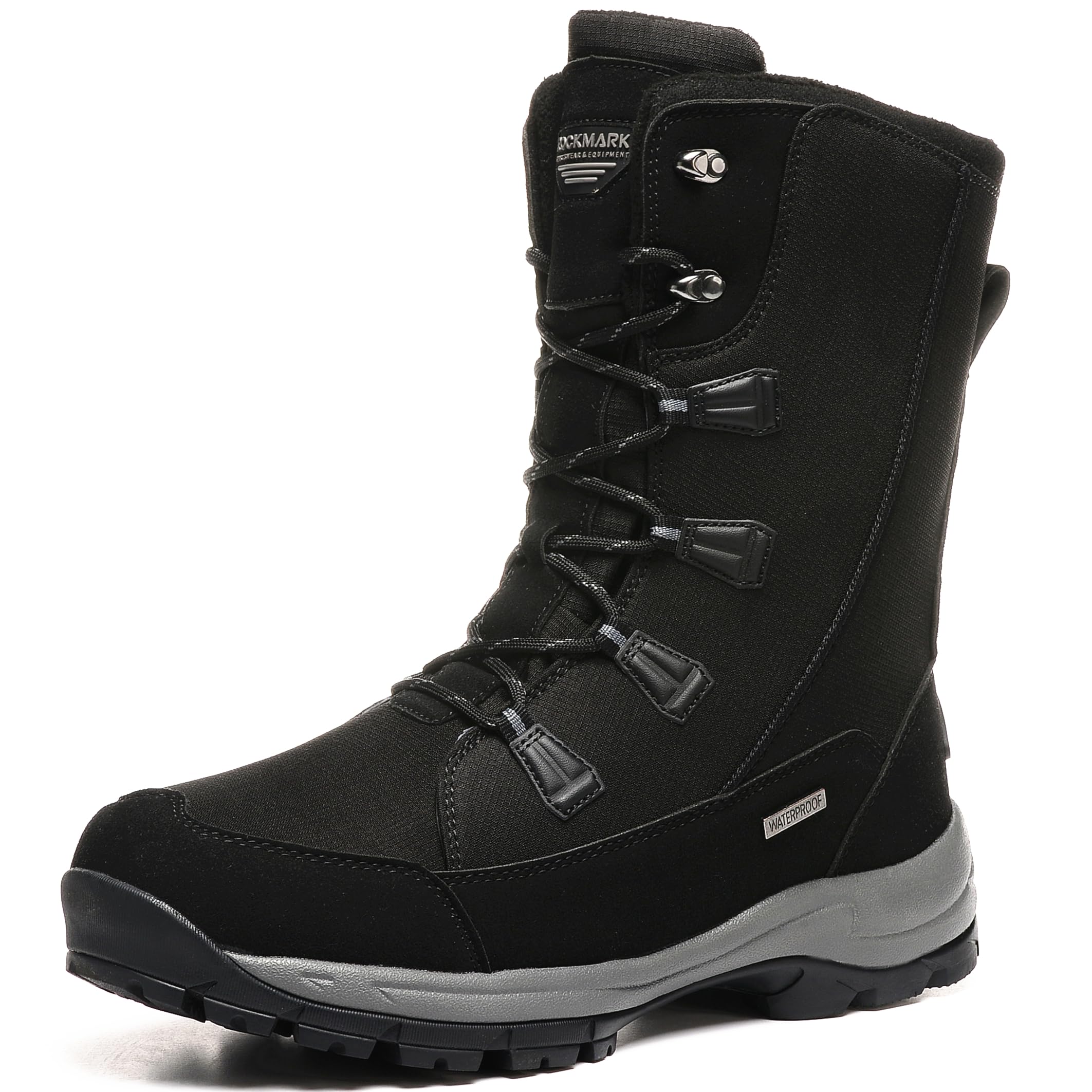

Who Should Buy Winter Boots Built for New England Conditions?
Start with the winter day you repeat most often. Your commute, your chores, and your time outside point you to the right tier faster than any label.
Coastal Commuters Who Face Slush and Salted Sidewalks
You walk to a station, stand on wet platforms, and cross streets where plows leave ridges of slush. Choose a mid height boot with a waterproof membrane and a lugged rubber outsole. If your winter is mostly city blocks and cleared walks, see our guide to the best boots for new york winter for a close comparison.
Homeowners in Snowy Towns Who Clear Snow Often
You shovel a driveway, haul wood, and step into snow that no one has packed down yet. Choose a taller shaft, about 9 to 14 inches, so snow stays out when you step off the cleared path. Warm insulation and a roomy toe box matter more than a sleek shape, because you often work outside before the day warms up.
Hikers and Outdoor Workers Who Stay Out for Hours
You walk trails, work sites, or farmyards long after your feet would chill in a light boot. Choose stronger insulation, firm ankle support, and deep lugs for packed snow and mud. You also need a fit that stays steady on slopes, because a heel that lifts on every step will rub and tire your feet.
What Each Price Tier Delivers for a New England Winter
For most shoppers, the best boots for new england winter are not the priciest pair, but the pair whose tier matches daily use. Each tier below covers typical features, the main trade off, and who should pay for it. Skip decorative stitching at every tier, because it adds cost without adding warmth.
Budget Tier: Core Warmth for Town Errands and Short Outings
Pairs at about $70 to $120 usually give you basic insulation, a waterproof shell on the lower boot, and simple laces or a pull on shaft. They suit short trips, school runs, and mild coastal winters. Expect thinner cushioning and outsoles that wear sooner, and check that the upper can resist wet snow rather than soak it up.
Midrange Tier: Dry Feet and Strong Grip for Daily Winter Use
Pairs at about $120 to $200 usually add a full waterproof membrane, sealed seams, and better rubber that grips on cold pavement. Insulation is more even, and the fit is often more shaped at the heel. Most daily wearers should target this tier. If you want to see what is new this season, see our guide to the best new winter boots.
Premium Tier: Extra Insulation and Durability for Harsh Weeks
Pairs at about $200 to $300 usually bring heavier insulation, tougher leather or shell materials, and outsoles built to last several winters. They pay off if you face long stretches of deep cold or wear boots all day at work. If your outings are short, the extra weight and cost will likely sit unused.
Key Features to Compare in New England Winter Boots
Compare these factors in the same order for every pair, so a low price cannot hide weak traction.
Insulation Weight for Coastal Cold and Inland Cold
Insulation is often listed in grams, and it controls how warm a boot feels when you stand still. Around 200 grams suits active days and milder coastal cold, while about 400 grams suits long, still hours in deep inland cold. More is not always better, because a very warm boot can make your feet sweat, and damp socks then chill fast. Match the weight to your coldest regular outing, not to the single coldest day of the year.
Waterproof Boots, Sealed Seams, and Gusseted Tongues
Waterproof boots for this region need more than a coating. Look for a waterproof membrane inside the boot, sealed seams, and a tongue joined to the upper so slush cannot slip in beside the laces. Some membranes use Gore Tex, while others use a house brand layer, and construction matters more than the name. A boot that keeps melt water out also protects the insulation, which loses warmth when wet.
Outsole Traction on Ice, Slush, and Packed Snow
The outsole is your contact with ice, and its rubber compound and lug pattern decide whether you stride or slide. Look for soft rubber that stays pliable in cold air and lugs about 4 to 6 mm deep with edges that bite when you turn. Wide spaces between lugs clear slush instead of packing flat. Smooth soles and hard rubber that stiffens in cold air belong indoors, not on a frozen sidewalk.
Sizing for Heavy Socks on Slushy Sidewalks
Measure your feet in the afternoon, when they are at their largest, and try boots with the thick socks you plan to wear. Your toes should wiggle in the toe box, and your heel should stay in place when you walk. Boots snug in thin socks will feel tight in winter socks, which cuts circulation and makes feet feel colder. If you are between sizes, the larger size with a thicker insole is usually warmer.
Cushioning, Stability, and Arch Support for Long Days
Cushioning softens each step on frozen ground, which is harder than a summer trail. Stability comes from a firm heel cup and a sole that does not twist easily, and it helps on uneven snow. Arch support should match your foot type, with firmer support for flat feet and softer padding for high arches. A modest heel to toe drop suits most walkers, while a very flat sole can tire calves.
A Simple Budget Checklist Before You Buy
Add the full cost before you decide a tier is cheap. Warm socks, replacement insoles, spare laces, and a renewal spray for the outer finish can add about $30 to $60 over a season. A midrange pair that fits well often costs less over three winters than a budget pair replaced each year.
Try your final pair indoors on carpet, walk stairs if you can, and check return terms before you wear them outside. If you are also buying for a child who is just starting to walk, see our guide to the best winter boots for new walkers for sizing help for small feet.
Common Mistakes to Avoid
- Buying boots that fit in thin socks leaves no room for winter socks and makes your feet feel colder.
- Choosing a low shaft for deep snow lets snow fall in at the top and soak your socks.
- Trusting a fashion sole on ice leads to slips on frozen sidewalks and station steps.
- Paying for the heaviest insulation for mild coastal use leaves you with sweaty feet and damp socks.
- Wearing a new pair on a long trip right away invites blisters before the materials soften.
Care and Maintenance for Winter Boots in New England
Brush off road salt after wet outings, because salt dries leather and leaves stiff marks on fabric. Wipe the lower boot with a damp cloth, stuff the boots with dry paper, and let them air dry away from a radiator. Direct heat can crack leather and weaken glue at the sole.
Renew the water resistant finish on the outer material when water stops beading on the surface. Check laces, eyelets, and outsole lugs each month, and store boots upright in a dry place in spring. A sole worn smooth at the heel will grip poorly next winter.
FAQ
What features matter most in boots for a New England winter?
Warmth, waterproofing, and ice traction matter most in boots for a New England winter. Start with insulation matched to your town, then check sealed seams and lug depth. One point many buyers miss is the cuff at the top of the shaft, because a snug cuff stops loose snow from sliding in at a drift.
How should winter boots fit with thick socks in New England cold?
Winter boots should feel roomy at the toes and secure at the heel when you wear thick socks. Leave about a thumb width of space in front of your longest toe. If your toes press the front when you walk down a slope indoors, they will ache on cold hills, so try the next size up.
How long does the break in period last for winter boots?
The break in period for winter boots usually lasts about one to two weeks of short daily wear. Stiff soles and new leather soften in stages, and the insole takes the shape of your foot. Wear them on errands first and add time slowly, because cold air makes new materials feel firmer.
Are expensive winter boots worth it for New England weather?
Expensive winter boots are worth it if you face deep cold often or wear boots all day for work. The extra cost mainly buys heavier insulation, tougher materials, and longer outsole life. If you only walk a dog on cleared streets, a midrange pair with good traction will serve you just as well.
Do I need waterproof winter boots for New England snow and slush?
Yes, you need waterproof winter boots for New England snow and slush in most towns. Even cold regions get thaw days when snow turns to water at every crossing. A waterproof lower shell alone can work for dry snow, but a full membrane gives you more margin when a puddle is deeper than it looks.
Our Verdict
Choose your tier by your town and your time outside, then judge each pair on insulation, waterproofing, and traction before you look at style. The best boots for new england winter are the ones that fit with thick socks and keep their grip in February slush. Compare your final choices in the product table above and spend where your daily routine demands it.


