Best Boots for Neuropathy for 2026: Matching the Right Model to Your Routine
Disclosure: We may earn a commission when you buy through links on this page, at no extra cost to you. As an Amazon Associate I earn from qualifying purchases. Learn more

Learn how to choose best boots for neuropathy by fit, cushioning, toe room, closure, and stability, with practical guidance for sensitive feet and daily wear.
Choosing best boots for neuropathy starts with fit and comfort, not with style alone. When feeling in the feet is reduced, small pressure points, stiff seams, and a narrow toe area can cause trouble before you notice it. A good pair should spread pressure evenly, leave room for the toes to move, and stay stable on everyday surfaces. The comparison table below can help you weigh those basics side by side before you narrow the choice.
There is no single pair that suits every routine, so the right choice depends on how much you walk, where you walk, and how sensitive your feet are. This guide compares boot types, fit features, and care habits in plain terms. It focuses on general fit and comfort only, and it does not offer medical advice for any condition.
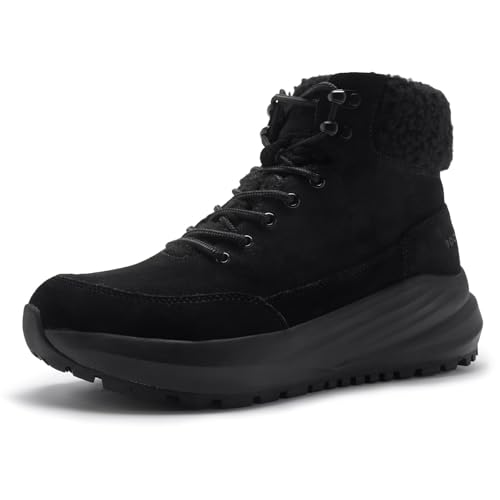
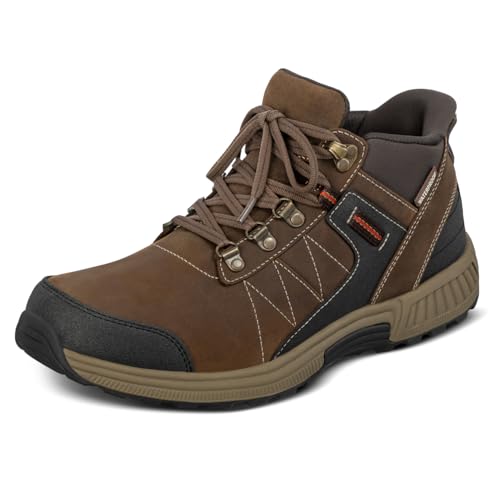

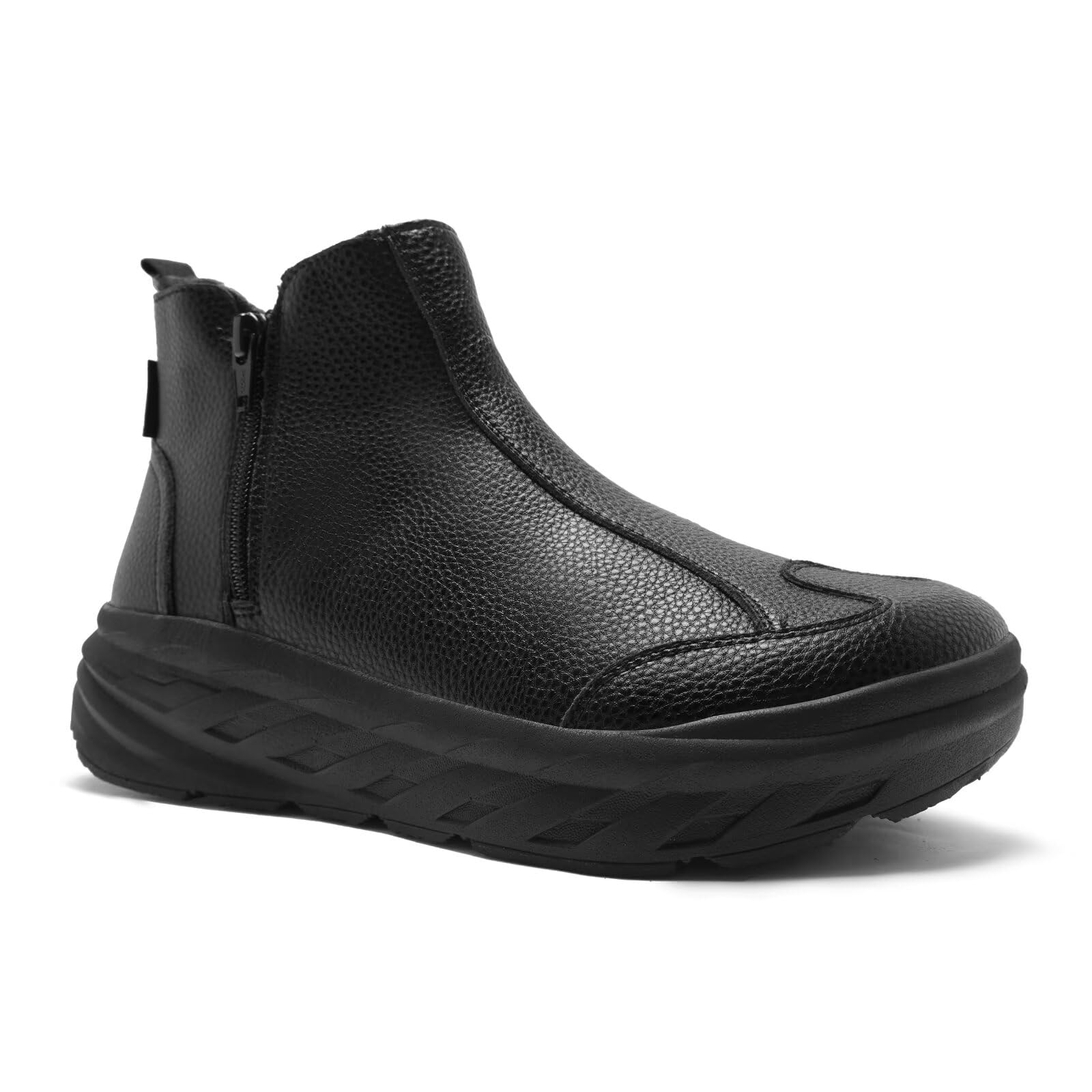


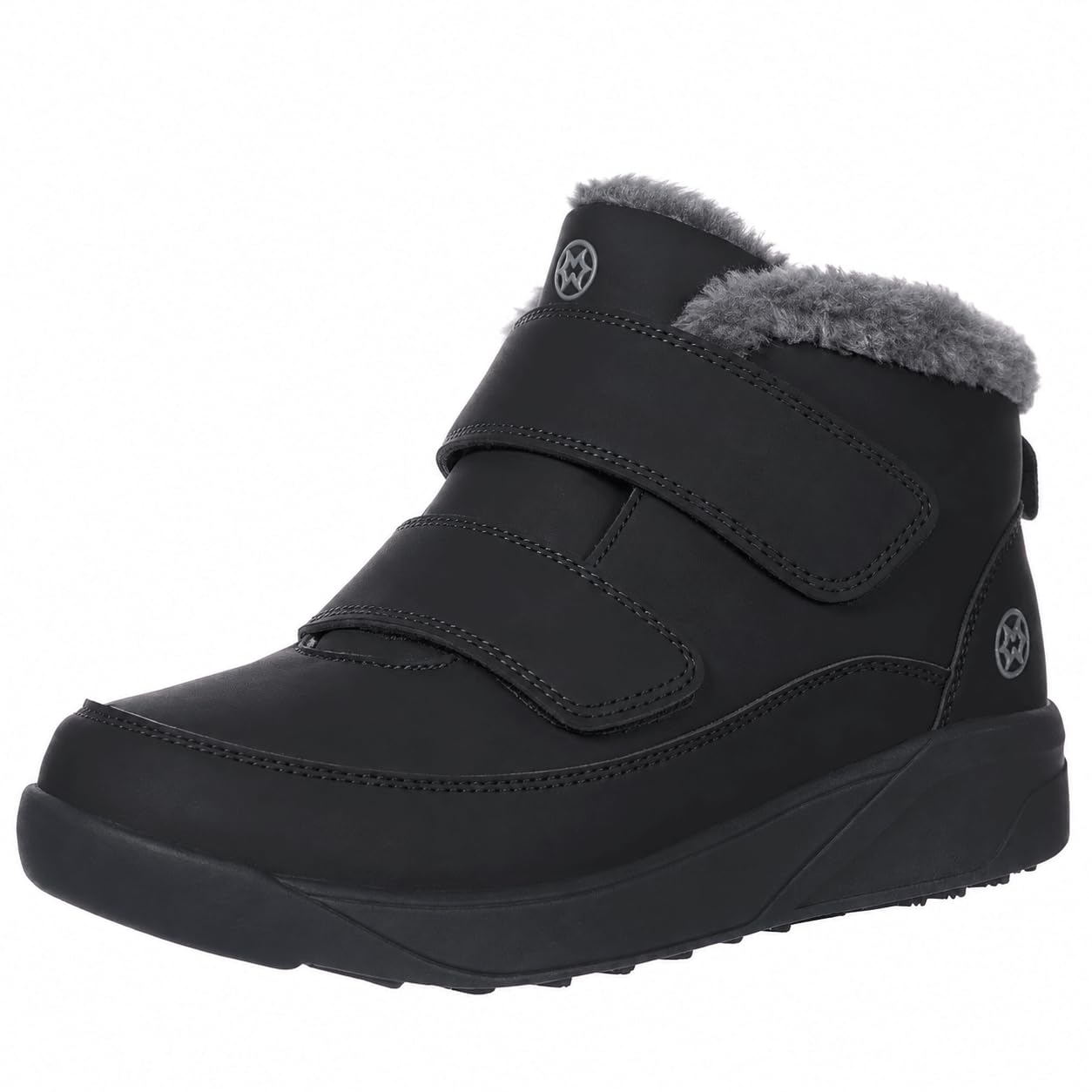

Who Should Buy Which Boots?
Neuropathy changes what matters most in a boot. People with reduced feeling often need a roomier toe box, a soft interior, an easy closure, and a steady sole. People who walk a lot also need cushioning that lasts through the day without creating new pressure spots. The groups below describe common routines, and each one points to the features that tend to matter most for that routine.
For Weekend Beginners
If you are new to shopping with foot sensitivity in mind, start with a simple, flexible boot that is easy to put on and take off. Look for a wide toe box, a padded collar, and a closure you can adjust without force, such as laces with a generous range or straps that open fully. A soft, smooth lining matters more than a fancy outer material, because seams and ridges can press on skin that may not signal discomfort clearly. Try the boots later in the day, when feet tend to be slightly larger, and walk indoors for a short time before a longer outing.
For Small Spaces and Easy Storage
If storage space is tight, a lighter boot that packs flat or stands neatly by the door can be a practical choice. Lightweight boots are easier to lift and to carry, and they often feel less tiring on short trips. Still, do not trade away toe room or a stable sole just to save space. A compact boot should still close securely around the ankle, support the arch in a gentle way, and leave the toes free to spread.
Check that the sole grips well on smooth floors, since a light boot can feel unsteady if the tread is too shallow.
For Frequent or Serious Users
If you wear boots most days or walk long distances, durability and consistent cushioning matter more. Look for a sole that keeps its shape, an upper that holds its fit after repeated use, and a closure that stays secure without needing constant adjustment. A removable insole is useful, because it lets you use a custom insole or a softer replacement without changing the outer fit. Keep a second pair if you can, so each pair has time to air out between wears, and check the interior often for wear, folds, or loose stitching.
Key Features to Compare
Four features shape comfort for sensitive feet more than most other details. Arch support should feel gentle and even, not rigid or raised in one spot. The toe box should be wide and deep enough for the toes to lie naturally. The sole should be stable, with a tread that grips without feeling stiff.
The closure should adjust in small steps, so you can fine tune the fit as feet change through the day.
Arch Support and Foot Type
Flat feet, high arches, and feet that roll inward each need a different kind of support, but the support should never feel like a hard bump under the arch. A contoured insole or a mild arch insert can spread weight more evenly and reduce pressure on the forefoot. If your feet roll inward when you walk, a boot with a firmer heel counter and a stable midsole can help keep the foot aligned. If you have a high arch, extra cushioning under the midfoot often feels better than a stiff support.
Try the boots with the socks you plan to wear, and notice whether the arch feels supported without pressing.
Features That Matter for Neuropathy
For sensitive feet, the interior matters as much as the exterior. Seek a smooth lining with few seams, a roomy toe box, and a soft collar that does not dig into the ankle. A closure that opens wide makes it easier to slide the foot in without bending the toes, and it lets you adjust the fit if swelling changes during the day. Cushioning should feel even from heel to toe, with no hard edge under the ball of the foot.
Stability also matters, because reduced feeling can make balance less certain, so a wide, steady sole and a low, secure heel help. Talk with a clinician about persistent pain, numbness that worsens, sores, blisters, redness, swelling, or skin breakdown, and check your feet each day for marks the boots may have left.
Durability and Expected Lifespan
Boots for daily wear usually need replacement when the cushioning flattens, the tread wears smooth, or the upper no longer holds its shape. As a rough guide, many walking shoes are replaced after about 300 to 500 miles, and boots used daily often show similar wear in the sole and insole before the upper looks worn. Check the heel for uneven wear, press the midsole to feel for flat spots, and notice whether one foot starts to feel less supported than the other. Replacing boots on time matters for sensitive feet, because worn cushioning can create new pressure points even if the boots still look acceptable from the outside.
Fit, Sizing, and Toe Box
Measure both feet in the afternoon, while standing, and use the larger foot as your guide. A toe box that lets the toes wiggle without sliding forward is a good sign, and there should be a small gap between the longest toe and the front of the boot. If you use an insole, test the fit with that insole in place, since it changes the internal space. When a size feels borderline, consider the wider width option before going up a full size, because extra length alone can cause the foot to slide.
Walk on a hard floor and on carpet, and check for pressure on the sides of the foot, the top of the toes, and the back of the heel.
Common Mistakes to Avoid When Buying Boots
Small buying mistakes can turn into sore spots quickly when feeling is reduced. Keep these points in mind before you order.
- Choosing by price alone, without checking toe room, lining, and closure, can leave you with a boot that looks like a bargain but presses in the wrong places.
- Ignoring arch support and foot type can lead to uneven pressure, especially if one foot rolls inward or has a high arch.
- Buying a size that is too tight or too loose can cause rubbing at the toes or sliding at the heel, and both problems are harder to notice with reduced feeling.
- Skipping the warranty and return details can make it hard to exchange a pair that feels fine for ten minutes but uncomfortable after an hour.
- Assuming a boot will stretch enough to fix a tight spot is risky, because stiff leather and structured uppers may not give where you need room most.
Related guidance can help you compare nearby options. See our guide to the best work boots for neuropathy if your routine includes long shifts on hard floors. For cold weather, our guide to the best winter boots for neuropathy covers insulation without a tight fit. If you spend most time indoors, our guide to the best neuropathy slippers focuses on soft, easy closures.
For lighter days, our guide to the best walking shoes for neuropathy compares cushioning and stability in lower footwear.
Care and Maintenance Tips
Good care keeps the interior smooth and the cushioning even. Air dry wet boots away from direct heat, because heat can stiffen leather and warp insoles. Rotate two pairs for daily wear when possible, so each pair can dry fully and recover its shape. Remove the insoles now and then to check for folds, cracks, or compressed spots, and replace them when they no longer feel even.
Clean the lining gently and let boots dry before the next wear, since damp interiors can soften skin and increase friction. Check the tread and heel regularly, and retire boots when the sole wears smooth or the upper loses its hold on the foot.
Boots: Your Questions Answered
What features matter most in boots for neuropathy?
A roomy toe box, a smooth interior, gentle arch support, and a stable sole matter most. These features reduce pressure points, spread weight evenly, and help you stay steady on everyday surfaces. An adjustable closure also matters, because it lets you fine tune the fit as feet change through the day. A removable insole is a bonus, since it lets you swap in a softer or custom insole without changing the outer size.
Together, these details matter more than color, brand styling, or a rugged look.
How often should I replace my boots?
Replace boots when the cushioning flattens, the tread wears smooth, or the fit starts to change. For daily walking, that often happens after many months of regular use, and the 300 to 500 mile guide for walking shoes gives a rough sense of timing. Watch for uneven heel wear, a midsole that feels flat on one side, or new rubbing after a walk that used to feel comfortable. If you notice sores, red marks, or blisters that line up with a worn spot, stop wearing that pair and talk with a clinician about the skin change.
Do I need waterproof shoes?
Waterproof boots help in rain, mud, and snow, but they are not needed for every routine. A waterproof membrane can keep feet dry, yet it can also trap warmth on mild days, so consider your climate and how long you stay outdoors. If you do choose waterproof boots, make sure the toe box stays roomy and the lining stays smooth, since a waterproof layer should not make the interior stiff. For dry indoor routines, a breathable boot often feels more comfortable and dries faster between wears.
Are expensive boots worth it?
Higher prices often buy better materials, steadier construction, and a more consistent fit, but price alone does not guarantee comfort for sensitive feet. A mid priced boot with a wide toe box, a smooth lining, and an adjustable closure can feel better than a costly boot with a narrow fit. Focus first on fit, interior smoothness, and stability, then compare prices within the group that passes those tests. A good return policy matters too, because comfort over a full day is hard to judge in a short try on.
How long is the break in period?
Most comfortable boots should feel close to right from the first wear, with only minor softening over the first week. A long break in period is a warning sign for sensitive feet, because stiff spots can cause skin trouble before the boot softens. Wear new boots indoors for short periods at first, and check your feet after each try for red marks or pressure lines. If a spot still presses after several short wears, or if you see skin changes, choose a different size, width, or style rather than forcing the boot to adapt.
Wrapping Up
The best choice balances three things: a roomy, smooth interior, gentle and even support, and a stable sole that you can trust on everyday ground. Measure in the afternoon, test with your usual socks and insoles, and give the boots a short indoor trial before a long day out. The product table above can help you compare those basics once you know which routine fits you best.
If you remember one rule, let it be this: comfort should be clear early, not promised after weeks of wear. For daily guidance on fit, keep checking your feet, replace worn cushioning on time, and talk with a clinician about any persistent pain, worsening numbness, or skin changes. With those habits, best boots for neuropathy becomes a practical choice about fit and comfort, not a guess about style.