
Best Boots for Music Festivals: Buying Guide for 2026
Disclosure: We may earn a commission when you buy through links on this page, at no extra cost to you. As an Amazon Associate I earn from qualifying purchases. Learn more

Fit, cushioning, grip and the right weather protection decide the best boots for music festivals. Here is how to pick a pair that lasts all weekend.
You stand for hours at a festival, walk miles between stages, dance on grass that may turn slick, and share tight crowds where your toes get stepped on. The best boots for music festivals handle all of that at once, so your feet are not the reason you leave a set early.
This guide covers fit, cushioning, waterproofing, grip and boot types. Use it alongside the comparison table below, and focus on the sections that match your forecast and grounds.





Who Should Buy Boots for a Music Festival?
All Day Standers and Front Row Fans
You arrive early, claim a spot near the stage and stay on your feet through back to back sets. Prioritize cushioning that still feels supportive in hour eight, plus a toe box with room for feet that swell as the day warms up. A closed toe matters in a dense crowd, where one careless step can end your night, and a stable sole beats a squishy one on uneven grass.
Campers Who Walk the Grounds All Weekend
If you camp on site, your boots cover far more than the stage area. You trek between tent, water points, food stalls and stages, often in the dark. Grip and a shaft that keeps grit out earn their keep here. Resting between sets helps too, and many campers pair boots with seating from our guide to the best chairs for music festivals.
Festival Goers Who Expect Rain and Mud
If rain is likely, waterproof boots stop a wet morning from ruining the day, because socks stay drier and blisters are less likely. Taller shafts keep mud from spilling over the top when grounds turn soft. You trade some airflow for that protection, so weigh temperature as well as rainfall.
Key Features to Compare in Festival Boots
That balance is what separates the best boots for music festivals from a pair you regret by the second set. Each factor below explains what it does and who should choose which option.
Fit, Sizing, and the Toe Box
Fit decides more than any other factor, because a boot that pinches at noon will be unbearable by the headliner. Try boots on in the afternoon, when feet are at their largest, wearing the socks you plan to bring. You want a thumb width of space before your longest toe, a heel that stays put, and a toe box wide enough for toes to spread. Between sizes, the larger size with a thicker sock usually works better.
Cushioning, Stability, and Heel to Toe Drop
Cushioning absorbs the impact of standing and walking on hard packed ground, while stability keeps your foot from rolling when grass hides dips and ruts. A moderate heel to toe drop, roughly 8 to 12 mm in many hiking style boots, suits most walkers. Very flat soles can tire calves during long standing, and very soft foam feels unstable in crowds.
Upper Materials, Breathability, and Waterproofing
Uppers shape both comfort and weather protection. Leather is durable and molds to your foot, but it runs warm and dries slowly. Mesh and knit panels breathe well on hot afternoons, yet let rain straight through. Waterproof membranes such as Gore Tex block rain and mud while releasing some heat, a good middle ground for mixed forecasts. For a dry summer festival, breathable usually beats waterproof, since trapped sweat soaks socks too.
Outsole Grip for Grass, Mud, and Pavement
The outsole is your only contact with ground that shifts from dry grass to slick mud to paved walkways in one afternoon. Look for rubber with multidirectional lugs about 3 to 5 mm deep, enough to bite into soft ground without feeling clumsy on pavement. Wide lug spacing sheds mud instead of packing it into a slippery layer. Avoid smooth fashion soles, because they skate on wet grass.
Shaft Height, Weight, and Flexibility
Shaft height controls protection and freedom. Ankle height boots feel light and let you dance easily, but grit and splashes enter over the collar. Mid calf heights keep out mud and support the ankle on rough ground, at the cost of warmth and weight. Total weight matters more than most buyers expect, since a heavy pair multiplies across thousands of steps, and soles that flex at the ball of the foot suit dancing best.
Arch Support and Your Foot Type
Arch support should match your foot rather than chase the most structured boot available. Flat feet often feel better with firm support that limits inward rolling, while high arches prefer more cushioning. Neutral feet can wear most midsole shapes comfortably. Removable insoles help, because you can swap in a pair you already trust. If you use custom orthotics, bring them to the fitting.
Types of Festival Boots Compared
Ankle Boots for Dry, Warm Weekends
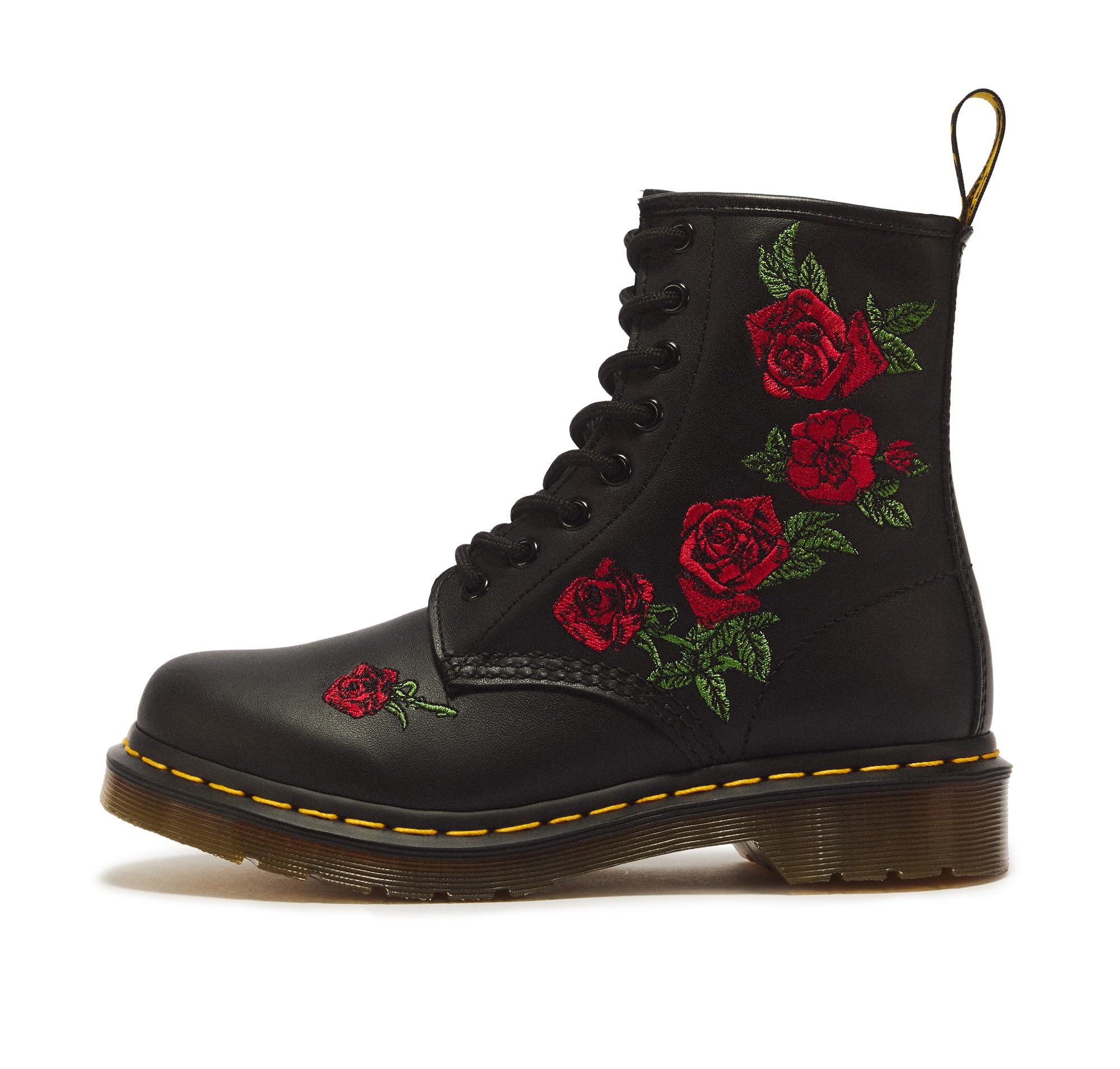
Ankle boots are the easy default for dry forecasts and paved or grassy grounds. They are lighter than taller boots, pack small, and handle heat best in breathable leather or mesh. Their limits show up in mud, where splashes clear the collar, and they offer the least ankle support. For a single day festival, they cover most needs at prices often around $60 to $150.
Waterproof Mid Calf Boots for Wet Grounds
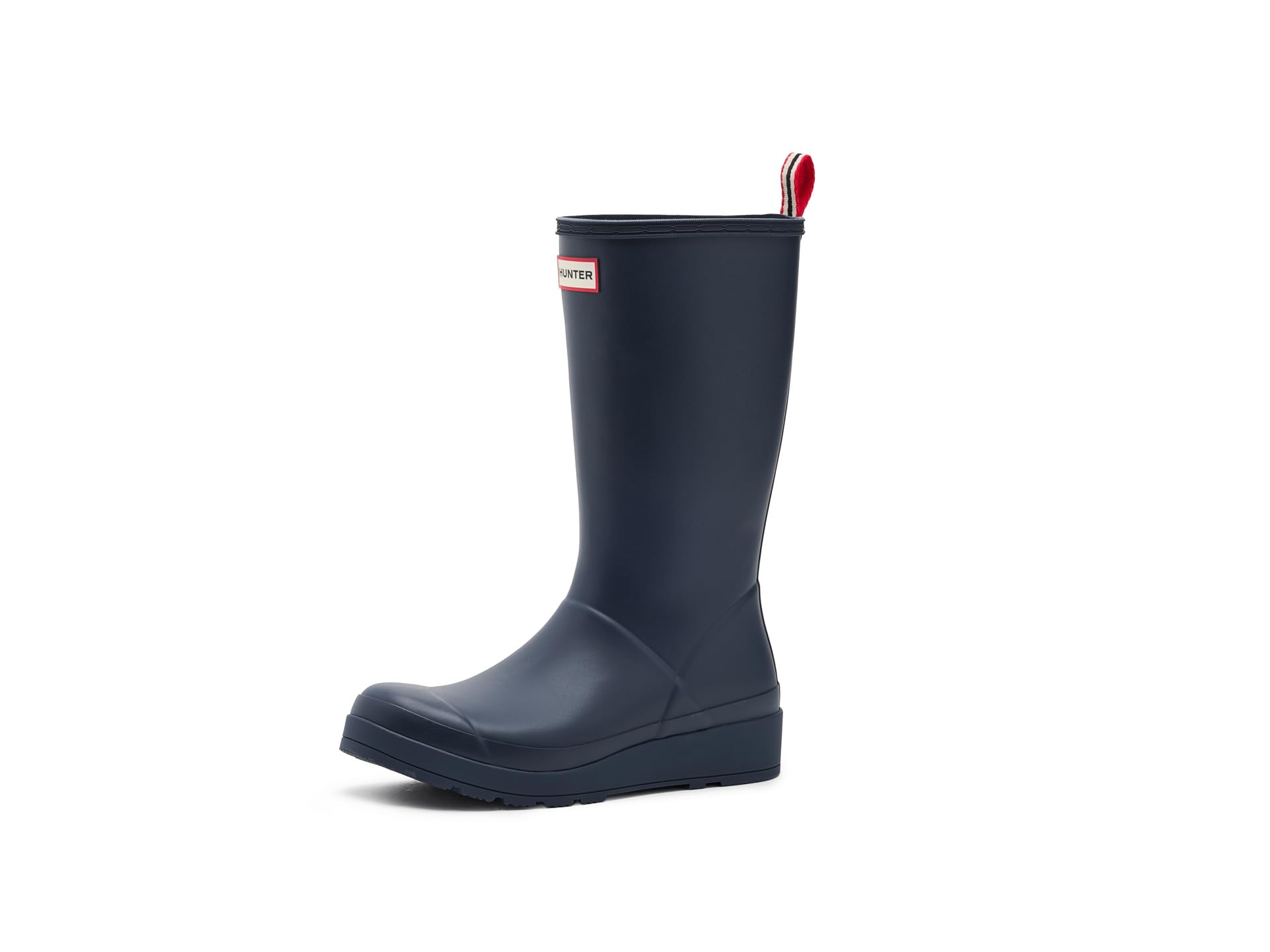
When grounds are known for mud, a waterproof mid calf boot is the safer bet. The taller shaft keeps water and sludge out, sealed seams keep socks dry, and deeper lugs earn their place on slick paths. Expect to pay about $90 to $200. Readers weighing close alternatives may also see our guide to the best festival boots.
Lightweight Hiking Style Boots for Rough Grounds
Some festivals sit on farmland or slopes, with gravel tracks and long walks from parking. Lightweight hiking style boots bring stronger grip, sturdier toe protection and better ankle support to that terrain, while staying far lighter than backpacking boots. At camp, many people change out of them, and our guide to the best sandals for music festivals covers recovery options.
Common Mistakes to Avoid
- Wearing brand new boots at the festival, so stiff uppers raise blisters before the first evening ends.
- Choosing smooth soled fashion boots for grass, so the first shower turns slopes into a slide.
- Buying your exact morning shoe size, so afternoon swelling leaves toes cramped by the walk back.
- Picking waterproof boots for a hot, dry weekend, so trapped heat makes feet sore for no reason.
- Bringing only one pair for a camping weekend, so one soaking leaves wet boots for every remaining day.
- Ignoring the walk from parking or camp, so boots fine for standing fail on rough paths.
Care and Maintenance for Festival Boots
A little care after each day keeps boots comfortable all weekend and for seasons after it. Knock dried mud off before it hardens, and wipe leather clean once home.
- Air dry wet boots away from direct heat, since hot air can crack leather and warp adhesives.
- Stuff damp boots loosely with newspaper to draw moisture out overnight at camp.
- Condition leather uppers once clean and dry, so the material stays supple.
- Rotate two pairs across a multi day festival when you can, giving each pair time to dry.
- Check laces and sole edges before each trip, and replace worn laces before they snap.
- Store boots upright in a dry place with shafts supported, so creases do not weaken them.
Festival Boot Questions Answered
What features matter most in boots for a music festival weekend?
Grip, fit and cushioning matter most, in that order for most people. One point the boot alone cannot fix is sock choice. Merino wool or synthetic socks manage moisture far better than cotton, and a liner sock under a cushioned outer sock cuts friction. Pack a spare pair, because dry socks at dusk can rescue tired feet.
How long is the break in period for new festival boots?
Most festival boots feel comfortable after about 10 to 20 hours of wear spread over several days. Start with short walks, then a full day on your feet, watching for hot spots on the heel and little toe. Leather boots take the longest, while mesh styles often feel fine within two days. Never let the festival itself be the test.
How should festival boots fit for all day standing?
Festival boots should feel secure at the heel, roomy at the toes and free of pressure points across the top of the foot. One check fittings often miss is the downhill test. Walk down a slope in the shop, and your toes should not jam into the front, because grounds and parking walks often slope. Lace the middle eyelets firmly to hold the heel back.
Can I wear festival boots all day at a music festival?
Yes, provided the boots are broken in and the fit is right. Build short sitting breaks into your day, even ten minutes between sets, because seated rest restores your feet far better than standing still does. Loosen laces briefly while you sit to let swelling settle. If pain sharpens rather than easing, or one foot swells much more than the other, stop and rest, and seek medical advice if those signs persist.
How often should I replace boots worn to music festivals?
Replace festival boots when the tread smooths down, the midsole feels flat and harsh, or the upper cracks at the flex points. Before a trip, test them on wet grass near home. If the soles slip on ground they once gripped, retire the pair to dry, paved use only.
Are waterproof boots worth it for an outdoor music festival?
Waterproof boots are worth it when rain is forecast or the site is known for mud, and less worthwhile for a dry, hot weekend. One factor buyers overlook is their clothing. If rain gear channels water down your legs, it can run over the collar and soak socks from above, so taller shafts matter as much as the membrane. For one wet day, waterproof ankle boots plus spare socks balance well.
The Bottom Line
Start with fit measured late in the day, then match grip and waterproofing to your forecast and grounds, and let cushioning carry the long standing hours. Break any new pair in before the gates open and pack dry spare socks. Chosen that way, the best boots for music festivals disappear from your attention, exactly as they should. Compare the finalists in the product table above before you order.


