Best Boots for Muddy Dog Walks in 2026: Which Type Is Right for You?
Disclosure: We may earn a commission when you buy through links on this page, at no extra cost to you. As an Amazon Associate I earn from qualifying purchases. Learn more

Compare rubber, hiking and insulated boots for muddy dog walks, with grip, shaft height, fit and cleaning checks to help you choose with confidence.
Mud turns a simple dog walk into a test of grip and balance, especially when your dog pulls toward a puddle or a wet verge. The best boots for muddy dog walks keep your feet dry, hold on slick ground and come off clean at the door. This guide compares boot types side by side, so you can use the comparison table below with a clear plan.
Start with the route you repeat most days. Note the deepest puddles, the steepest bank and how long you stand on wet grass. Those details point you to the right shaft height and outsole.


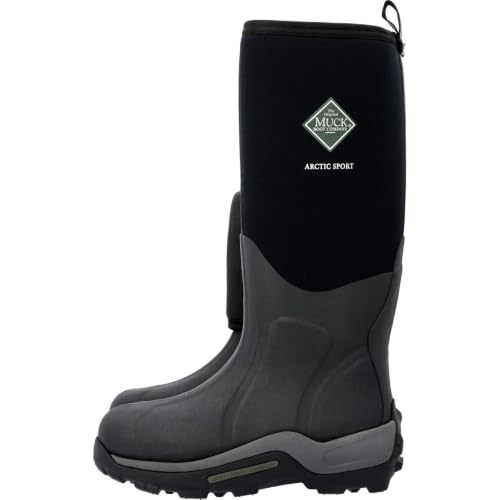


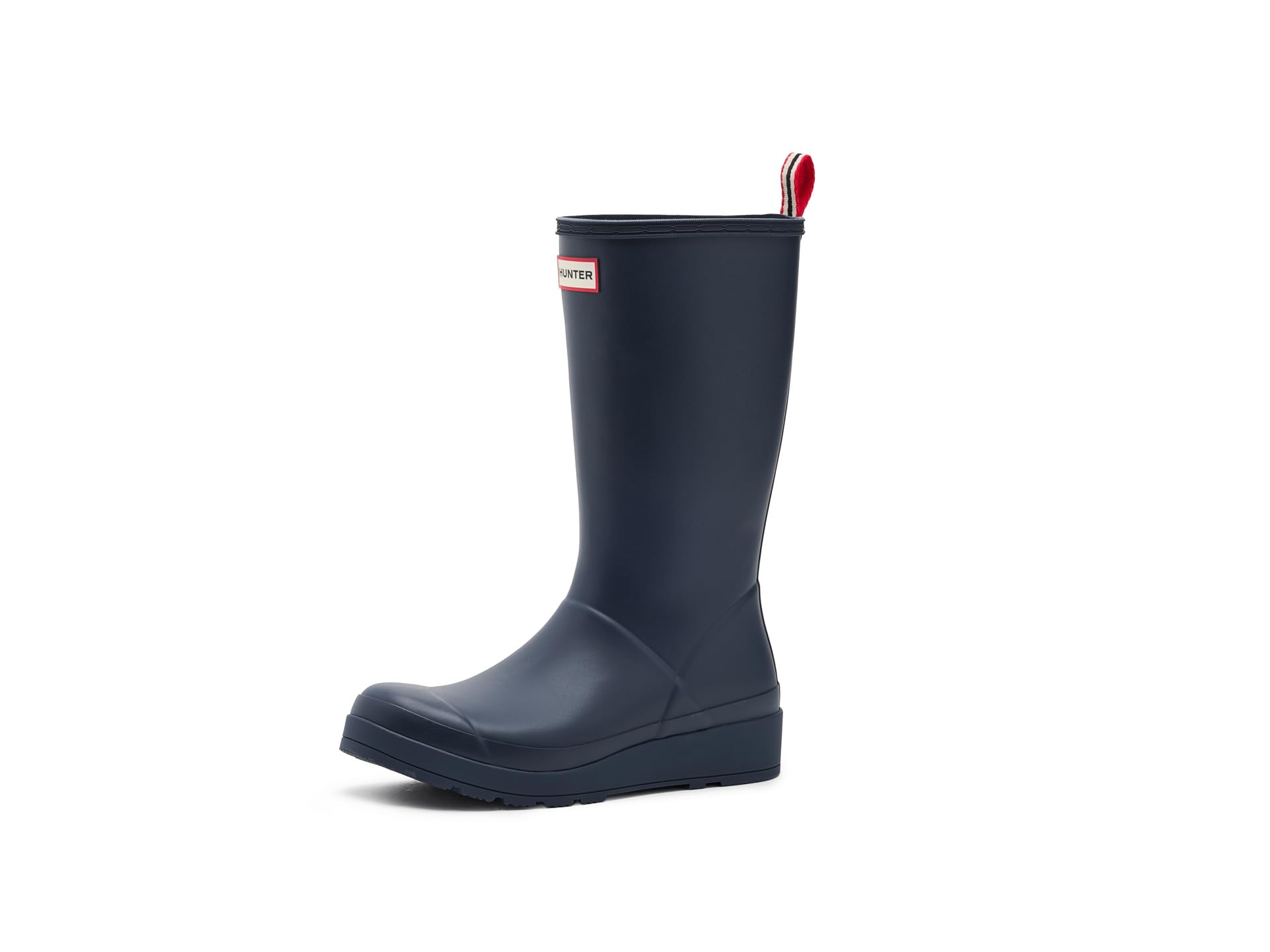
Who Should Buy Boots for Muddy Dog Walks?
Your route and your schedule shape the right choice more than fashion does. Match your group below first, then check the features that group needs most.
Owners Walking Fields and Farm Tracks Daily
You cross rutted paths, gateways and standing water. Choose a tall rubber boot with deep lugs and a shaft that seals around your calf. Pull on entry matters when one hand holds a lead.
Owners on Park Grass and Canal Paths
Your mud is shallower but constant, with wet leaves, slick paving and short steep banks. A lace up waterproof hiking boot gives a closer fit and better ankle control when your dog changes direction. Moderate lugs clear mud on hard paths.
Owners Walking in Cold and Wet Seasons
You walk before dawn and after dark through frost, rain and churned ground. Choose an insulated waterproof boot with room for thick socks and warmth without bulk at the toe. A wider opening helps you get the boot on fast.
Which Boot Style Suits Your Dog Walking Route?
The best boots for muddy dog walks are not a single style, because each type trades dryness, fit and weight in a different way. Compare the four types below against your route, then use price only within the type that fits. Most pairs sit at about $60 to $180.
Rubber Wellington Boots
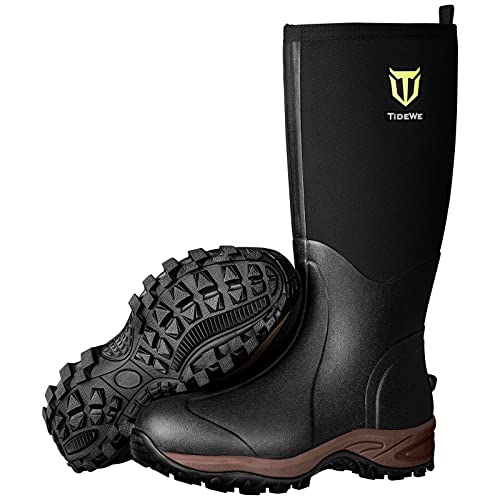
A full rubber boot has no seams below the calf, so puddles and liquid mud cannot seep in at a stitch line. It is the easiest type to hose clean. The fit is looser than a lace up boot, so your heel may lift on long walks.
Waterproof Hiking Boots
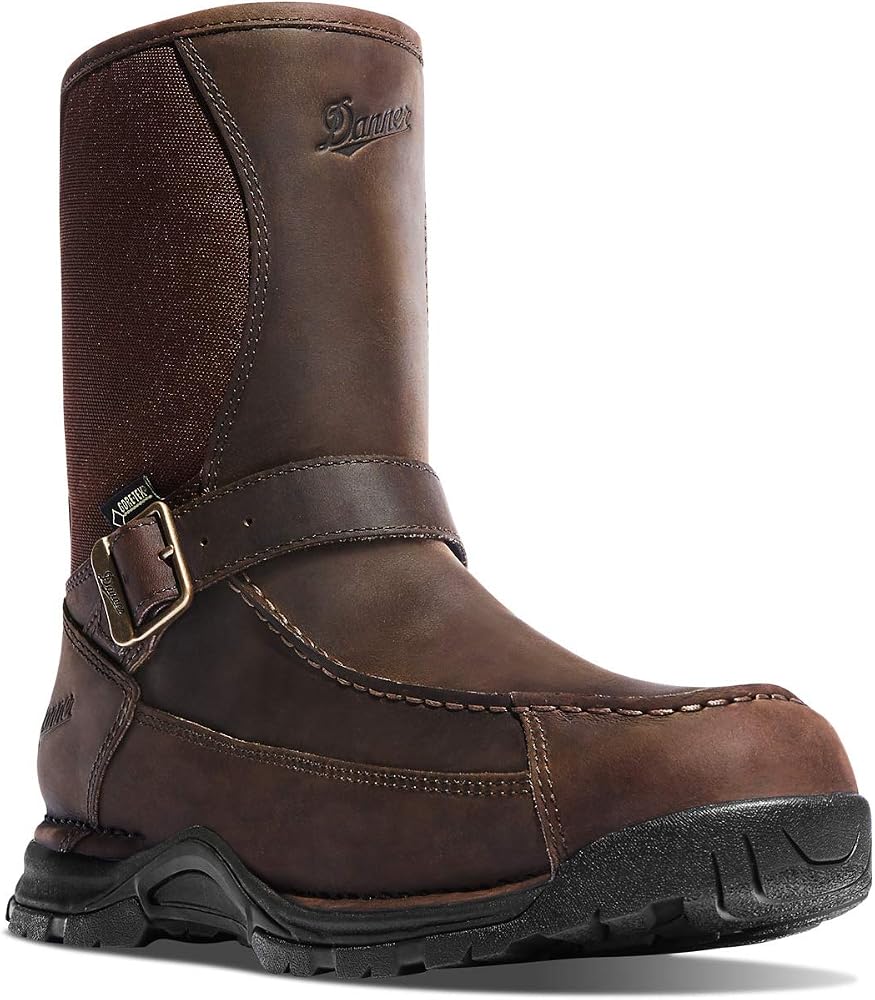
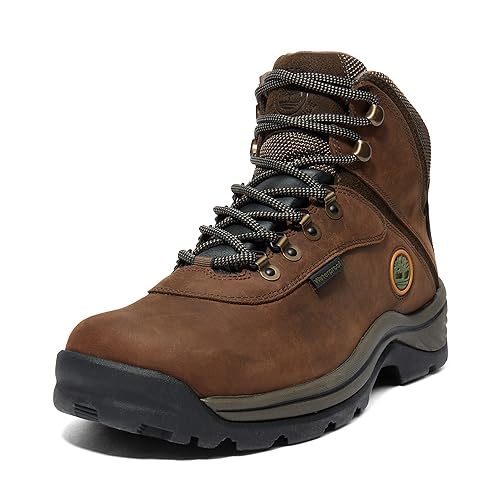
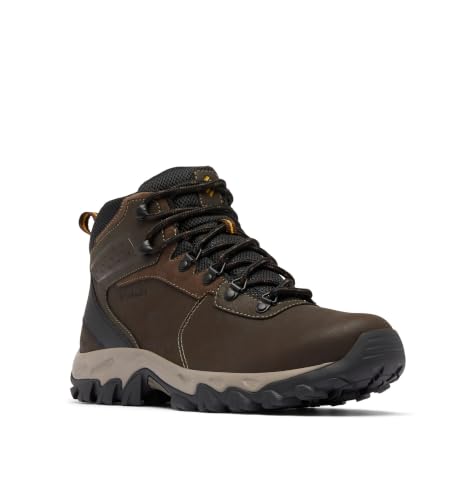
These boots use a leather or fabric upper with a waterproof membrane, a shaped footbed and a firmer outsole. They suit longer routes with hills, roots and uneven verges, where fit and stability matter as much as dryness. They cost more and can leak at the tongue if you wade past the ankle.
Short Ankle Mud Boots
A short rubber or neoprene ankle boot covers the foot and ankle only, so it feels lighter and cooler than a tall boot. It suits garden laps and short park loops. It fails when puddles pass the ankle or mud splashes over the opening, so save it for shallow routes.
Insulated Winter Dog Walking Boots
These tall boots add a warm lining, often neoprene or fleece, inside a waterproof outer. They keep feet warm during slow stops on cold ground. They can feel too warm from spring onward and take longer to dry after a soaking.
Key Features to Compare
Use the same order for every pair, so a low price cannot hide weak grip or a short shaft.
Outsole Grip and Mud Shedding Lugs
The outsole is your only contact with slick ground, so look for deep, widely spaced lugs of about 4 to 6 mm that bite into soft mud and shed it as you lift your foot. Tight, shallow tread packs with mud and slides on wet grass. Wide spacing matters more than lug count, because packed mud removes the grip the lugs were meant to give.
Waterproofing, Shaft Height and Membranes
Full rubber and neoprene shafts block water up to the top of the boot, which is why height matters: a shaft of about 12 to 16 inches covers most puddles and splashes. Membrane boots, including Gore Tex linings, block rain and shallow water while letting some sweat vapor escape, so they feel more breathable on long walks. Choose shaft height from your deepest regular puddle, plus a margin for splash.
Fit, Toe Box and Arch Support
Fit your boots late in the day, when your feet are at their largest, and wear the socks you walk in. Leave thumb width of space ahead of your longest toe, because feet slide forward on muddy descents and toes that strike the front will bruise. The toe box should let your toes spread for balance, while the heel stays held without rubbing. Flat rubber boots often need an added insole for arch support.
Stability and Cushioning on Uneven Ground
Stability comes from a firm heel cup, a midsole that resists twisting and an upper that holds your ankle when a verge gives way. Cushioning softens hard paths between muddy stretches, and a moderately cushioned midsole suits most daily routes of one to three miles. Very soft soles can feel unstable in ruts, so choose firm support if your dog is strong and your ground is rough.
Weight, Cleaning and Drying Speed
You may walk five to fourteen miles a week in these boots, so extra weight shows by the last walk of the day, yet the lightest option is rarely the driest. Smooth rubber rinses clean in seconds, while fabric uppers hold mud in the weave and need brushing once dry. Removable insoles speed drying and cut odor.
How to Fit and Break In Boots for Muddy Dog Walks
Measure both feet while standing, because one foot is often longer. Walk a few downhill steps in the shop and check that your heel lifts only slightly. Wear a new pair on two or three short walks near home first, adding distance over a week.
Expect a sound pair to serve several wet seasons. Judge wear by lug depth at the heel, cracks at the flex point and leaks at seams. A smooth outsole is due for replacement even if the upper looks fine.
Common Mistakes to Avoid
Small buying errors matter more in mud, because you repeat these walks every day.
- Choosing a shaft shorter than your deepest puddle lets water pour in at the top and soaks your socks for the whole walk.
- Buying shallow fashion tread leaves you sliding on wet grass the first time your dog pulls sideways.
- Sizing down for a neat look crushes your toes on descents and causes bruised nails within a few walks.
- Wearing cotton socks inside waterproof boots holds sweat against your skin and makes your feet feel colder.
- Drying soaked boots on a radiator cracks rubber and leather and warps the shape you paid for.
- Judging grip on a dry shop floor tells you nothing about mud, because packed tread only fails once it fills with soil.
Care and Maintenance of Boots for Muddy Dog Walks
Rinse mud off with plain water soon after each walk. Stand tall boots upright with newspaper inside so air can move, and dry them at room temperature away from direct heat. Pull the insoles out so the footbed dries fully.
Once a month, check lugs, flex points and seams. Condition leather uppers after cleaning so the surface sheds water and resists cracking, and store rubber boots out of strong sun. Keep pairs upright in a ventilated spot, never sealed in a bag while damp.
FAQ
What features matter most in boots for muddy dog walks?
Grip, shaft height and waterproofing matter most, in that order for most routes. For a short park loop, grip alone may settle the choice, because shallow mud rarely tests shaft height. For field routes, rank shaft height first, since one deep gateway puddle can end the walk in wet socks.
How should boots for muddy dog walks fit at the toe and heel?
Boots for muddy dog walks should hold the heel firmly while leaving clear space ahead of your toes. Test the fit on a ramp or a downward slope, because level floors hide forward slide. If your heel rubs on a short test walk, change size or style rather than hoping thick socks will fix it.
Do I need waterproof boots for muddy dog walks in summer?
Yes, you still need waterproof boots for muddy dog walks in summer if your route crosses wet grass or puddles. Summer mud is thinner but soaks fabric uppers faster. Choose a shorter, uninsulated pair for warm months so your feet stay dry without overheating, and rotate it with your tall winter pair.
How long does the break in period last for leather dog walking boots?
The break in period for leather dog walking boots usually lasts about one to two weeks of short daily walks. Start with walks of about twenty minutes close to home. Full rubber boots need almost no break in, but their looser fit can rub at the calf until you adjust your socks.
How often should I replace boots for muddy dog walks?
Replace boots for muddy dog walks when grip, waterproofing or support fails, not on a fixed schedule. Press a damp tissue inside a suspect boot after a wet walk to find a leak at a seam or flex point. Smooth lugs at the outer heel warn you early, because that edge bites first when you brake downhill.
The Bottom Line
Choose the type that matches your route first, then check grip, shaft height and fit in that order. A tall rubber boot wins on flooded fields, a lace up waterproof boot wins on long uneven routes. Use the product table above to compare height, weight and price.
When you judge best boots for muddy dog walks by your own puddles, slopes and daily miles, the right pair stays dry, grips without packing with mud and feels easy to pull on at every walk.