Best Boots for Mud and Water in 2026: A Practical Buying Guide
Disclosure: We may earn a commission when you buy through links on this page, at no extra cost to you. As an Amazon Associate I earn from qualifying purchases. Learn more

Compare the best boots for mud and water by shaft height, lug depth, and sealing, with fit, care, and price guidance for yard, farm, and trail use.
Mud and standing water ruin ordinary footwear fast: seams soak through, soles pack solid with clay, and a short shaft lets the first deep puddle pour straight in. Choosing the best boots for mud and water starts with two questions: how deep is the wet ground you cross, and how long do you stay in it at a time? This guide walks through shaft heights, lug patterns, and sealing methods so you can match a boot class to your yard, farm, or trail, and the comparison table below sums up the main classes side by side.



Price Bands: What Each Spending Level Buys
Price in this category mostly buys sealing quality, insulation, and seasons of life. The three bands below cover the realistic range.
Entry Level Boots, About $40 to $80
Basic rubber ankle and mid calf boots live in this band. They seal well when new, but liners are thin, footbeds are flat, and the rubber is usually thin and uninsulated. They suit gardens, dog walks, and occasional wet chores. Expect about one to two seasons of regular use before flex points start to crack.
Midrange Boots, About $80 to $140
This band adds shaped footbeds, warmer neoprene or insulated rubber builds, and stronger sole bonds. Readers shopping best work boots for mud and water usually land here, because sealed seams and a supportive shank hold up to daily chores without the premium price. Most buyers who wear boots several times a week get their best value in this range.
Premium Boots, About $140 to $220
Premium pairs use thicker rubber, better insulating liners, and replaceable insoles, and they often carry longer warranties. Leather and membrane builds also appear here for buyers who want a boot that breathes during long wear. If your boots go on daily for farm or site work, the cost spreads across far more outings.
How to Choose the Right Boots for Wet Ground
The factors below explain how the best boots for mud and water differ from ordinary rain footwear, and which specs matter first.
Shaft Height and the Waterline
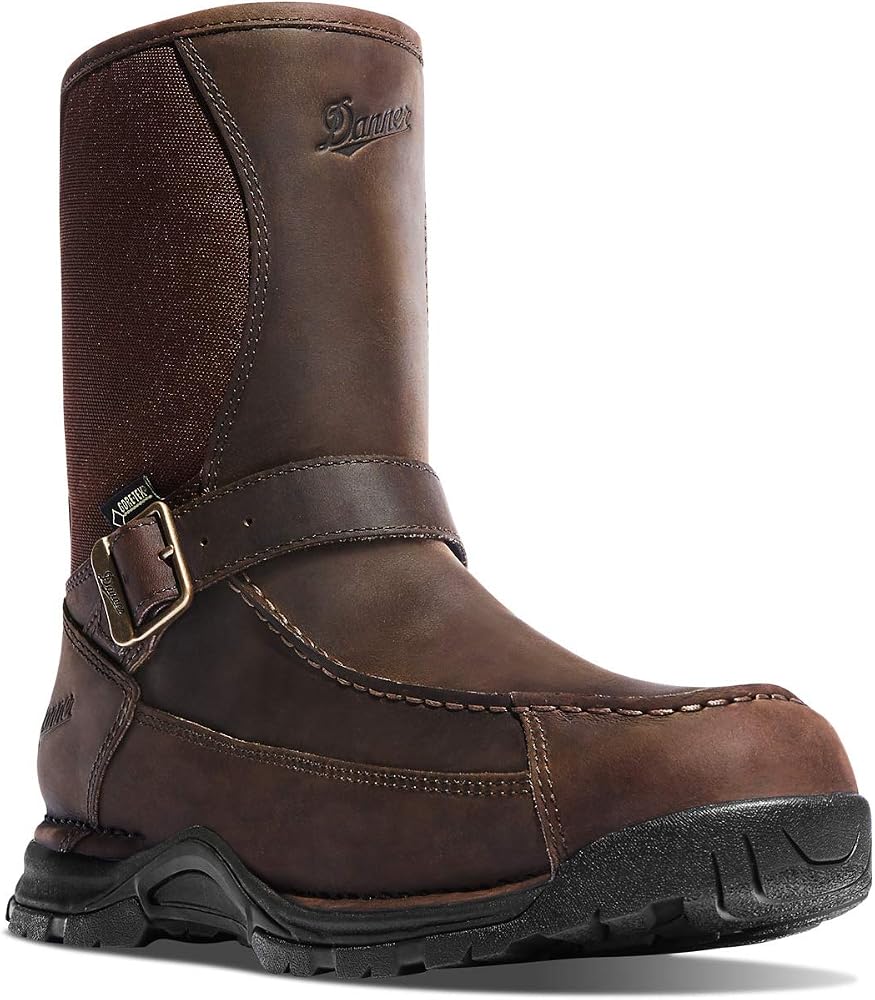
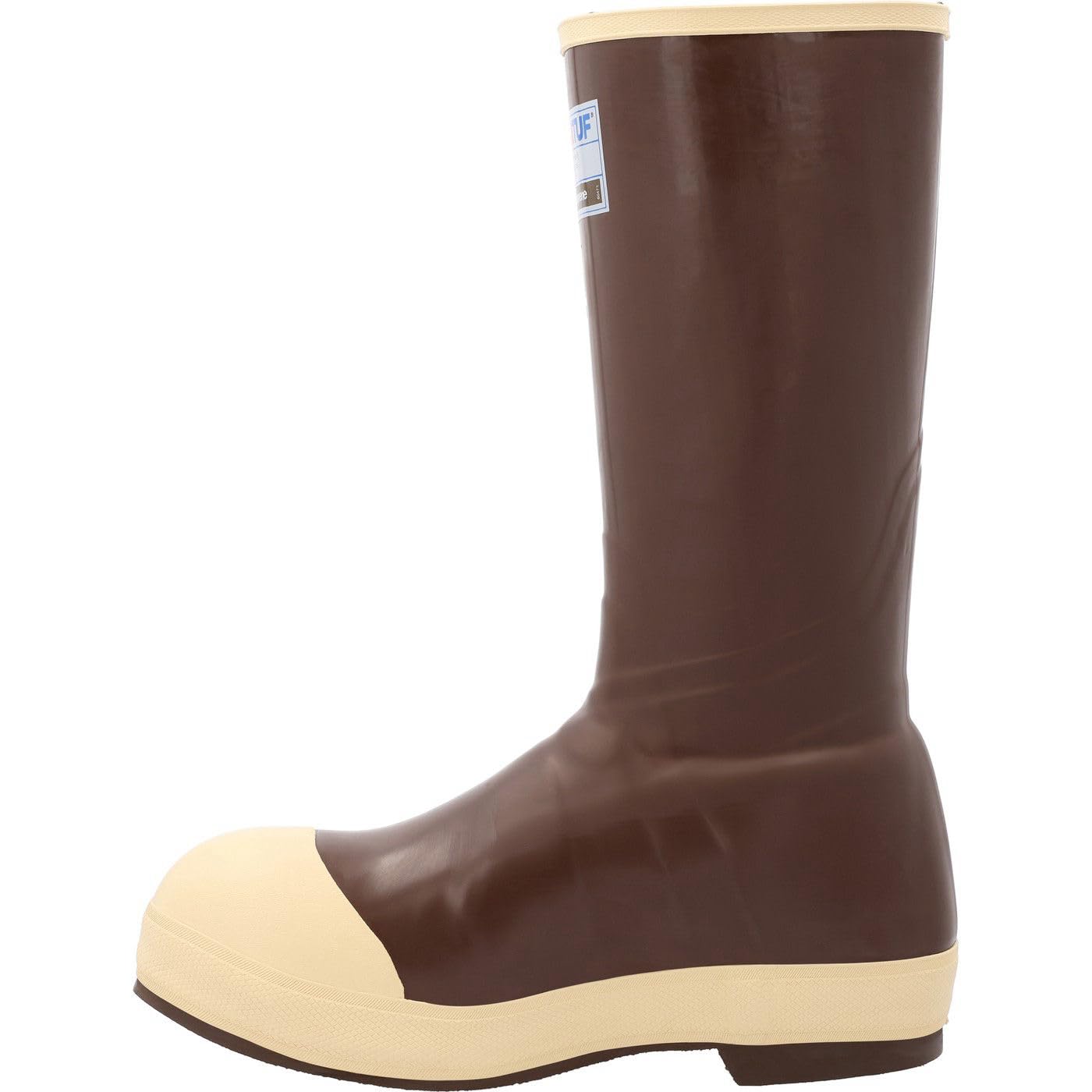
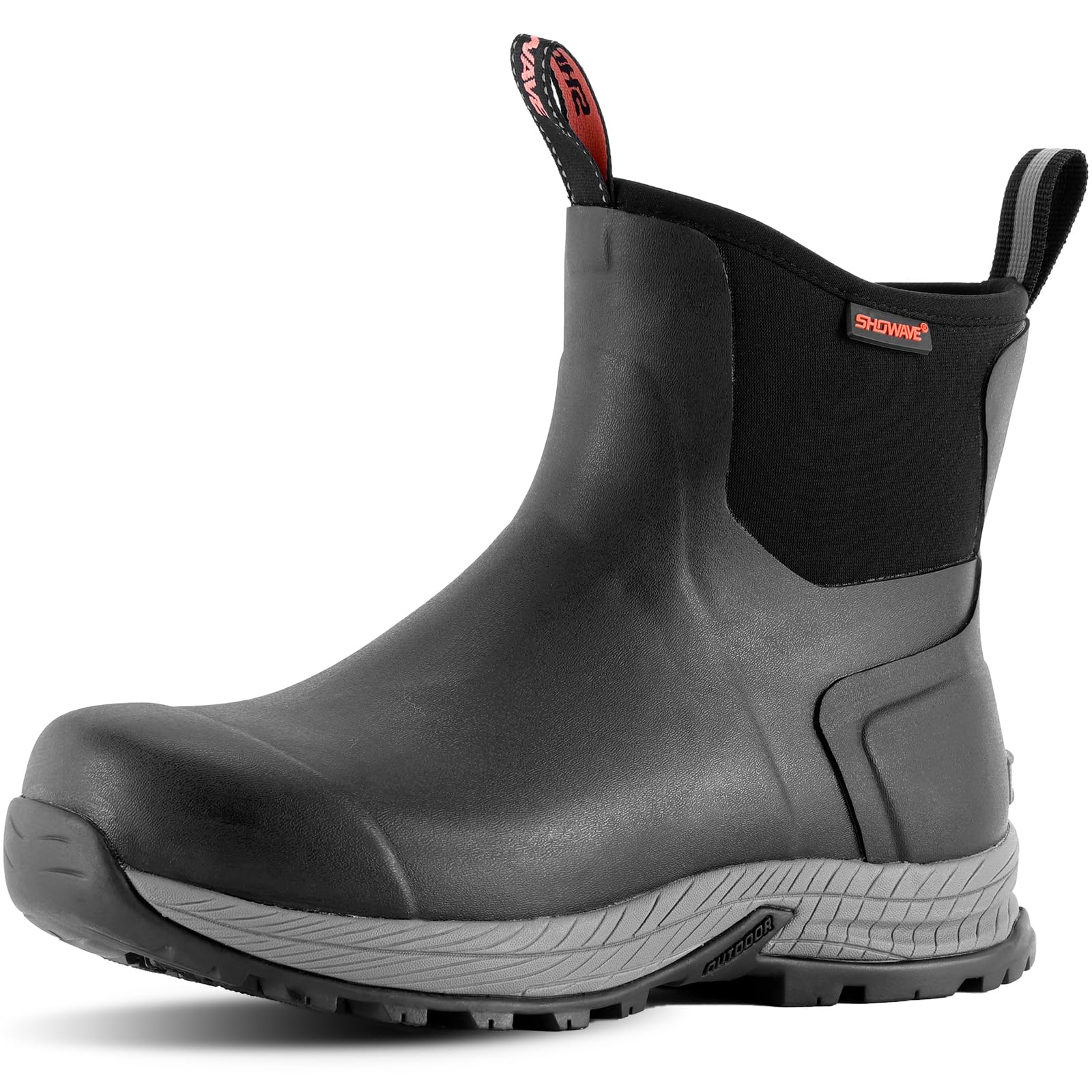
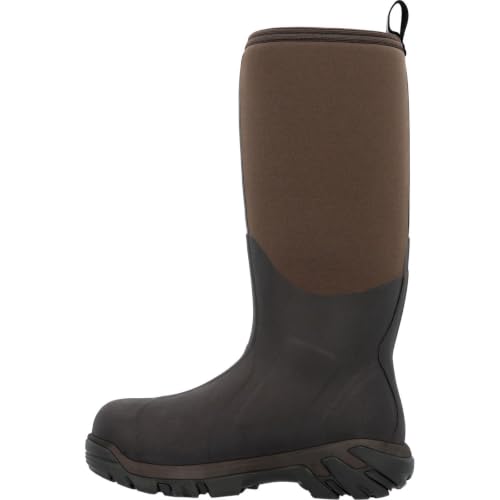
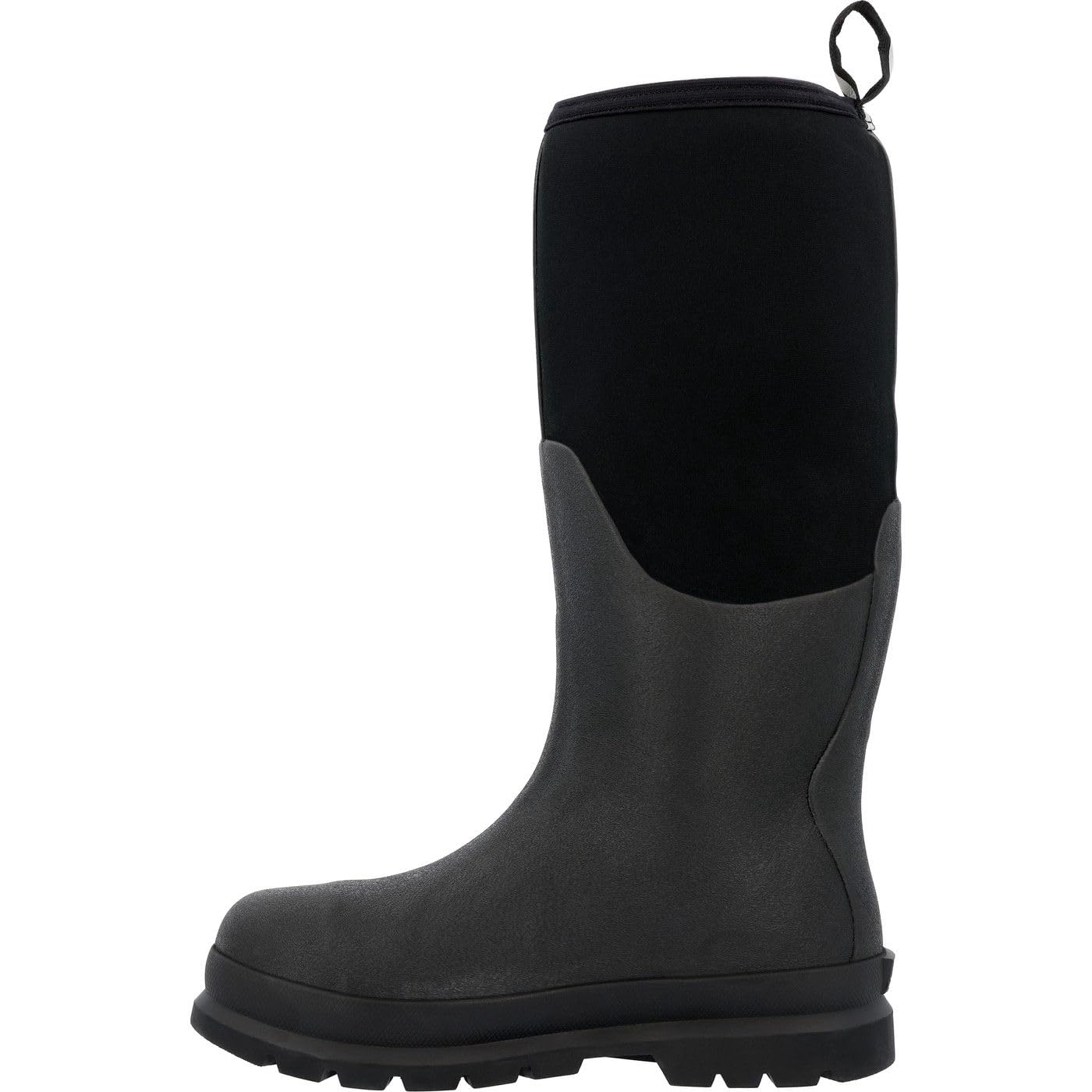
Waterproofing only holds up to the top of the sealed lining, so shaft height is really a depth rating for your day. Ankle boots around 5 to 6 inches handle wet grass and shallow puddles, while mid calf boots around 10 to 12 inches cover most mud, barnyard work, and stream edges. Tall boots around 14 to 16 inches, built from rubber past the ankle, form the true wading class for deep mud and flooded ground. Guides to best water boots use the same waterline logic, because the moment water tops the shaft, no membrane can help you.
Lug Depth and Mud Release
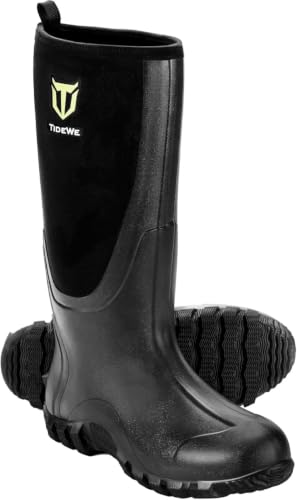
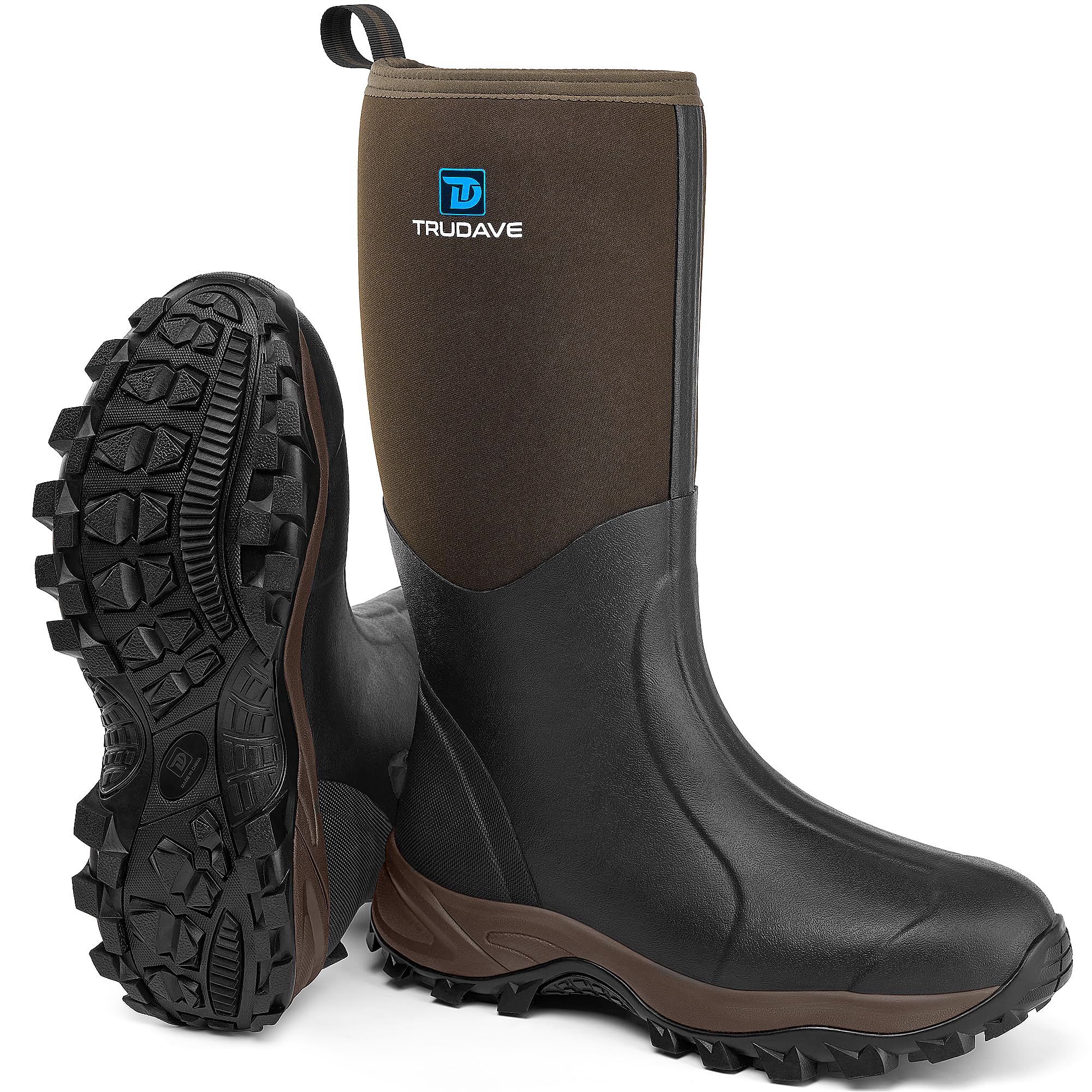
Traction in mud comes from lugs that bite, then let go of the clay. Deep lugs of about 5 to 8 millimeters, set widely apart and angled at the edges, dig into soft ground and shed mud as you walk. Shallow or tightly packed lugs fill with clay within a few steps and turn the sole into a smooth, skating surface. If your ground is greasy clay rather than loose soil, lug spacing matters even more than lug depth, so compare the gaps between lugs, not just their height.
Upper Materials: Rubber, Neoprene, and Leather
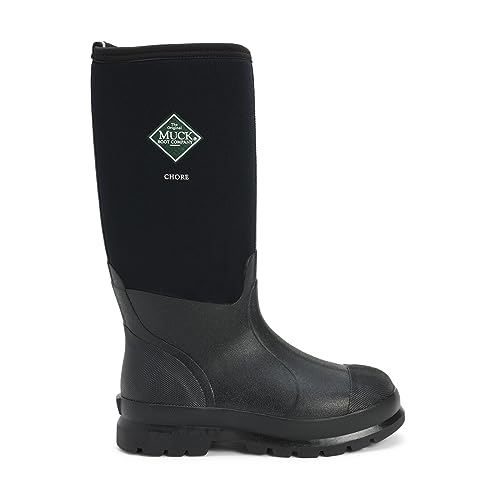
Full rubber uppers are completely sealed and hose clean in seconds, but they trap sweat on warm days. Neoprene uppers flex with your calf, add insulation against cold water, and resist cracking at bend points. Leather uppers paired with a waterproof membrane breathe best of the three, which helps during long wear, yet their stitched seams are the weak point in deep mud. Pick the material by your longest wet session, not your shortest.
Fit, Sizing, and Toe Room
Try boots on with the thickest socks you plan to wear, and leave room for toes to spread, because swollen feet in a tight boot go cold faster. Measure your calf at its widest point and compare it with the shaft opening, especially on tall boots worn over work trousers. Tall rubber boots often allow some heel lift as you walk, which is normal, but the forefoot should stay put. An added cushioned insole fixes mild looseness better than sizing down into a cramped toe box.
Waterproof Membranes and Their Limits
Membrane boots use a sealed inner lining inside a leather or fabric upper, which breathes better than rubber. The limit is the gusset behind the laces: once water passes the top of that gusset, the lining fills like any shoe. A step down, best water resistant boots shed light rain and splashes through a surface coating, but they soak through in standing water. For real mud and puddles, treat water resistance as a fair weather feature, not a substitute for a sealed boot.
Break In and All Day Comfort
Rubber and neoprene boots need almost no break in, since the shafts flex from the first wear. Leather membrane boots usually need about a week of short wears before the ankle area relaxes. Comfort over a full day depends more on the footbed than the upper, so check whether the insole is cushioned and removable. A removable insole also lets you swap in a warmer or more supportive one as seasons change.
Types of Boots for Mud and Water
If you want the short version, our guide to best mud boots sorts the same three classes by depth of ground.
Short Ankle Boots
Ankle height boots slip on fast and suit wet grass, gardens, and quick trips across a muddy yard. They are the lightest class and the easiest to store by a door. Their limit is obvious: any puddle or mud deeper than the ankle pours in, so they belong on ground you already know.
Mid Calf Rubber Boots
The mid calf class is the all rounder of this category, covering most mud, muck, and shallow water while staying easy to walk in. Insulated versions handle cold barnyards and winter slush as well. For buyers who can only own one pair, this is usually the class to pick.
Tall Boots for Deep Mud and Wading
Tall boots protect to just below the knee and are built for flooded fields, deep barnyard muck, and wading along soft banks. They weigh the most and feel warm in summer, but nothing else keeps deep water out. Choose this class when your ground regularly hides the top of a mid calf boot.
How to Make Your Boots Last Longer
Cleaning is where this category is won or lost. Rinse mud off with a hose on the same day, before clay dries into the seams and tread, because dried mud pulls moisture from leather and cracks rubber over time. That hose off habit governs chore ease as well as lifespan: a boot that rinses clean in seconds is a boot you will actually maintain. Then follow a few simple rules.
- Air dry boots at room temperature away from direct heat, which warps sole bonds and stiffens rubber.
- Store boots upright and out of sunlight, since sun exposure cracks rubber shafts faster than wear does.
- Check seams, sole bonds, and flex points each season for peeling or early cracks.
- Condition leather uppers after wet weeks so the surface keeps shedding water.
- Rotate two pairs if you wear boots daily, giving each pair a full day to dry inside.
Boots: Your Questions Answered
What features matter most in boots for mud and water?
The features that matter most are shaft height matched to your water depth, lugs that shed mud instead of packing with it, and a fully sealed upper. One detail buyers often miss is removal: a pull tab at the back or a small heel kick makes a heavy, mud coated boot far easier to get off at the door. Weight matters too, because a boot carrying a layer of clay feels much heavier by the end of a chore.
How should boots for mud and water fit?
Boots for mud and water should fit snugly at the forefoot with room for thick socks and a finger of space at the calf opening. If you fall between sizes, choose the larger size and add a cushioned insole, because a slightly loose boot stays comfortable while a tight one chills your feet. Try them late in the day, when your feet are at their largest, and walk on a slope if you can, since downhill steps reveal heel lift fastest.
How long is the break in period for rubber boots?
The break in period for rubber boots is very short, usually one or two wears, because the shaft and sole flex easily from the start. Neoprene boots feel broken in almost immediately. Leather membrane boots take longer, about a week of short outings. If a tall rubber boot rubs your calf on the first wears, a strip of athletic tape on the skin or taller socks solves it while the edge softens.
How often should I replace boots for mud and water?
Replace boots for mud and water when cracks open at the flex points, the sole bond starts to peel, or water begins seeping through the upper. With heavy weekly use, that point often arrives after about two to four seasons. Entry level rubber boots wear out sooner, while premium pairs with replaceable insoles last longer. A boot that leaks at the ankle bend is finished, because patches on a flex point rarely hold.
Are expensive boots for mud and water worth it?
Expensive boots for mud and water are worth it when you wear them weekly, because the cost per season drops as the boot survives longer. Premium pairs buy thicker rubber, warmer liners, and soles that stay bonded through years of flexing. For a few garden outings each spring, an entry level pair does the same job for far less. Match the spending to your wearing frequency, not to the deepest puddle you can imagine.
Wrapping Up
Three checks sort this category quickly: match the shaft height to your deepest water, look for lugs that shed mud instead of packing with it, and choose an upper material that fits your longest wet session. Do those three things and the best boots for mud and water for your ground will be easy to spot. Compare your shortlist against the product table above, and pick the class that fits the work you actually do.