Best Boots for Mud and Rain in 2026: A Buying Guide for Wet Ground
Disclosure: We may earn a commission when you buy through links on this page, at no extra cost to you. As an Amazon Associate I earn from qualifying purchases. Learn more

Find boots for mud and rain that stay dry and grip on slick ground, with clear guidance on shaft height, lug depth, fit, materials and care tips.
Wet ground punishes the wrong boots fast. Water slips over a low top, smooth soles skate on slick clay, and damp socks turn a short job miserable. The best boots for mud and rain keep water out, grip ground that shifts underfoot, and rinse clean at home. This guide explains height, materials, lugs and fit so you can read the comparison table below with clear priorities.
Start with the deepest water and softest ground you face in a normal week, not the worst flood you can imagine. Most buyers need protection for puddles, wet grass, muddy paths and soaked yards.




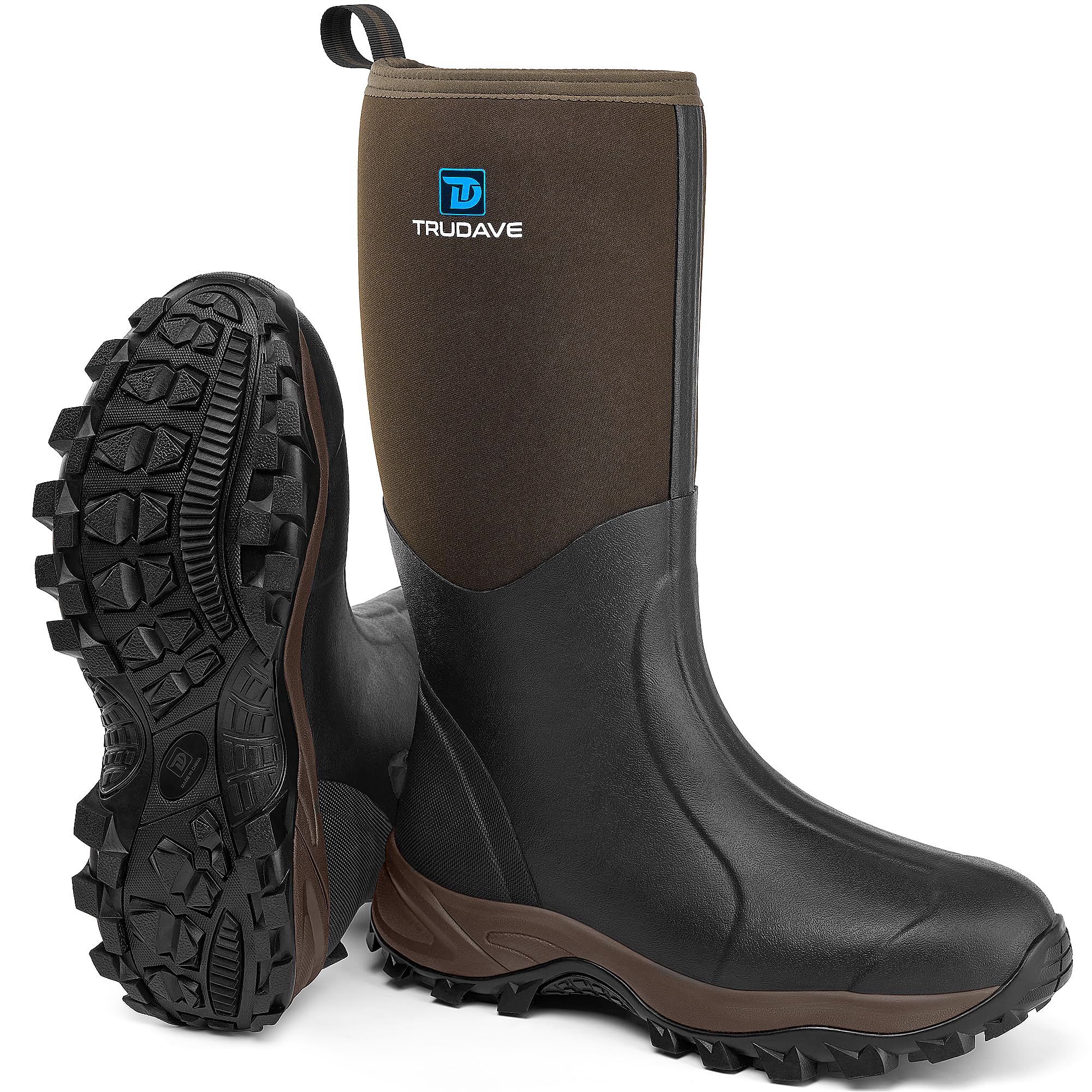
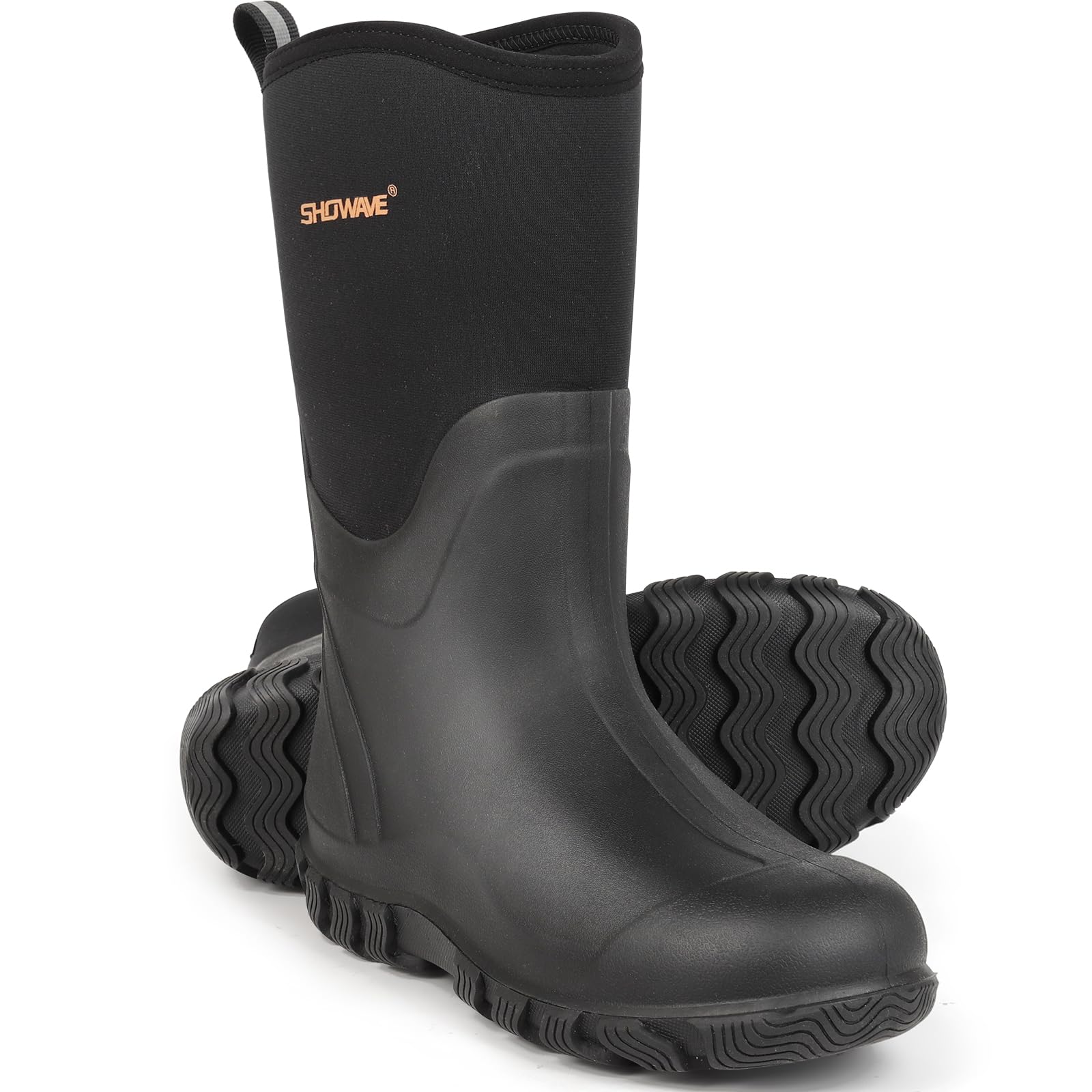

Who Should Buy Boots for Mud and Rain?
Your usual ground decides more than style does. A gardener in wet soil, a worker crossing a muddy yard and a walker on soft trails need different heights, weights and support.
Gardeners and Yard Workers in Soft Wet Soil
You step in and out of beds and stand in puddles while you work. Choose rubber or neoprene boots that rise to mid calf or the knee, with room at the top for your trousers. Deep lugs with wide gaps shed soil as you walk, and an upper with no laces gives mud fewer places to cling.
Dog Walkers and Walkers on Muddy Paths
You cover distance on grass, gravel and clay paths that turn slick after rain. Choose a lighter waterproof boot with laces you can tighten for a secure heel. Look for cushioning and a toe box that lets your toes spread on uneven ground.
Farm, Stable and Outdoor Workers on Their Feet All Day
You stand and walk on concrete, packed earth and deep mud in one shift. Choose a sturdy boot with a firm shank, strong arch support and a wide sole that does not twist easily. A gusset at the top helps keep grit out.
Key Features to Compare
When you shop for best boots for mud and rain, work through these factors in order.
Shaft Height and Protection From Water Entry
Shaft height runs from the sole to the top of the boot, and it sets the deepest puddle you can cross without water spilling in. Ankle boots at about 6 to 8 inches suit wet streets and light yard work. Mid calf boots at about 10 to 12 inches handle muddy gardens, while boots at about 14 to 16 inches suit deep mud.
Waterproof Materials, Seams and Membranes
Rubber and neoprene uppers block water completely and rinse clean, which suits constant mud, but they let very little air through and can feel warm. Leather and synthetic boots often use a waterproof membrane inside, which lets some vapor escape and feels better on long walks, though seams and lace holes need sound construction to stay dry.
Lug Depth and Traction That Sheds Mud
Lugs are the raised blocks on the outsole that bite into soft ground. For mud, look for lugs about 4 to 6 mm deep with wide spaces between them, because tight, shallow patterns pack with clay and turn smooth within a few steps. Angled edges and open channels help the sole clear mud as it flexes.
Fit, Toe Box and Calf Room With Thick Socks
Measure your feet late in the day while wearing the socks you plan to use outdoors, because feet swell slightly and thick socks change the size you need. Leave clear space beyond your longest toe so your toes do not strike the front on slopes. The heel should stay put when you lift your foot, since suction from deep mud pulls a loose boot off. On tall boots, choose a wider calf or an adjustable gusset if the top presses or gaps.
Cushioning, Arch Support and Stability on Uneven Ground
Mud hides ruts and stones, so your boots need to steady each step as well as soften it. A firm midsole with moderate cushioning protects the ball of the foot on gravel without feeling wobbly on soft soil. Built in arch support matters most if you stand for long stretches, while a wide outsole and a low heel reduce the chance of rolling an ankle in a rut.
Weight, Insulation and Warmth in Wet Weather
Tall rubber and neoprene boots are often the heaviest option, and that weight shows on long walks once mud clings to the soles. Insulated linings and thicker neoprene, often about 3 to 5 mm, help in cold rain but feel hot in summer storms. Uninsulated membrane boots run lighter and cooler for mild weather.
Types of Boots for Mud and Rain Compared
Three broad types cover most wet ground needs.
Rubber and Neoprene Boots That Rise to the Knee
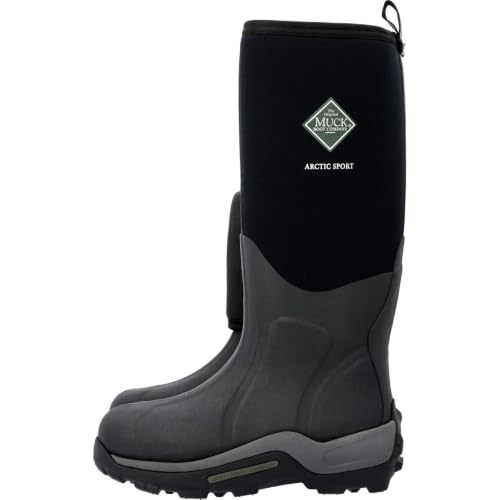
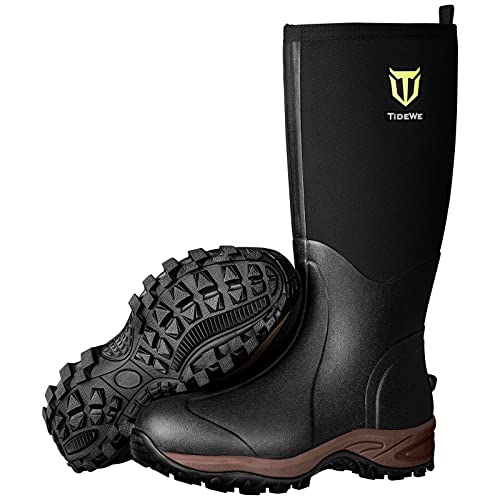
These pull on boots give the most complete protection for gardens, farms, stables and flooded paths, and they usually cost about $40 to $90. Mud rinses off in seconds. The trade offs are weight, limited ankle support and warm feet in mild weather. Women who want this style can see our guide to the best women's rain boots for mud for notes on narrower calves and smaller sizes.
Short Waterproof Boots for Yards, Streets and Errands
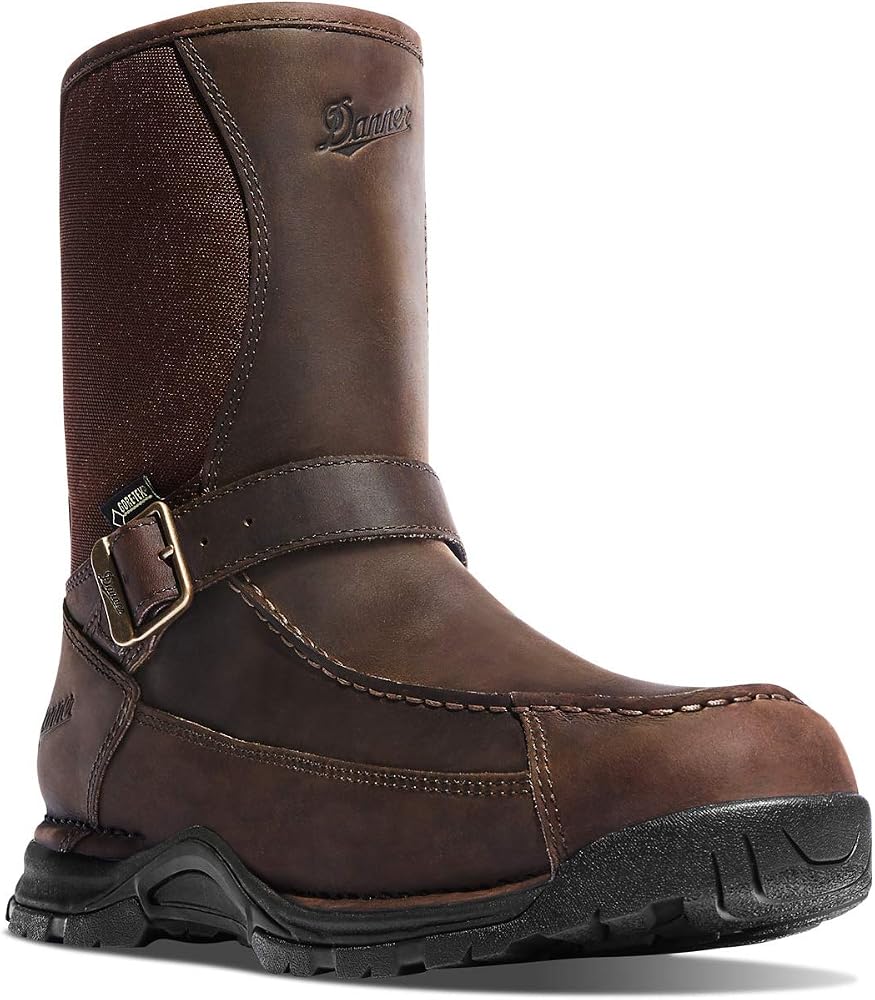
Ankle and mid calf boots in rubber, leather or synthetic materials suit wet lawns, commuting and light chores, and they usually cost about $60 to $120. Their limit is simple: a deep puddle that rises past the top will pour straight in. Readers who decide they need the taller dedicated category can also see our guide to the best mud boots before choosing.
Waterproof Boots With Laces for Walking and Work
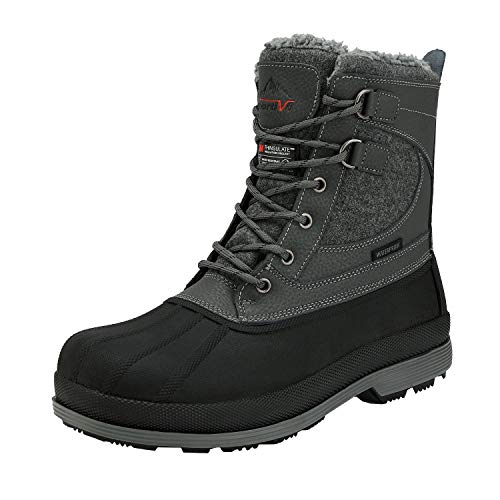
Lace up boots with a waterproof membrane give the closest fit, the best ankle support and the most natural walking feel, and they usually cost about $100 to $200. They suit long dog walks, countryside paths and outdoor jobs where you move more than you stand. Tongue seams are the first places to check if dampness appears. Men who favor this style can see our guide to the best rain boots for men for fit notes on wider feet and larger sizes.
Common Mistakes to Avoid
Most wet boot regrets come from a few repeat errors at the buying stage.
- Buying a shaft that is too short for your usual puddles lets water pour over the top on the first deep step.
- Choosing smooth or shallow soles for clay leaves you sliding once packed mud turns the outsole flat and slick.
- Sizing boots with thin indoor socks makes them painfully tight once you add thick outdoor socks.
- Trusting a water resistant label for standing water leads to soaked feet, because that rating sheds showers rather than submersion.
- Leaving mud caked on leather and seams dries the material out and shortens the life of the waterproof layer.
- Wearing tall insulated boots for summer rain overheats your feet and makes you avoid using the boots at all.
Care and Maintenance for Boots Used in Mud and Rain
Rinse mud off with plain water soon after you come in, while it is still soft, and use a soft brush to clear lugs and seams.
Dry boots upright at room temperature, away from radiators and direct heat, with tops open and insoles removed. Heat can crack rubber and warp leather, so patience protects the boots better than speed. Leather styles benefit from a conditioner once fully dry.
Store tall boots upright with a boot tree or rolled towel inside so the shaft does not fold and crease. Check soles, seams and lace eyelets each month in wet season, and replace boots when lugs wear smooth or cracks appear at flex points.
FAQ
What shaft height do boots for mud and rain need for flooded garden paths?
For flooded garden paths, choose a shaft that sits at least two inches above the deepest standing water you cross. Note where mud splashes land on your current footwear, then buy a boot whose top sits above that line.
Should boots for mud and rain be bought in a larger size for winter socks?
Not always, because tall rubber boots often allow room for thick socks while lace up styles run closer to normal shoe size. Try the exact sock and insole combination you plan to wear, and judge fit by heel hold as much as toe space. If your heel lifts while your toes feel crowded, a different calf width beats a full size up.
How can I stop boots for mud and rain from being pulled off in deep mud?
A secure heel fit and a shaft that sits snugly at the calf are your main defenses against suction. Lace up styles let you tighten the ankle area, while pull on styles rely on correct calf sizing. Shorter steps, with your foot lifted straight up rather than dragged forward, also reduce the pull on each step through sticky soil.
Can boots for mud and rain be worn for a full shift on concrete floors?
Yes, some can, but choose a work style with a cushioned insole, a firm shank and a flatter, wider sole rather than the deepest lugged farm pattern. Many workers save the tall pair for outdoor tasks.
How long should waterproof boots for muddy ground last with regular use?
With regular use and simple care, a sound pair often lasts about two to four years, though daily farm use in deep mud shortens that span. The outsole gives the clearest warning, since grip fades as lugs round off long before the upper looks worn. Flex cracks and leaking seams are other signs that replacement beats repairs.
Our Verdict
Match shaft height to your deepest usual water first, then choose lugs that shed your type of soil, then confirm the fit with your real outdoor socks on. Rubber boots win for deep mud, short boots for streets, and lace up membrane boots for distance. Compare sizes, heights and prices in the product table above before you order.
Chosen with those checks in mind, the best boots for mud and rain keep your feet dry without a struggle at every step. Buy for the ground you cross each week, and wet weather becomes a minor detail.