
The Best Boots for Mowing for 2026: A Practical Buying Guide
Disclosure: We may earn a commission when you buy through links on this page, at no extra cost to you. As an Amazon Associate I earn from qualifying purchases. Learn more

Find boots for mowing with grip for wet grass, support for long walking, and uppers that shed dew and clippings, plus clear fit and care advice.
Mowing asks more of footwear than a short walk across the yard. You push or follow a machine over wet grass, turn on slopes, and finish with clippings packed against your ankles. The best boots for mowing give you grip you can trust, support for the full session, and an upper that keeps dew and debris out. Use the comparison table below to match those needs to height, toe style and price.
Start with your own lawn. Note whether you mow early while grass is wet, how much slope you cross, and whether you walk behind the mower or ride and then trim on foot. Those three facts steer almost every choice below.
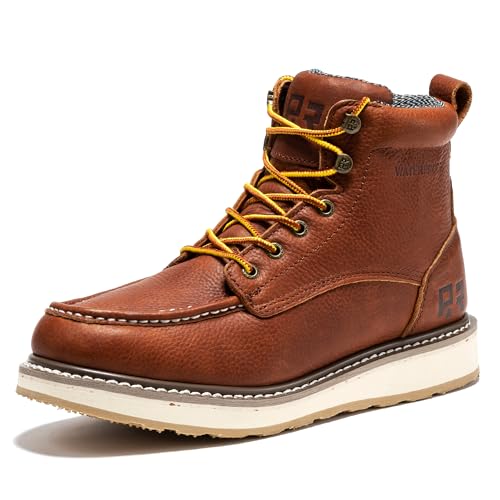


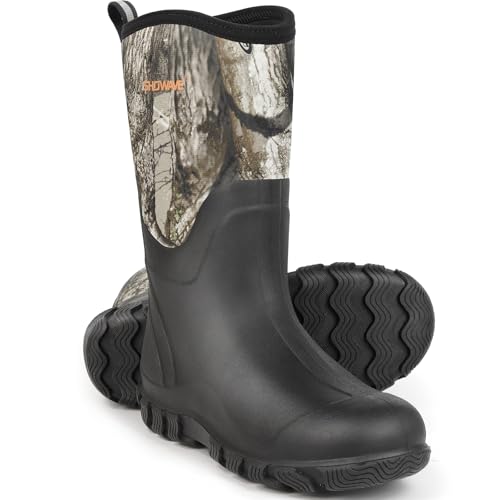

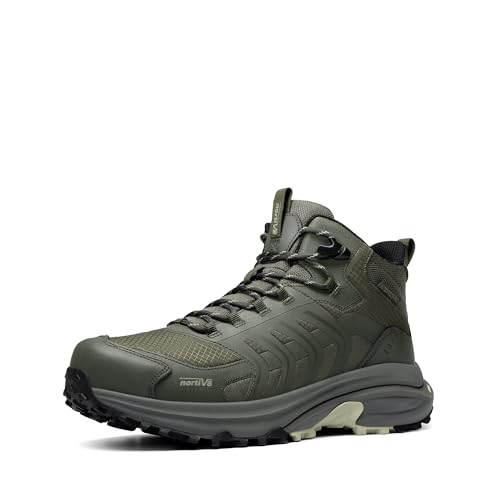
Who Should Buy Which Boots for Mowing?
Most mowing falls into three patterns. Find yours first, because a boot for a flat dry lot can feel unsafe on a wet bank.
Homeowners Who Mow Sloped or Uneven Lawns
You need grip and ankle control before anything else. Choose deep lugs, a shaft above the ankle, and a firm heel counter so your foot stays centered when you turn across a slope. A safety toe is rarely essential for a push mower alone. If you also weigh up lighter footwear for banks, see our guide to the best shoes for mowing hills before you decide.
Walk Behind Mower Users on Large Lots
You may cover a mile or more in a single session, pushing through turns at every pass. Prioritize cushioning, arch support and a moderate weight, because heavy boots tire your legs long before the last strip is cut. A breathable upper suits dry summer work, and a roomy toe box matters more as your feet swell during the walk.
Early Morning Mowers Who Work in Dew
You start while grass is still wet, so water reaches your boots from below and from clippings thrown against the sides. Choose a waterproof membrane and a taller shaft, and expect the boot to feel warmer than a mesh style. Dry each pair fully between sessions, because a membrane that starts damp feels clammy within minutes. Your grip needs are also highest at this hour.
Key Features to Compare
When you compare the best boots for mowing, work through the six factors below in order, starting with grip and fit.
Outsole Grip for Wet Grass and Slopes
The outsole is your contact with a surface that turns slick when wet. Look for rubber lugs about 4 to 6 mm deep, spaced widely enough that mud and clippings clear instead of packing flat. Angled lugs at the heel help when you step down a bank, and a defined heel breast adds bite when you push uphill. Smooth soles made for concrete lose hold on wet turf.
Shaft Height, Ankle Support and Debris Protection
Shaft height decides how much protection your ankle gets from clippings, stones and trimmer throw. A shaft of about 6 to 8 inches suits most lawns, supports the ankle on uneven ground, and keeps socks cleaner. A gusseted tongue, joined to the upper on both sides, blocks grass seed and grit that would otherwise work down inside. Firmly tied laces matter more than a padded collar.
Upper Materials, Waterproofing and Breathability
Full grain leather sheds dew well, resists scuffs from stones and edging tools, and ages slowly, but it dries slowly once soaked and adds weight. Mesh and synthetic uppers breathe far better on hot afternoons and dry fast, yet they let fine dust through more easily. A waterproof membrane such as Gore Tex suits spring mowing, while unlined breathable boots suit dry summer lawns.
Toe Protection for Mower Work
A soft toe is lighter and flexes easily, and it suits most push mower work on a tidy home lawn. A composite or steel toe adds real protection if you move pavers or work around a loaded trailer, at the cost of extra weight. Reinforced rubber toe caps sit between the two, guarding against stubs on hidden stones. Never rely on any boot to resist a mower blade, and keep feet clear of the deck.
Arch Support and Cushioning for Hours Behind the Mower
Mowing is steady walking with a load in front of you, so support decides how your feet feel at dinner. A cushioned midsole softens paths and driveways, while a firmer arch keeps flat feet from rolling inward on slopes. Most work style boots have a heel to toe drop of about 8 to 12 mm, which suits a natural stride. If you use separate insoles, take them when you try boots on.
Sizing Your Pair and Toe Room for Long Mowing Days
Try boots late in the day, when your feet are at their largest, and wear the socks you mow in. You want about a thumb width of space in front of your longest toe, a heel that stays put, and no pinch across the forefoot. A wide toe box lets toes spread for balance on banks. Sizes vary between makers, so trust these fit checks over the number on the box.
Types of Mowing Boots Compared
Boot types trade water protection, weight and airflow against each other. Prices run from about $70 to $200 for most home use pairs.
Waterproof Leather Boots for Wet Lawns
These pair a leather upper with a sealed membrane and a taller shaft, so they handle dew, light rain and wet clippings without soaking through. They weigh more and breathe less than summer styles, but they last well. If your search is broader yard work in wet grass, see our guide to the best boots for lawn mowing for a closer comparison.
Breathable Light Boots for Dry Summer Mowing
Mesh panels and lighter soles make these the easiest boots to walk in on hot, dry afternoons. Flex at the forefoot is usually better, so turns at the end of each pass feel less stiff. The trade off is clear: dew soaks them quickly, and thin uppers guard less against stones. They suit flat lawns mowed later in the day.
Safety Toe Boots for Rough Ground and Equipment Work
These suit owners who clear brush, move stone, or maintain farm ground where dropped tools are a real risk. Expect a heavier boot, a wider fit, and prices toward the top of the range above. If your week mixes mowing with workshop days, see our guide to the best work boots for mowing to weigh one dual purpose pair against two separate pairs.
Common Mistakes to Avoid
Most poor mowing boots were bought for a different job and pressed into service on grass.
- Wearing smooth soled shoes on wet grass invites a slide on the first slope.
- Choosing a short shaft lets clippings and grit fill your socks and rub ankles raw.
- Buying boots too small for thick socks causes numb toes and blisters.
- Picking a heavy safety toe for a small flat lawn tires your legs for no gain.
- Mowing in boots still damp from yesterday softens skin and raises blister risk.
How to Make Your Mowing Boots Last Longer
Knock dried mud and clippings off after each session, then loosen the laces and pull the tongue forward so air can reach inside. Dry wet boots at room temperature away from direct heat, with newspaper inside to draw moisture from the lining. Heat can crack leather and weaken glue, so patience protects the boot better than speed.
Brush grass stains off leather before they set, and condition leather a few times a season to keep it supple. Check laces for fraying at the eyelets and replace them early, because a snapped lace mid slope is a nuisance you can prevent. Store boots upright, and inspect lug depth each spring.
FAQ
Do boots for mowing need a safety toe on a standard home lawn?
No, most home lawns mowed with a push or riding mower do not call for a safety toe. Your main risks are slips, hidden stones and long walking, which grip and fit address better. Choose a safety toe only if your rounds include moving blocks or clearing rough ground. Whatever toe you wear, switch the mower off before you clear a blockage.
How long does the break in period last for mowing boots?
Most mowing boots feel comfortable after about three to five short sessions. Wear a new pair for trimming and a single short pass first, rather than a full two hour mow, so stiff leather can flex gradually. Tape known rub spots on your heel for the first outings. If a boot still pinches after a week of short wear, the size is wrong, not the leather.
Can I wear mowing boots for a full day of yard work?
Yes, you can wear mowing boots for a full day of yard work if the fit and support suit your feet. Change into dry socks at midday, because sweat soaked socks are a common and overlooked cause of afternoon blisters. Retie the laces after lunch, since feet swell and a boot tied at breakfast can feel tight by three. Rest if a hot spot forms.
When should I replace the boots I use for mowing?
Replace mowing boots when the center lugs have worn smooth, the heel edge has rounded off, or the upper has cracked at the flex point above your toes. Those signs matter more than age, because a boot can look tidy while its grip is gone. Test old boots on a damp path before the season starts, and retire any pair that slides there.
Are waterproof mowing boots worth it for dry summer lawns?
Usually not, because a membrane adds warmth that dry summer mowing does not repay. A breathable boot feels cooler and dries faster after you step through a sprinkler puddle. Keep waterproof pairs for spring, autumn and early starts, when dew is heavy. Many owners end up happiest with one pair of each type, bought a season apart.
The Bottom Line
Put grip first, fit second and water protection third, and most other choices fall into place. Match shaft height to your slope and debris, and pick the lightest boot that still protects your toes. Compare your shortlist against the product table above for height, weight and price.
Chosen that way, the best boots for mowing disappear during the job, which is what good footwear should do. You finish with dry, steady feet and a lawn that got your full attention.


