Best Boots for Morton's Neuroma: Every Type Explained Side by Side for 2026
Disclosure: We may earn a commission when you buy through links on this page, at no extra cost to you. As an Amazon Associate I earn from qualifying purchases. Learn more

Compare the best boots for morton's neuroma by type, fit, cushioning, and toe box width, with pros, cons, and price guidance to help you choose in comfort.
Boots can be a hard buy when the ball of your foot burns, tingles, or feels like it is standing on a small pebble. That nerve irritation responds poorly to narrow toes and thin soles, so choosing best boots for morton's neuroma starts with room and cushioning rather than looks. The right pair spreads pressure across the forefoot instead of squeezing it.
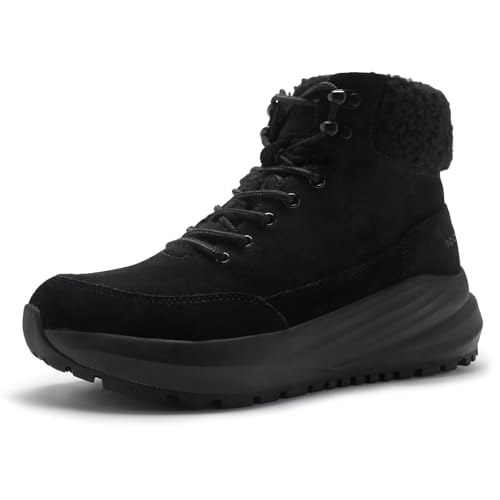
This guide compares boot types side by side, with the honest strengths and limits of each one. You will see who each type suits, what it usually costs, and which details to check before you order. Start with the comparison table below, then read the type that matches your day most closely.
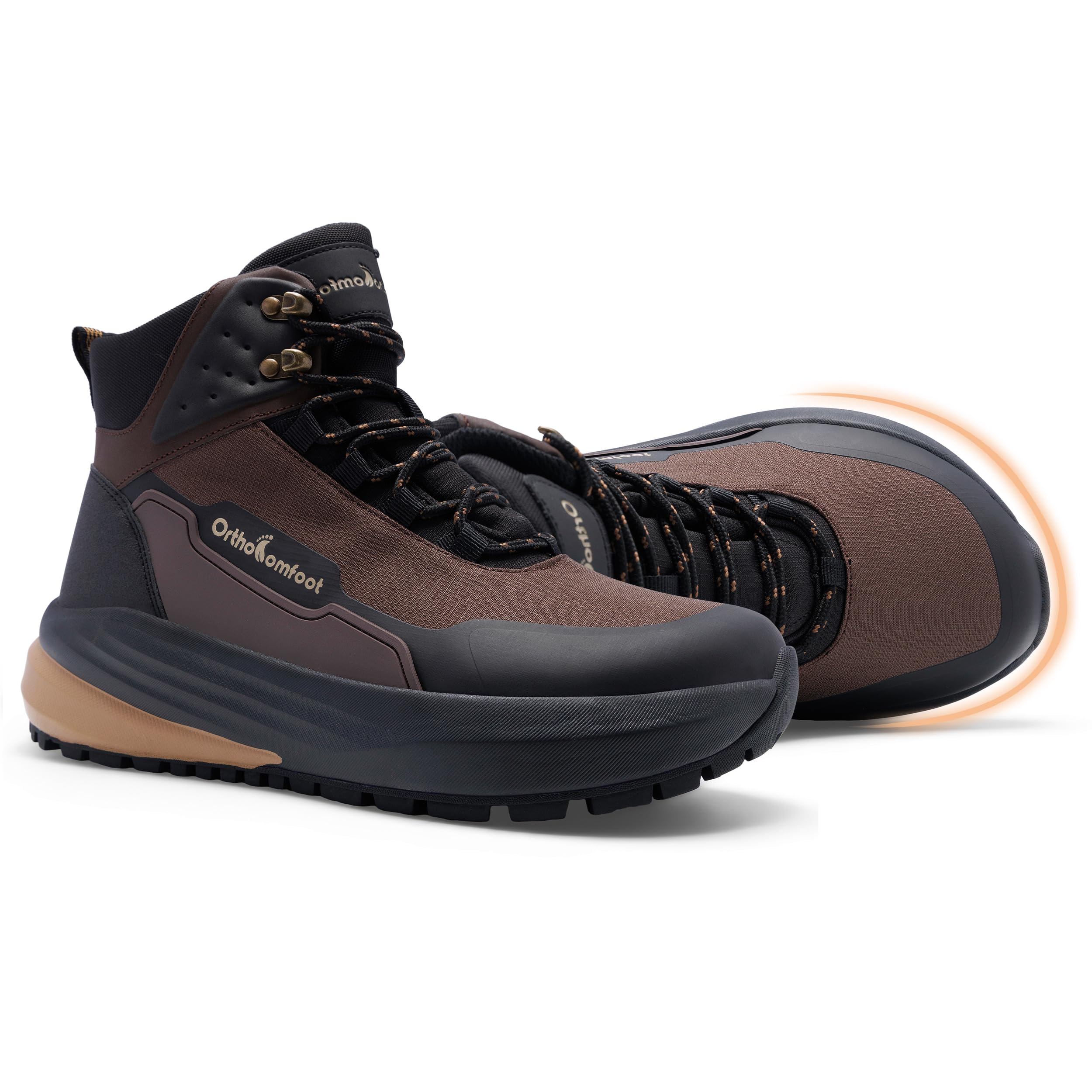
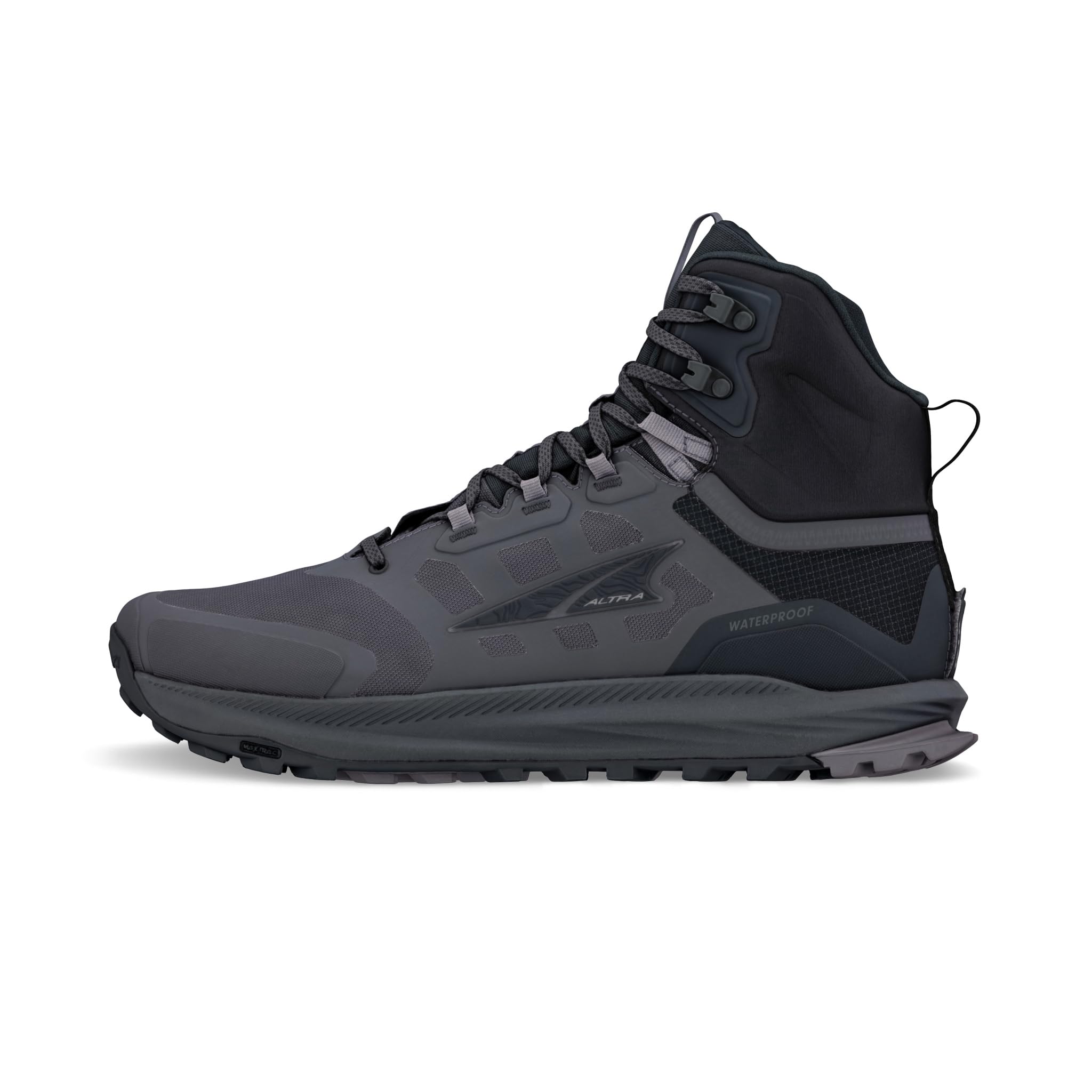


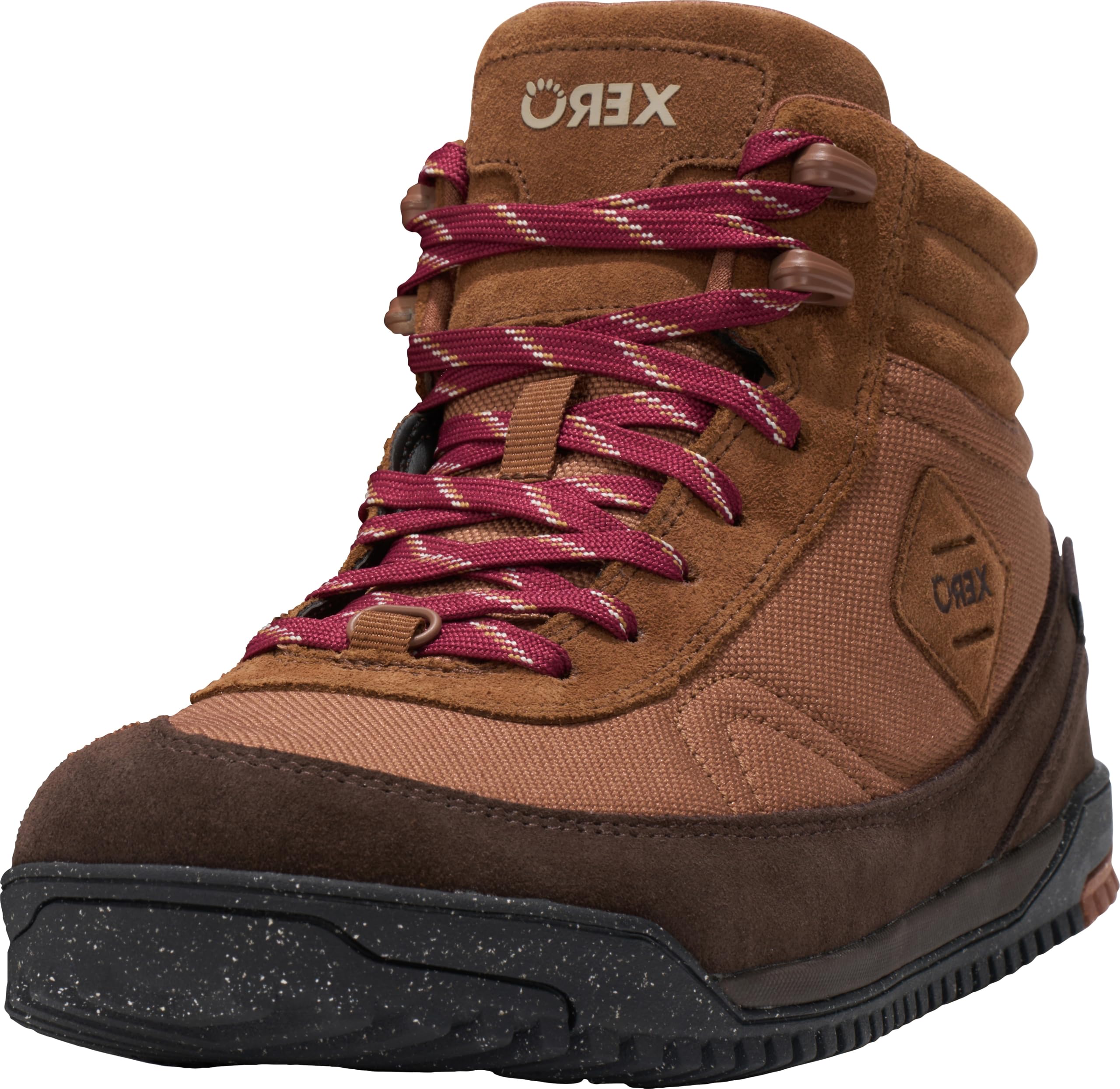
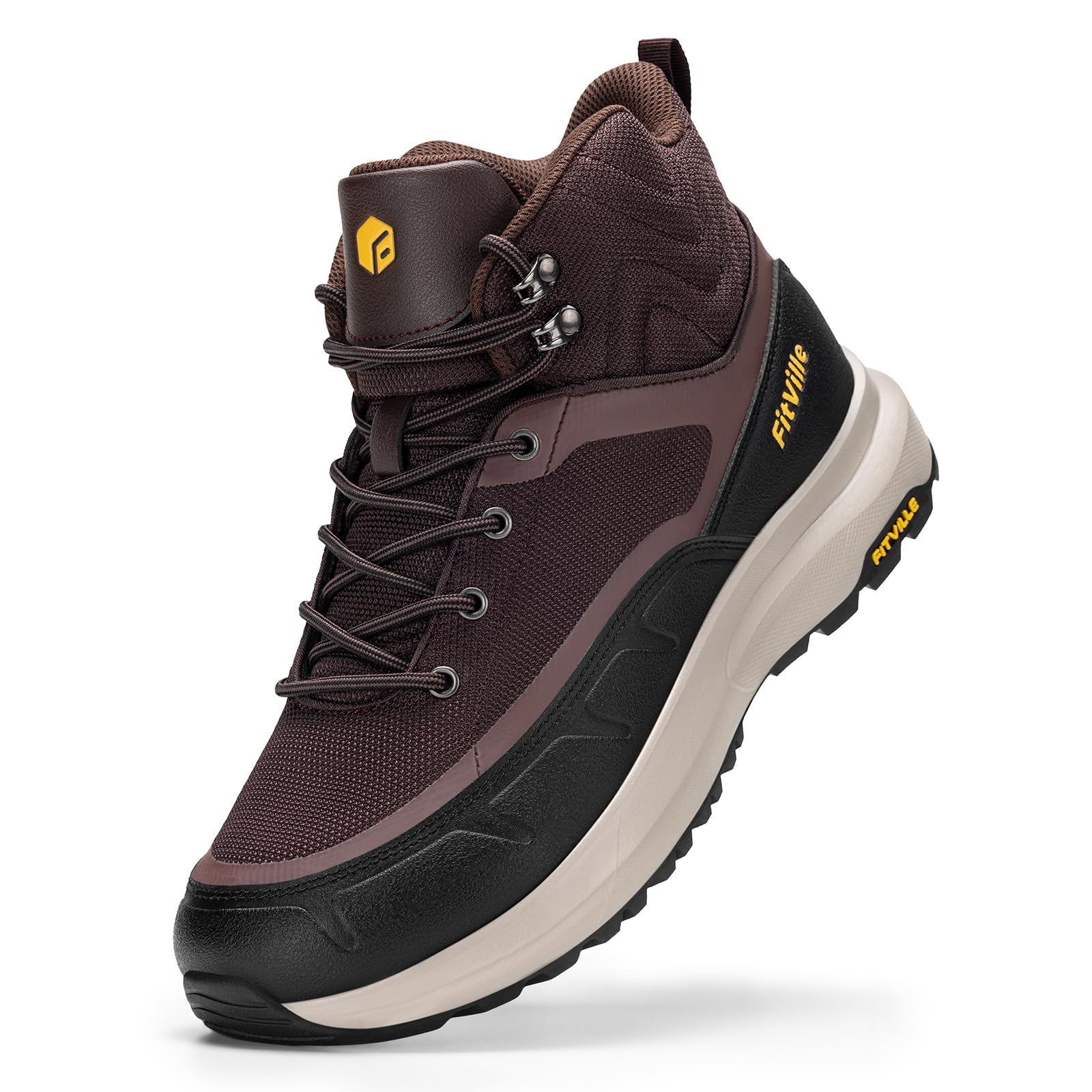
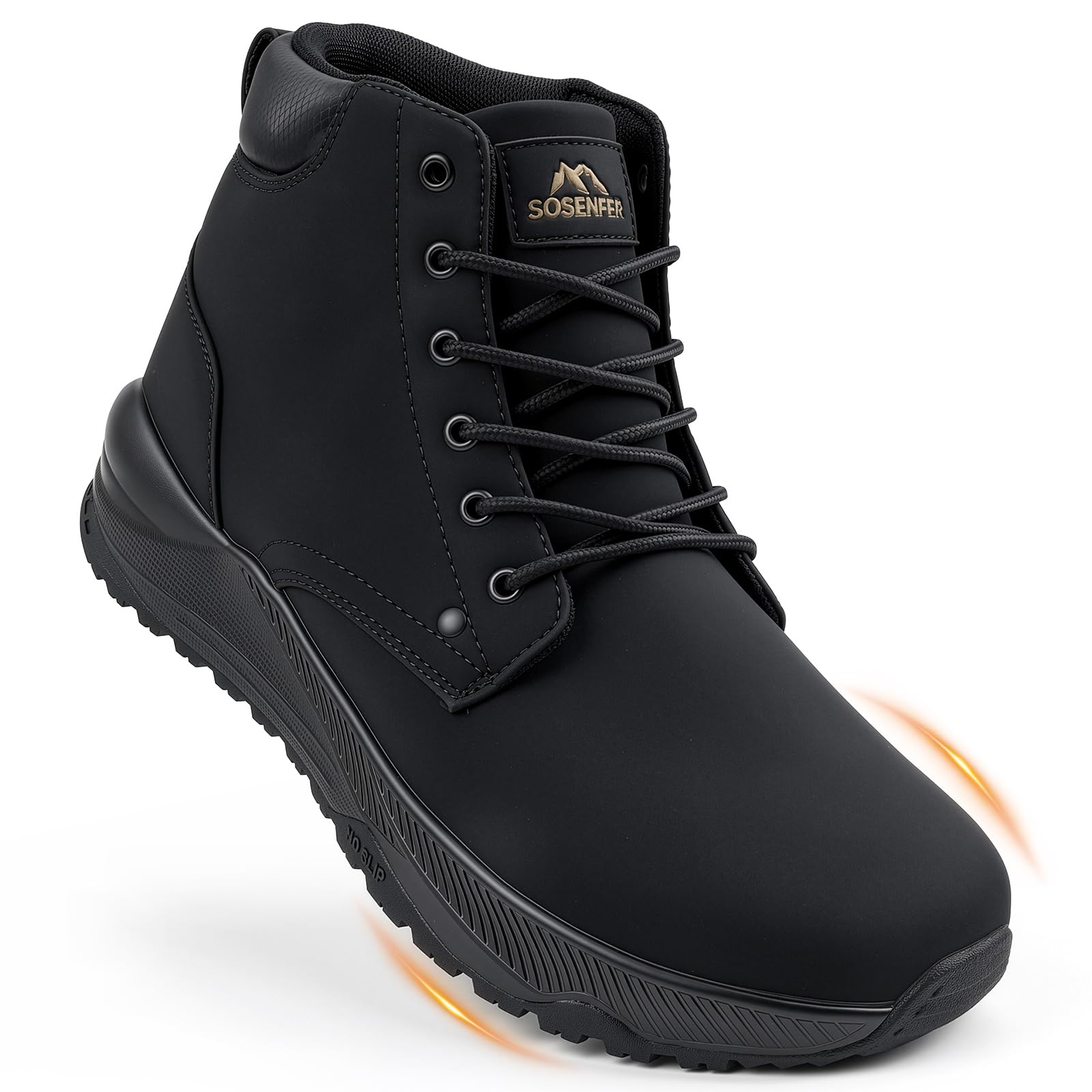
Types of Boots Compared
When you compare best boots for morton's neuroma by type, look beyond ankle height. Weight, insulation, outsole grip, and upper stiffness all change how much load lands on the ball of your foot. Match the type to your main use first, since a trail boot and a town boot can feel completely different by evening.
Hiking Boots for Trails and Long Walks
Hiking boots bring a grippy outsole, a supportive midsole, and uppers built for rough ground. Many use a mild rocker shape, so your foot rolls forward instead of bending sharply at the sore spot. The trade off is weight and warmth on summer pavement. Prices often run about $100 to $250.
Choose this type if your pain flares on uneven trails, gravel, or long walks where a soft shoe would feel unstable. Look for a wide fit, a firm heel counter, and laces that let you loosen the forefoot while keeping the heel seated. For trail specific sizing and traction detail, see our guide to the best hiking boots for morton's neuroma.
Work Boots for Long Shifts on Hard Floors
Work boots add protection other types skip, such as safety toes, puncture resistant plates, and soles built for oil and concrete. That structure can add stiffness and weight that tire sensitive feet. Composite toes often give a roomier shape than steel, which matters when toes need space. Many pairs cost about $90 to $220.
Pick this type when your job sets the rules and you cannot switch to lighter footwear at work. Prioritize a wide safety toe, a cushioned and removable insole, and a sole that flexes behind the toes rather than across the ball of the foot. If your employer requires specific ratings, check those first, then compare our guide to the best work boots for morton's neuroma.
Winter Boots for Cold and Wet Weather
Winter boots focus on insulation, sealed seams, and deep tread for snow and slush. Waterproof membranes such as Gore Tex keep meltwater out, yet they also trap heat indoors. Tall shafts guard your ankles in deep snow but make driving less natural. Expect to pay about $80 to $200.
Choose winter boots if cold, wet ground is your main problem for several months of the year. Check that thick socks still leave wiggle room for your toes, because a snug insulated boot quickly becomes a squeezing boot. A breathable lining and a sole with real lugs help on ice and packed snow. For cold weather fit advice, see our guide to the best winter boots for morton's neuroma.
Everyday Boots with Neutral Support and a Light Build
Everyday boots cover town wear, travel, and light duty days, and many borrow ideas from neutral shoes and lightweight shoes. A neutral build guides your foot very little, which suits walkers whose stride feels natural and who simply need space and padding. A light build reduces fatigue on errands and sightseeing, though it usually gives up ankle support and deep tread.
This is often the easiest type to wear straight away, and prices commonly sit at about $70 to $160. It suits flat ground and mild to moderate pain. Skip it for heavy loads, rugged trails, or job sites, where its thinner outsole will feel underbuilt.
Neutral Support vs a Light Build: Which Should You Choose?
These two ideas overlap, but they solve different problems, and the product table above groups options so you can spot each trait quickly. Neutral support is about guidance, or rather the lack of it, since the boot lets your foot move naturally without posts or stiff wedges pushing it inward or outward. A light build is about mass, since less weight on your foot means less effort across thousands of steps.
If your ankles feel steady, a neutral and light boot is usually the simplest choice. If you roll inward a lot or carry a pack, stability features and a firmer midsole may serve you better despite the extra weight. When pain is your main limit, forefoot cushioning outranks both ideas, so never trade away padding to save a few ounces.
How to Choose the Right Boot
Break In Period and Comfort Out of the Box
Soft synthetic and fabric boots often feel kind within a day or two, while full leather boots can need one to two weeks of short wears before the upper relaxes. Plan that time before a trip or a new job starts, and wear the boots around the house first while the return window is still open. A boot that pinches the forefoot on day one rarely stretches enough across the toes to become truly comfortable.
Fit, Sizing, and Toe Box
Measure both feet late in the afternoon, when they are at their largest, and shop using the longer measurement. Your toes should spread naturally inside the boot, with roughly a thumb width of space ahead of the longest toe while you stand. A wide or extra wide fitting helps many readers, since standard widths in boots often run narrower than the same size in walking shoes.
Wear the socks you plan to use, and try stairs if you can, because feet slide forward on descents. Sizing up alone is a poor fix, since extra length can leave the heel loose while the forefoot still feels crowded. The ball of the boot should line up with the ball of your foot.
Cushioning and Support
Cushioning under the ball of the foot is the single most useful comfort feature for this condition, because it spreads the push off load that aggravates the nerve. A midsole that feels soft yet supportive works better than a very thin or very squishy one, which can bottom out on hard floors. Heel to toe drop also matters, since a lower heel keeps weight from tipping forward onto your toes with each step.
Arch support should match your own arch rather than push against it, and a removable insole lets you swap in a pad or an insert your clinician suggests. Stability boots add firmer material to guide the foot, while neutral boots leave movement alone. Choose based on how your ankles and knees feel during a test walk.
Features That Matter for Morton's Neuroma
Certain details matter far more here than in a general boot guide. A rounded or rocker style sole reduces how far the toes bend during push off, a padded collar stops the shaft from digging in, and a breathable upper limits heat that can make a sore foot swell. Laces that run far down toward the toes let you open the forefoot area while still locking the ankle in place.
Boots cannot treat this condition, and some symptoms need medical care rather than new footwear. See a doctor or podiatrist promptly if pain persists at rest, numbness spreads, one foot swells suddenly, or walking becomes difficult despite better fitting shoes. Talk with your clinician about your own needs, especially before using inserts, since the right placement and height depend on your foot.
Tips to Get the Most From Your Boots
Small habits extend comfort well beyond the first month. Rotate two pairs if you wear boots daily, so the cushioning in each pair has a day to recover. Air dry wet boots away from direct heat, which can crack leather and weaken glue.
- Use a heel locking lace pattern to hold your heel back while leaving the forefoot laces looser.
- Swap in fresh cushioned socks when a pair feels damp, since moisture raises friction on sore skin.
- Replace worn insoles once they feel flat, even when the outsole still looks serviceable.
- Clean grit from the tread often, because packed soles grip less and change how your foot rolls.
What you wear when the boots come off matters too. Supportive open footwear gives your toes room to spread after a long shift, and our guide to the best sandals for morton's neuroma explains what to look for. At home, cushioned house footwear protects the forefoot on hard kitchen and bathroom floors, so see our guide to the best slippers for morton's neuroma for indoor options.
Common Mistakes to Avoid
- Buying a pointed or tapered toe shape, which squeezes the metatarsal bones together and irritates the nerve.
- Choosing a high heeled fashion boot for daily wear, which shifts your weight forward onto the ball of the foot.
- Tightening the forefoot laces as much as possible, which removes the toe room you paid for.
- Keeping boots with a crushed midsole in daily use, which leaves the forefoot with almost no padding.
Frequently Asked Questions
What features matter most in boots for Morton's neuroma?
A wide toe box, firm cushioning under the ball of the foot, and a low heel matter most in boots for Morton's neuroma. One extra detail worth checking is insole depth, since deeper boots leave room for a metatarsal pad placed just behind the sore spot. That placement lifts and separates the bones slightly, which many walkers find more helpful than adding a thick, soft insert that fills the toe box.
Are expensive boots for Morton's neuroma worth the extra cost?
Expensive boots for Morton's neuroma can be worth the cost when the money buys a wider last, better midsole materials, and a resoleable build. Higher prices do not guarantee a forefoot friendly shape, though, and some costly fashion boots are among the narrowest you can buy. Spend on fit and construction first.
How long does the break in period last for boots for Morton's neuroma?
The break in period for boots for Morton's neuroma usually lasts a few days for fabric styles and up to two weeks for stiff leather. One useful test is a thirty minute walk on hard flooring near the end of that period, since neuroma pain often appears late rather than in the first minutes. If burning or tingling grows during that walk, the shape is wrong and further wear is unlikely to help.
Can you wear boots for Morton's neuroma all day?
You can wear well fitting boots for Morton's neuroma all day if the toe box stays roomy and the cushioning holds up. Build in short sitting breaks, and consider changing socks halfway through a long shift to cut friction. If pain builds despite a good fit, alternating two pairs across the week often helps.
How often should you replace boots for Morton's neuroma?
You should replace boots for Morton's neuroma when the midsole feels flat or the tread under the forefoot wears smooth, often after a year or two of daily use. A simple check is pressing your thumb into the insole bed, since compressed foam that no longer springs back has lost most of its protective value. Boots used only in winter or on weekends can last several seasons if stored dry.
Final Thoughts
Start with the type that matches your routine, then judge every candidate on toe room, forefoot cushioning, and heel height. Any boot type can fail when the toe box tapers. Use the comparison table above to narrow your shortlist by type and price.
Give a new pair a fair indoor trial, keep the return option open, and let comfort after thirty minutes of walking make the final call. When you find best boots for morton's neuroma for your own feet, the difference shows up as quieter steps and a forefoot that still feels calm at the end of the day.