
Best Boots for Montana Winter in 2026: Warmth, Fit, and Traction Compared
Disclosure: We may earn a commission when you buy through links on this page, at no extra cost to you. As an Amazon Associate I earn from qualifying purchases. Learn more

The best boots for montana winter combine real insulation, a sole that stays flexible below zero, and room for thick socks.
Montana winter means long stretches of dry cold, wind across open ground, and sudden warm spells that turn snow into slush. The best boots for montana winter need serious insulation, a sole that stays flexible below zero, and a shaft tall enough to keep drifts out, without becoming so heavy that you cannot walk in them.
This guide sorts winter boots by how you use them, then compares the features that matter at low temperatures. Use the product table above to see the options side by side, and read the sections below to match a pair to your routine, your property, and your coldest weeks.

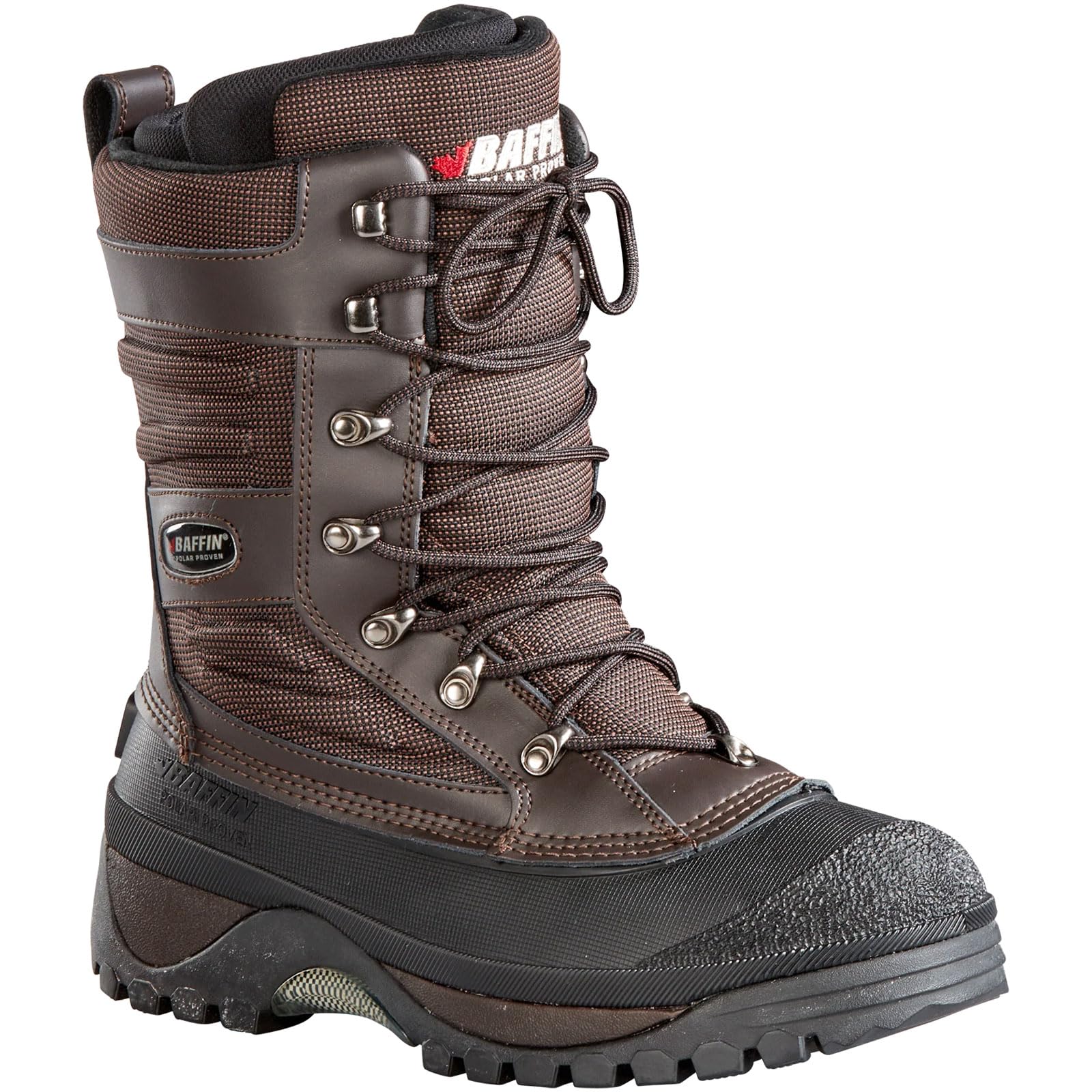
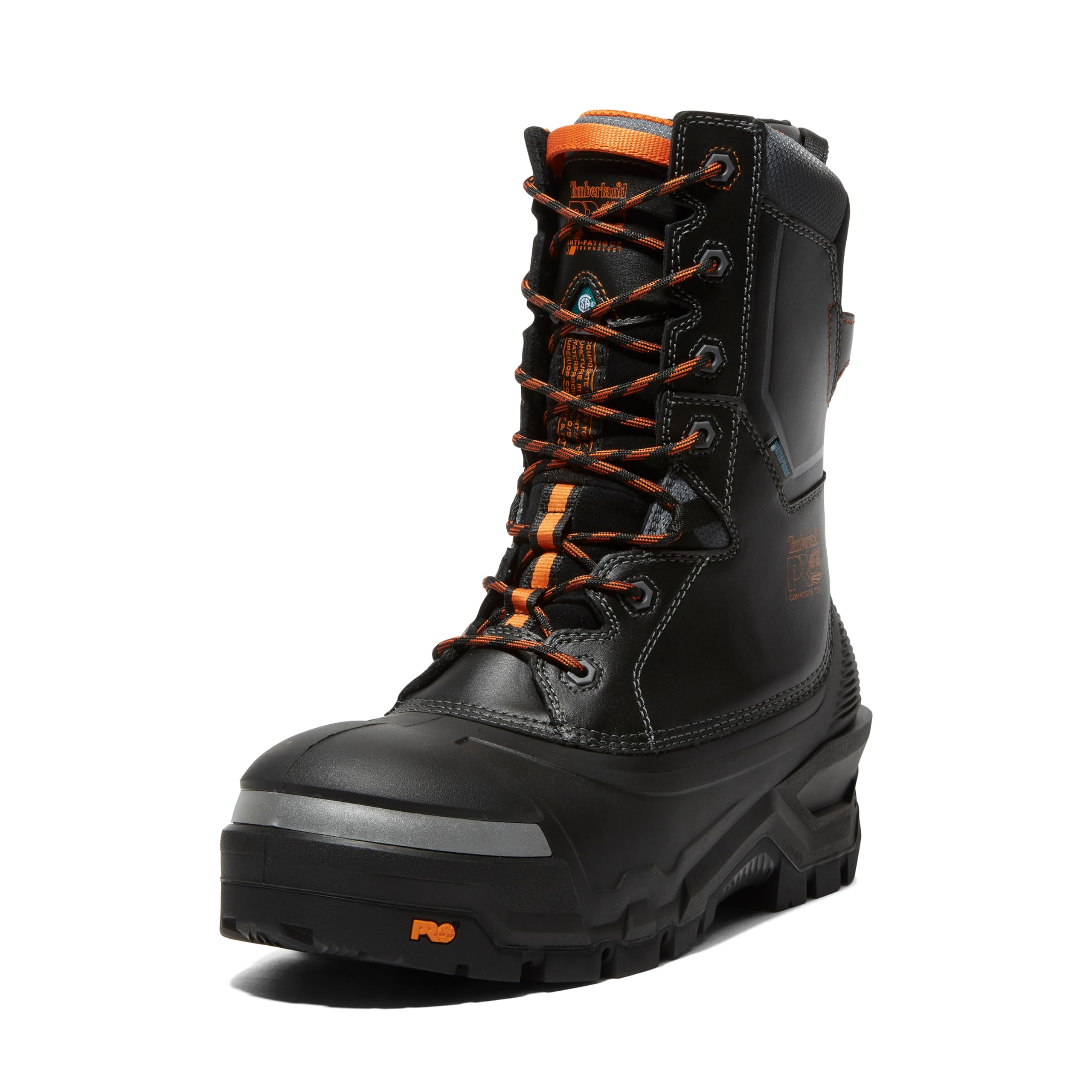


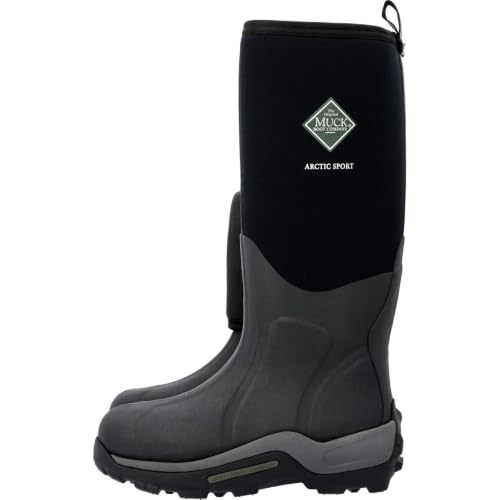

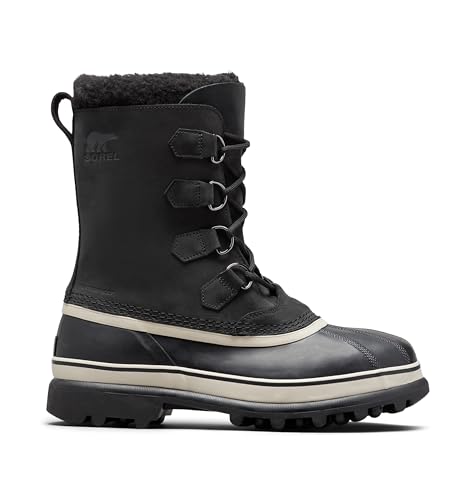
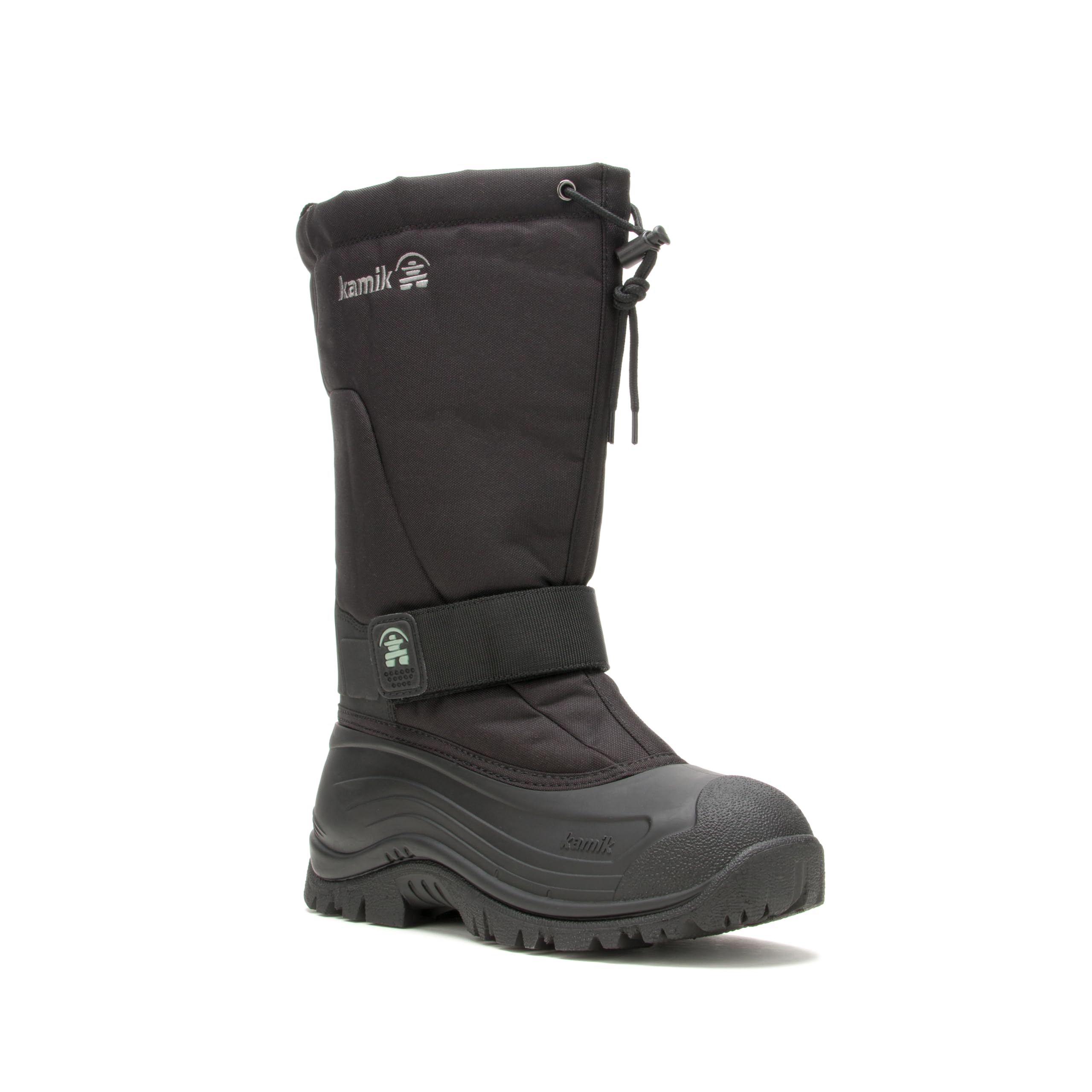
Who Should Buy Which Boots for Montana Winter?
Winter here is long and varied, so start with the activity that keeps you outside the longest.
Ranch, Farm, and Property Chores
Feeding animals and fixing fences means hours outside in wind, often standing still. Choose a tall insulated boot, ideally a pac style with a removable liner, and a thick sole that holds off the cold ground. Waterproofing matters during thaws, when corrals turn to mud and slush.
Hunters, Anglers, and Backcountry Users
Sitting in a blind or on a frozen lake produces almost no heat, so insulation weight comes first. Look for a boot rated for deep cold, with room for wool socks, a quiet sole, and a shaft high enough to keep snow out in the field. If you walk long distances, avoid the heaviest boots, because sweat inside insulation freezes once you stop.
Town Commuters and Skiers
If most of your day is spent between a car and a heated building, a mid height insulated boot with a grippy rubber outsole is enough. Parking lots and sidewalks glaze over after thaws, so traction matters as much as warmth. For lighter days and errands, see our guide to the best winter boots for guys.
Types of Boots Compared
| Type | Best for | Strength | Limit |
|---|---|---|---|
| Pac boots with liners | Chores, hunting, deep cold | Warmest, liner dries overnight | Heavy and bulky |
| Insulated hiking style boots | Trails, snowshoeing, town | Light and flexible | Less warmth when still |
| Tall rubber and neoprene boots | Mud, slush, wet corrals | Fully sealed | Modest ankle support |
Pac boots pair a rubber lower with a thick felt or foam liner, and many are rated well below zero. Insulated hiking style boots use a laced leather or synthetic upper and suit active use. Tall rubber boots keep slush and mud out completely, but they need warm socks and a liner for real cold. For a general overview, see our guide to the best winter boots.
Key Features to Compare
Work through these factors in order. Warmth and fit come first, because cold feet end an outing faster than any other problem.
Insulation Weight and Temperature Ratings
Insulation is measured in grams. About 400 grams suits active wear in real cold, while 600 to 800 grams or a thick liner suits standing still below zero. Makers print temperature ratings, but there is no shared standard behind them, so treat the number as a rough class label. Your activity level and your socks change real warmth more than the rating does.
Removable Liners and Drying
Feet sweat even in cold, and a fixed lining can stay damp for days, which makes every cold morning worse. A liner you can pull out dries overnight beside a stove or on a rack, and a fresh liner restores much of the warmth of an old pair. Never dry liners on a hot heater, because heat shrinks and damages the foam.
Traction on Ice and Packed Snow
Rubber compounds that feel sticky in a warm store can stiffen and turn slick at low temperatures, so look for soles described as staying flexible in the cold. Wide, flat lugs with fine cuts suit packed snow, and deeper lugs help on untreated trails. Bare ice is dangerous in any boot, so cross it slowly.
Fit, Sizing, and Room for Thick Socks
Try boots on late in the day with the socks you will wear outside. Leave about half an inch in front of your toes, because cramped toes lose circulation and feel colder. Many insulated boots run small, so expect to go up half a size. If your feet run cold, a roomier boot with a thick wool sock beats a tight boot with extra insulation.
Shaft Height and Waterproofing
A shaft of 10 to 14 inches keeps drifts out and suits most Montana use. Waterproofing matters most during thaws, when snow turns to slush. A waterproof boot with sealed seams stays warmer than one that soaks through, because wet insulation loses most of its value.
Common Mistakes to Avoid
- Trusting the printed temperature rating as a promise, when it is only a rough guide.
- Buying a short shaft for drifts, so snow pours over the top on the first deep step.
- Sizing with thin socks, so thick wool socks crowd your toes and cut warmth.
- Choosing the heaviest boot for brisk walks, so sweat builds inside and chills you later.
- Leaving boots damp overnight, so the lining never dries and every outing starts cold.
- Wearing cotton socks, which hold moisture against the skin.
Care and Maintenance
Dry wet boots at room temperature with the liners and insoles pulled out, and keep them away from stoves and heaters that can crack leather and warp sole bonds. Brush off salt and dirt before they dry into pale rings, and wipe leather with a damp cloth after wet weeks.
Rotate two pairs if you wear boots daily, so each pair gets a full day to dry. Store boots upright and loosely stuffed so the shafts keep their shape, away from the heat of a summer garage. For a wider look at warm options, see our guide to the best boots men winter.
Frequently Asked Questions
What features matter most in boots for a Montana winter?
Insulation matched to your activity, a sole that stays flexible in the cold, and a fit with room for thick socks matter most. Waterproofing is the next priority, because thaws are common. A removable liner is a feature many buyers overlook, and it makes a big difference over a whole season.
How warm do boots need to be for Montana?
For active use, 400 grams of insulation covers most days. For standing still in deep cold, choose 600 to 800 grams or a pac boot with a thick liner. Your activity level matters more than any rating.
Do I need waterproof boots?
Yes if your routine includes slush, wet snow, or muddy corrals. Dry powder in the coldest weeks rarely soaks through a good upper, but thaws are the risk. Wet insulation loses its warmth, so waterproofing protects the warmth you paid for.
How should winter boots fit?
Leave about half an inch in front of your toes, keep the heel seated, and wear the socks you plan to use. Tight boots restrict circulation and feel colder, even with heavy insulation.
How often should I replace winter boots?
Replace them when the lugs wear smooth, the insulation feels flat, or cracks let moisture in. With regular use that is often after three to five winters, and a fresh liner can add a season.
Are expensive winter boots worth it?
They are when the money buys replaceable liners, cold flexible rubber, and strong sole bonds, since those parts decide how many winters the boot survives. For short commutes a mid priced pair usually covers the need.
Final Thoughts
Choose by routine first. Ranch and chore work calls for a pac boot, hunting and fishing call for maximum insulation, and town use is fine with a lighter insulated boot. Then check the liner, the sole, and the fit with thick socks. Compare your shortlist in the product table above before you order.
Chosen with those checks in mind, the best boots for montana winter keep you warm through the deepest cold and steady when the weather swings.


