Best Boots for Minnesota Winter in 2026: Matching the Right Boot to Your Routine
Disclosure: We may earn a commission when you buy through links on this page, at no extra cost to you. As an Amazon Associate I earn from qualifying purchases. Learn more

Compare the best boots for minnesota winter by routine, with guidance on insulation grams, removable liners, ice traction, fit, and fair price ranges.
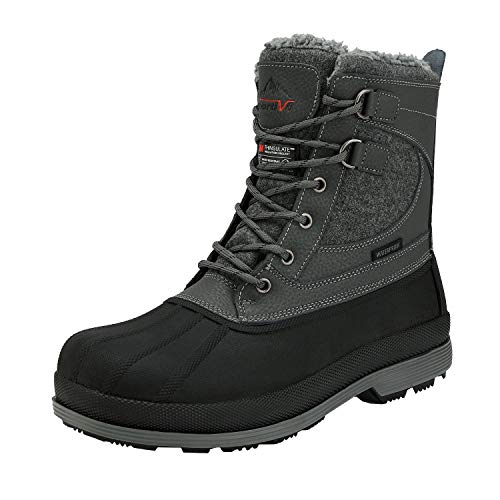
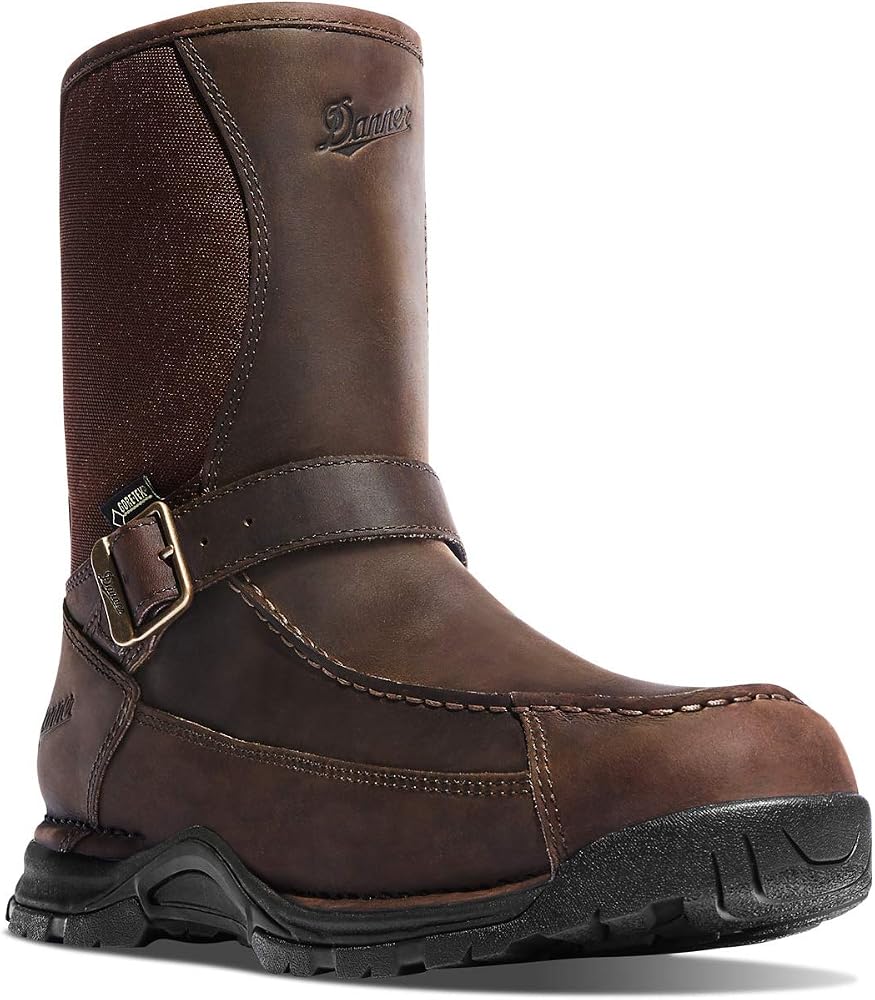
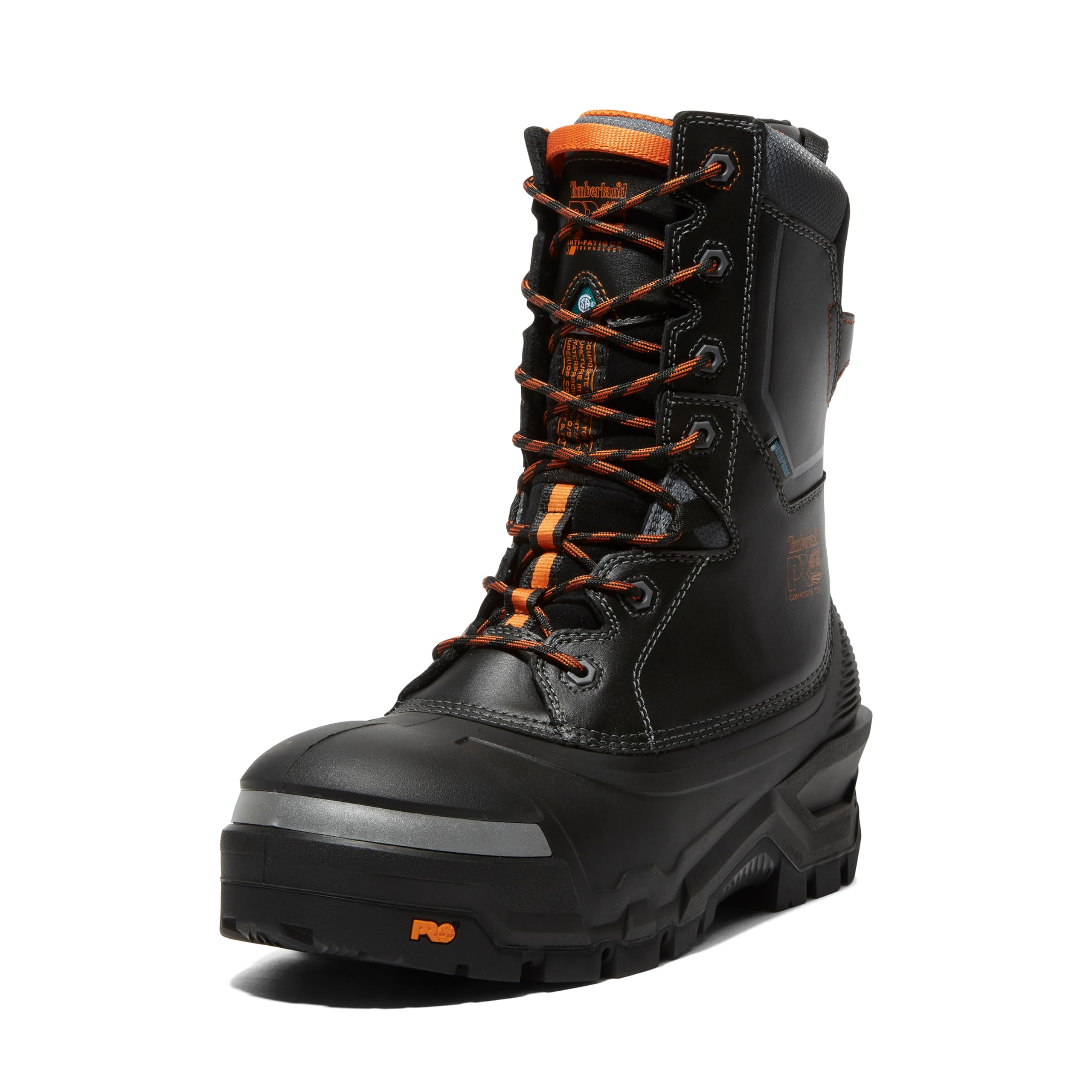
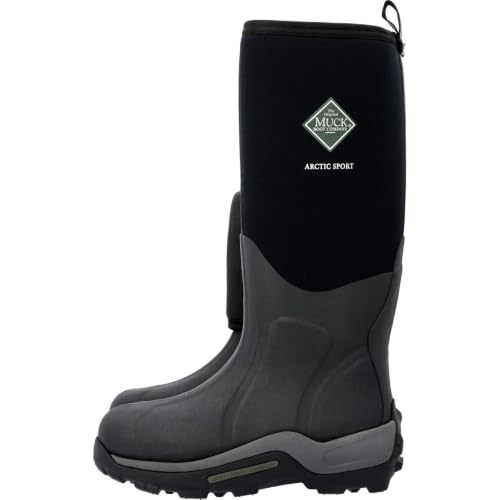
Minnesota winter is not one condition: a single week can swing from dry powder and deep cold to slush during a thaw. The boot that suits a bus stop commute is rarely the boot that suits four still hours on a frozen lake, so the honest way to shop for best boots for minnesota winter is to start with your routine: how long you stay outside, how much you move, and how wet the ground gets. This guide sorts boots by routine first, then by the features that change warmth and grip, and the comparison table below lists the main classes side by side.
Readers who want the wider picture first can look at best winter boots as a general class, then come back here for the colder temperatures and longer exposure that Minnesota adds to the decision.



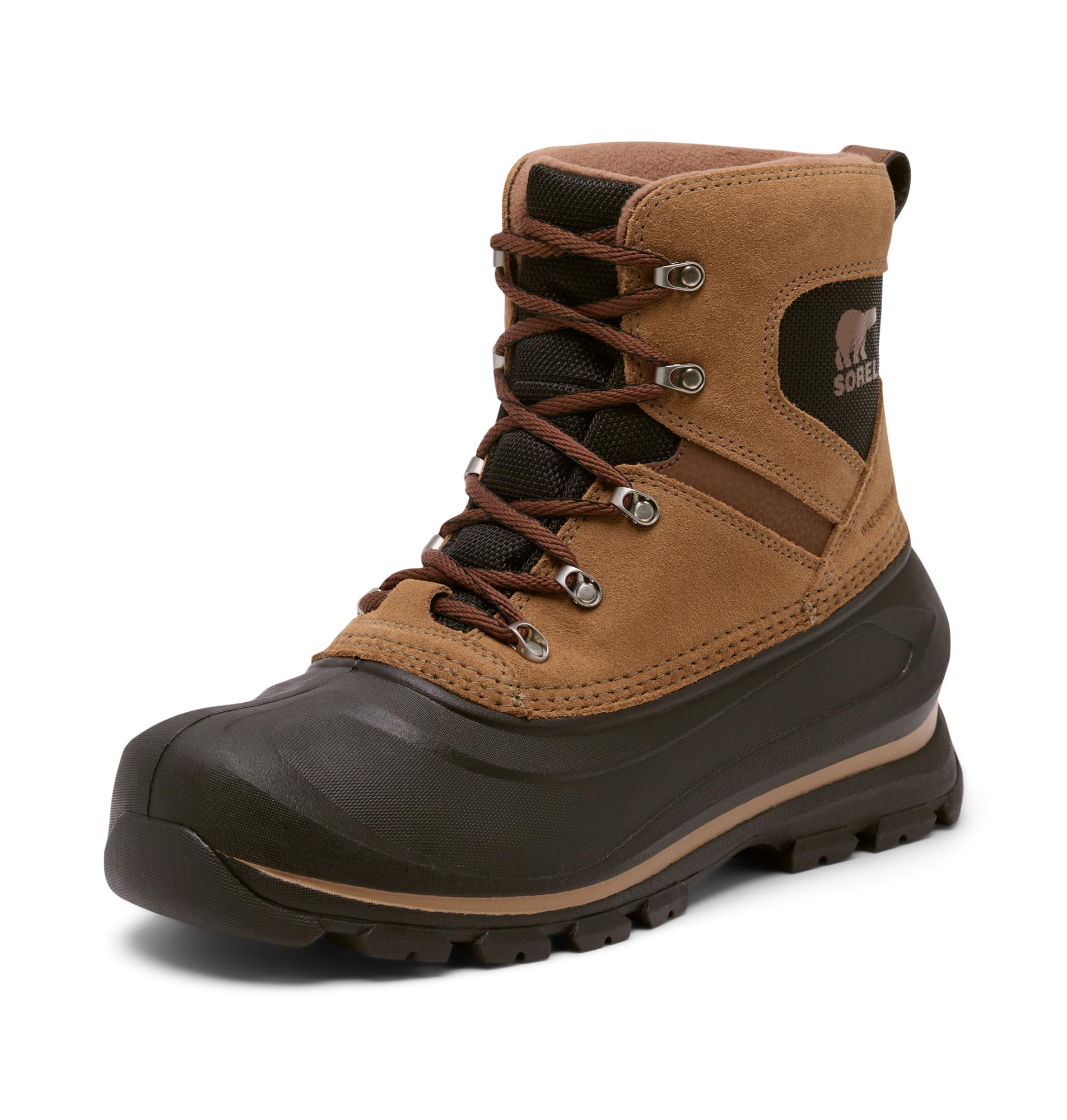
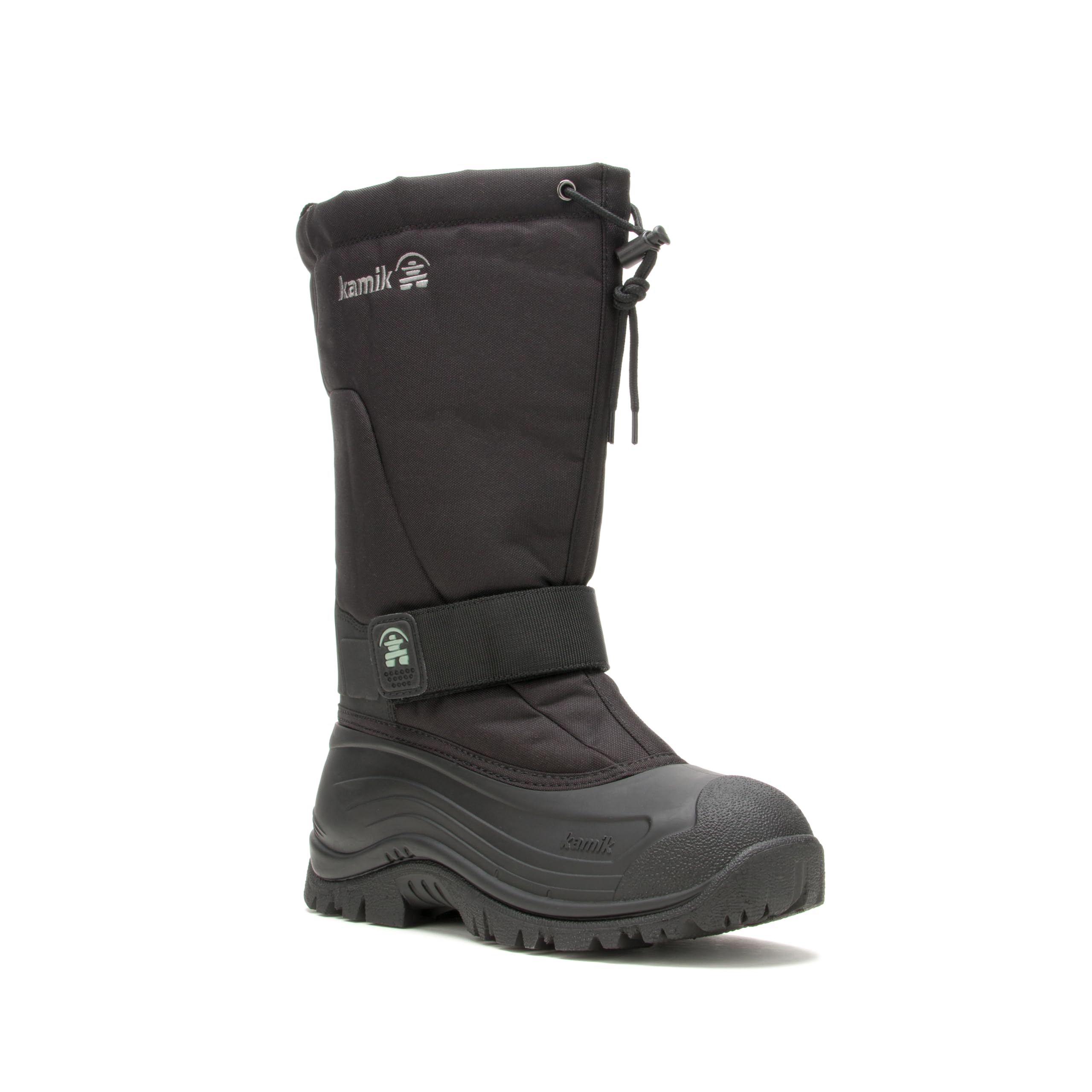


Who Should Buy Which Boots?
Four routines cover most Minnesota buyers. Find yours first, because insulation weight, shaft height, and sole all follow from it.
For Daily Commutes and Town Errands
Commuters move in short bursts between heated spaces, so steady activity does much of the warming. A mid height boot of about 8 to 10 inches with around 400 grams of insulation handles most town days without cooking your feet on the bus. Commuters comparing best winter boots for guys usually put easy entry and moderate weight ahead of maximum insulation, and that instinct is right here. Expect to pay about $80 to $150 for a commuter pair with a waterproof membrane and a sole shaped for sidewalks.
For Snow Clearing and Yard Work
Shoveling and snow blowing mix hard effort with standing in slush, so this group needs waterproofing more than extreme insulation. Around 400 grams still fits, because work keeps blood moving, but the membrane and a sealed tongue matter more than the gram count. A sole with deep, widely spaced lugs sheds packed snow instead of carrying it into the garage. Budget about $90 to $170, and favor boots you can pull on fast with gloved hands.
For Ice Fishing and Long Still Hours Outside
Sitting still on ice is the coldest routine of all, because your feet produce almost no heat of their own. This is the one group that should shop the heavy end: about 600 to 800 grams of insulation, a tall shaft around 12 to 14 inches, and a thick sole that puts distance between your foot and the ice. A removable liner matters here more than anywhere, since it dries overnight between trips. Serious pairs run about $130 to $240, and the warmth shows in the second hour.
For Weekend Walks and Light Trails
Weekend walkers cover miles on packed park trails, so a lighter and more flexible boot beats a stiff pac boot. Around 200 to 400 grams of insulation suits steady walking, and a hiking style sole grips packed snow without feeling clumsy on cleared pavement. Waterproofing still helps where trails cross slushy road edges. Most walkers land between about $70 and $140, and this group can safely skip the tallest shafts and heaviest liners.
Key Features to Compare
Once the routine is set, compare the factors below in this order. The first three decide warmth more than any claim printed on the box.
Temperature Ratings and What They Really Mean
Makers print temperature ratings on winter boots, but no shared standard governs how those numbers are measured, and one maker tests with a moving wearer while another tests with a still one, so the same printed figure can describe two very different boots. Roundups of best boots men winter tend to headline the biggest rating number, which is exactly the habit to avoid. Treat the rating as a rough class label only, because your activity level, sock choice, and time outside move real warmth far more, which is why the gram count in the next section is the fairer comparison.
Insulation Weight in Grams
Insulation is described by weight in grams, and that number is the most honest warmth spec on the shelf. About 200 grams suits mild days and high activity, while about 400 grams is the working middle for active wear in real cold. About 600 to 800 grams suits a still wearer in deep cold, such as an angler seated on ice. More grams also mean more bulk, so match the count to your routine instead of simply buying the highest number available.
Removable Liners and Overnight Drying
A removable liner is the feature that quietly governs comfort across a whole season. Liners hold the sweat your feet produce each day, and a liner you can pull out at night dries fully by morning, while a fixed lining can stay damp for days and feel colder every time you put the boot on. Foam or felt liners also add insulation without a stiffer shell. If you wear your boots daily, choose a pair with replaceable liners, because a fresh liner set restores much of the warmth of a worn pair for a modest cost.
Fit, Sizing, and Room for Thick Socks
Measure your feet late in the day, when they are at their largest, and try boots on while wearing the socks you will actually use outside. Leave roughly half an inch of space ahead of your toes, because cramped toes lose circulation and feel cold fast. Many insulated boots run small, so expect to go up half a size from your shoe size. Fit notes differ by foot shape, and our guide to best women's winter boots for minnesota covers narrower heels, calf fit, and size runs in detail.
Traction on Ice and Packed Snow
Grip in deep cold depends on both lug shape and the rubber itself. A compound that feels sticky in a warm store can turn hard and slick at low temperatures if it stiffens, so look for soles described as staying flexible in the cold. Wide, flat lugs with fine cuts suit packed snow and treated sidewalks, while deeper lugs help on untreated paths. No boot sole makes glare ice safe, so cross polished ice slowly whatever the tread looks like.
Common Mistakes to Avoid When Buying Boots
- Trusting the printed temperature rating as a promise, when it is only a rough class label with no shared test behind it.
- Buying a short fashion shaft for deep snow, so the first drift pours over the top and soaks your socks.
- Sizing boots while wearing thin socks, then finding no room for the thick socks winter actually requires.
- Picking a smooth dress style sole for icy sidewalks, where it has almost nothing to grip with.
- Leaving boots damp in a corner all week, so the lining never dries and every outing starts cold.
Tips to Get the Most From Your Boots
Care advice in any best man winter boots guide starts with drying, and it is right: most warmth loss blamed on insulation is really a damp lining that never had the chance to dry. Air dry wet boots at room temperature away from direct heat, since a hot vent can crack leather and warp sole bonds. Pull removable liners out every night and stand them where air can move around them.
Rotate two pairs if you wear boots daily, so each pair gets a full day to dry between outings. Brush road salt off uppers before it dries into pale rings, and wipe leather with a damp cloth after slushy weeks. Store boots upright and loosely stuffed so shafts keep their shape, out of a hot summer garage where heat ages rubber and foam.
Frequently Asked Questions
What features matter most in boots for a Minnesota winter?
The features that matter most are insulation matched to your activity level, a sole that stays flexible in the cold, and waterproofing where slush is common. One factor many buyers miss is the closure: zips, wide pull loops, and simple lace layouts you can work with gloves on save real frustration at a cold doorway. Shaft height matters too if your routine crosses drifts or unplowed lots. A boot that fits your routine beats a boot with the longest feature list.
How often should I replace Minnesota winter boots?
Replace Minnesota winter boots when the lugs have worn smooth, the midsole feels packed flat, or the lining no longer dries smelling fresh. A pair worn daily through long winters often lasts about three to five seasons, while a weekend pair can last far longer. Check the sole bond and heel area each autumn for peeling or cracks. Replacing a worn liner set can add a season or two before the boots themselves are done.
Can I wear Minnesota winter boots all day indoors?
You can wear them indoors, but heavily insulated boots often feel hot and make feet sweat during a full day inside. That sweat matters, because damp socks chill quickly when you step back out into the cold. Many people who commute keep a pair of indoor shoes at work and treat the boots as travel gear. If you must stay in them, choose the lower gram counts and loosen the laces when you sit down.
Are expensive Minnesota winter boots worth the money?
Expensive Minnesota winter boots are worth it when the price buys replaceable liners, better cold flexible rubber, and stronger sole bonds. Those parts decide how many seasons a pair survives. For a still, deep cold routine like ice fishing, the warmth difference is real and easy to feel. For short commutes, a mid priced pair usually covers the need, and the savings can go toward a second liner set instead.
Do I need waterproof boots for a Minnesota winter?
You need waterproof boots if your routine includes slush, wet snow, or salted sidewalks, which describes most town use. Dry powder in the coldest weeks rarely soaks through a good upper, because it brushes off before it melts. The wet risk peaks during thaws and late season storms, when snow turns to standing slush at every crossing. If your winter is mostly dry trails and deep cold, water resistance plus tall shafts may serve you just as well.
Wrapping Up
Start with your routine, then match the insulation grams to how much you move, insist on a liner you can dry overnight, and pick a sole that stays flexible in real cold. Those three checks sort the shelf faster than any rating printed on a box. When you are ready to choose best boots for minnesota winter for your own routine, compare your shortlist against the product table above and pick the class that fits how you actually spend winter days.