Best Boots for Midwest Winter in 2026: Which Type Is Right for You?
Disclosure: We may earn a commission when you buy through links on this page, at no extra cost to you. As an Amazon Associate I earn from qualifying purchases. Learn more

Compare boots for Midwest winter by type, with clear help on insulation, ice traction, waterproofing, fit with thick socks, salt care and budget.
Midwest winter is not one kind of cold. You can face bitter wind in the morning, lake effect snow by noon, and gray slush by evening. The best boots for midwest winter handle all three without feeling like weights on your feet. This guide compares boot types side by side, so you can match the comparison table below to your town, your commute, and your coldest weeks.
Start with how you spend winter days. A short walk from a parking lot calls for a different boot than hours of shoveling or a rural driveway nobody plows until late. Snow depth and time outdoors point to the right type.


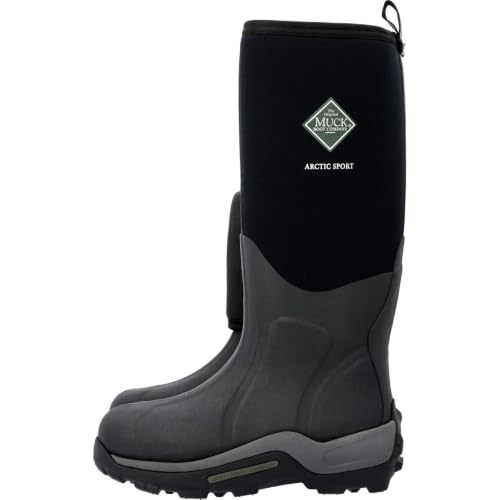
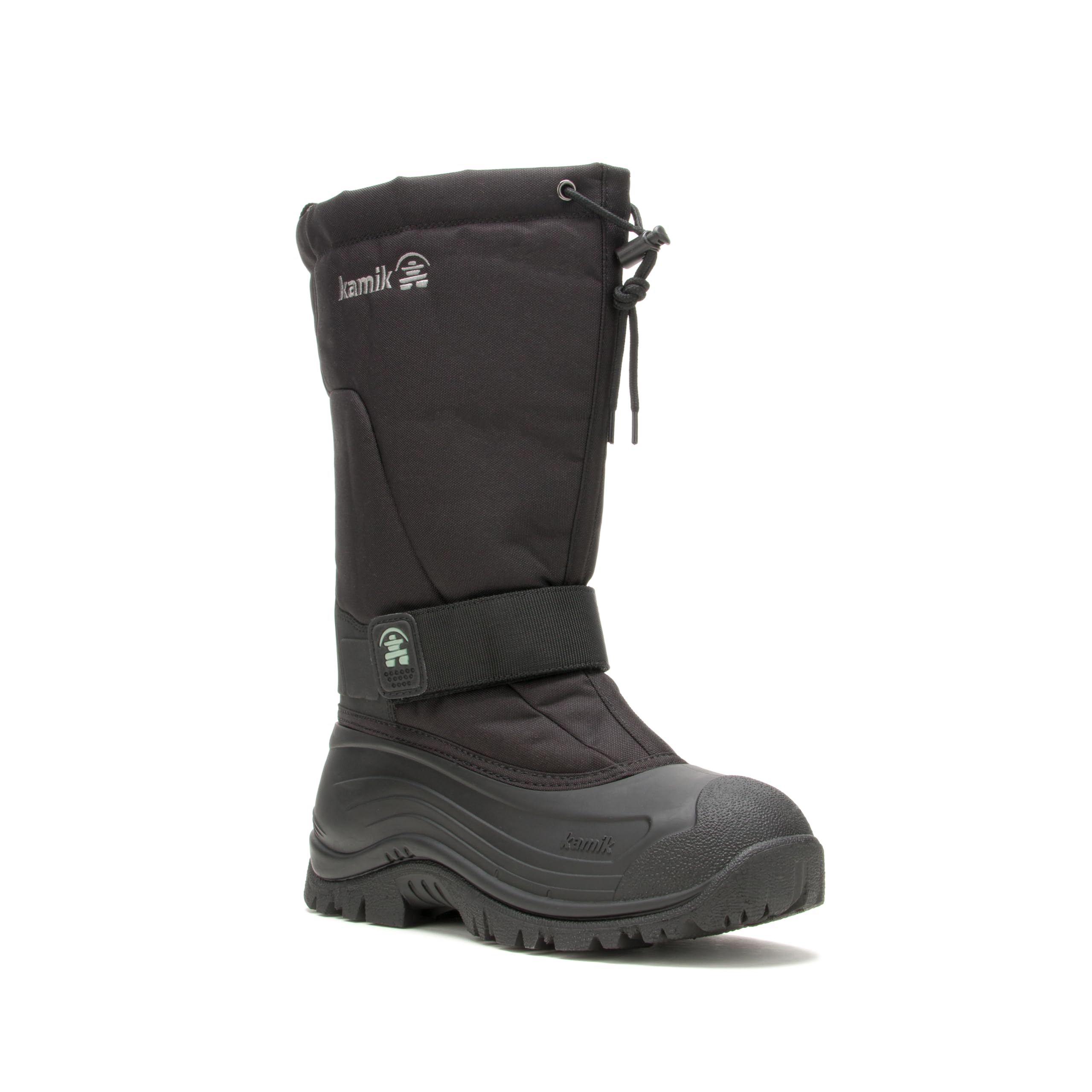


Who Should Buy Which Boots for Midwest Winter?
Midwest buyers split into clear groups. Your group decides how much insulation, height, and grip you truly need.
Commuters Who Walk on Cleared but Icy Sidewalks
You walk from a lot, a curb, or a train platform to a heated building, often on pavement that froze again overnight. Choose an insulated lace up boot with a grippy rubber outsole and a shaft above the ankle. You need steady footing on black ice at crosswalks more than extreme warmth. For a broader view of city styles, see our guide to the best winter boots for general winter use.
Households Who Shovel, Plow, and Work Outdoors
You clear the driveway, haul wood, and stand in snow while a plow or blower does the heavy work. Choose a pac boot or a tall insulated boot that seals at the calf, so snow stays out when you step off the cleared path. Warmth while standing still matters more for you than light weight, because you generate less body heat than a walker. Pick a closure you can work with gloves on.
Rural and Snow Belt Wearers Who Face Deep Snow
You live where lake effect bands or open fields drop fresh snow fast and wind pushes it into drifts across lanes and yards. Choose the tallest, warmest type you can find, with a removable liner you can dry overnight and room for very thick socks. A failed boot far from help is a real problem.
Types of Boots for Midwest Winter Compared
Three types cover nearly every Midwest winter. Compare them by snow depth, time outdoors, and how much walking you do.
Insulated Lace Up Boots for Daily Winter Wear
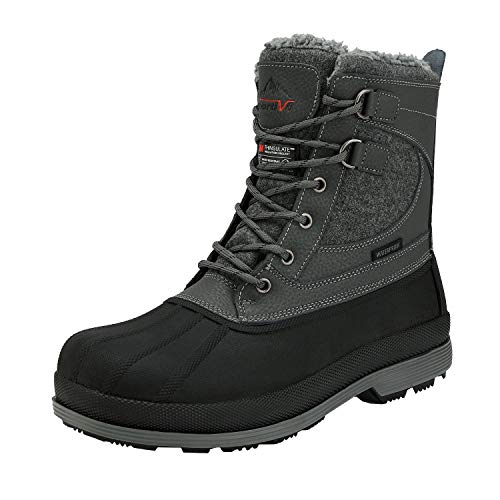
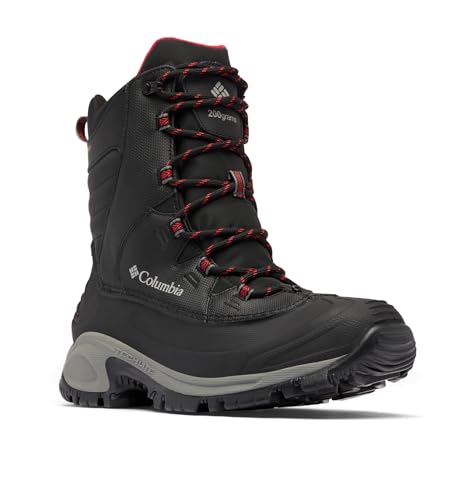
These look closest to sturdy hiking boots, with laces that adjust fit over thin or thick socks. Most carry about 200 to 400 grams of insulation, enough for active wear in cold from about 10 to 30 degrees Fahrenheit. They suit commutes, errands, dog walks, and light shoveling, and most cost about $80 to $160. Men comparing lower profile styles can also see our guide to the best boots men winter for that fit range.
Pac Boots with Removable Liners for Deep Snow and Extreme Cold
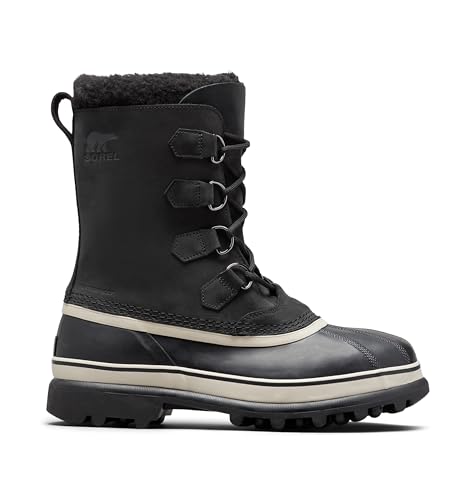
Pac boots pair a rubber lower section with a fabric or leather upper and a thick felt or foam liner inside. Many carry about 600 to 1000 grams of insulation or an equal liner rating for weather well below zero. The liner pulls out to dry, which matters after a wet day in deep snow. They feel heavy on pavement, but for standing work and yard chores they are the warmest choice here, at about $100 to $200.
Tall Slip On Boots for Quick Trips and Slush
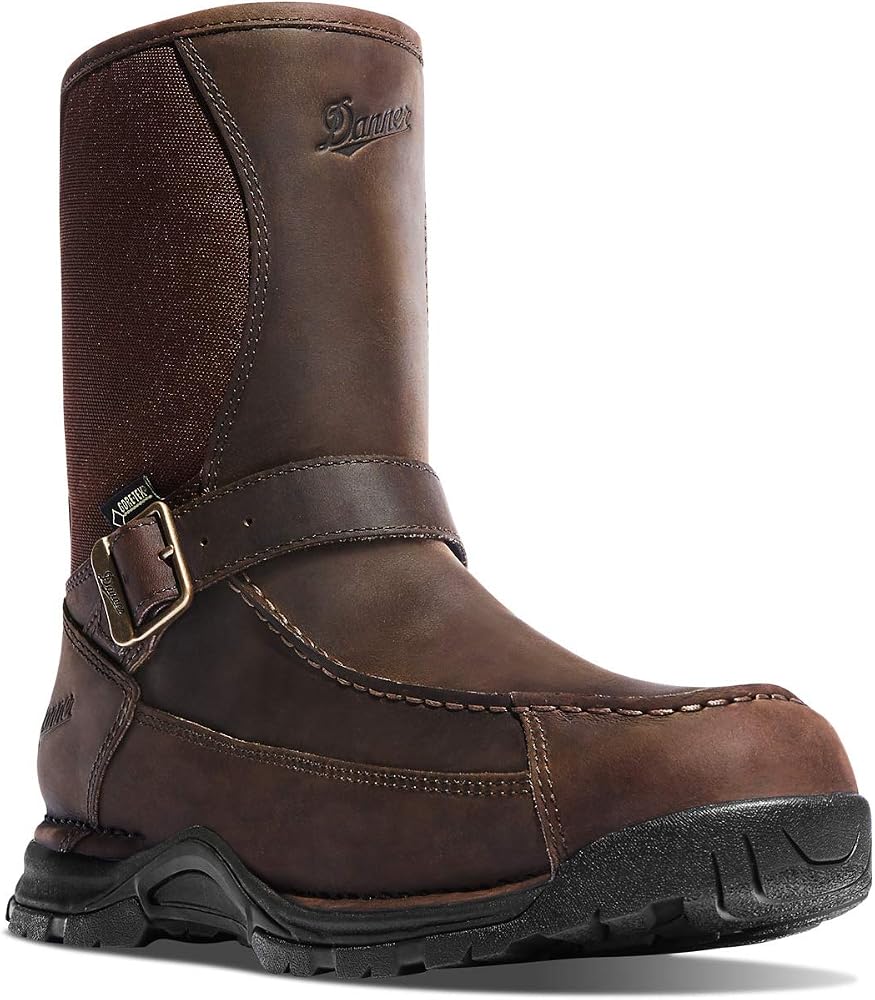
Tall slip on boots use a stretch panel or pull loops instead of laces, and many stand about 12 to 16 inches high. That height shines in slush puddles at curbs and in wet snow that would soak a shorter boot. Insulation varies widely, so check the gram weight before you assume a tall boot is a warm boot. They suit school runs and quick errands, and most cost about $70 to $140.
Key Features to Compare
That is why the best boots for midwest winter are judged first on warmth, grip, and snow protection, and only then on style. The five factors below explain what each spec means on a real sidewalk.
Insulation and Warmth in Subzero Cold
Insulation is sold by gram weight, and more grams trap more still air around your foot. About 200 grams suits active wear in mild cold, about 400 grams suits most Midwest days, and about 800 grams or a thick liner suits long, still exposure below zero. Ratings assume steady movement. If your day means standing at a bus stop or on a sideline, choose one step warmer than the rating suggests.
Waterproofing, Shaft Height, and Snow Entry
A waterproof membrane and sealed seams keep melt water and slush out, while shaft height decides whether snow gets in from the top. Ankle height is fine on cleared pavement, about 8 to 10 inches suits mixed use, and taller shafts suit drifts and unplowed lots. A snug cuff closes the gap where deep steps push snow downward.
Outsole Grip for Lake Effect Ice and Hard Packed Snow
Look for soft rubber that stays flexible in deep cold, because hard rubber skates on ice. Deep lugs, about 5 to 7 mm, bite into packed snow, while many small edges help on smooth frozen pavement. A wide, flat heel gives a stable plant when you step off a curb. No boot makes bare ice safe, so shorten your stride on glare ice.
Fit and Toe Room When You Layer Heavy Wool Socks
Try boots late in the day, when feet are largest, and wear the thick socks you plan to use outdoors. Your toes should wiggle freely, because a crowded toe box presses insulation flat and toes get cold sooner. Allow about half an inch in front of your longest toe, and expect to go up half a size from summer shoes. Women comparing a narrower heel and calf shape can see our guide to the best ladies winter boots for that size run.
Weight, Flex, and Closure You Can Use with Gloves
A heavy pac boot protects you in deep snow but tires your legs on a long walk across town. A lighter lace up boot flexes at the ankle and suits driving, stairs, and trips in and out of buildings. Test closures with gloves on before you buy. Small zipper pulls and thin laces are hard to manage with numb fingers, while large hooks and big pull loops stay easy all winter.
Common Mistakes to Avoid
- Buying fashion boots with smooth soles leaves you sliding on the first icy crosswalk of the season.
- Sizing boots with thin summer socks crowds your toes once thick socks go on, and crowded toes feel colder.
- Choosing maximum insulation for a mostly indoor day makes feet sweat, and damp feet chill fast back outside.
- Ignoring shaft height lets deep snow pour over the top when you step off a cleared path.
- Wearing cotton socks holds sweat against your skin and cancels much of the warmth you paid for.
- Drying soaked boots against a hot radiator cracks leather and weakens sole glue.
Care and Maintenance for Boots in Midwest Winter
Road salt is the main enemy in this region. Brush dry salt off after each wear and wipe uppers with a damp cloth in salty weeks, because salt draws moisture out of leather and leaves it stiff. Rinse rubber lowers with plain water. If leather looks dry, apply conditioner made for winter footwear and let it soak in overnight.
Dry wet boots at room temperature with liners and insoles removed, away from direct heat. Store boots upright through summer with shafts supported. Before first snow, check lug depth at the heel and look for cracks where the upper flexes.
Boots for Midwest Winter: Your Questions Answered
What features matter most in boots for Midwest winter cold and ice?
Warmth and ice grip matter most, in that order. Start with insulation matched to how still you stand outdoors, then check that the rubber stays soft in deep cold. One point buyers miss is wind. A boot that seals well at the calf, with no thin fabric at the ankle, keeps moving air from stripping warmth on open, windy blocks and rural roads.
Do boots for Midwest winter need to be waterproof?
Yes, boots for Midwest winter should be waterproof for most wearers. Snow here melts into slush full of salt, and one soaked afternoon can leave insulation damp for days. Check that seams at the toe flex point are sealed, because that bend is where water works in first. Only very short walks on cleared pavement can get by with water resistance alone.
Are expensive boots for Midwest winter worth the extra cost?
Expensive boots for Midwest winter are worth it when the price buys parts you can replace. A liner you can swap, or a replaceable insole, stretches one pair across four or five winters. Spread across those seasons, cost per winter often matches a cheap pair replaced every year. Pay for warmth, grip, and repairable parts, not fashion details.
Can I wear boots for Midwest winter all day at work?
Yes, you can wear boots for Midwest winter all day if your job moves you between indoors and outdoors. Give new boots a break in period of short wears first, because stiff winter soles can tire feet on concrete floors. If you sit for hours in a warm office, heavy insulation may overheat your feet, so keep indoor shoes at your desk.
How often should I replace boots for Midwest winter?
Replace boots for Midwest winter when warmth or grip fades, usually after about three to five winters of regular use. Signs are lugs worn smooth at the heel, insulation that feels flat on walks that used to feel fine, and cracks that let slush seep in. A fresh liner can add a season before you replace the whole boot.
The Bottom Line
Match the type to your winter first. Commuters do best with a grippy insulated lace up boot, outdoor workers with a warm pac boot, and slush wearers with a tall slip on style. Then check insulation, height, and toe room. Use the product table above to compare those points across types.
Chosen that way, best boots for midwest winter stop being a guess. You get warmth through a cold snap, footing you can trust on frozen pavement, and a pair that still serves you when the last snow melts.