Best Boots for Midfielders for 2026: A Buyer Checklist
Disclosure: We may earn a commission when you buy through links on this page, at no extra cost to you. As an Amazon Associate I earn from qualifying purchases. Learn more

Learn how to choose boots for midfielders with a practical checklist covering fit, traction, support, weight and spending levels for every playing style.
Midfielders run, turn, pass and defend in the same match, so their footwear has to handle more jobs than a boot built for one role. The best boots for midfielders balance grip for quick changes of direction, a clean touch on the ball, and enough support to stay comfortable through a full game. Use the comparison table below to weigh the main types side by side before you read the detail.
This guide works through a simple checklist instead of naming winners. Each section explains what to look for, what counts as a good result, and what should make you pause, so you can match a boot to your position, your surface and your budget.




Key Features to Compare
Midfield play asks for range, control and stamina in one package. The features below shape how a boot feels when you sprint into space, shield the ball under pressure, and still have energy left late in the game.
Features That Matter for Midfielders
A midfielder needs a boot that links running, passing and tackling without forcing a trade off that hurts one part of the game. Look for a snug midfoot hold so the foot does not slide on cuts, a forefoot that lets you feel the ball, and a stud layout suited to your usual surface. A boot that is too stiff will dull your first touch, while a boot that is too soft may twist when you plant and turn. Check that the boot supports short bursts, jogging between plays, and sudden stops, because all three show up in every match.
Fit, Sizing, and Toe Box
Measure both feet in the afternoon, when feet are slightly larger, and fit the larger foot first. The toe box should let your toes spread and flex without pressing against the front on a sprint, and the heel should stay locked when you stop hard. If you wear thicker match socks, try the boot on with those socks, not thin everyday socks. A half size change can alter how the boot grips and how the ball feels, so use the return window to test indoors before playing a full match.
Upper Materials and Breathability
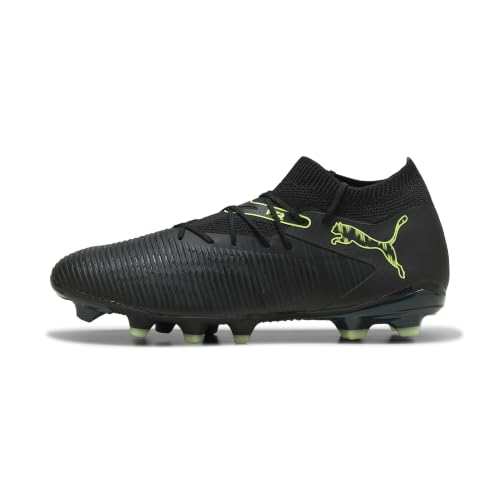
Leather uppers tend to mold to the foot and give a soft, close touch, but they need more care when wet and can feel heavier. Synthetic and knit uppers are usually lighter and dry faster, and many add texture to help grip the ball. Breathability matters most in warm conditions, where trapped heat leads to damp socks and blisters. Look for ventilation in the forefoot and tongue area, and remember that a very open upper may let in water on wet grass, so weigh climate against touch.
Arch Support and Foot Type
Your arch shape changes how pressure spreads across the foot during long spells of running. Flat feet often do better with a firmer midfoot and a stable base, while high arches often need more cushioning under the midfoot to fill the gap. Overpronation, where the foot rolls inward, calls for structure that resists that roll rather than a soft, shapeless insole. Try the boot with any insole you plan to use, and see a doctor if foot pain keeps coming back, changes how you run, or comes with swelling or numbness.
Weight and Flexibility
Lighter boots can make repeated sprints feel easier, but cutting weight by thinning the upper or sole can reduce protection in tackles. A flexible forefoot helps the foot bend naturally when you push off and strike the ball, while a rigid plate can feel faster on firm ground yet harsh on hard surfaces. Bend the boot by hand and walk in it: it should flex near the toes, not in the middle. Balance weight against durability, because a boot that wears out quickly costs more over a season.
Outsole Traction and Terrain
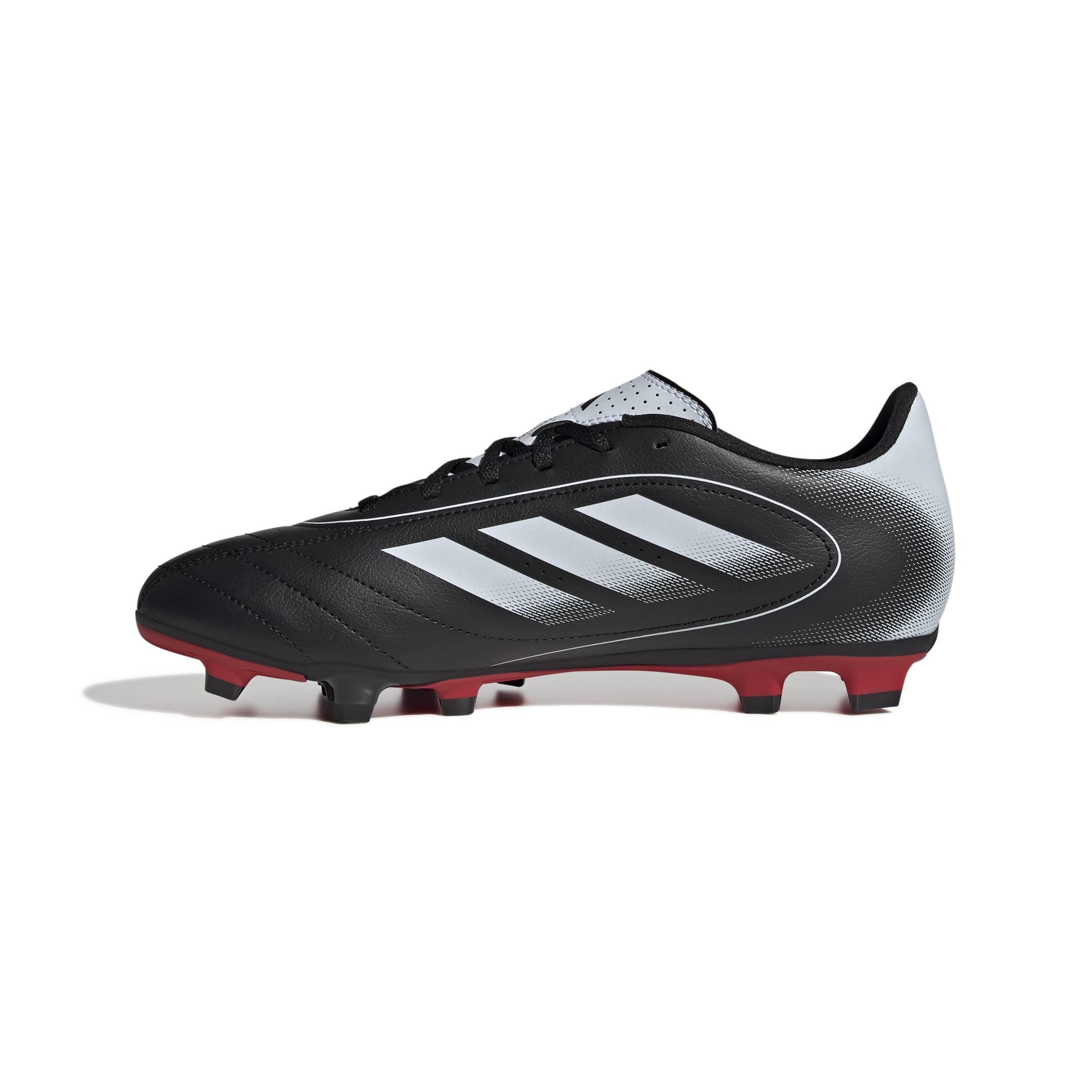
Stud shape and depth should match the ground you play on most often. Short, spread studs suit firm natural grass, longer studs suit soft and muddy ground, and low profile soles suit artificial turf and hard courts. The wrong layout can slip on wet grass or catch on turf and strain the ankle.
For a closer look at surface specific options, see our guide to the best soccer boots for midfielders and compare its traction advice with your usual pitch. Always check league and venue rules, since some surfaces ban certain stud types.
Durability and Expected Lifespan
Midfielders wear boots hard, so check stitching, bonding at the sole edge, and stud wear before you buy. Uppers that crease deeply at the forefoot or soles that peel after a few weeks signal weak construction. As a rough guide, regular players often replace boots every season, or after about 300 to 500 miles of running and play, whichever comes first. Rotating two pairs can extend the life of each pair, since it gives foam and glue time to recover between matches.
Spending Levels: What Changes as You Pay More
Price mainly buys lighter materials, a closer fit and finer finishing, not a guarantee of better play. Use these levels to decide where extra spending helps your game and where it does not.
Lower Spending: Everyday Training Value
Boots at about $40 to $80 usually use simple synthetic uppers, standard cushioning and a general stud layout. They suit training, casual matches and growing players who outgrow boots quickly. Fit and surface match matter more than extra features at this level, so spend time on sizing rather than chasing a premium label.
Middle Spending: Balanced Match Ready Choice
Boots at about $80 to $150 often add a better shaped upper, improved stud layouts and more refined cushioning. This level suits regular players who want a boot that feels close on the ball and holds up through a full season. Compare weight, forefoot flex and heel lock across options, since small fit differences matter more than a slightly lighter sole.
Higher Spending: Lighter Materials and Finer Touch
Boots above about $150 may use premium leather or advanced knits, thinner soles and tuned stud patterns. They can feel superb, but they may also wear faster and demand more care. Only pay this much if you play often, know your size and surface, and value a marginal gain in touch over a longer lifespan.
Quick Buyer Checklist
Run through these questions before you order:
- Does the boot fit your larger foot with match socks on?
- Does the heel stay locked when you stop and turn?
- Does the stud layout suit your usual surface and venue rules?
- Can your toes spread and flex without hitting the front?
- Does the upper give the touch and weather cover you need?
- Is the arch support right for your foot type?
- Is the weight and flex a good balance for your playing load?
- Does the warranty and return policy cover early sole or stitching failure?
Red Flags to Watch For
Be cautious when a listing gives vague specs, such as no stud length, no upper material and no weight range. Very short warranties, missing care guidance and inconsistent sizing information are also warning signs. Avoid boots that promise results no boot can guarantee, such as injury prevention or a faster sprint time. If the seller cannot say which surface the boot suits, the design may be too generic for serious midfield play.
How to Make Your Boot Last Longer
Air dry wet boots away from direct heat, since radiators and dryers can warp uppers and weaken glue. Remove loose mud after play, loosen laces before pulling boots off, and store them in a cool, dry place. Rotate two pairs for daily wear when you can, and check studs and sole bonding each month. Replace running style footwear after about 300 to 500 miles, and replace match boots sooner if the sole peels, the upper splits, or support collapses.
Boots: Your Questions Answered
What features matter most for a midfielder?
Fit, traction and ball feel matter most, because a midfielder sprints, passes and tackles in quick succession. A locked heel, a forefoot that bends naturally, and a stud layout matched to your surface cover the core needs. Add arch support suited to your foot type and an upper that suits your climate. For a related comparison, see our guide to the best football boots for midfielders and note how its surface advice lines up with your own pitch conditions.
Are expensive midfielder boots worth it?
Expensive boots are worth it only if you play often and already know your size, surface and preferred touch. Premium materials can feel lighter and closer on the ball, but they do not fix a poor fit or the wrong stud layout. Players who train once a week or are still growing often get better value from a middle priced pair. Spend the saving on a second pair for rotation or on proper match socks.
Can a midfielder wear the same boots all day?
Yes, for a match and training, but all day wear on hard ground can tire the feet because match boots prioritize grip and touch over walking cushioning. If you coach, travel or stand for hours after a game, change into walking shoes to let your feet recover. Keep match boots for play so the studs and upper last longer. If you notice persistent soreness after wearing boots all day, rest and see a doctor if it does not settle.
Does a midfielder need waterproof boots?
Most midfielders do not need fully waterproof boots, since sealed uppers can trap heat and dull ball feel in normal conditions. Water resistant uppers help in light rain, but on soaked pitches grip and drainage matter more than sealing. Leather needs drying and conditioning after wet play, while synthetics dry faster. Choose waterproofing only if you regularly play in heavy rain or on waterlogged ground.
How long does it take to break in new midfielder boots?
Most boots need two to four light sessions to soften, with leather often taking longer than synthetic or knit. Wear them for short training drills first, not a full competitive match, and stop if you feel sharp pressure or hot spots. Lacing adjustments and match socks can ease early tightness. If pain persists after several sessions, the size or shape is likely wrong, and a different fit will help more than extra break in time.
How often should a midfielder replace boots?
Replace boots when the sole peels, studs wear unevenly, the upper splits, or support no longer holds the foot steady. For regular players this often means once a season, and heavy players may need a new pair sooner. Track mileage as a guide: about 300 to 500 miles of running and play is a common replacement range. Keeping an old pair for casual training after it stops suiting matches can stretch value without risking match performance.
Final Thoughts
Fit, surface matched traction and a touch you trust are the three tests that matter most. Start with your larger foot and your usual pitch, then let weight, upper material and spending level refine the choice. The best boots for midfielders are the pair that lets you cover ground, control the ball and finish the match in comfort, so check the product table above once more before you decide.