Best Boots for Marines by Budget for 2026: A Practical Guide
Disclosure: We may earn a commission when you buy through links on this page, at no extra cost to you. As an Amazon Associate I earn from qualifying purchases. Learn more

Learn how to compare boots for marines by budget, fit, traction, and materials, so you can spend where it matters and skip features that add little value.
Choosing best boots for marines starts with a simple problem: prices range widely, and the most expensive pair is not always the most useful pair for a given duty day. A boot that feels fine for a short walk can feel very different after hours on your feet, on mixed ground, and in changing weather. This guide compares types, features, and budgets so you can judge any pair on the same points.
Use the comparison table below as a quick reference while you read, then work through fit, traction, materials, and long term costs before you decide. The sections that follow explain what each price level usually buys, which features are worth paying for, and which ones you can safely skip for your routine.




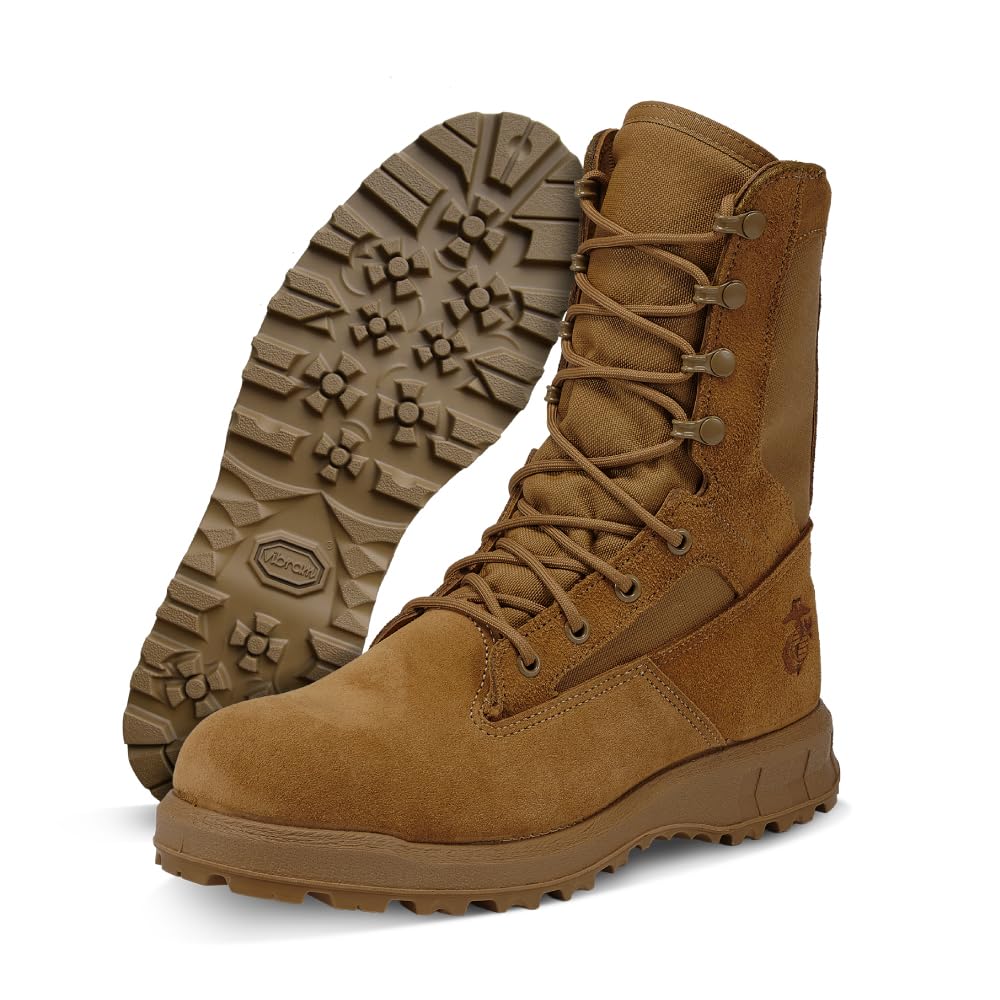


Spending Levels Compared
Budget groups are a planning tool, not a quality ranking. A lower price pair can serve well for lighter duties, while a higher price pair may suit longer days and rougher ground. Focus on construction, fit, and sole design within each group rather than on a brand name or a marketing label.
Lower Price Choices
Lower price boots often use simpler uppers, basic cushioning, and a straightforward sole pattern. They can work well for shorter duties, training on even ground, and as a second pair for rotation. Check the toe box width, the heel hold, and the sole grip before you judge them, since those points affect comfort more than a small price difference does. Expect a shorter break in period but also a shorter overall life under hard daily use.
Middle Price Choices
Middle price boots usually add better cushioning, a more durable upper, and a sole compound that grips better on wet or loose surfaces. This range suits many service members who need one dependable pair for varied duties. Look for solid stitching, a supportive midsole, and a fit that stays comfortable after several hours. Many buyers find the best balance here between daily comfort and replacement cost.
Higher Price Choices
Higher price boots often bring stronger materials, refined cushioning, and soles designed for specific terrain. They may also offer better water resistance and a more precise fit system. Paying more makes sense when your duties involve long days, heavy loads, or frequent exposure to wet and rough ground. Even at this level, check the fit carefully, because no material can fix a boot that pinches the toes or slips at the heel.
What Your Money Gets You at Each Price Tier
Price tiers differ in materials, construction, and finish, but the differences matter only when they match your duties. Use this section to set expectations before you shop, and compare pairs side by side on the same features rather than on price alone.
Budget Tier: What to Expect
At the budget level, expect functional boots with basic comfort and moderate durability. Uppers may be simpler, cushioning may flatten sooner, and water resistance may rely on a coating rather than a full membrane. These boots can still be a smart choice for lighter duties or for a backup pair. Inspect the sole bond, the stitching, and the insole quality, since those details reveal more than the price tag does.
Midrange Tier: A Balanced Choice for Most Buyers
The midrange level usually offers the strongest mix of comfort, durability, and value. Cushioning tends to last longer, uppers resist scuffs better, and soles grip more reliably on varied ground. This tier suits service members who need one pair for many duties and want to avoid replacing boots often. Compare weight, breathability, and sole design here, because small differences show up clearly over a long day.
Premium Tier: When Spending More Pays Off
The premium level can pay off when duties demand long wear, heavy loads, or harsh conditions. You may get tougher uppers, advanced cushioning, and soles built for mud, gravel, or wet pavement. Spending more also makes sense if you need a precise fit or a wider range of sizes. Still, confirm the return or exchange terms, since fit remains personal even when materials improve.
Features Worth Paying For (and Ones to Skip)
Some features change daily comfort in a real way, while others add cost without adding much function. Judge each feature against your duties, your terrain, and how many hours you spend on your feet each day.
Fit, Sizing, and Toe Box
Fit matters more than any other feature. Measure your feet in the afternoon, when they are slightly larger, and wear the socks you plan to use on duty. A roomy toe box lets your toes spread naturally, which reduces pressure on long days. If the heel slips or the forefoot feels cramped, try another size or width before you accept the pair.
Outsole Traction and Terrain
Outsole design decides how steady you feel on wet pavement, gravel, mud, and smooth floors. Deeper lugs shed mud better, while a flatter pattern grips smooth surfaces more evenly. Look for a sole compound that stays flexible in cool weather and does not feel slick on wet ground. Test the grip on a slope or a wet surface when you can, since a sole that looks rugged does not always grip well.
Features That Matter for Marines
Service duties often combine standing, walking, climbing, and quick movement, so a boot must support all of them. Look for ankle support that steadies the foot without blocking natural movement, a shank or midsole that resists twisting, and a sole that handles both pavement and loose ground. A protective toe cap helps on rough duties, and a closure system that stays secure matters when you cannot stop to adjust laces. Always check employer and unit rules before you buy, since dress and safety requirements vary.
Upper Materials and Breathability
Uppers balance protection, weight, and airflow. Full leather resists scuffs and water well but can feel warm and heavy. Fabric panels improve airflow and reduce weight but may wear faster on rough ground. A mixed upper often gives the best balance for varied duties, and in heat favor breathability while in wet conditions favor water resistance and quick drying.
Break In Period and Comfort Out of the Box
Some boots feel comfortable at once, while others need several short wears to soften. A long break in period is not a sign of quality by itself, and a boot that hurts badly on the first wear rarely improves enough to justify keeping it. Wear new boots for short periods first, and check for pressure points at the toes, the ankle bones, and the heel. Replace the insole if the stock insole feels flat, since that small change often improves comfort a lot.
Long Term Costs to Factor In
The purchase price is only part of the total cost. Insoles wear out, laces break, and soles lose grip over time, so plan for replacements. A second pair for rotation can extend the life of both pairs by letting each one dry fully between wears. Check the warranty terms before you buy, keep receipts and care instructions, and note the purchase date and wear hours to judge when a pair is due for replacement, since a slightly higher price can cost less over time if the boot lasts longer and needs fewer repairs.
Frequently Asked Questions
What features matter most in boots for marines?
Fit, ankle support, sole grip, and upper durability matter most, because they affect comfort and steadiness across a full duty day. A roomy toe box and a secure heel reduce pressure and blisters, while a well designed sole grips varied ground. Breathability and water resistance matter too, but their value depends on your climate and duties. Start with fit and traction, then weigh materials and weight against your routine.
Do I need waterproof boots for marines?
Waterproof boots help when you work in rain, mud, or standing water, but they can feel warmer in hot weather. A waterproof membrane adds protection, while a water resistant coating sheds light rain and dries faster. Consider how often you face wet ground and how much heat you face on a typical day. If wet duties are rare, a breathable pair with good drainage may serve you better.
Can I wear marine boots all day?
Many service members wear boots all day, but comfort depends on fit, weight, cushioning, and how well the pair matches your duties. A boot that fits well and supports the arch usually feels better after hours than a lighter pair with poor support. Take short breaks to air your feet when you can, and rotate pairs if possible. See a clinician if pain, numbness, or swelling persists, since those signs need professional advice.
How should boots for marines fit?
Boots should feel snug at the heel and midfoot, with room for your toes to move freely. Try them on in the afternoon with duty socks, and walk on a firm surface for several minutes. Your toes should not press the front when you step downhill, and your heel should not lift much when you walk. If you feel pressure at the ankle bones or across the forefoot, try another width or size.
Are expensive boots for marines worth it?
Expensive boots are worth it when the extra cost buys durability, comfort, or traction that matches your duties. Longer days, rougher ground, and heavier loads all raise the value of better materials and construction. For lighter duties, a midrange pair often gives similar comfort at a lower total cost. Compare sole design, upper quality, and fit first, and let price follow those points rather than lead them.
Final Thoughts
Start with fit, then check traction, ankle support, and upper durability against your duties and climate. Use the price tiers as a guide, not a verdict, and remember that a well fitting midrange pair often beats a poorly fitting premium pair. For a related option, see our guide to best marine corps boots if your unit requirements point that way. Review the product table above once more, and choose the best boots for marines for the days you actually work, not for the hardest day you imagine.