
Best Boots for Landscape Construction in 2026: What Actually Matters Before You Buy
Disclosure: We may earn a commission when you buy through links on this page, at no extra cost to you. As an Amazon Associate I earn from qualifying purchases. Learn more

Compare best boots for landscape construction by traction, waterproofing, toe protection, fit and support, with a buyer checklist for muddy mixed terrain.
Landscape construction asks one pair of boots to handle wet soil, loose gravel, stone dust, and long hours on your feet. The best boots for landscape construction grip when the ground turns slick, keep water out during irrigation work, and protect your toes around pavers and tools. Use the comparison table below to judge each pair against your usual ground.
This guide turns that judgment into a simple checklist. You will match boot types to hardscape, planting, and grading work, and compare the features that decide comfort and safety. Start with your wettest, roughest task, because a boot that handles it well usually handles easier days too.






Who Should Buy Which Landscape Construction Boots?
Your daily tasks should decide the boot. A crew member who sets stone needs different protection from someone who plants beds or checks grades.
Hardscape Crews Who Set Patios, Walls, and Steps
You kneel, lift, and carry heavy stone across gravel and uneven subgrade. Choose a safety toe, a stiff shank, and a sole that resists punctures from sharp aggregate. A taller shaft supports your ankle when you pivot with a paver. Accept a heavier boot if it keeps your feet safe.
Planting and Irrigation Crews Who Work in Wet Soil
You dig in damp beds, kneel in mulch, and stand in shallow water while you adjust lines and emitters. Choose waterproof boots with a sealed tongue and an upper that sheds mud instead of soaking it up. A lighter build and a flexible forefoot help when you climb in and out of trenches. Open mesh takes in gritty water fast, so save it for dry jobs.
Site Leads and Estimators Who Walk Mixed Ground All Day
You move between finished lawns, bare dirt, gravel drives, and fresh pavement while you measure, mark, and check grades. Choose a lighter boot with firm cushioning and a sole that cleans mud out as you walk. Crews who set grades also rely on levels, so see our guide to the best construction levels for the tools that pair with this work.
Key Features to Compare
Compare these six factors in order, from the ground up, so a low price cannot hide a weak sole or a poor fit.
Outsole Traction and Lug Pattern for Mud and Gravel
The outsole is your contact with mud, wet stone, and loose gravel, so its pattern matters more than its brand name. Lugs about 4 to 6 mm deep bite into soft soil, and wide gaps between lugs shed mud instead of packing smooth. A flatter heel brake helps on slopes with a loaded wheelbarrow. On wet pavers, a siped rubber compound grips better than hard tread, so favor a mixed pattern if you work both soil and finished surfaces.
Waterproofing That Still Lets Heat Escape
A waterproof membrane such as Gore Tex blocks outside water while it lets some sweat vapor escape, and sealed seams keep puddle water out at the stitch lines. That protection suits irrigation repairs, morning dew, and rainy grading days. The tradeoff is warmth, since a membrane boot dries slowly once water enters over the collar. For mostly dry excavation and stone dust, a water resistant leather upper with no membrane breathes better and dries faster overnight.
Safety Toe and Puncture Protection for Stone and Tools
A safety toe guards your toes when a paver, a wall block, or a compactor foot lands wrong. Steel toes offer strong protection in a slimmer shape, while composite toes weigh less and feel less cold in winter. Check that the toe meets the safety rating your site rules require. A puncture plate in the midsole adds protection against nails and sharp stone during demolition work.
Fit, Sizing, and Room in the Toe Box
Measure and try boots late in the day, when your feet have swollen from work, and wear the thick socks you use on site. Your toes should wiggle without touching the front on a slope, and your heel should stay seated as you walk. A roomy toe box helps when you kneel, because cramped toes go numb during long sets. If one foot is larger, fit that foot first.
Arch Support, Cushioning, and Stability on Uneven Ground
Uneven ground twists your foot with every step, so stability matters as much as soft cushioning. A firm heel counter, a supportive arch, and a modest heel to toe drop of about 8 to 12 mm help most workers stay balanced under load. Flat feet often do better with a structured insole, while high arches often need more cushion under the heel. Persistent numbness, sharp heel pain, or swelling that does not settle after rest needs a medical professional, so talk with your clinician about personal needs.
Upper Materials, Ankle Support, and Expected Lifespan
Full grain leather resists abrasion from block edges, edging tools, and brush better than thin synthetic panels, and it molds to your foot over time. Synthetic uppers weigh less and break in sooner, but grit wears them faster. A shaft of about 6 to 8 inches supports the ankle on slopes and keeps gravel out. With daily site use, a quality leather boot often lasts several seasons.
Landscape Construction Boot Types Compared
Most boots for this trade fall into three types, and each trades protection, weight, and water handling in a different way.
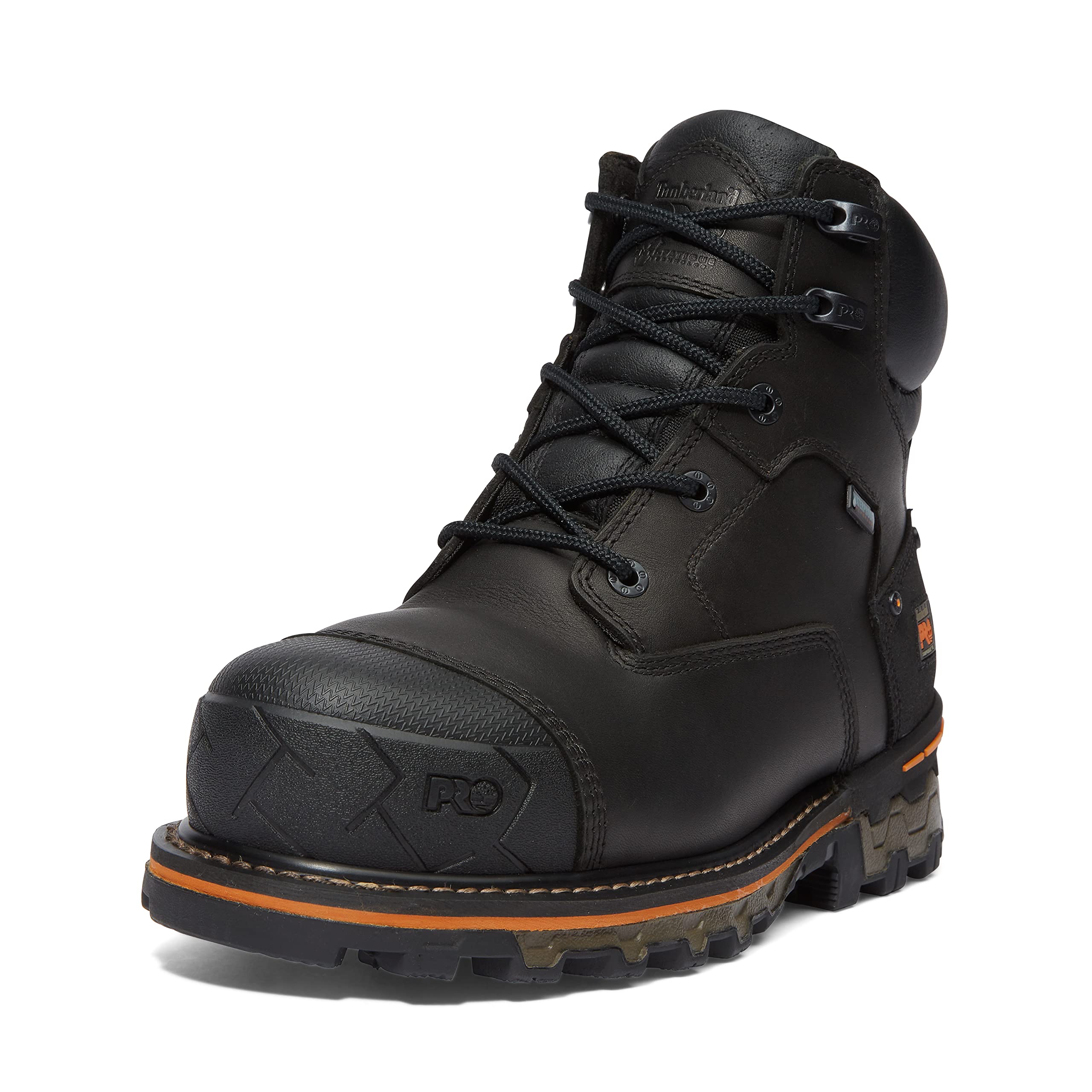
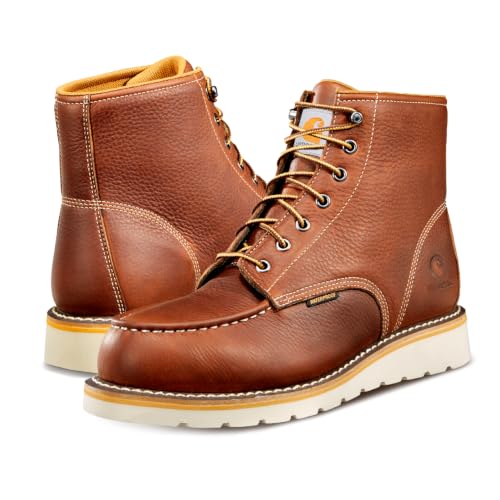
Traditional leather safety toe boots suit hardscape and demolition work best, because their stiff soles and durable uppers tolerate stone, dust, and tool contact. They weigh the most and need the longest break in. If your projects shift toward general building tasks, see our guide to the best construction boots for how ratings carry across trades.
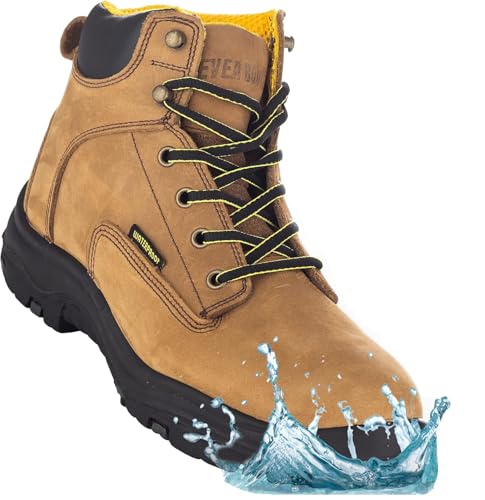
Lighter hiker style work boots offer softer cushioning, a more flexible sole, and often a composite toe. They suit planting, grading, and long site walks, though their soles wear faster on sharp aggregate. Many workers who compare the best boots for landscape construction with lighter options land here when all day comfort matters most.
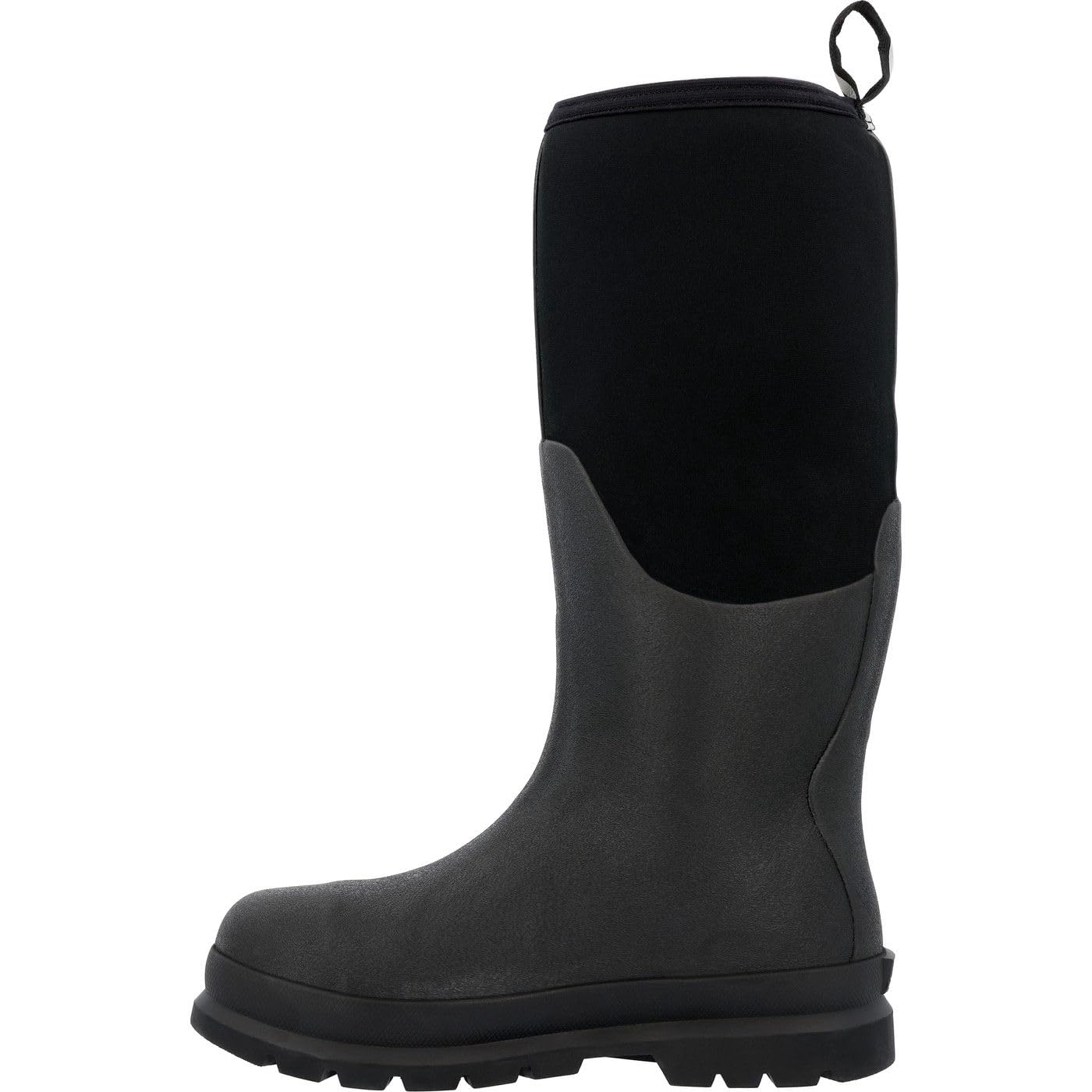
Pull on and tall rubber boots serve wet tasks, from washdowns to flooded trenches, because they have no laces to clog and no tongue gap for water. They offer less ankle support, so treat them as a wet weather backup. See our guide to the best work boots for construction if your wet work happens mostly on paved sites.
Quick Buyer Checklist for Landscape Construction Boots
Answer these questions for your hardest regular task before you order.
- Does the sole shed mud and still grip wet stone?
- Does the toe protection match the rating your site requires?
- Can you wiggle your toes while wearing thick work socks?
- Does the heel stay seated when you walk down a slope?
- Will the waterproofing suit your wettest task?
- Does the shaft keep gravel and soil out?
- Can you dry this pair fully between workdays?
Common Mistakes to Avoid
Most early boot failures come from repeatable choices, not bad luck.
- Buying for dry weather only leaves feet soaked on the first irrigation repair.
- Choosing a soft trail sole for stone work wears lugs flat and raises puncture risk.
- Sizing boots in the morning leaves no room once feet swell by midday.
- Ignoring the safety rating your site requires can get a new pair sent home unused.
- Wearing one pair every day without drying time breaks down cushioning and breeds odor.
- Picking style over shaft height lets gravel in and forces stops to empty it.
Care and Maintenance for Landscape Construction Boots
Knock dried mud off the soles and uppers each evening, then brush grit from the seams. Stuff damp boots loosely with newspaper and let them air dry away from direct heat, because a heater can crack leather and weaken adhesives. Rotate two pairs on wet jobs so each pair dries fully.
Condition leather once it looks dry and pale, and reproof it when water stops beading on the surface. Check laces, eyelets, and sole edges each week. Retire a pair when the toe cap shows through or the sole splits, because its protection is gone.
FAQ
What features matter most in boots for landscape construction work?
Traction, toe protection, and a fit that holds your heel matter most for landscape construction work. Beyond the body sections, consider load weight over time, because a boot that feels fine in a store can tire your legs by the final hour. Ask your crew lead which standards past crews used on similar sites.
Do landscape construction boots need to be waterproof?
Landscape construction boots need to be waterproof if your work includes irrigation, wet beds, or rainy grading. If your jobs stay dry, a water resistant upper may serve you better and feel cooler. For cold month work, a membrane also blocks slush that would otherwise soak socks and chill your feet.
How long does the break in period last for landscape construction boots?
The break in period for landscape construction boots usually lasts about one to two weeks of regular wear. Stiff leather pairs sit at the long end of that range, while lighter synthetic pairs settle sooner. Wear a new pair on shorter tasks first, and keep your older pair in the truck as a backup.
Are expensive landscape construction boots worth the extra cost?
Expensive landscape construction boots can be worth the cost when the extra money buys a resoleable build and stronger leather. A boot that a cobbler can resole spreads its price across more seasons than a glued pair you discard. Compare cost per season rather than the tag price alone.
How should landscape construction boots fit at the toes and heel?
Landscape construction boots should fit with thumb width room at the toes and a heel that barely lifts as you walk. Try them on a ramp if the store allows it, because downhill steps reveal front toe contact that flat floors hide. Bring the insoles you plan to use.
Wrapping Up
Start with the ground you work on most, then check traction, toe protection, and fit in that order. Waterproofing, support, and shaft height follow from your tasks. Use the product table above to compare the pairs that pass those checks.
When you judge best boots for landscape construction by your hardest task instead of your easiest one, the right type usually stands out quickly. Choose the pair that protects you on that task, and care for it well.


