
Best Boots for Ladders in 2026: Every Type Explained Side by Side
Disclosure: We may earn a commission when you buy through links on this page, at no extra cost to you. As an Amazon Associate I earn from qualifying purchases. Learn more
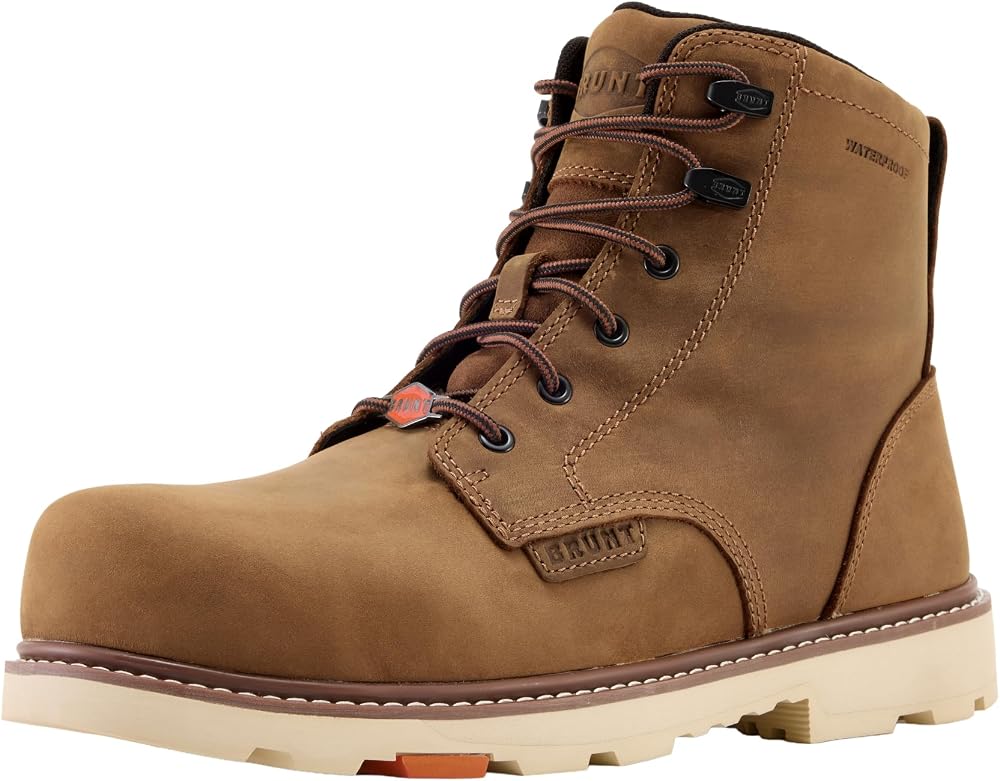
Compare the best boots for ladders by type, heel, shank and grip, with fit checks, care tips and price guidance to choose the right pair for rung work.
Boots that feel fine on flat ground can feel wrong on a narrow rung. The best boots for ladders lock a defined heel against the rung, support your arch over a small contact area, and grip when dust or light rain covers the steps. This guide explains each type so you can use the comparison table below with clear priorities.
Start with how you climb. A roofer who spends an hour at height needs different support from a technician who climbs six times daily for short checks. Your ladder type and stand length will point you to the right heel, shank and upper.





Who Should Buy Which Boots for Ladder Work?
Match the boot to your most frequent climb, because long stands and quick climbs load feet differently.
Roofers and Painters Who Stand on Rungs for Long Stretches
You need a tall defined heel, a firm shank and strong arch support, because a rung presses into one narrow band of your foot. Choose a shaft of about 8 inches for ankle stability and a leather upper that resists scuffs. Logger style boots suit you best.
Electricians and Maintenance Technicians Who Climb Many Times a Day
You climb often but stand briefly, moving between floors, soil and rungs. Choose a heeled work boot with a composite toe if your site requires one, plus electrical hazard rated soles near live circuits. When tasks change height through the day, see our guide to the best adjustable ladder to pair ladder and boot well.
Warehouse and Construction Workers Who Split Time on Ground and Ladders
You walk concrete, carry loads and still climb for stock checks. Choose a heeled boot with cushioning and a toe box wide enough for thick work socks. Avoid a flat wedge sole as your main pair for daily ladder work, because it gives less heel edge to catch a rung.
Types of Boots for Ladders Compared
Four boot types cover most ladder work, differing in heel shape, shank stiffness and grip on wet rungs. Prices run from about $90 to $250 depending on leather, toe protection and resole options.
Logger Boots With a Tall Defined Heel
Logger boots have a raised heel of about 1.5 to 2 inches and a distinct heel breast, the front face that catches the rung edge. They suit long outdoor stands, but feel heavy on flat ground and cost more, often about $180 to $250.
Heeled Work Boots With a Steel or Fiberglass Shank
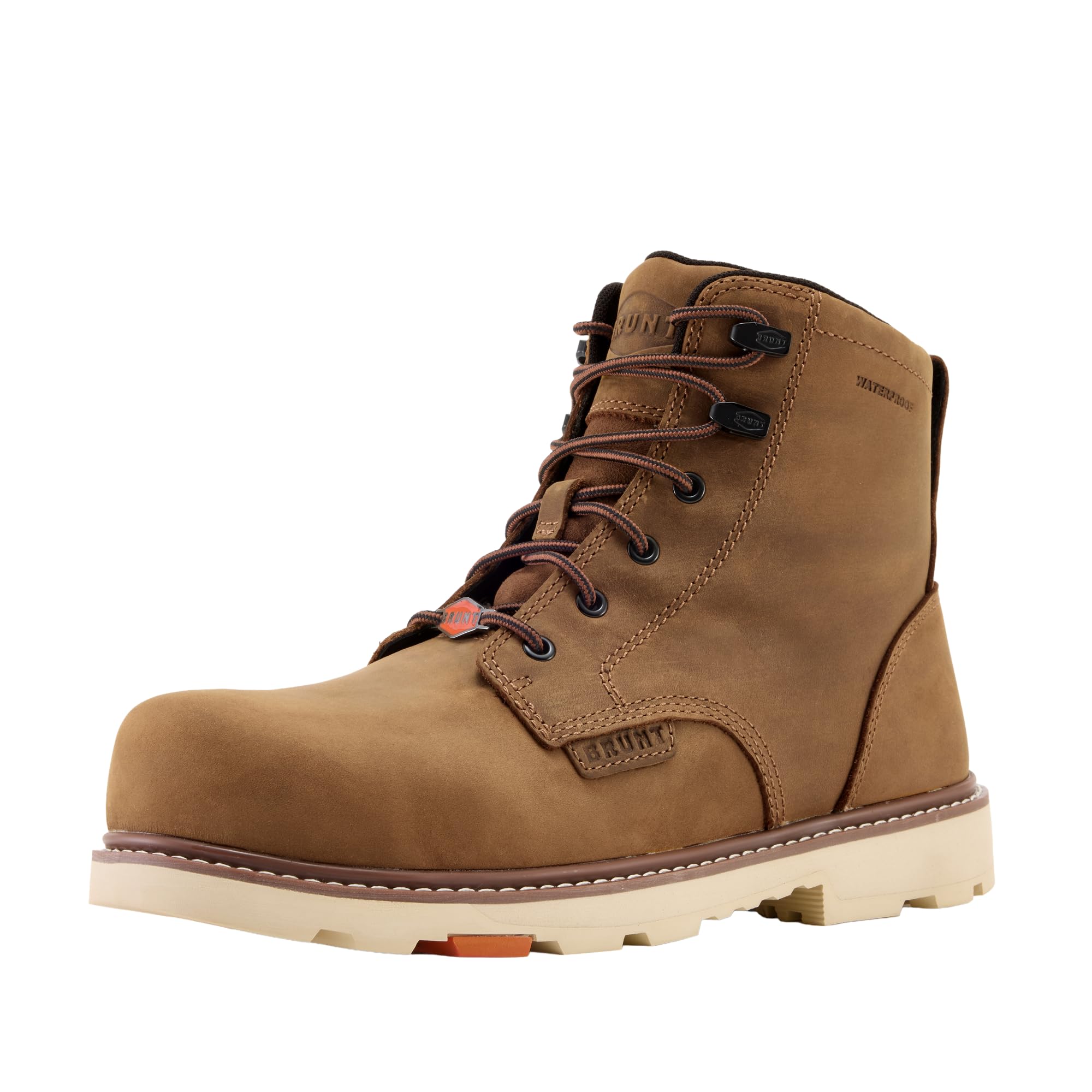
This versatile type suits mixed trades. A moderate heel of about 1 to 1.5 inches catches rungs, while a steel or fiberglass shank supports your arch. Most cost about $110 to $190. For a closer look at this group, see our guide to the best work boots for ladders.
Waterproof Work Boots for Outdoor Ladder Work
Waterproof boots use a sealed membrane, often Gore Tex or a house version, inside a leather or synthetic upper. They keep feet dry on wet roofs and muddy sites. The trade off is warmth, because a membrane makes the boot less breathable in summer. Expect about $130 to $220.
Wedge Sole Boots and Why They Suit Ground Work Better
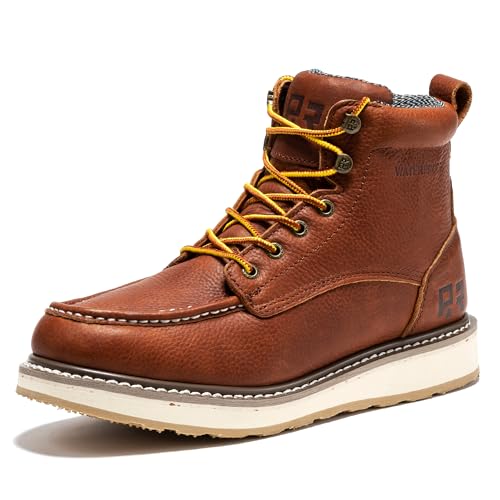
Wedge sole boots spread weight across a flat sole, which feels kind on concrete. On a rung, there is no heel breast to catch the edge, so your foot can slide and your calf works harder. Keep wedges for ground days and choose a heeled pair for climbing.
Heeled Boots vs Wedge Sole Boots for Ladder Work
A heeled boot locks onto the rung and transfers load through the shank, so it wins for frequent or long climbs. A wedge boot cushions flat ground better, but asks your foot to grip without help from heel shape. It can serve for occasional short climbs if tread is deep and clean.
If you climb daily, make the heeled boot your main pair. For tall outdoor climbs, see our guide to the best extension ladders and match ladder angle to boots with a clear heel breast.
Key Features to Compare
Compare these five factors in order, because the first two decide whether a boot belongs on a ladder at all. That order separates the best boots for ladders from ordinary work boots.
Defined Heel and Heel Breast That Catch the Rung
The heel breast is the vertical front face of the heel, and it hooks the rung when you shift weight. Look for a heel of about 1 to 2 inches with a sharp, clean breast rather than a rounded edge. Taller heels help on steep ladders but can feel unstable on flat floors, so mixed ground climbers do best mid range.
Ladder Shank and Arch Support for Long Rung Stands
A shank is a stiff strip between insole and outsole that bridges the rung and spreads pressure across your arch. Steel feels firmest for heavy users and long stands, while fiberglass weighs less and conducts cold less readily. Without a real shank, the sole flexes around the rung and your arch tires fast.
Outsole Grip, Tread Depth and Slip Resistance
Rung grip comes from rubber compound and tread shape, not depth alone. Look for a slip resistant and oil resistant outsole with lugs that clear dust rather than packing smooth. Wipe the sole before you climb, since sawdust or paint film can undo good tread on the first step.
Shaft Height, Ankle Support and Stability
A shaft of about 6 to 8 inches supports your ankle when a rung is damp or a ladder shifts under load. Taller shafts suit roof work, while a 6 inch shaft feels easier for driving. Lace through all eyelets and use the top hooks, because loose laces let your heel lift and reduce stability.
Safety Toe, Electrical Protection and Cushioning
Choose steel toes for heavy handling, composite toes for cold sites or metal detectors, and soft toes only where your site allows them. Electrical hazard rated boots add secondary protection on dry surfaces, but never replace lockout steps or a safety professional on live work. Cushioning should soften heel impact yet stay firm at the arch. If you notice numbness, sharp arch pain or pain lasting into the next morning, talk with your clinician about personal needs.
How to Choose the Right Size for Ladder Work
Measure both feet late in the day, when they are largest, and size for the larger foot. Wear normal work socks, because thin socks can hide a tight toe box. Leave about a thumb width before your longest toe so toes do not jam when you descend.
Then do a rung check. Stand on a low rung for two minutes, shift weight, and confirm the heel breast catches without sliding. Your heel should stay seated, with no lace pressure burning across your foot. A boot that pinches on day one rarely improves.
Common Mistakes to Avoid
- Climbing in sandals or worn flat soles removes the heel catch and raises the chance of a slip.
- Choosing a wedge sole for daily ladder work leaves no heel breast to hold the rung.
- Buying boots in thin socks leads to a tight fit once feet swell during a shift.
- Ignoring a rounded or cracked heel breast lets the boot skate off a rung under load.
- Climbing with mud packed in the tread turns a slip resistant sole into a smooth one.
- Relying on electrical hazard boots alone near live circuits skips steps that prevent contact.
Care and Maintenance for Boots Used on Ladders
Brush dirt from tread and heel breast after each shift, and pick out packed grit so edges stay sharp. Air dry wet boots away from direct heat, stuff them with paper, and rotate two pairs if you climb daily.
Condition leather when it looks dry, check laces for fraying, and test the shank by flexing the boot at the arch. A boot that flexes easily, shows sole separation or has a heel worn into a curve should leave service, even if the upper looks sound.
FAQ
Are expensive boots for ladders worth the extra cost?
Expensive boots for ladders are worth it when the price buys a resoleable build, full grain leather and a replaceable insole, which extend service life across years of rung work. A higher price for styling or extra padding alone adds little. Check whether local shops can resole the model before you pay a premium.
Can you wear boots for ladders all day at work?
Yes, you can wear boots for ladders all day if the arch stays supported and your toes have room by the final hour. Plan a short seated break after long rung stands, because constant pressure on one band of the foot builds fatigue even in a good boot. Alternate ladder and ground tasks when you can.
Do you need waterproof boots for ladder work?
You need waterproof boots for ladder work only when climbs are outdoors in rain, snow or wet grass. Indoor technicians gain little and may find sealed boots hot by midday. One case many buyers miss is morning dew on metal rungs, so outdoor workers who start early often benefit even on days that later turn dry.
How long is the break in period for boots for ladders?
The break in period for boots for ladders is usually about 20 to 40 hours for leather models. Start with ground shifts and short climbs, then add longer stands once the upper softens at the ankle. Keep a proven older pair in rotation, because breaking in boots on your longest ladder day invites blisters.
How often should you replace boots used on ladders?
You should replace boots used on ladders when the heel breast rounds off, tread smooths at the ball of the foot, or the shank starts to flex. For daily climbers that point often arrives after about 12 to 24 months, before the upper wears out. Mark the purchase month inside the shaft to judge age during inspections.
Wrapping Up
Put heel shape and shank support first, then grip, shaft height and toe protection. Match type to your climb pattern, size in work socks late in the day, and keep tread clean. Use the product table above to compare those points.
When you judge best boots for ladders by rung fit rather than ground comfort, the safer choice stands out. Order the pair matching your longest regular climb.


