
Best Boots for Ladder Work: The Buyer Checklist We Use for 2026
Disclosure: We may earn a commission when you buy through links on this page, at no extra cost to you. As an Amazon Associate I earn from qualifying purchases. Learn more

Heel breast, shank and grip that hold on a rung: the best boots for ladder work, with a buyer checklist.
Standing on a narrow rung changes what a boot has to do. Your weight sits on a small strip of the sole, your heel needs a firm edge to settle against the rung, and your ankle works harder to keep you steady. Choosing best boots for ladder work starts with a clear checklist, not with color or brand.
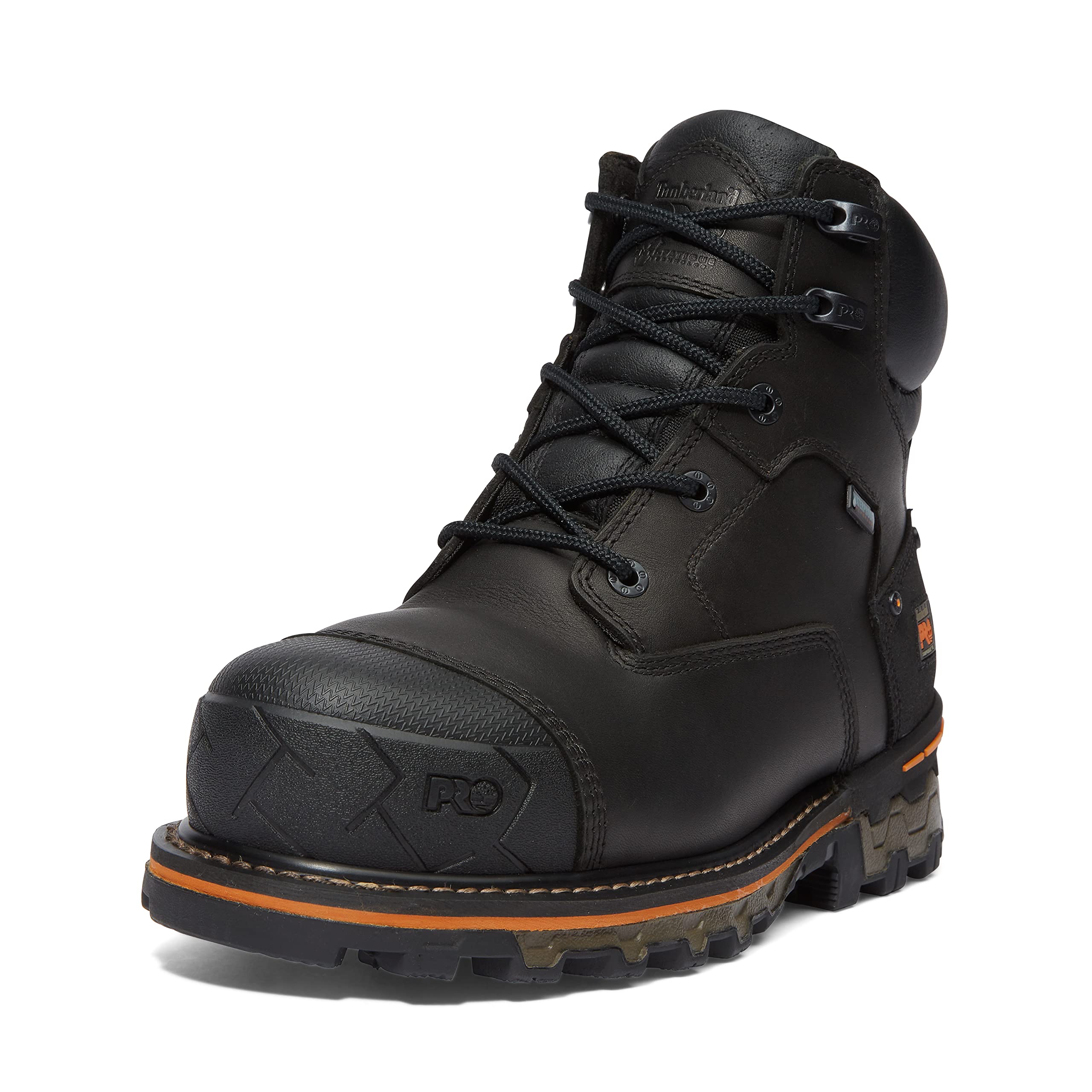
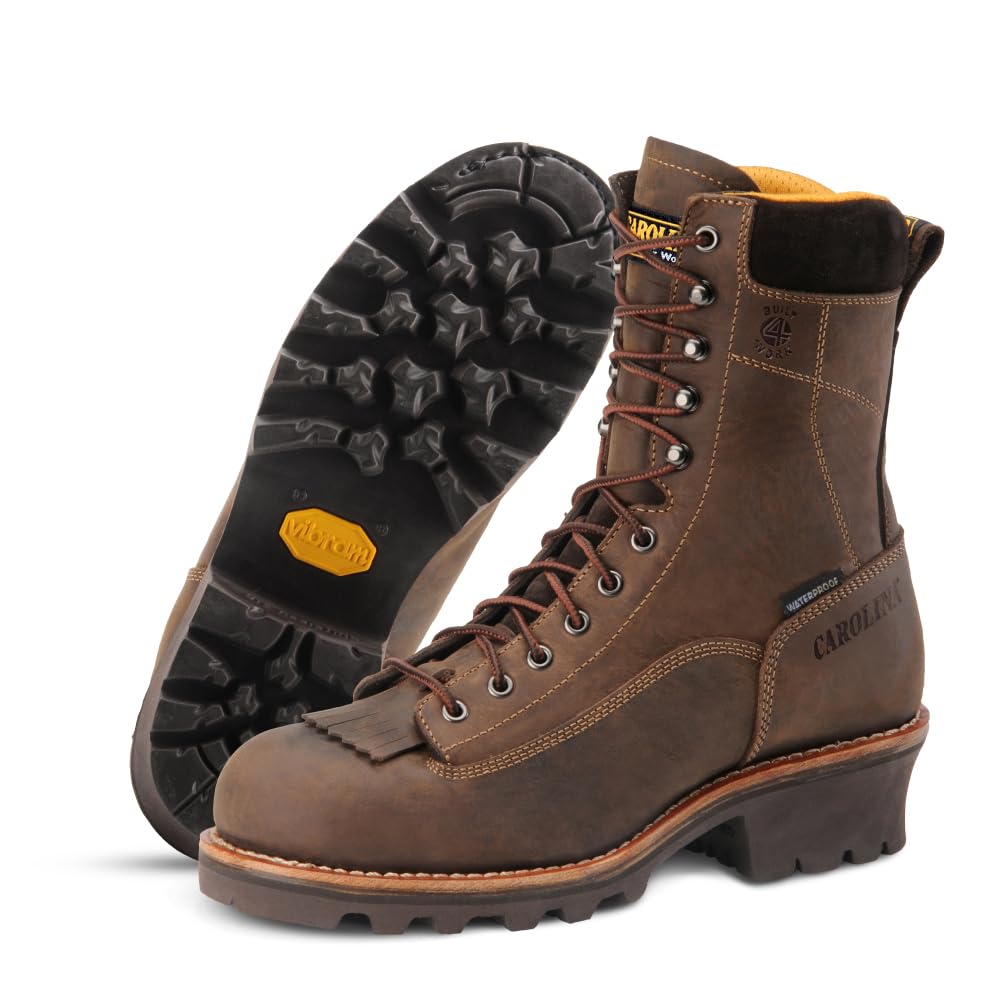
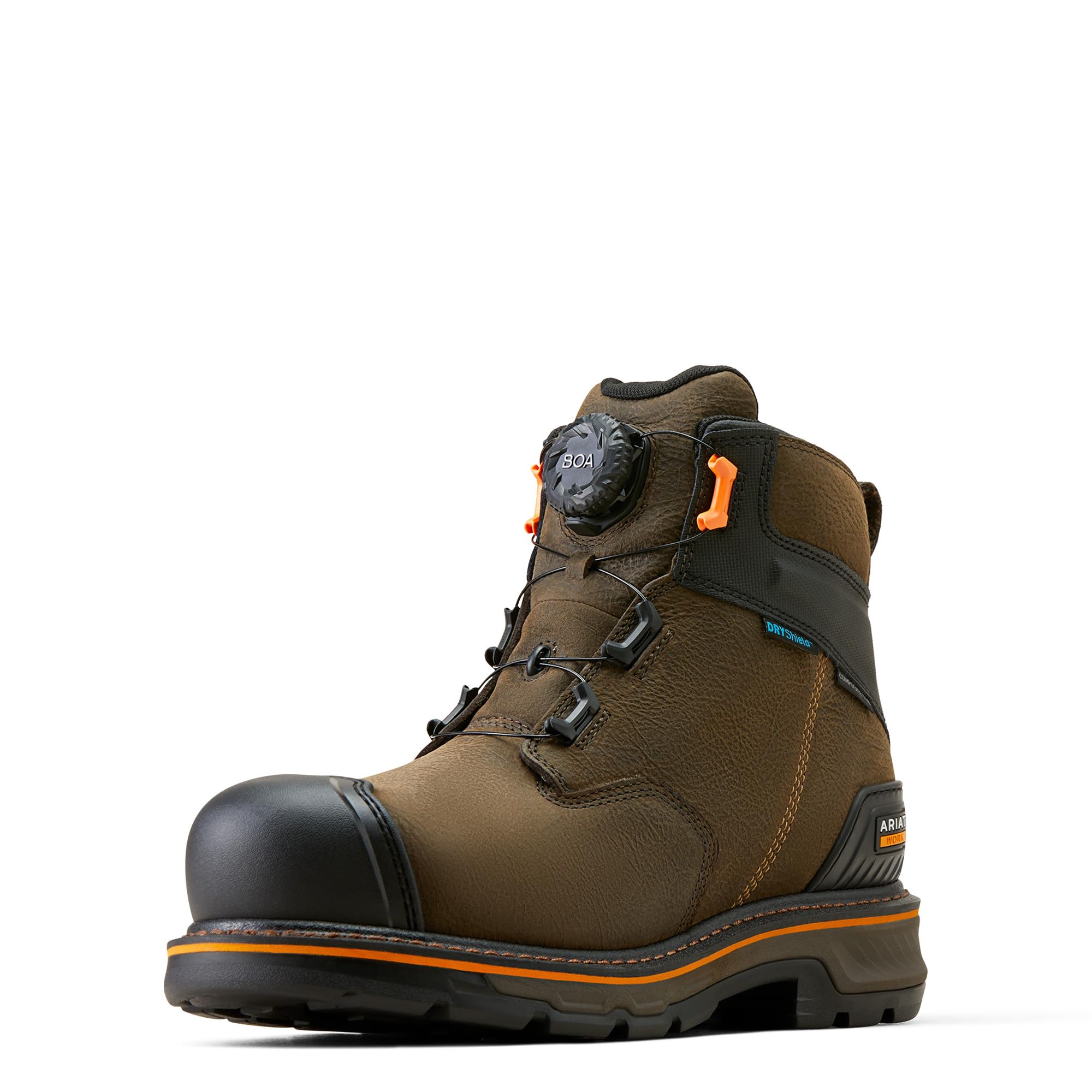
Use the comparison table below to scan shaft heights, toe types, and sole designs, then read on for the details behind each line. By the end you will know how to judge fit, grip, support, and safety ratings for your job.




Key Features to Compare Before You Buy
Most days are on flat ground, but the risky minutes happen on rungs, where contact area shrinks and a small slip carries real consequences. Work through the factors below in order, since fit and sole design matter most when you judge best boots for ladder work candidates.
Features That Matter Most on Rungs
Start with the outsole and heel. A defined heel with a squared breast, the front face of the heel, gives the rung a clear place to sit and helps stop your foot sliding forward. A flat fashion style sole with almost no heel offers far less security.
Stability also comes from the midsole. A shank, often steel, fiberglass, or stiff nylon, supports the arch area so the boot does not flex and sag around the rung under your weight. If your job mixes ground tasks with long climbs, see our guide to the best work boots for climbing ladders for more on rung focused sole design.
Fit, Sizing, and Toe Box
Measure both feet late in the day, when they are at their largest, and size to the larger foot. Your toes should spread without pressing the front, and your heel should stay seated when you step up and lean forward.
Widths matter as much as length. If the midfoot feels pinched, try the wide fitting in the same size before going a full size up, since extra length can let the foot slide. Men shopping across brands will find sizing varies, so see our guide to the best men's work boots for broader fit context. Always try boots with work socks on.
Weight and Flexibility
Every climb lifts your boots rung by rung, so weight you barely notice on the ground becomes real work by midday. Lighter boots reduce leg fatigue on jobs with constant up and down movement, such as painting, siding, and gutter work. Heavier boots bring thicker leather and stronger puncture protection for demolition and rough framing, so match weight to your hazards.
Flexibility needs balance too. A sole that bends easily at the ball walks comfortably, yet too much flex under the arch lets the boot wrap around a rung and strains your foot. The sweet spot is a boot that flexes forward for walking but stays stiff across the middle.
Cushioning and Support
Cushioning softens the impact of stepping down from rungs and walking hard surfaces all day. Very soft cushioning can feel unstable on a rung because your foot rolls slightly as foam compresses. Firmer cushioning with a stable base usually serves ladder work better.
Heel to toe drop, the height difference between heel and forefoot, also shapes the feel on rungs. A modest drop places the heel breast in a natural position against the rung and suits workers used to traditional boots. Very low drop designs may strain calves at first, so change gradually.
Arch Support and Foot Type
Your arch type decides how much support a boot must provide. Flat feet tend to roll inward, a motion called overpronation, and they do better with firm arch support and a stable heel counter. High arches roll outward and concentrate pressure on the heel and forefoot, so they need more cushioning under those points. Neutral arches suit most standard insoles.
A wet footprint on cardboard shows your type: a full print suggests flat feet, a thin curved band suggests high arches. If the stock insole never feels right, see our guide to the best inserts for work boots for options that add support without changing boot size. Persistent foot, ankle, or knee pain deserves a talk with a clinician or a podiatrist rather than guesswork with insoles alone.
Break In Period and Comfort Out of the Box
Full grain leather boots usually need a break in period of one to two weeks of regular wear before the upper shapes to your foot. Wear new boots for short shifts or around the house first, not for a full day that ends with blisters. Synthetic uppers often feel comfortable sooner, though they may wear earlier.
Comfort out of the box still needs checking. Walk, crouch, and step up and down a sturdy step at home while the return window is open. Hot spots on the heel or pressure across the toes rarely improve with time, and they point to a fit problem rather than a break in issue. Swap size or width early.
Choosing Safety Ratings, Materials, and Waterproofing
Once fit and sole design are settled, three decisions remain: safety toe and ratings, upper material, and whether waterproof boots suit your work. The product table above lists toe types and ratings, so use this section to understand those labels.
Safety Toe and Electrical Hazard Ratings
Safety toes come in steel, composite, and alloy forms. Steel handles heavy impact well at a moderate price, while composite toes weigh less and do not conduct cold or electricity. Alloy toes sit between the two on weight. All three can meet the same ASTM standards, so choose by site rules, temperature, and weight.
Electrical hazard ratings, marked EH on the label, mean the sole and heel are built to reduce shock risk under dry conditions, a real concern near live circuits on metal ladders. Slip resistance and puncture resistance are separate ratings, so read each line of the spec sheet rather than assuming one rating covers all hazards. Match any employer rating list exactly.
Leather, Synthetic Uppers, and Gore Tex Membranes
Full grain leather remains the durable standard. It resists abrasion from rung edges and lumber, molds to the foot over time, and can be cleaned and conditioned for years. Synthetic uppers cut weight and dry fast, but scuff sooner and protect less against dropped tools.
For wet work, waterproof boots use a sealed membrane inside the upper. Gore Tex is the best known of these membranes, built to block outside water while letting sweat vapor escape, though no membrane keeps feet fully dry in hours of heavy rain. Waterproofing adds warmth, so hot climate crews may prefer plain leather with a repellent treatment. Decide from typical weather, not your worst day.
Shaft Height, Ankle Support, and Lacing Systems
Shaft height shapes ankle support on uneven rungs and rough ground. Six inch boots walk lightly and suit jobs that mix driving, ground work, and short climbs. Eight inch boots add padding and coverage around the ankle, which helps when you brace a foot on a rung at an angle or step onto joists and debris.
Lacing decides how well that support holds through a shift. Hooks at the top speed lacing and let you set different tension above and below, snug at the ankle and looser at the toes. A heel lock loop made with the top eyelets pulls the heel back and cuts lift that causes blisters on climbs. Keep laces tied and flat, since a dangling lace near rails is a snag hazard.
Quick Buyer Checklist
Run through these questions before you order, and again when the boots arrive. Background in our guide to the best work boots can help if you are weighing styles for mixed duties.
- Does the heel have a defined breast that seats clearly on a rung or a sturdy step?
- Does the outsole feel grippy and stable on dry and slightly wet surfaces?
- Does the midsole stay stiff across the arch when you press or twist it?
- Can you spread your toes inside the toe box while wearing work socks?
- Does your heel stay in place when you step up, down, and lean forward?
- Does the safety toe type and rating match your employer or site requirements?
- Is the shaft height enough for the ankle support your tasks demand?
- Can you return or exchange the boots after an indoor trial if the fit feels wrong?
If you answered no to any of the first five questions, keep looking, since waterproofing or premium leather cannot fix a boot that feels unsteady at height.
Red Flags to Watch For
Weak boots often reveal themselves in the listing. Watch for these signs, including any model described simply as the best boots for ladders without clear specs to back the claim.
- Vague sole descriptions with no mention of a shank, heel design, or tread pattern, which leaves rung grip unproven.
- No stated ASTM or other safety rating even though the boot is sold as protective footwear.
- A very low price paired with thin looking leather and glued construction that cannot be resoled or repaired.
- Review patterns that repeat the same phrases and praise comfort but never mention ladders, rungs, or job sites.
- A warranty or return policy so short that you cannot test the boots indoors and still send them back.
One red flag alone does not always end the decision, but two or more together should move you to another option. Treat vague safety information as missing information, and choose a boot whose maker explains its sole, ratings, and construction clearly.
Setup and Care Tips for Ladder Boots
Set up a new pair before its first shift. Lace with even tension, use the heel lock loop at the top eyelets, and test the heel hold on a sturdy step. Keep lace ends clear of rails and rungs.
Care for the boots themselves, not footwear in general. Brush off dirt after each shift, and let wet boots air dry at room temperature away from direct heat, which cracks leather and weakens glue. Condition leather when it looks dry, and rotate two pairs if you climb daily. At home, sandals and recovery footwear let tired arches rest.
Inspect the heel breast and outsole edges every few weeks, since rung contact wears those spots first. Replace boots when the heel edge rounds over, the tread smooths, or the midsole feels soft at the arch. Sudden swelling, lingering numbness, or sharp pain after a fall needs medical care, and ongoing pain is a reason to talk with your clinician.
Frequently Asked Questions
What features matter most in boots for ladder work?
A defined heel, a stiff shank, and a grippy outsole matter most in boots for ladder work. Together they keep your foot seated and stable on a narrow rung under full body weight. One detail buyers overlook is heel height consistency between a main pair and a backup pair, since switching heights changes how your foot finds the rung by feel during fast climbs and descents.
Are expensive boots for ladder work worth the cost?
Expensive boots for ladder work are worth the cost when the extra money buys resolable construction, better leather, and a replaceable insole. Those traits extend service life across years rather than a single season, which lowers cost per wear. Budget pairs can still suit occasional ladder use a few times a month, as long as the heel design, shank, and safety ratings meet the same checklist.
How should boots for ladder work fit for all day wear?
Boots for ladder work should fit snug at the heel and midfoot with clear space ahead of the toes. That space matters more by evening, when feet swell after hours of standing and climbing, so a fit that feels perfect at breakfast can feel tight by the final task. Trying boots in the afternoon with work socks gives the most honest picture of all day comfort.
How long is the break in period for boots for ladder work?
The break in period for boots for ladder work is usually one to two weeks of regular wear for leather models. A useful test during that time is a short session at low height, stepping up and down a few rungs to check heel hold before you trust the boots higher. Synthetic models often need only a few days, but stiffness at the arch should stay.
Do boots for ladder work need to be waterproof?
Boots for ladder work need to be waterproof only when your tasks regularly involve rain, wet ground, or washdown areas. For mostly dry indoor or summer work, waterproof membranes add heat and slow drying after sweat builds up. One middle path is plain leather treated with a water repellent spray, which sheds light rain during short outdoor climbs without sealing in warmth all day.
Final Thoughts
A good ladder boot earns its place through three things: a heel and outsole that seat securely on rungs, a fit that holds your heel while freeing your toes, and support that keeps your arch and ankle steady through a full shift. Compare your shortlist against the product table above one more time, question by question.
Break in your pair gradually and inspect the heel and tread as part of your routine. Chosen with this checklist, best boots for ladder work become a tool you trust every time you step onto the first rung.


