
Best Boots for Jumping Horses in 2026: Budget, Midrange, and Premium Picks
Disclosure: We may earn a commission when you buy through links on this page, at no extra cost to you. As an Amazon Associate I earn from qualifying purchases. Learn more

Tendon and fetlock protection by price tier: the best boots for jumping horses, with fit and care tips.
Prices for horse leg boots span a wide range, and a higher price does not always buy protection your horse needs. The best boots for jumping horses shield tendons and fetlocks from strikes, stay put through a course, and let the leg feel a rail. This guide sorts the spending by tier so you can use the comparison table below with a clear plan.
Start with how your horse jumps and how often. A careful horse schooling twice a week needs a different boot from a bold horse that rubs rails at shows, and the sections below match style and frequency to design, fit and budget.


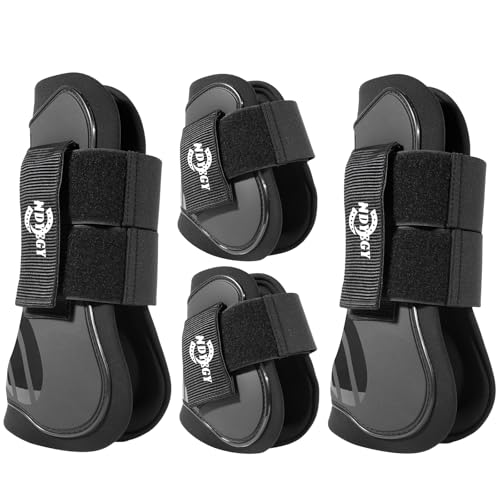
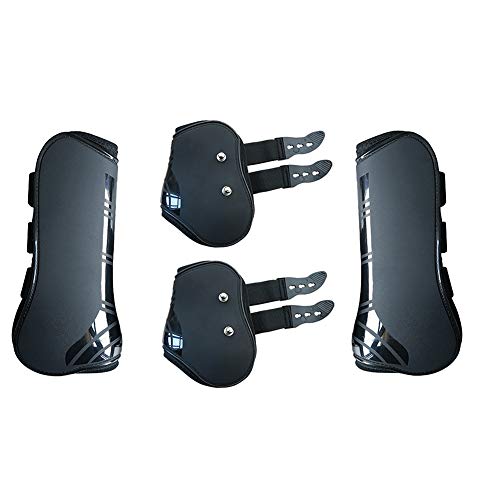

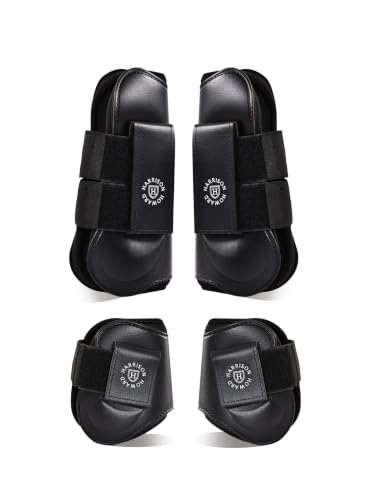


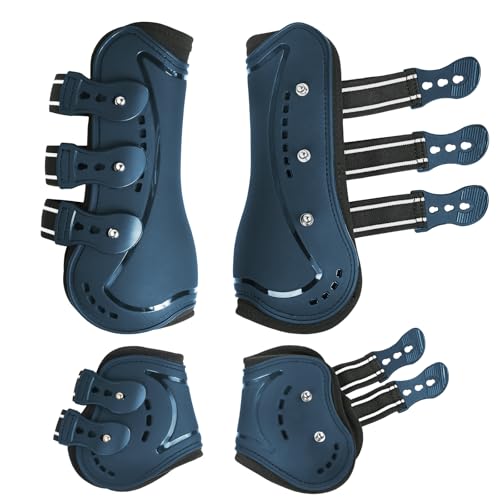
Who Should Buy Which Boots for a Jumping Horse?
Pick by the work your horse does most weeks. Boots for daily schooling can be wrong for the show arena, and boots built for hard knocks can be more than a careful horse needs.
Schooling Riders Jumping Several Days a Week
You need a boot that goes on fast, rinses clean and survives repeated use over small fences. Choose a tough shell, a lining that sheds sand, and straps you can clean easily. Budget and midrange pairs usually serve this group well, since schooling boots wear out sooner than show boots.
Show Riders Who Want a Neat Leg in the Arena
You need protection that looks tidy in photos and stays quiet against the leg during a round. Choose a shaped shell that follows the cannon bone closely, straps that lie flat, and a finish that wipes clean between classes. Midrange and premium pairs tend to fit this brief, because that shaping costs more to make.
Owners of Horses That Strike or Brush Their Legs
Some horses knock a hind leg into a front leg at landing, and others brush one leg past the other between fences. These horses need stronger strike padding inside the boot and full coverage on the hind fetlocks. Choose coverage first and looks second, and watch your horse move in new boots before jumping.
Key Features to Compare
When you compare the best boots for jumping horses, work through design, coverage, fit, closures and materials in that order. Each factor changes how the boot guards the leg or how long it stays comfortable in work.
Open Front Versus Closed Front Design
An open front boot leaves the front of the cannon bone exposed while a hard shell guards the tendons at the back of the leg. That design lets your horse feel a light touch on a rail, which many trainers value. A closed front boot wraps the whole leg and suits young horses and horses that strike the front of the leg.
Tendon and Fetlock Protection
The tendons down the back of the cannon bone carry great force at takeoff and landing, and a strike from a hind shoe can injure them. Look for a firm shell or dense padding over that rear area, shaped to stay centered as the leg flexes. Hind boots should cover the inside of the fetlock, where knocks land most often.
Fit Around the Cannon Bone and Fetlock
A jumping boot should sit snug around the cannon bone without squeezing the tendons, and its lower edge should cup the fetlock without digging in as the joint flexes. Sizes usually rest on cannon circumference and leg height, and pony, cob and full sizes vary between makers. A boot that slides down will rub and sore the leg.
Closures and Strap Security
Most jumping boots close with hook and loop straps, and premium models may add studs or buckles for finer adjustment. Straps should fasten with even pressure from top to bottom, with no single strap doing all the work. Elastic inserts help a boot follow the leg, but stretched elastic lets it creep during a course. Replace worn straps early.
Shell and Lining Materials
Outer shells are often molded plastic or a tough synthetic, sometimes with a leather outer for the show arena. A hard shell spreads the force of a strike, while a softer boot guards mainly against brushing. Linings are commonly neoprene or smooth foam that cushions the leg and rinses clean. Vented shells help heat escape on warm days, since legs warm up under any boot and tendons tolerate heat poorly in long sessions.
Schooling to Show Ring: What Each Tier Buys
Price tiers here buy shaping, materials and finish more than raw coverage. A plain shell can guard a tendon well, while extra money mostly refines fit.
Budget Tier: Simple Shells for Everyday Schooling
Budget pairs often cost about $30 to $60 for a front pair. Expect a molded shell, neoprene lining and two or three hook and loop straps, with plain sizing that fits average legs. The trade off is a less shaped fit, fewer vents and straps that wear sooner. This tier suits schooling at home, where replacement cost matters.
Midrange Tier: Shaped Fit for Regular Jumping
Midrange pairs often cost about $60 to $120 for a front pair. You usually get a shell shaped to the cannon bone, better padding over the tendon area, smoother linings and straps that hold adjustment through a course. Matching hind boots also become easier to find here. For most riders jumping weekly, this tier balances protection, fit and price well.
Premium Tier: Refined Shells and Venting for Competition
Premium pairs often cost about $120 to $220 for a front pair. Spending more buys lighter shells, vented designs, fine strap adjustment and finishes that look sharp at shows. Some use leather outers or foams that absorb harder strikes. This tier pays off if your horse competes often or has a leg shape cheaper boots fit poorly.
How to Measure and Fit Jumping Boots on Your Horse
Measure each front leg, since left and right can differ slightly. Wrap a soft tape around the middle of the cannon bone for circumference, then measure from below the knee to the fetlock for height. Compare both numbers with the size chart for the exact boot you want, since a cob size from one maker can match a full size from another.
Fit the boots on a clean, dry leg and fasten the straps with even pressure. You should be able to slide one finger between boot and leg at the top. Walk and trot in hand and check that the boots stay centered. Stop and call your veterinarian if you see swelling, heat, a wound or lameness, and talk with that professional before you jump again.
For everyday leg wear away from fences, see our guide to the best horse boots. Turnout differs again, and our guide to the best fly boots for horses covers mesh boots that guard against biting insects in the field.
Common Mistakes to Avoid
- Fastening one strap far tighter than the others presses on the tendon and lets the boot twist as the leg flexes.
- Buying by horse height alone ignores cannon width, so the boot slides down and rubs the fetlock raw.
- Jumping in turnout boots or loose wraps risks fabric unravelling underfoot at the worst moment.
- Leaving boots on for hours after riding traps heat and sweat against tendons that need to cool.
- Using a cracked shell because the straps still work leaves the tendon exposed to the next hard strike.
- Skipping a walk and trot check in new boots means the first sign of slipping appears over a fence.
Care and Maintenance for Jumping Horse Boots
Brush dried mud and sand off the boots after every ride, and rinse the linings with plain water when sweat builds up. Sand trapped between lining and leg acts like grit, so shake the boots out before the next ride even when they look clean. Dry the boots in shade with straps open, since strong sun can stiffen neoprene.
Check shells for cracks and straps for worn stitching each week, and feel the lining for lumps that could press on the leg. Store clean boots with straps fastened loosely so shells keep their shape, in a breathable bag so damp linings do not sour.
FAQ
Do jumping horses need boots on all four legs?
Most jumping horses wear boots on all four legs, but front and hind pairs do different jobs. Front boots guard the tendons, while shorter hind boots guard the fetlocks where a hind shoe can strike. Some horses school on the flat with front boots only. Add hind coverage if you see scuffs or hair loss on the fetlocks after rides.
Are open front boots or closed boots better for a young jumping horse?
Closed boots are usually the better start for a young jumping horse. A young horse is still learning where its legs are and can strike the front of the cannon bone, which an open front boot leaves bare. Once the horse jumps with settled technique, you can move to an open front design so the horse can feel a rail clearly.
Can a jumping horse wear its jumping boots for turnout?
No, jumping boots are not made for turnout. Their close fit and hard shells suit short periods of work, and hours in a field would trap heat, mud and moisture against the leg. A horse can also catch a strap while rolling or playing. Use boots made for turnout if your horse needs field protection, and save jumping boots for ridden work.
How often should boots for a jumping horse be replaced?
Replace boots for a jumping horse when the shell cracks, the lining compresses flat, or the straps no longer hold their setting. For a horse in regular work, that point often arrives after about one to two seasons, sooner for daily schooling pairs. Retire a boot at once if a strike has split the shell, since its guard is already spent.
Final Thoughts
Match the boot to your horse first: coverage where strikes land, a fit that stays centered, and straps that hold even pressure. Then choose your tier, since budget shells protect well for schooling and premium shaping earns its price at shows. Use the product table above to compare sizes and prices.
Chosen that way, the best boots for jumping horses become a simple daily habit rather than a worry at the in gate. Check the fit often and keep the linings clean, and your boots will guard your horse well.


