
Best Boots for Icy Weather: Buying Guide for 2026
Disclosure: We may earn a commission when you buy through links on this page, at no extra cost to you. As an Amazon Associate I earn from qualifying purchases. Learn more

Compare boots for icy weather by ice grip, insulation, waterproofing and fit, with type comparisons, sizing checks and price guidance for winter walks.
A short walk turns risky when sidewalks freeze overnight and refreeze after sunset. You need grip you can trust, warmth that lasts, and a fit that stays steady on uneven ice. The best boots for icy weather balance those needs without feeling stiff or heavy. This guide shows how to use the comparison table below.
Start by naming your hardest condition. Glare ice asks for a different sole than slush over snow, and standing at a bus stop asks for more insulation than brisk walking. The sections below sort boots by user, feature, and type for your usual ice.
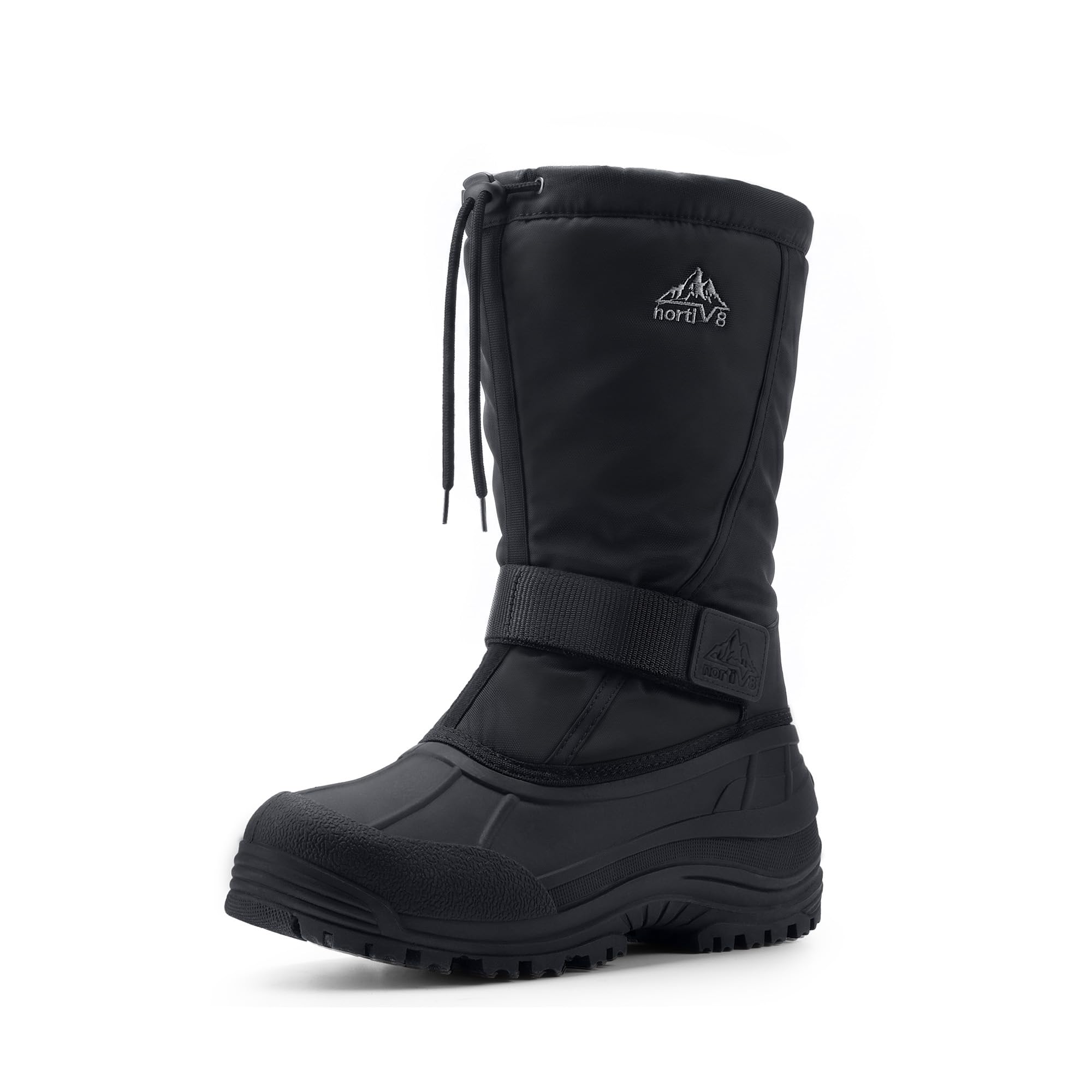
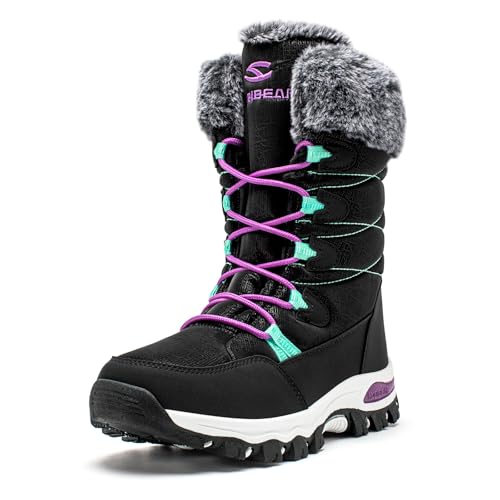
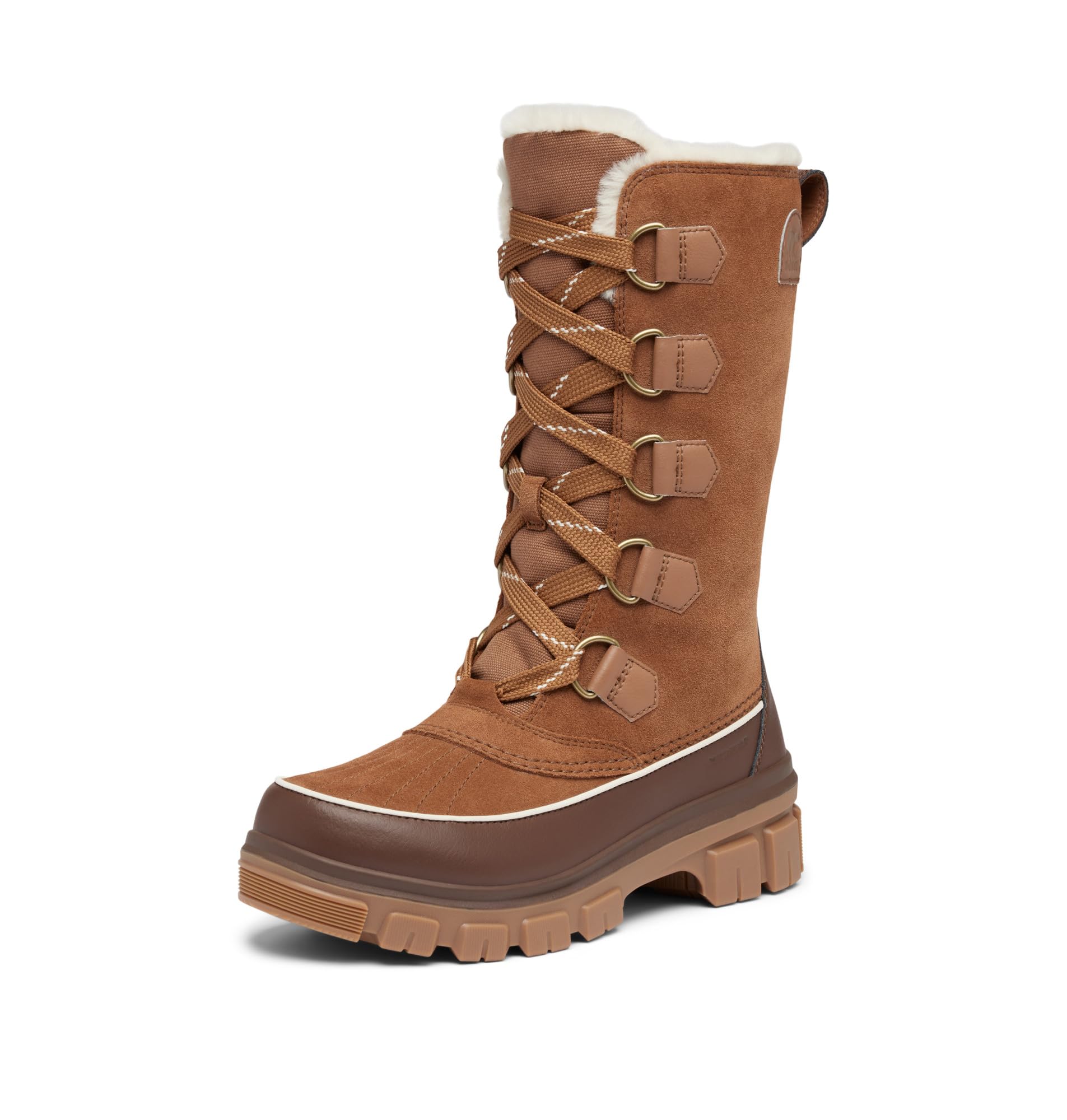
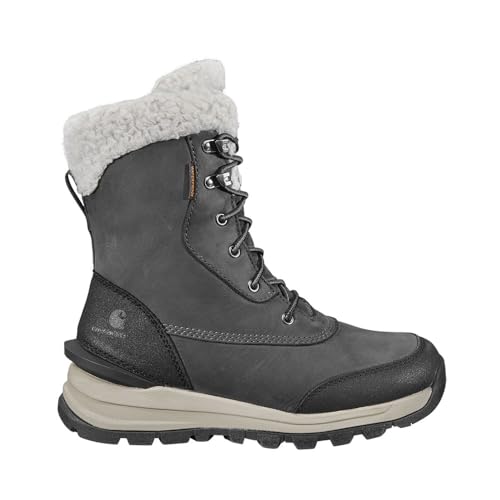
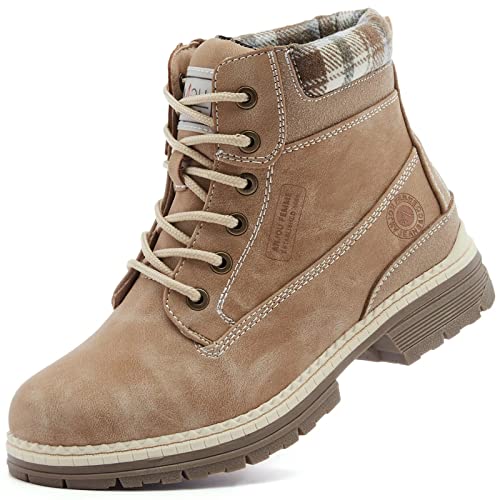
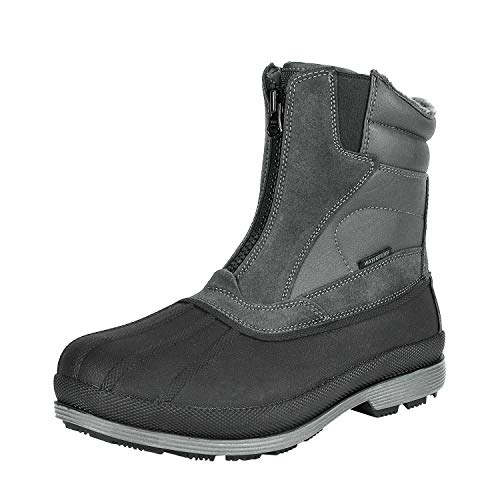
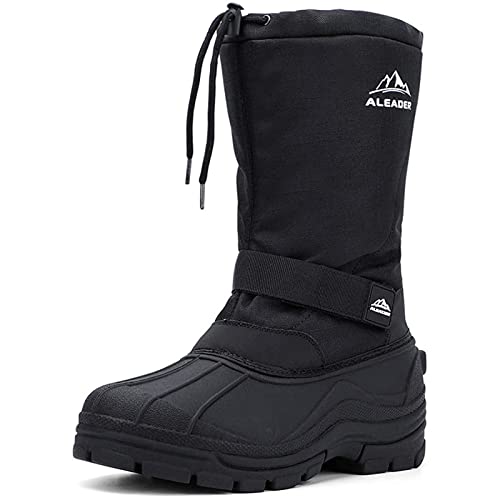

Who Should Buy Boots for Icy Weather?
Buy for the surface you cross daily. Your pace, standing time, and sock choice change which boot serves you best.
Commuters on Icy Sidewalks and Transit Platforms
You walk short links between home, stops, and office doors, often before crews clear the pavement. Choose a mid height boot with a grippy sole and moderate insulation that still suits work clothes. About 200 grams of insulation often suits active city walking, and a gusseted tongue keeps slush out at crossings.
Dog Owners and Daily Walkers on Untreated Paths
You step out in all temperatures, on park paths that may stay icy for days. Choose stronger lug depth, a taller shaft for drift edges, and laces you can adjust with gloves on. A roomy toe box matters here, since early walks mean thicker socks and cold toes that need space.
Outdoor Workers and Winter Hikers on Mixed Ice and Snow
You spend long stretches outside, where surfaces change from packed snow to bare ice within one shift. Choose firmer ankle support, a protective toe, and insulation matched to your output. High effort hiking needs less insulation than slow work, since moving feet stay warmer and sweat chills you once you stop.
Key Features to Compare
Let grip lead every choice as you compare options. Finding the best boots for icy weather starts with the sole, then moves to warmth, fit, and support, since a warm boot still fails if it slides.
Outsole Grip and Lug Pattern for Ice
Grip on ice comes from rubber that stays flexible in cold, plus many small edges that bite the surface. Look for a soft compound outsole, lugs about 4 to 6 mm deep, and channels that clear packed snow so the edges can reach the ice. Hard compounds that feel almost like plastic slide sooner, even with deep lugs. On glare ice, use short steps and flat foot placement, since even strong lugs have limits there.
Waterproofing, Breathable Membranes and Sealed Seams
Icy weather often means slush, melt water, and wet snow, not dry cold alone. A waterproof membrane such as Gore Tex, paired with sealed seams and a gusseted tongue, keeps melt water out while you cross puddles and drift edges. Breathable linings matter too, since trapped sweat can cool your feet once you stand still. On dry packed snow routes, a treated leather upper with fewer seams may serve you well and feel less clammy indoors.
Insulation Matched to Activity and Standing Time
Insulation traps warm air, and the right amount depends on how much you move. Brisk walkers do well with about 200 grams, while slow walkers, spectators, and transit riders prefer about 400 grams for cold exposure. Heavy insulation can overheat active feet and add bulk that changes your stride on ice. If deep cold is your main problem rather than slick ground, see our guide to the best cold weather boots before you decide.
Sizing for Sock Thickness and Swollen Winter Feet
Try boots late in the day with your planned socks, since feet swell slightly and thick socks change the volume you need. Your toes should brush nothing at the front, with about a thumb width of space, and your heel should stay seated on an indoor downhill test. A wide toe box lets toes spread for balance on slick ground. Sizes vary by brand, so check the return policy and test on carpet at home first.
Shaft Height, Ankle Support and Stability on Uneven Ice
A taller shaft keeps snow out and adds support when a foot lands on an uneven frozen rut. Firm heel counters and a modest heel to toe drop help you feel the ground and correct balance faster on slick patches. Seek medical care promptly for a head strike, fast growing swelling, numbness, or pain that stops you bearing weight after a fall, and talk with your clinician about personal balance and footwear needs.
Cushioning, Arch Support, Weight and Flex in Freezing Air
Cushioning softens impact on frozen pavement, which feels harder than summer concrete underfoot. A supportive footbed with clear arch support helps during long standing at work, while very soft foam can feel unstable when you edge across a slope. Cold stiffens cheap foams and rubbers, so choose materials made to stay flexible below freezing. Lighter boots reduce leg fatigue, but very light uppers may give up warmth and ankle hold.
Types of Boots for Icy Weather Compared
Boot types trade warmth, grip, and ease of use. Keep seasonal searches apart, since a summer boot solves the opposite problem, and see our guide to the best warm weather boots for hot season needs.
Insulated Pac Style Boots for Deep Cold and Standing
Pac style boots pair a rubber lower shell with an insulated upper and a thick liner. They shine for slow tasks such as clearing a driveway or waiting outdoors, and many cost about $120 to $230. Their bulk makes brisk walking less pleasant, and liners need full drying after wet days. Choose this type when standing warmth matters most.
Waterproof Trail Style Boots for Longer Winter Walks
Trail style winter boots use a hiking boot shape with a waterproof membrane, lugged sole, and firmer shank for uneven ground. They suit dog walks, winter hikes, and hilly towns, and many cost about $110 to $200. For routes that mix rain, thaw, and refreeze across the season, see our guide to the best all weather boots as a broader comparison.
Low Cut Winter Boots for Town Use and Quick Trips
Low cut winter boots sit just above the ankle and feel closer to sturdy shoes, with insulated linings and grippier soles than fashion boots. They suit cleared sidewalks, school runs, and quick errands, and many cost about $70 to $130. Snow enters at the collar in drifts, so they suit plowed routes better than deep lots. Choose this type when ease matters more than full coverage.
Common Mistakes to Avoid
Each mistake below costs grip, warmth, or comfort in ways that are hard to fix later.
- Choosing a smooth fashion sole leaves you sliding at the first polished patch of ice.
- Buying boots too small for thick socks squeezes toes, limits warm air space, and makes feet feel colder.
- Picking heavy insulation for brisk walks overheats your feet, and damp socks can chill you once you stop.
- Trusting a waterproof label without sealed seams lets slush enter at stitch lines during a thaw.
- Wearing worn smooth lugs into winter removes the edges you need to bite into ice.
How to Make Your Boots for Icy Weather Last Longer
Dry boots at room temperature after wet outings, with liners and footbeds removed. Keep them away from radiators, since strong heat can crack leather and weaken glues. Stuff the toe with plain paper at first to pull moisture out without stretching the upper.
Brush off road salt once boots are dry, wipe uppers with a damp cloth, and add fresh water repellent as the maker directs after drying. Check lug depth and heel wear monthly, and store boots upright in a cool dry place. A sole worn smooth at the heel or forefoot is a safety issue on ice, so plan replacement early.
Frequently Asked Questions
What features matter most in boots for icy weather on glare ice?
A soft rubber outsole with many small edges matters most on glare ice. As an extra check, press a thumbnail into the sole and choose one that gives slightly rather than feeling hard as plastic. Removable traction cleats help on short icy stretches, but remove them indoors, since metal points slide on tile and damage floors.
Do I need waterproof boots for icy weather with slush and thaw?
Yes, you need waterproof boots when your route includes slush, puddles, or wet snow. A tongue joined to the upper on both sides blocks water in deep puddles far better than a loose tongue. In dry cold with only packed snow, water resistance may be enough and often feels less clammy indoors.
How should boots for icy weather fit older adults with balance concerns?
Boots for icy weather should fit older adults snugly at the heel and midfoot, with clear toe room and no forefoot pinch. Closures you can manage with gloves or stiff fingers add real safety, since a loose boot delays your step correction. If swelling changes through the day, fit the boot to your larger foot.
Can I wear boots for icy weather all day at work?
Yes, you can wear boots for icy weather all day at work if cushioning suits standing and insulation matches indoor heat. A spare pair of socks at midday helps, since dry socks restore warmth and reduce rubbing after a cold commute. On smooth indoor floors, wipe soles dry at the door to keep indoor grip steady.
How often should I replace boots for icy weather?
Replace boots for icy weather when the lugs at the heel and forefoot look rounded or smooth, even if the uppers still look sound. Many daily walkers reach that point after about two to four winters. New slipping on surfaces that felt secure last season signals that the rubber has hardened or worn out.
Our Verdict
Start with grip, then match insulation to your pace, and fit the boot with winter socks on. Those three checks prevent most poor ice season purchases. Use the product table above to confirm sole type, insulation, and price for your route.
When you choose best boots for icy weather this way, you get a boot that feels steady on frozen pavement and warm past the first block. Pick the simplest type that covers your hardest daily surface.


