
Best Boots for Hunting Dogs: Paw Protection Guide for 2026
Disclosure: We may earn a commission when you buy through links on this page, at no extra cost to you. As an Amazon Associate I earn from qualifying purchases. Learn more

Paw protection that stays on in cover and water: the best boots for hunting dogs, with fit, grip and care tips.
Brush, frozen stubble, sharp shale and wet creek beds all take a toll on a working dog's paws, and a day afield can end early when one foot gets sore. The best boots for hunting dogs protect the pads without slowing the dog down, stay on through water and cover, and fit well enough that your dog forgets about them. Use the product table above to compare the options, then use this guide to judge fit, grip and durability.
Boots are not for every dog or every hunt, so start with the ground you cover and the weather you expect. Everything below turns those two answers into clear choices about sole, material, closure and size.
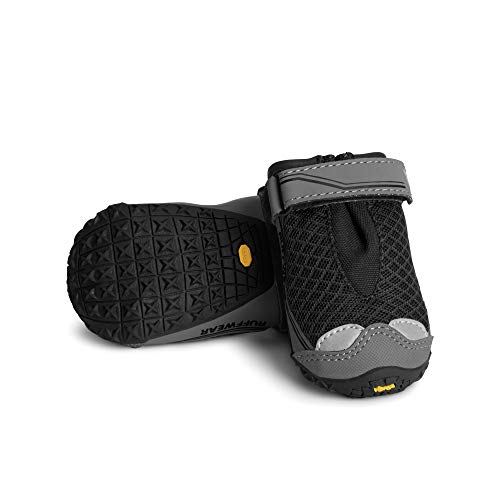


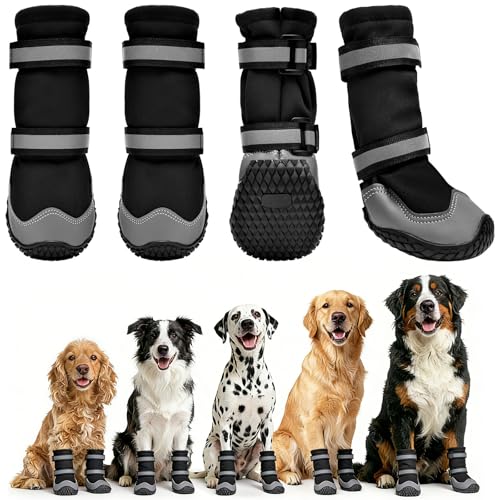

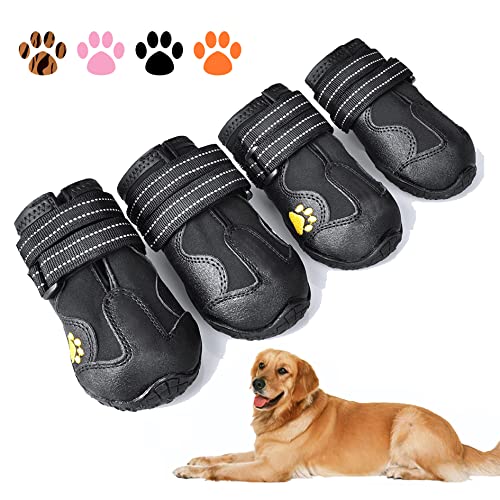
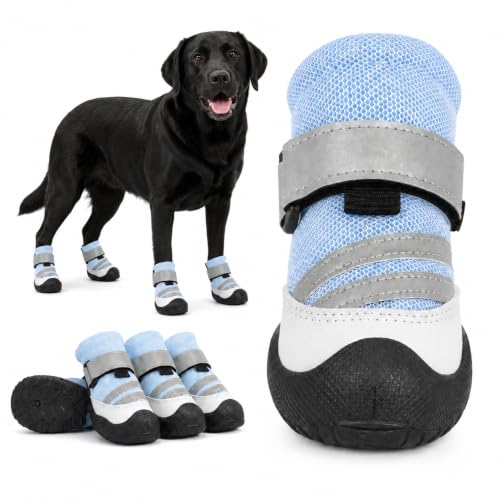
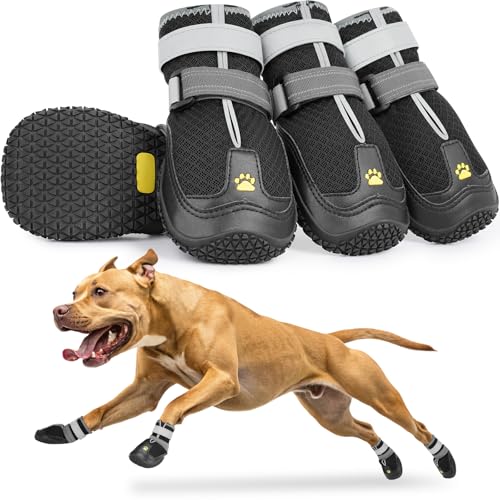
Who Needs Boots for Hunting Dogs?
Many hunting dogs go bootless for years, and a tough set of paws handles plenty. Boots earn their place when the terrain or weather is harder than the paws can comfortably take.
Upland Dogs Working Thorns, Stubble and Rocky Ground
Pointers, setters and spaniels cover miles of cut corn, burrs and broken stone in a single day. A boot with a tough, flexible sole and a snug cuff keeps burrs and grit out and shields the pads from cuts. Choose a model that bends easily at the toes so the dog's natural stride stays intact.
Waterfowl Dogs on Ice, Mud and Cold Water
Retrievers often work in frozen marsh edges and slush, where ice crust can scrape the pads and cold wears out the feet. Look for a waterproof or water resistant upper, a sole with real tread for slick banks, and a cuff that seals well against mud. Insulated styles help on the coldest mornings, but a plain waterproof boot is often enough for short retrieves.
Hounds and Trail Dogs on Long Rough Tracks
Hounds that run for hours on gravel roads, rock ledges and dry creek beds wear their pads down faster than any other group. Durable soles and secure closures matter most for you, because a boot that twists or slides off mid chase is worse than no boot. Buy a spare set, since long days can wear out a sole.
Key Features to Compare in the Best Boots for Hunting Dogs
Judge every pair against the same short list. Fit comes first, because a loose boot rubs and a tight boot cuts off comfort at once.
Sole Grip and Puncture Resistance
The sole decides whether your dog stays steady on wet rock, frozen ground and loose gravel. Rubber soles with a lug pattern grip best, while thin fabric soles wear through quickly on rough ground. A slightly stiff sole resists thorns and sharp stones, but it must still flex at the toes so the dog moves naturally.
Upper Material, Water Protection and Breathability
Nylon and mesh uppers are light and dry fast, which suits warm days and brush. Waterproof fabrics and rubberized uppers keep paws dry in creeks and slush, though they hold heat and can leave the paw damp from inside after a long run. Pick breathable materials for early season hunts and sealed ones for cold, wet days.
Closure Style and Staying Power
Hook and loop straps, drawcords and zippers all work, but each fails differently. A wide strap with a reflective stripe is easy to adjust and easy to spot in low light. Two closures per boot, one at the cuff and one higher on the leg, keep a boot on through water and thick cover better than a single strap.
Fit, Sizing and Paw Width
Stand your dog on a sheet of paper, press down gently and mark the widest points of the front paw, then measure that width. Compare the number with each brand's size chart, because sizes vary a lot between makers. The boot should sit snugly without pinching, and your dog should walk without high stepping or flicking the foot. Measure front and rear paws separately, since they often differ.
Weight and Reflective Details
Heavy boots tire a dog on long days, so favor light materials unless you need extra protection. Reflective trim helps you track your dog at dusk and in dense cover, which matters on early morning and late evening hunts.
Types of Dog Boots for Hunting
Three styles cover most hunting needs, and most pairs cost about $20 to $65 per set of four.
Rugged Trail Boots for Rough Ground
These boots carry a tough rubber sole with deep tread and a secure cuff. They suit upland and trail work on rock, stubble and gravel. They cost a little more and need a short break in, but they last longest on abrasive ground.
Waterproof and Insulated Boots for Cold Wet Days
These boots add a water resistant upper and, in some models, a warm lining for ice and slush. They suit waterfowl dogs and late season hunts. They run warmer, so use them only when the weather calls for them.
Lightweight Breathable Boots for Warm Weather and Short Hunts
Thin mesh or fabric boots protect against hot ground, burrs and light brush while staying cool. They suit early season hunts and shorter outings. The thin sole wears faster on sharp rock, so keep them for lighter terrain.
Getting Your Dog Used to Boots
Introduce boots at home well before opening day. Let your dog sniff and wear one boot for a minute, offer a treat, then add the others one at a time. Walk indoors for a few minutes, then outside on grass, and build up to a full hour over several days.
Expect some odd high stepping at first. That usually fades within a few short sessions, and a boot that still causes limping or constant licking is the wrong size or style. Check the paws and toes after every outing for rubbing, redness or debris, and ask your veterinarian about any lasting soreness.
Common Mistakes to Avoid
- Guessing the size from your dog's weight leaves boots that slip off or rub, so measure the paw width instead.
- Skipping the home practice sessions means your dog may refuse to move on the first hunt.
- Choosing thin fabric soles for sharp rock wears them through in a single outing.
- Fastening straps too tight can cut off comfort at the ankle, while loose straps let boots slide off in water.
- Leaving boots on during long breaks traps moisture and heat around the paws.
- Forgetting a spare set leaves you without protection when one boot goes missing in thick cover.
Care and Maintenance
Rinse mud and salt off the boots after each hunt and let them air dry away from direct heat, because strong heat warps rubber and weakens glue. Turn the boots inside out to clean the lining, and wash fabric styles in cool water with mild soap.
Check the soles and straps before each season, and replace boots when the tread wears smooth, a seam splits or the closure no longer holds. Store them dry in a mesh bag so air can reach the inside.
FAQ
Do hunting dogs really need boots?
Not all of them. Dogs with tough, conditioned paws often work comfortably without boots, while dogs on frozen ground, sharp shale or heavy burr cover benefit from the extra protection. Start by watching the paws after a normal hunt, and add boots if you see wear or reluctance to move.
How should boots for hunting dogs fit?
Boots for hunting dogs should sit snug at the cuff without pinching, and the dog's toes should not touch the end of the boot. Measure the paw width on paper and compare it with the size chart. Walk your dog on carpet or grass and watch for high stepping, slipping or twisting.
Can boots stay on in water?
Many styles stay on well when they have two closures and a snug cuff, but deep or fast water can still pull a loose boot off. Pick waterproof styles for creeks and slush, and tighten the upper strap just enough to hold the boot without cutting into the leg.
How long does it take a dog to get used to boots?
Most dogs adjust within a week of short daily sessions. Build time gradually and reward calm walking. If your dog still refuses to move after several sessions, try a lighter style or a different size before giving up.
How often should I replace dog boots?
Replace them when the sole tread is worn smooth, a seam opens or the strap loses its grip. Hard use on rock can wear a pair out in a single season, while light use can last several seasons.
Wrapping Up
Measure the paw, match the sole to your ground, and practice at home before opening day. Pick waterproof styles for cold wet hunts and light breathable styles for warm ones.
When you compare the best boots for hunting dogs against those checks, the right pair is the one your dog wears without fuss and keeps on all day.


