
Best Boots for Heel Pain: Types Compared and How to Choose in 2026
Disclosure: We may earn a commission when you buy through links on this page, at no extra cost to you. As an Amazon Associate I earn from qualifying purchases. Learn more

Cushioned work, hiking and casual styles compared: the best boots for heel pain, with fit checks.
A sore heel at the end of the day can make boot shopping feel urgent, and the number of styles on the shelf only adds to the confusion. Work boots promise support, hiking boots promise structure, and casual boots promise softness, yet each one helps a sore heel in a different way. Choosing the best boots for heel pain starts with a clear head about what footwear can do, because a boot shapes comfort, not cures.
This guide compares the three main boot types side by side, then walks through the heel cup, drop, and fit details that matter most. Use the comparison table below to see the types at a glance, and use the sections after it to match a type to your work, your ground, and your budget.


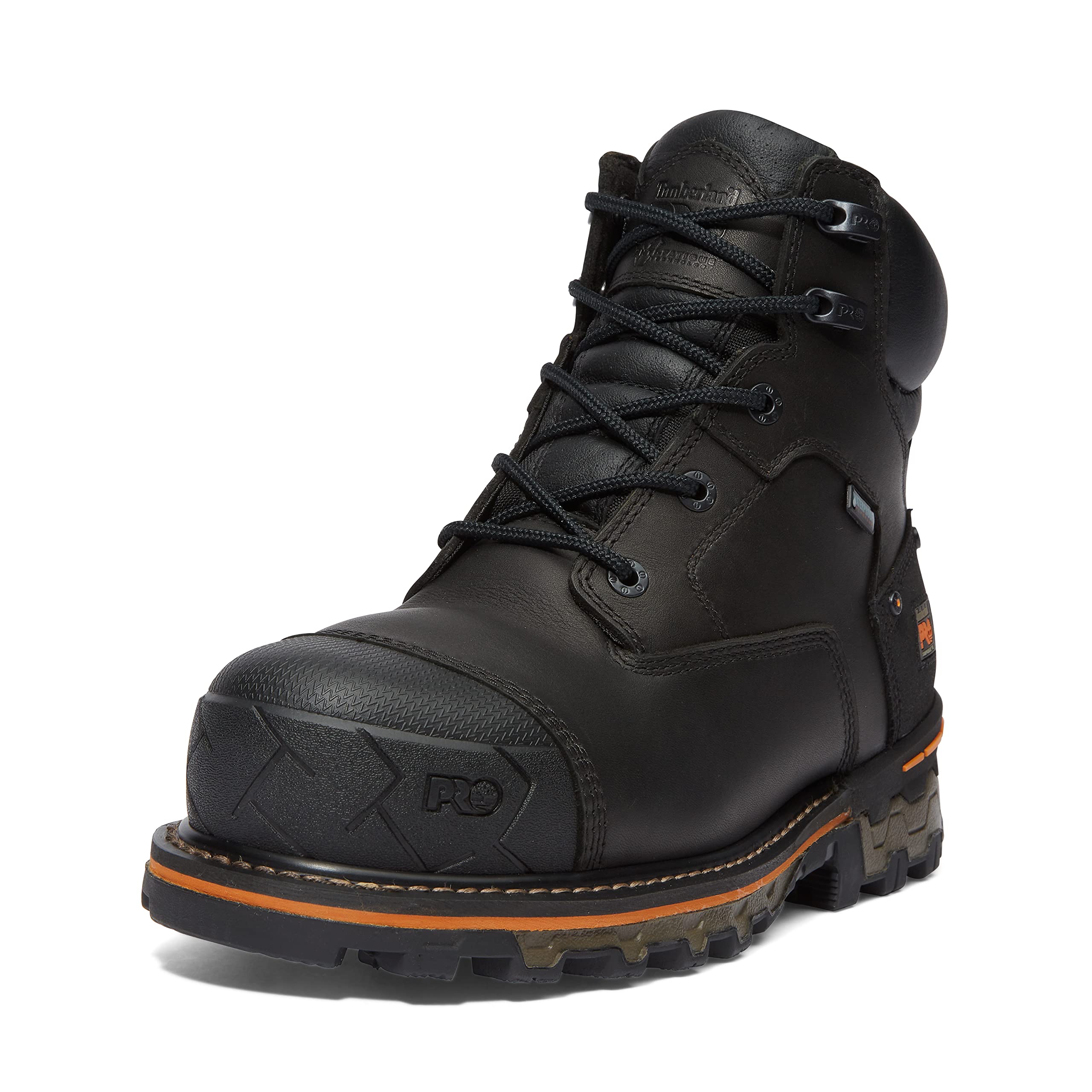


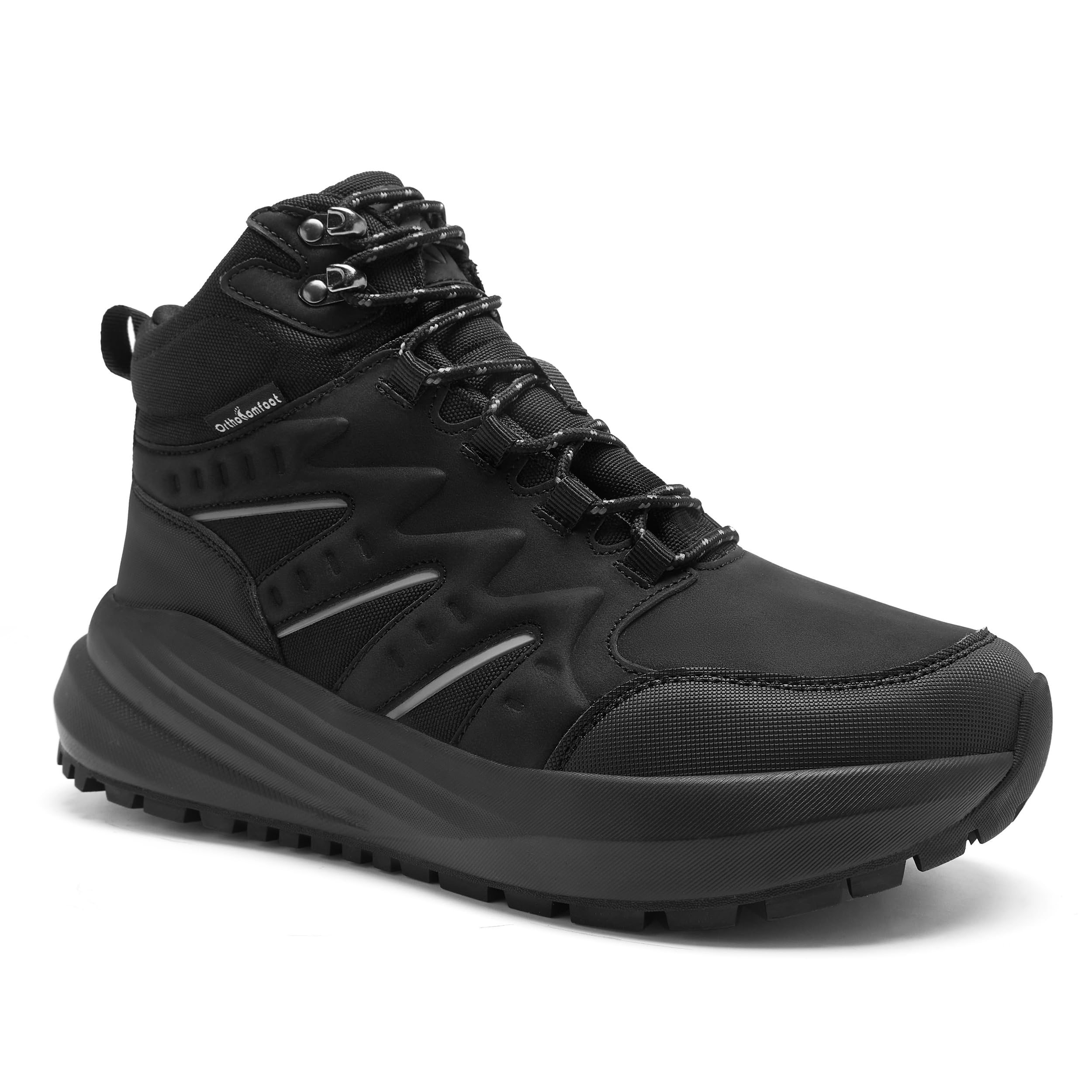
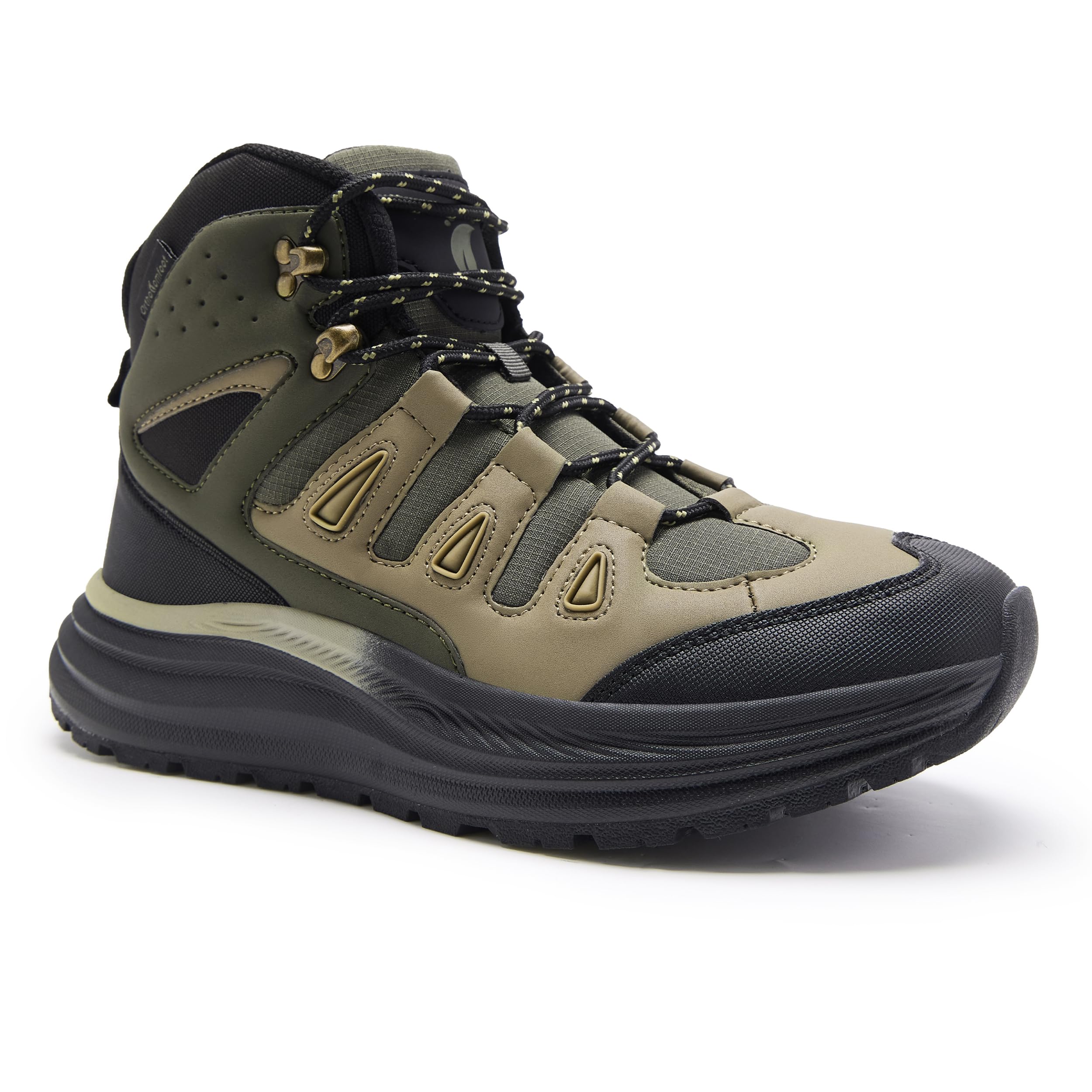
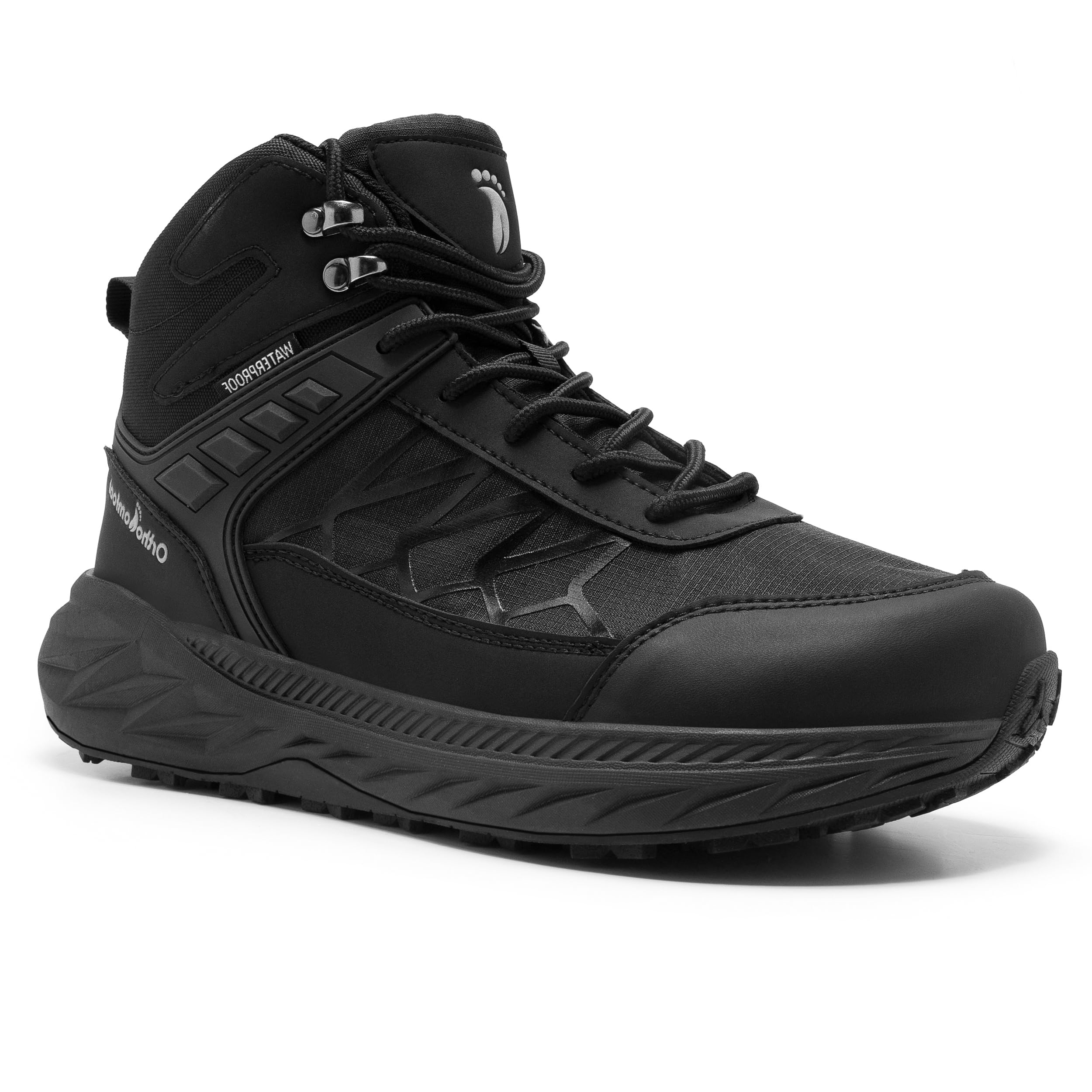
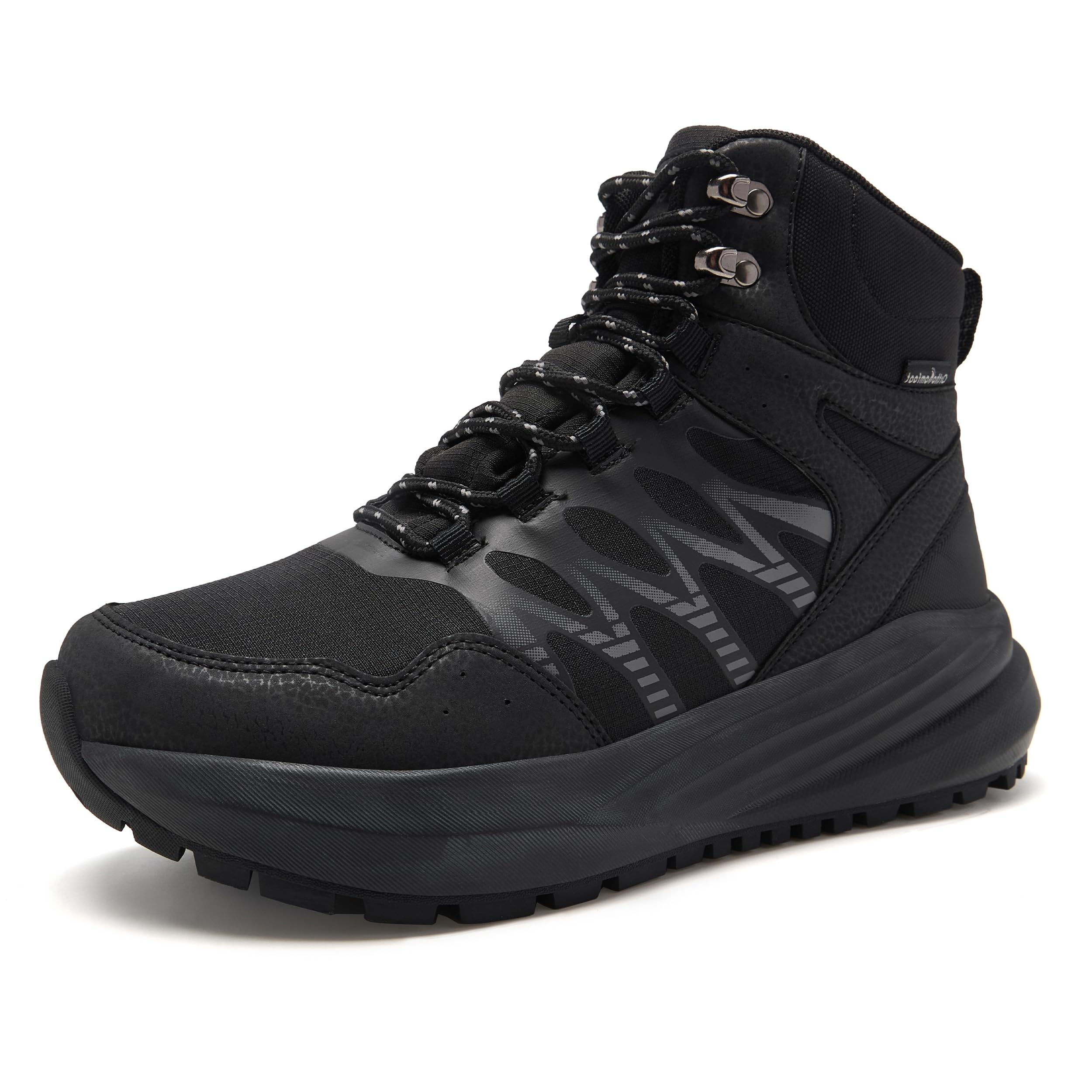
Types of Boots Compared
One limit applies to every type in this guide, and it comes before any talk of price. A boot can cushion the heel, cradle it, and change how load spreads across the foot, and that support can make long days feel easier. A boot treats no heel condition, and it cannot fix the cause of ongoing pain. If your heel pain persists for more than a few weeks, keeps worsening, follows an injury, or comes with numbness or swelling, see a clinician before you spend money on footwear.
| Type | Best For | Pros | Cons | Typical Price |
|---|---|---|---|---|
| Cushioned work boots | Long shifts on hard floors | Deep heel cushion, stable flat base | Heavier and warmer | about $90 to $170 |
| Supportive hiking boots | Trails and uneven ground | Firm heel counter, structured sole | Stiffer feel, longer break in | about $110 to $210 |
| Soft casual boots | Errands and short walks | Light, easy to pull on | Less structure for long days | about $60 to $130 |
Cushioned Work Boots
Cushioned work boots are built for people who stand and walk on concrete, tile, or warehouse floors for most of a shift. A thick midsole softens each step, and a deep heel cup cradles the back of the foot so the heel lands in the same padded spot all day instead of rolling around. Readers comparing pairs built for sore heels on the job can start with the guide to best work boots for heel pain. The trade off is weight and warmth, since all that foam and leather adds bulk you will notice by the last hour.
Supportive Hiking Boots
Supportive hiking boots take a different approach, using a firm heel counter and a structured sole rather than maximum softness. The stiff back cup holds the heel steady on uneven ground, and the sole spreads load when the surface tilts or dips. Trail walkers can compare structured pairs in the guide to best hiking boots for heel pain. These boots feel rigid at first and ask for a patient break in, but on rough ground that control is what an easily irritated heel needs.
Soft Casual Boots
Soft casual boots are the light ankle high pairs worn for errands, school runs, and short walks on pavement. A padded collar and a forgiving sole make them easy from the first wear. On warm days at home, many people rotate into supportive sandals instead, and the guide to best sandals for heel pain covers that option with the same comfort first framing. For long shifts or rough trails, though, this type runs out of structure quickly.
Cushioned Boots vs Supportive Boots: Which Should You Choose?
The two structured types differ mainly in where they put their effort. Cushioned boots put it under the heel, with deep foam that absorbs the repeated impact of flat hard floors. Supportive boots put it around the heel, with a firm counter and a stiffer sole that stop the foot from twisting on ground that is never level. Prices overlap heavily, roughly about $90 to $210 across both, so cost rarely settles the question.
Choose the cushioned type if your day is spent standing or pacing on floors that do not change. Choose the supportive type if your day involves slopes, gravel, fields, or ladders, where balance and control matter as much as padding. If your week mixes both settings, a supportive boot with a softer replacement insole is the more flexible single purchase.
How to Choose the Right Boot
Cushioning and Support
Look first at the heel area rather than the whole sole. A deep heel cup keeps the fatty pad of the heel gathered under the bone, where it can absorb shock, while flat shallow beds let it spread and thin out. Foam under the heel should feel dense, not mushy, since very soft foam bottoms out within weeks. A modest heel to toe drop of about 8 to 12 mm lifts the heel slightly and shifts some load toward the forefoot, a change many sore heels find easier than a fully flat sole.
Upper Materials and Breathability
Full leather uppers hold their shape for years and back up the heel counter. Knit and mesh uppers breathe far better in warm rooms, but they stretch, and a stretched upper lets the heel wander inside the boot. A waterproof membrane suits wet yards and winter slush, yet it traps heat indoors, so dry indoor workers are usually happier in an unlined breathable pair. Match the upper to where the hours actually happen.
Features That Matter for Heel Pain
Three checks separate a heel friendly boot from a generic one. Squeeze the heel counter from both sides; it should resist your fingers rather than fold. Run a thumb along the collar; padding there stops the rim from sawing at the back of the ankle.
Finally, confirm the insole lifts out, because a removable bed leaves room for an insert if a clinician ever suggests one. A slight rocker at the toe also helps the foot roll forward instead of snapping up at the heel with each step.
Fit, Sizing, and Toe Box
Measure your feet late in the day, when they are at their largest, and shop in the socks you will actually wear. You want about half an inch of space in front of your longest toe, a toe box wide enough that your toes lie flat, and a heel that stays seated with only a slight lift as you walk. Readers who split the week between boots and lower shoes can compare the same comfort checks in the guide to best women's shoes for heel pain.
Tips to Get the Most From Your Boot
Break a new pair in with short wears across the first week rather than one full shift, especially a stiff supportive type. Rotate two pairs if you can, since a rest day lets compressed foam recover much of its spring. Air dry wet boots at room temperature away from radiators and direct heat, which crack leather and warp foam.
Around the house, rest your heels in a supportive pair rather than walking barefoot on hard floors; the guide to best slippers for heel pain covers good indoor options. Replace insoles once the heel pad stays flat after a night of rest.
Questions Answered: Boots and Heel Comfort
What features matter most in boots for heel pain?
A deep heel cup, a firm heel counter, and dense cushion under the heel matter most, because together they hold the heel steady and soften each landing. Shop late in the day when your feet are slightly swollen, since a boot that pinches at closing time will not improve at home. Keep the return window in mind as well, because a short walk around the store tells you far less than a full morning on your own floors.
Can boots for heel pain be worn all day?
Yes, the right pair can be worn all day, and most people with sore heels do exactly that at work. Build in short seated breaks where you can, because even the best cushion cannot fully replace rest. Pay attention to how your heel feels the next morning, since soreness that greets you at the first step out of bed, day after day, is a sign to talk with a clinician rather than to buy another pair.
Do boots for heel pain need to be waterproof?
Only if your work or walking route is regularly wet, because a membrane adds warmth and slows drying. For dry indoor jobs, a breathable upper usually feels better across a long shift. Remember that wet leather needs a full day of air drying before the next wear, so if your boots get soaked often, owning a second pair to rotate matters more than the membrane itself.
How long is the break in period for new boots?
Most boots settle in over about one to two weeks of short outings, with stiff supportive types at the longer end. Wear them around the house first, then for a brief errand, and let the upper shape itself gradually. Treat a blister as a fit warning rather than a stage to push through, because a heel that slips enough to rub will keep irritating the same sore spot long after break in ends.
How should boots fit around the heel?
The heel should sit deep in the cup and lift only slightly as you step, with no pinching at the back seam. If the heel rides up and down, try the extra top eyelet many boots include, which locks the laces around the ankle and holds the heel down without crushing your toes. A finger of movement at the heel is roughly the limit; more than that usually means the last is too wide for your foot.
Are expensive boots for heel pain worth the extra cost?
Past the midrange, extra money mostly buys better leather, stronger stitching, and soles that can be replaced, not extra comfort. A mid priced pair with the right heel cup beats a premium pair with the wrong shape every time, and a fresh cushion in a modest boot outperforms a worn out cushion in a costly one.
The Bottom Line
Match the type to your ground first: cushioned work boots for hard flat floors, supportive hiking boots for uneven ground, and soft casual boots for short easy days. Then judge every candidate by its heel cup, its counter, and its fit on your own late day feet. The best boots for heel pain for you is the pair that suits your longest day, so use the product table above to compare the types once more before you order. And if the soreness sticks around, a clinician can tell you more in one visit than another pair of boots can.


