
Best Athletic Shoes for Heel Pain 2026: A Guide
Disclosure: We may earn a commission when you buy through links on this page, at no extra cost to you. As an Amazon Associate I earn from qualifying purchases. Learn more

Athletic shoes for heel pain need heel cushion, arch support and a stable stride. Learn which features help and when to seek professional advice.
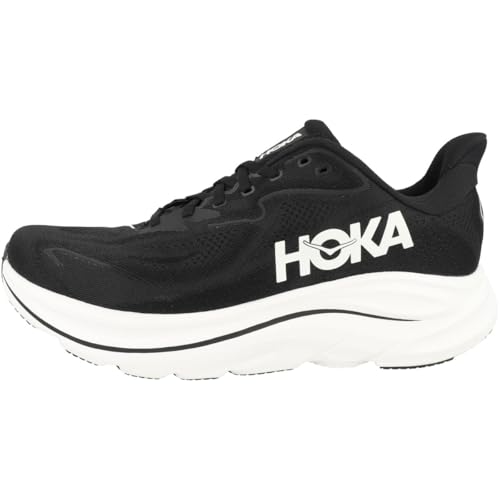
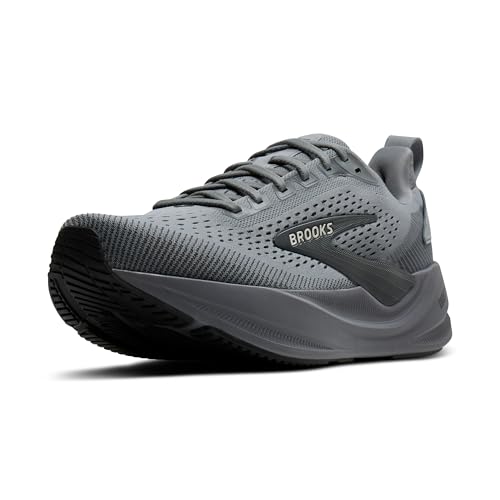
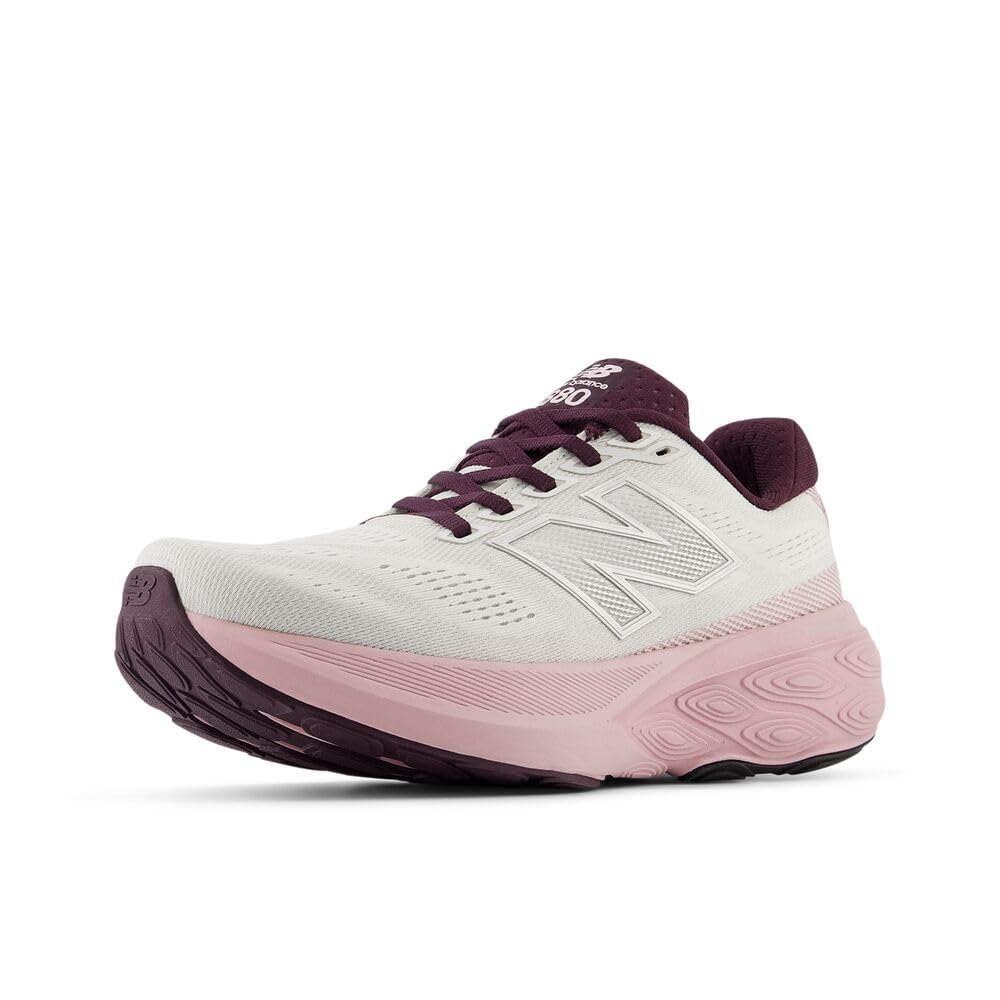
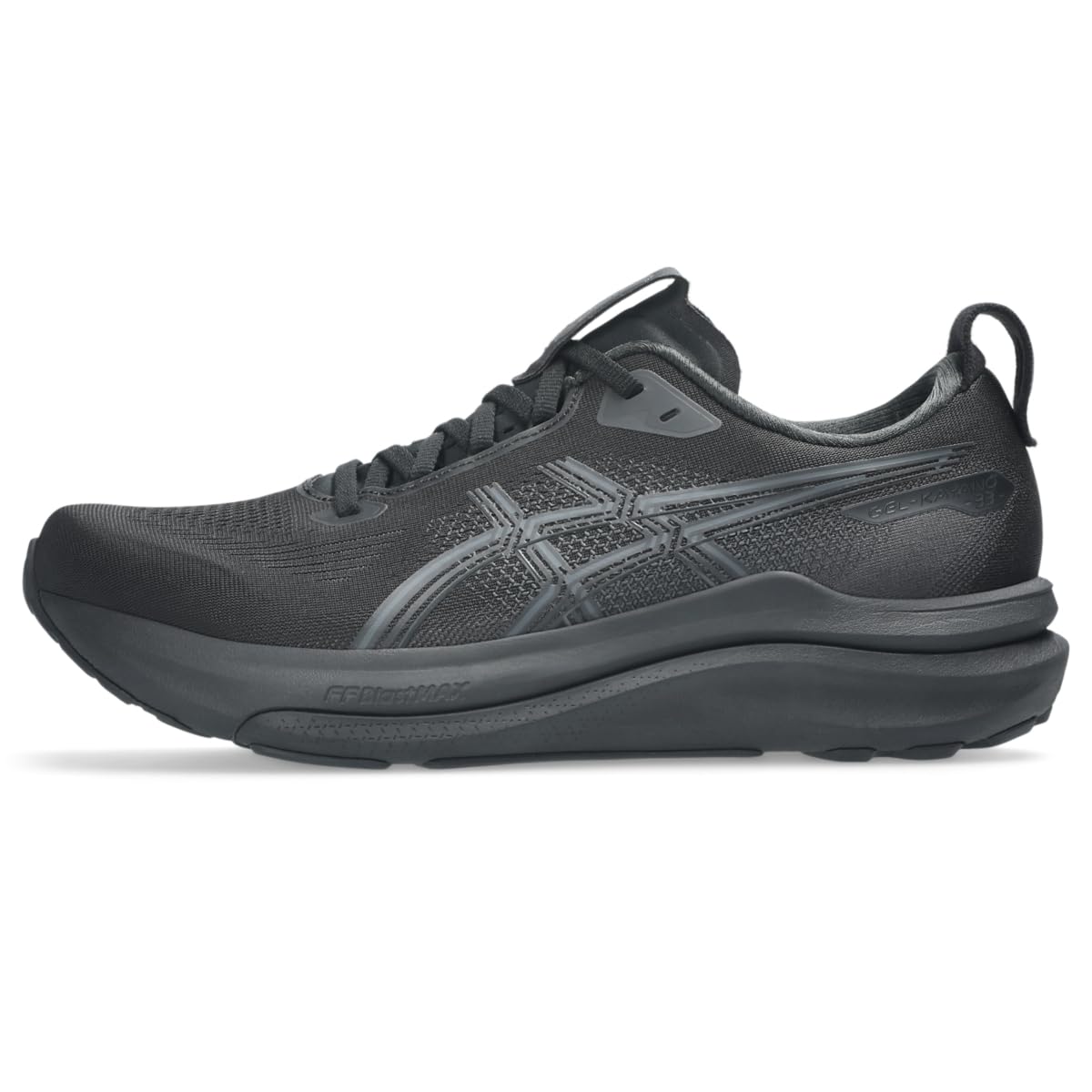
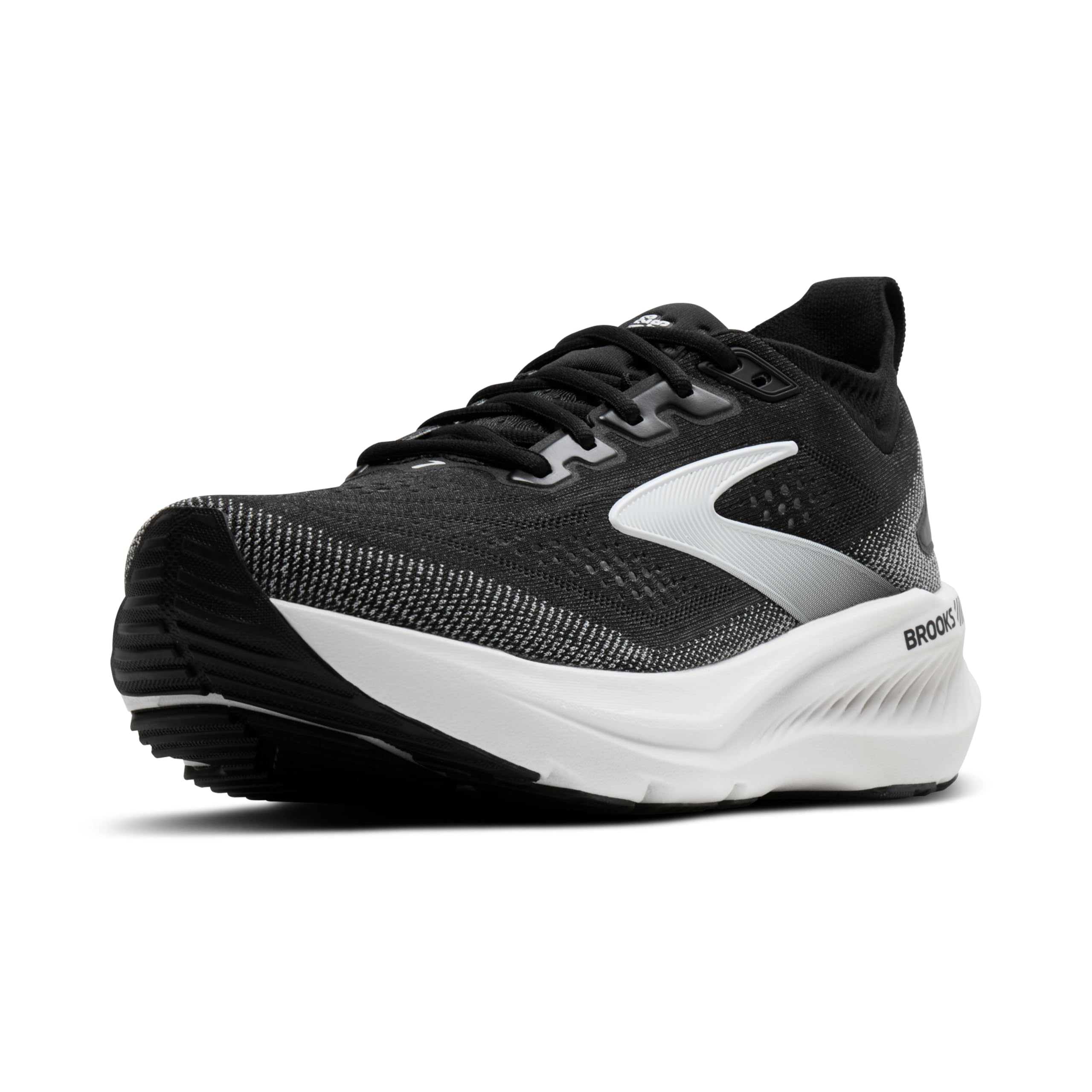
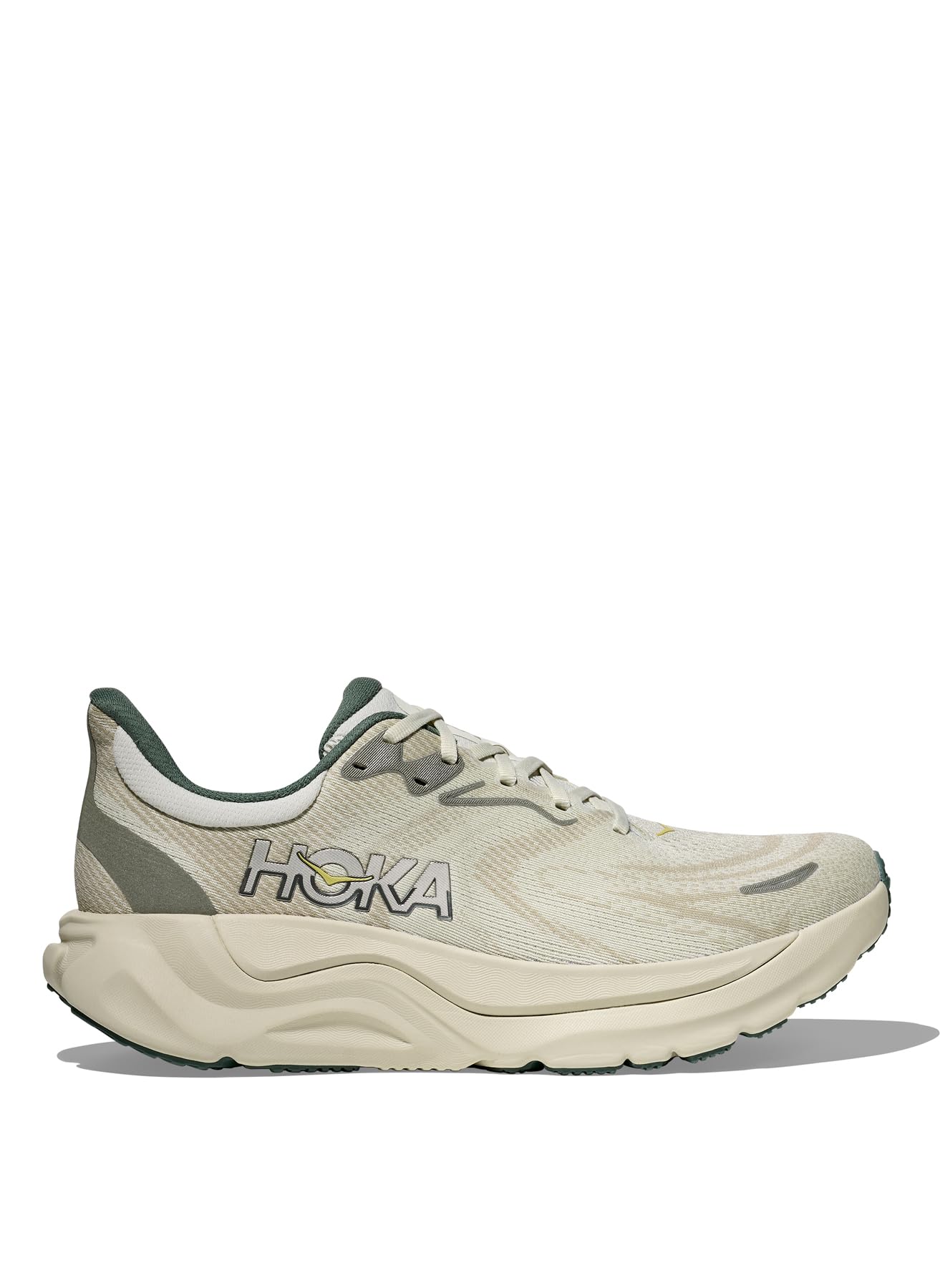
Heel pain changes how you walk, run, and stand, and the wrong shoe can make a short outing feel long. The best athletic shoes for heel pain cushion the heel, support the arch, and keep the foot stable through each step. The product table below lists options, so you can shortlist shoes that suit your activity.
This guide explains the key choices in plain language, compares the main options, and helps you avoid common mistakes. The sections below explain what to compare before you choose.



The Basics
Heel pain has many causes, from plantar fasciitis to Achilles irritation to stress reactions, and shoes help differently for each. Supportive footwear can feel more comfortable day to day, but persistent, sharp, or worsening pain deserves professional assessment. Use this guide to choose comfortable shoes, and talk with your clinician if pain changes, includes swelling or numbness, or stops you bearing weight.
The sections below explain each feature in plain language, with practical levels to look for and trade offs to weigh. Use them as a checklist while you compare options, and note which features matter most for your own routine.
Key Features to Compare
Heel Cushion and Shock Absorption
A cushioned heel absorbs impact at foot strike, which matters most when the heel itself is tender. Look for a heel unit that compresses evenly rather than collapsing to one side. Very soft heels can feel comfortable briefly but lose stability, so balance cushion with a firm, level base. Test heel feel on a walk that includes hard floors, since soft surfaces hide cushion weaknesses.
Arch Support and Load Distribution
Arch support spreads load across the midfoot instead of concentrating it at the heel. A contoured midsole that matches your arch height helps, while a flat insole leaves the heel to absorb more force. Support should feel steady, not intrusive, and should not create new pressure under the arch. If support feels painful, try a different model or discuss inserts with your clinician.
Heel Drop and Achilles Load
Heel drop, the height difference between heel and forefoot, changes how the Achilles tendon and calf load during movement. A moderate drop feels more comfortable for some wearers, while a very low drop asks more of the calf. If your pain sits at the back of the heel or Achilles, drop matters more than cushion alone. Change drop gradually, since a sudden switch can create new soreness.
Stability and Foot Motion
Stability features suit many heel pain sufferers whose feet roll inward. Firmer inner foam, a wider base, or guide rails can slow rolling without forcing the foot outward. Test stability on turns and uneven ground, and watch for knee or hip discomfort that suggests overcorrection. A gait check at a running store can clarify how much stability you need.
Fit, Width, and Heel Hold
A heel that slips inside the shoe creates friction and extra movement that worsens pain. Look for a snug heel cup, secure lacing, and a toe box with room to spread. Try shoes later in the day with your usual socks, since feet swell during activity. Removable insoles allow custom inserts, but check that fit remains secure with an insert in place.
Activity Match: Walking, Running, Tennis
Walking shoes prioritize all day cushion and durability, running shoes prioritize impact absorption at speed, and tennis shoes prioritize lateral stability for side to side movement. Choose the shoe built for your main activity, since a running shoe may feel unstable for tennis and a tennis shoe may feel heavy for running. If you play several sports, consider activity specific pairs for the most demanding one.
Who Should Buy This Type
Athletic shoes for heel pain suit walkers, runners, and court players with mild to moderate heel discomfort who need daily support. They suit workers who stand for long shifts and need a cushioned, stable shoe. They are less suited to people with severe, sudden, or worsening pain, who need professional assessment before relying on footwear. Shoes ease symptoms, they do not diagnose causes.
If the description above matches your routine, the features below will help you narrow the choice. If it does not match, a related guide may suit you better, and the related guides near the end of this article point to useful comparisons.
Mistakes to Avoid
- Buying soft cushion alone while ignoring stability and arch support.
- Choosing a heel drop that suddenly increases calf or Achilles load.
- Wearing worn out shoes whose heel cushion has already collapsed.
- Ignoring heel slip, which adds friction and instability with every step.
- Expecting shoes alone to resolve pain that needs professional care.
Care and Upkeep Over Time
Rotate shoes when possible and wear supportive footwear at home on hard floors during recovery. Replace insoles when they compress unevenly and check heel cushion monthly for collapse or leaning. Keep a note of pain patterns and activities that flare symptoms, which helps you and your clinician spot triggers. Stretch calves gently as advised, and ease back into high impact activity rather than returning at full intensity.
Related Buying Guides
For more detail, see our guides to the best shoes for heel pain, the best running shoes for heel pain and the best athletic shoes for back pain.
Frequently Asked Questions
What causes heel pain in athletes?
Heel pain can stem from plantar fascia strain, Achilles irritation, heel pad thinning, stress reactions, or other causes, and the right shoe depends on the cause. Overuse, sudden training increases, poor footwear, and hard surfaces all contribute. If pain is persistent, sharp, sudden, or accompanied by swelling or numbness, talk with your clinician for assessment rather than self diagnosing.
Do cushioned shoes help heel pain?
Cushioned shoes can reduce impact at the heel and ease daily discomfort for many sufferers, especially when combined with arch support and stability. Cushion alone is not enough if the foot rolls excessively or the heel slips. Choose a shoe that balances cushion, support, and fit, and monitor whether pain improves over several weeks of consistent use.
Should I use heel inserts for heel pain?
Heel inserts and insoles can add cushion and arch support, and many wearers benefit from them. Test inserts with the shoes you actually wear, since they change fit and volume. Custom inserts suit persistent cases or unusual foot shapes. Discuss inserts with your clinician or podiatrist if pain persists, since the underlying cause guides the best insert type.
How long should heel pain shoes last?
Running shoes typically last about 300 to 500 miles, while walking shoes last several months of daily use. Heel cushion and support foam fade before uppers wear out, so watch for leaning heels, uneven wear, or returning pain. Replace shoes when support feels flat or pain that had improved returns without a training change.
Can I run with heel pain?
Light activity may be possible for mild, improving pain, but running through sharp, worsening, or persistent heel pain risks further injury. Ease load, shorten runs, and choose softer surfaces while symptoms settle. If pain alters your gait, lasts beyond a few weeks, or stops you walking comfortably, talk with your clinician before continuing to run.
Final Thoughts
Choose heel cushion, arch support, and stability that feel natural together, and give the shoes consistent use before judging them. The product table above shortlists strong options, but pain patterns and professional advice should guide the final choice. Replace shoes when support fades, and do not ignore worsening symptoms. The best athletic shoes for heel pain help most when footwear, activity pacing, and professional care work together. Talk with your clinician if pain persists or worsens.


