
Best Boots for Heavy Legs by Budget: Smart Choices for 2026
Disclosure: We may earn a commission when you buy through links on this page, at no extra cost to you. As an Amazon Associate I earn from qualifying purchases. Learn more

Wide calf fit, firm cushioning and budget tiers: the best boots for heavy legs, from basic to premium.
Boots can cost under $60 or well over $300, and price alone tells you little about how a pair will treat fuller calves and feet that spread under load. The best boots for heavy legs share a few traits at every price: a shaft that closes without pinching, cushioning that stays springy late in the day, and support that keeps your stride steady. This guide sorts those traits by budget so you can see where extra money genuinely helps.
A tall fashion shaft, a work boot, and a hiking boot solve different problems even when listings sound similar. Use the comparison table below to line up shaft heights, widths, and price tiers before you read the detail.

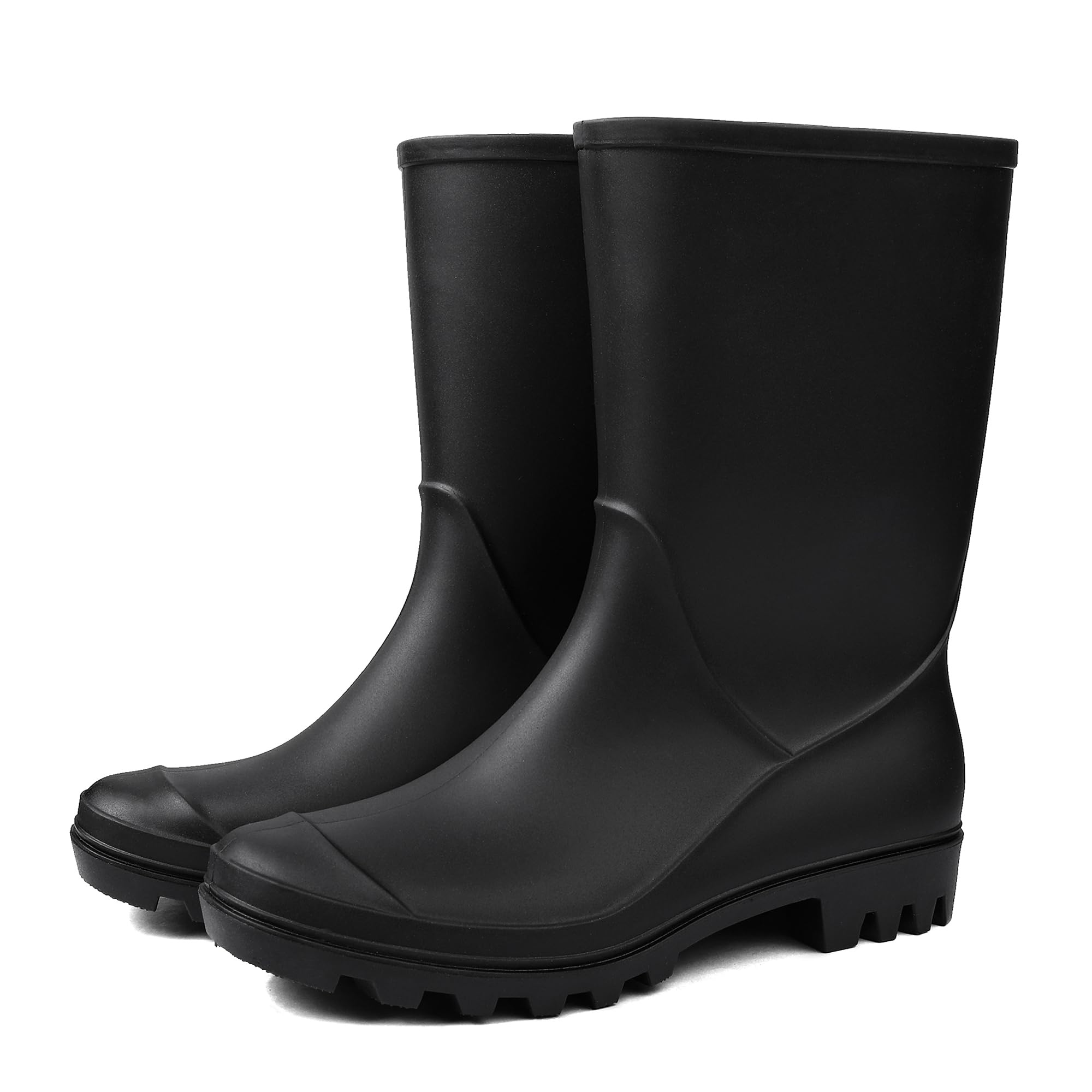

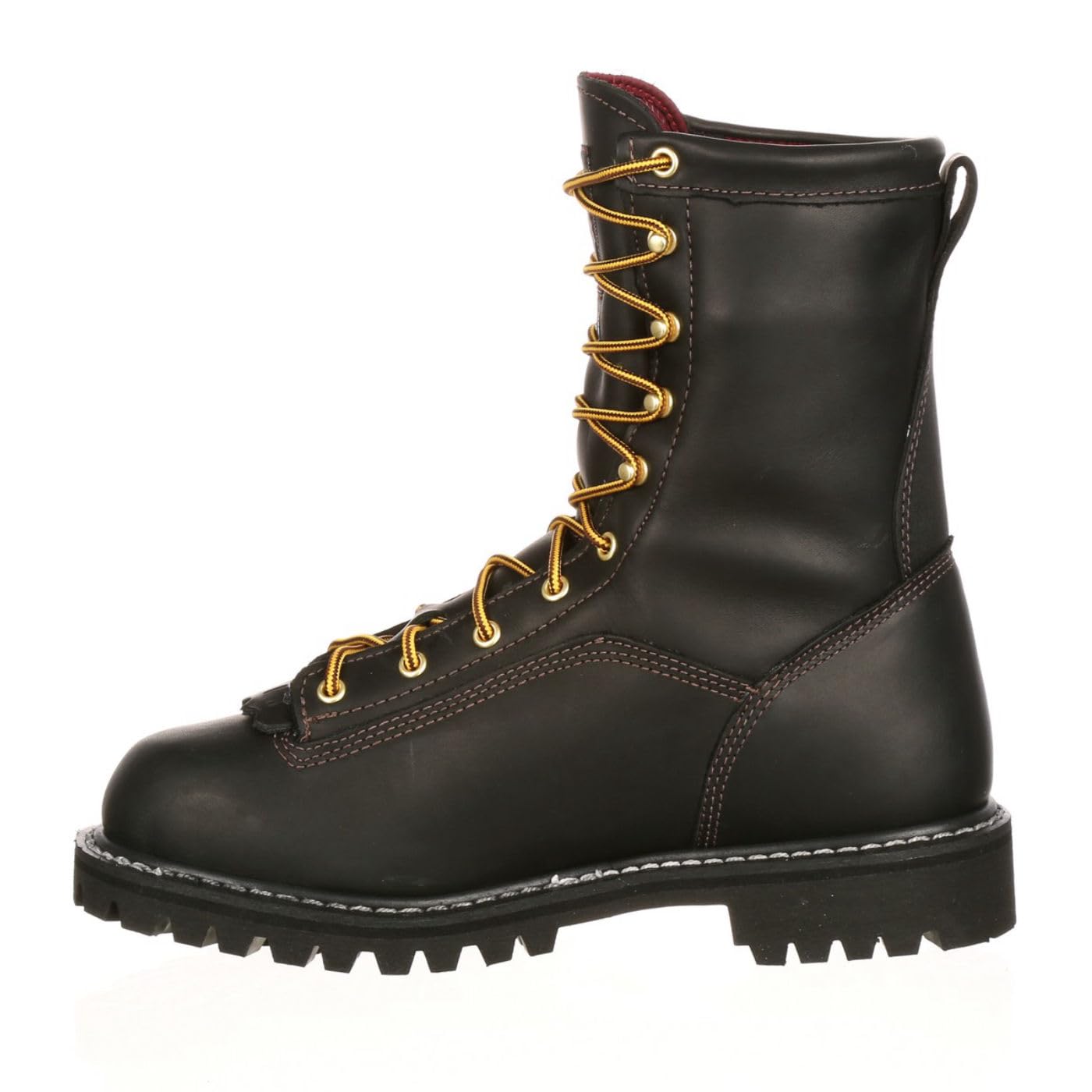
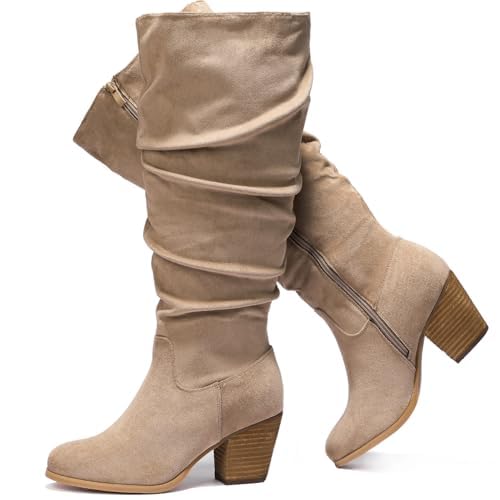

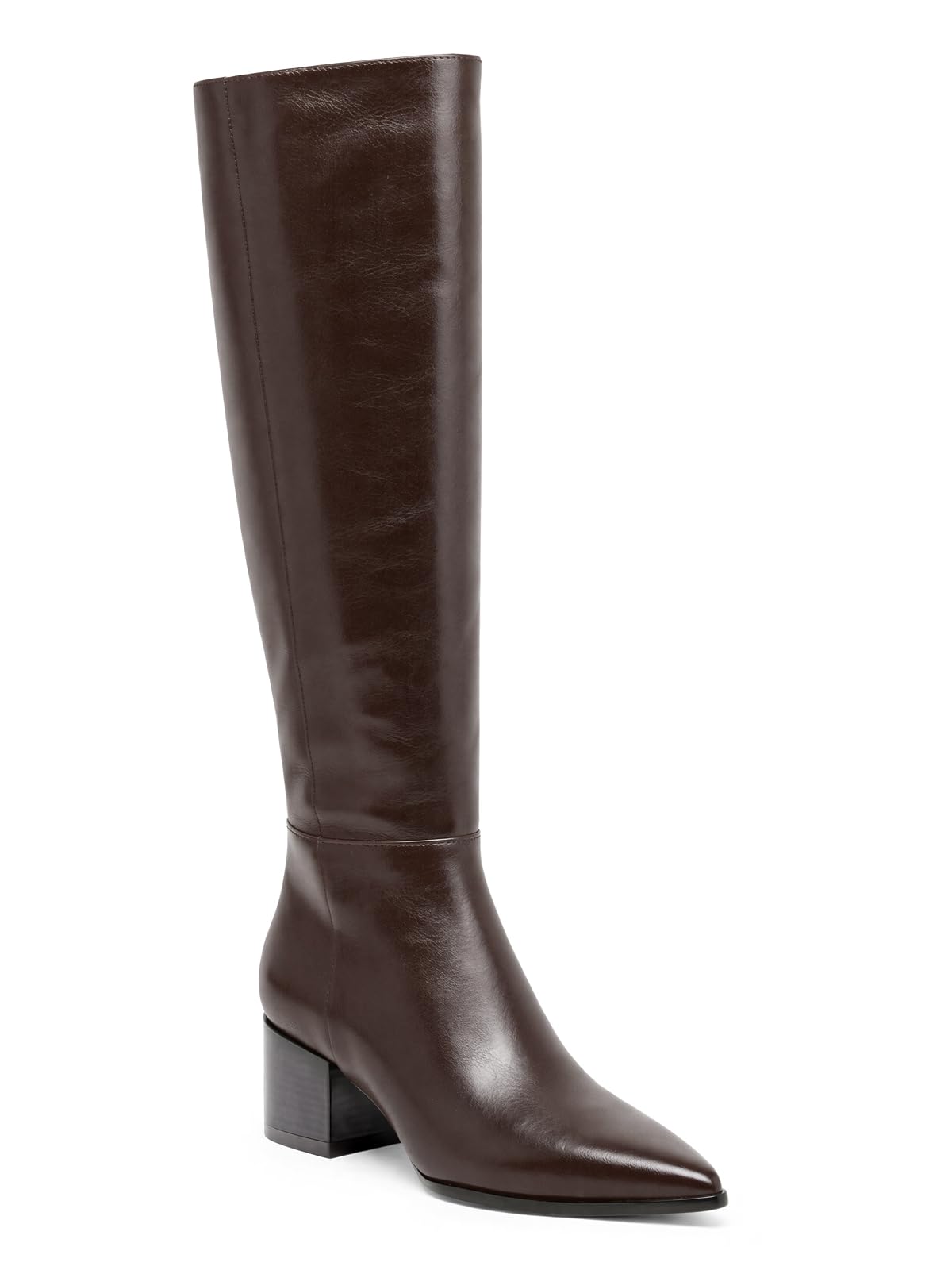
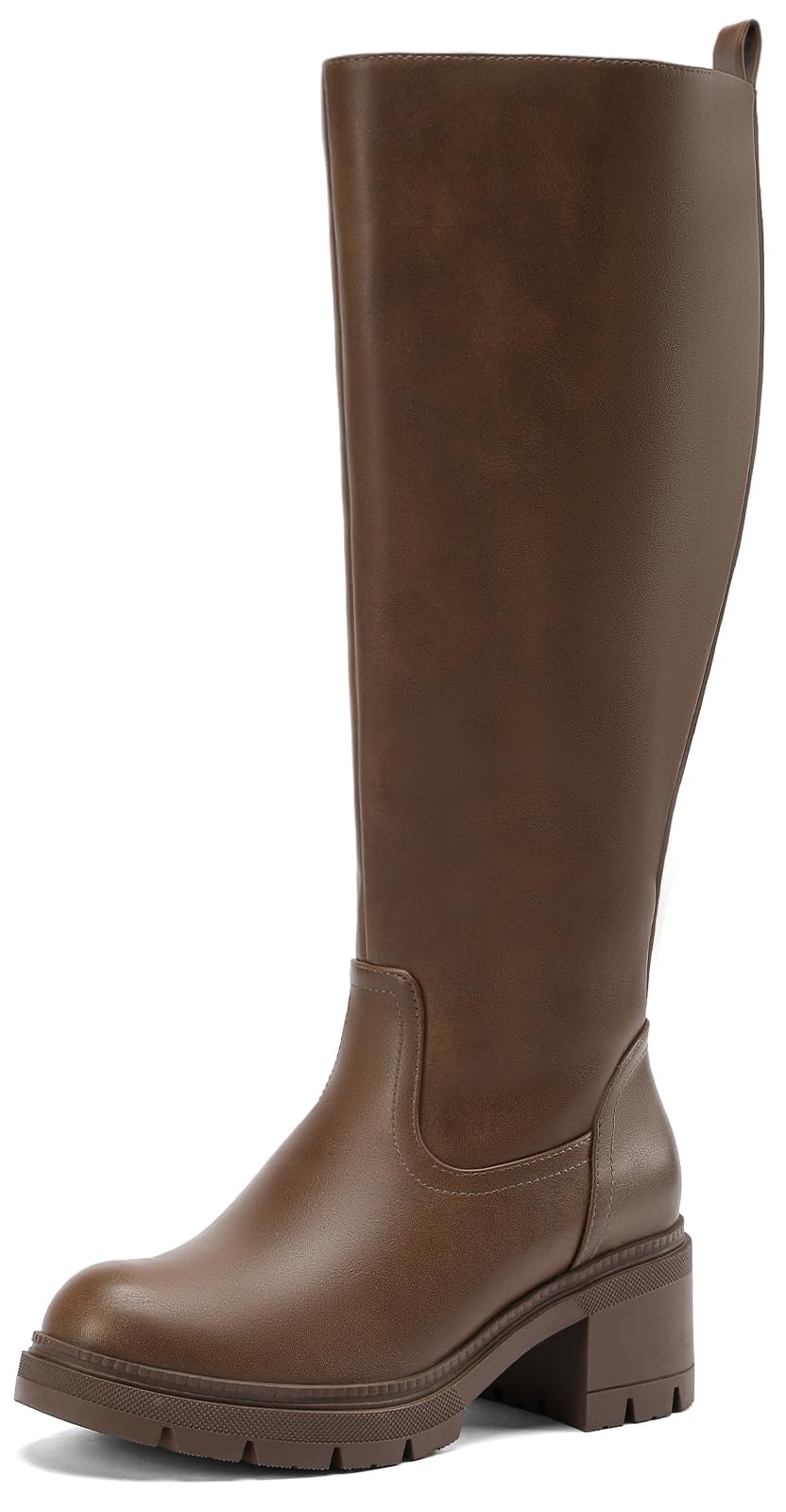


Who Should Buy Boots Built for Heavy Legs
Workers on Concrete With Fuller Calves
If you stand on hard floors for most of a shift, your calves and feet swell as the hours pass, and a shaft that felt fine at dawn can bite by mid afternoon. Look for lacing that adjusts along the whole calf, a padded collar, and a cushioned insole you can replace. Add a safety toe only if your job requires one.
Walkers and Hikers Carrying More Weight
Extra body weight raises the load on every step, so trail boots for you need a stable base more than a soft, squishy feel. A firm midsole, a defined heel brake on the outsole, and ankle support that limits rolling help on descents. On flat paths, a lighter hiking boot beats a tall mountaineering style.
Riders and Outdoor Workers Who Need a Tall Shaft
A tall shaft protects your shins from brush, heat, and debris, but it is the part most likely to fail the fit test on a fuller calf. Measure both calves, shop by the larger number, and check for a gusset or stretch panel that gives the opening extra room. If you also compare shorter styles, see our guide to the best boots for short legs for notes on shaft height and leg proportions.
Key Features to Compare
Price tiers differ less in looks than in how long the comfort parts last. When you compare the best boots for heavy legs, judge each feature below by how it handles a wider leg shape and extra force at every step.
Shaft Width and Calf Fit
The shaft is the tube that wraps your calf, and its circumference decides whether the boot closes at all. Standard shafts run about 14 to 15 inches around, while wide calf versions reach about 16 to 18 inches. Measure your calf late in the day, over the socks you plan to wear, and leave about half an inch of ease.
Foam That Holds Up Under Heavier Loads
Cushioning is the foam layer that absorbs impact before it reaches your knees and hips, and heavier legs compress that foam faster than average. Firmer dual density foam usually outlasts very soft foam, which can feel wonderful in the store and flat within months. Heel to toe drop, the height difference between heel and forefoot, is often about 8 to 12 mm in boots. Change drop gradually if you switch styles, since a low drop asks more of your Achilles.
Arch Support and Stability
Arch support spreads pressure across the whole foot instead of letting it pool under the heel and the ball. Feet under more load tend to pronate, meaning they roll inward, so a firm heel counter and a twist resistant midsole help keep your knees tracking straight. Check that the insole removes easily if you use custom orthotics. Sudden one sided swelling, calf pain, redness, or warmth in one leg needs a doctor promptly, and anyone with ongoing swelling should talk with their clinician about personal fit needs.
Toe Box and Overall Sizing
Feet spread sideways under load and lengthen slightly by the end of the day, so try boots in the afternoon rather than the morning. A wide toe box lets your toes splay for balance, and you want about half an inch of space ahead of your longest toe. Fit your larger foot first if your feet differ.
Outsole Grip and Tread Wear
The outsole is the rubber layer that meets the ground, and its tread pattern decides grip on wet pavement, gravel, or mud. Deeper lugs, often about 4 to 6 mm, bite into soft ground but wear faster on concrete, while shallower tread suits street use. Heavier walkers grind tread down sooner, so check the heel edge at regular intervals.
Boot Weight and Breathability
Every extra ounce hangs at the end of your leg and swings with each step, so a heavy pair quietly taxes your hips over a long day. Leather work boots can weigh about 3 to 4 pounds per pair, while fabric and leather hiking styles often come in closer to 2 to 3 pounds. Breathable linings vent heat and moisture. For warm weather rest days, see our guide to the best sandals for heavy legs for open footwear that still supports the arch.
Budget, Midrange and Premium Tiers for Fuller Calves
Budget Tier: Sound Basics Around $60 to $100
At this level you usually get synthetic uppers or basic leather, a glued sole, and a fixed foam insole. That is enough for light duty, short shifts, and occasional weekend use, and the smart buys still offer wide sizes. Expect cushioning to pack down within a year of daily wear and the shaft range to run narrow, so measure carefully.
Midrange Tier: Wider Shafts and Better Foam Around $100 to $180
This tier is where wide calf options, replaceable insoles, and dual density midsoles become common, and it covers daily work and regular walking well. Uppers often mix full grain leather with fabric panels, which cuts weight and speeds the break in period. If your legs ache mainly from poor support, the jump from budget to this tier helps more than any other upgrade.
Premium Tier: Durable Builds Around $180 to $300
Higher prices buy thicker leather, stitched or resoleable construction on some styles, and more sizes in both foot width and shaft width. The value is lifespan rather than instant comfort, since a resoleable boot can gain years from one resole that costs far less than a new pair. If you need an extra wide shaft plus a roomy forefoot, start with our guide to the best wide leg boots before spending at this level.
Common Mistakes to Avoid
- Measuring your calf in the morning leads to a shaft that will not close after a long day on your feet.
- Choosing the softest insole often means flattened cushioning and aching heels within a few months of daily wear.
- Sizing up in length to gain calf room leaves your heel slipping, which causes blisters and an unsteady stride.
- Ignoring the weight of a safety toe you do not need adds fatigue to every step of a long shift.
- Wearing a new tall boot for a full workday without a break in period risks raw skin where the shaft edge rubs.
- Buying by your old shoe size can miss that shaft widths change between brands and styles.
Care and Maintenance for Boots Under Extra Load
Brush dirt off after use and let boots dry at room temperature away from direct heat, since forced heat cracks leather and warps foam. Rotate two pairs if you wear boots daily, because a rest day lets midsole foam recover some spring and lets the lining dry fully. Condition leather uppers every few months.
Replace insoles when the heel area feels thin, since that small cost restores much of the cushioning for a fraction of a new boot price. Check stitching around the shaft top and zipper teeth regularly, because those points flex hardest on a fuller calf. Budget for insoles, conditioner, and eventually a resole rather than a full replacement.
FAQ
What features matter most in boots for heavy legs during long shifts?
Shaft fit, firm cushioning, and arch support matter most during long shifts. One point many buyers miss is the collar padding at the top of the shaft, which decides whether the edge digs into a fuller calf when you sit and stand all day. Test this by squatting in the store, since a shaft that feels fine standing still may pinch in motion.
How long is the break in period for stiff leather boots?
Most stiff leather boots need about one to two weeks of short wear before the shaft and ankle soften. Wear them at home for an hour or two, then for half days, and add time only when hot spots fade between wears. A spot that still burns after two weeks usually signals a fit problem rather than a boot that needs more time.
Are premium boots worth the price for heavy legs?
Premium boots are worth it when you wear them daily and need wide shaft sizes that cheaper lines skip. The clearest payoff is a resoleable build, which can double the service life of a pair you already know fits your calf.
How often should heavier walkers replace their boots?
Replace boots when the tread at the heel wears smooth or the midsole stays compressed and no longer springs back overnight. Many daily walkers reach that point around 300 to 500 miles, sooner on concrete than on trails. Press your thumb into the heel foam of a rested boot, and foam that feels dead and stays dented means the support is gone.
Can I wear boots for heavy legs all day on concrete?
Yes, you can wear boots for heavy legs all day on concrete if the cushioning is firm, the fit leaves room for swelling, and you build up wear time gradually. A midday change of socks helps more than most people expect, because dry socks cut friction and make the same boot feel roomier.
Wrapping Up
Fit your calf first, demand cushioning that stays firm, and pick the price tier that matches how many days a week the boots will work. Budget pairs cover light use, midrange builds give most heavy legs daily support, and premium construction pays off in years of service. Whichever tier you choose, the best boots for heavy legs are the ones you can close, walk in, and forget about by midday, so check the product table above before you order.


