Best Boots for Harsh Winter in 2026: Everything to Know Before Your First Purchase
Disclosure: We may earn a commission when you buy through links on this page, at no extra cost to you. As an Amazon Associate I earn from qualifying purchases. Learn more

Insulation, waterproofing and fit explained for first time buyers of the best boots for harsh winter.
Harsh winter means deep cold, wind, ice, and snow that stays for weeks, and ordinary footwear fails fast in those conditions. The best boots for harsh winter keep your feet warm, dry, and steady instead. This guide starts with the basics and moves step by step to choosing, so you can read the comparison table below with a clear plan.
As a first time buyer, you need three answers. How much insulation do your days demand, how does the boot keep snow and slush out, and how should it fit over thick socks? The sections below turn those questions into a simple comparing order.


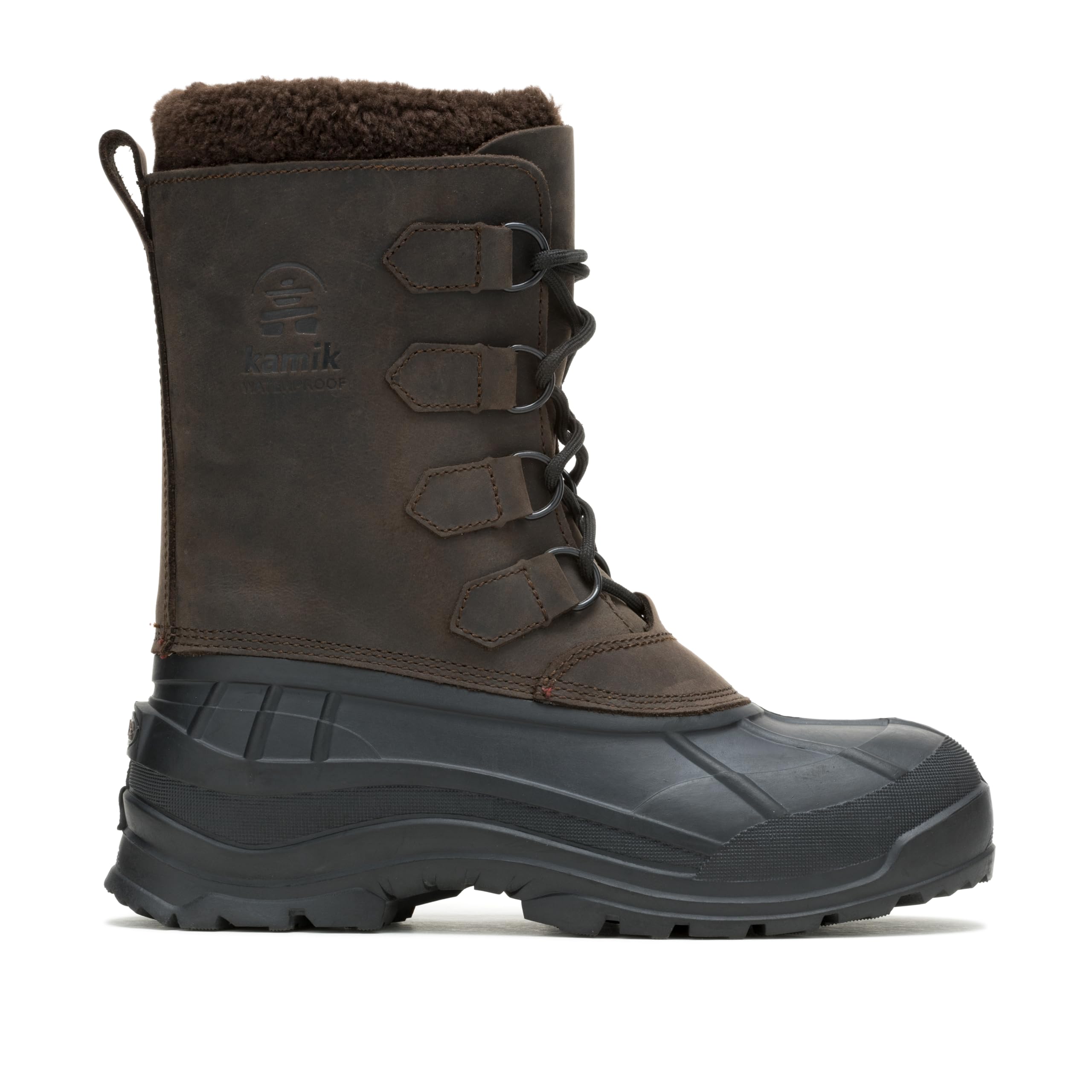

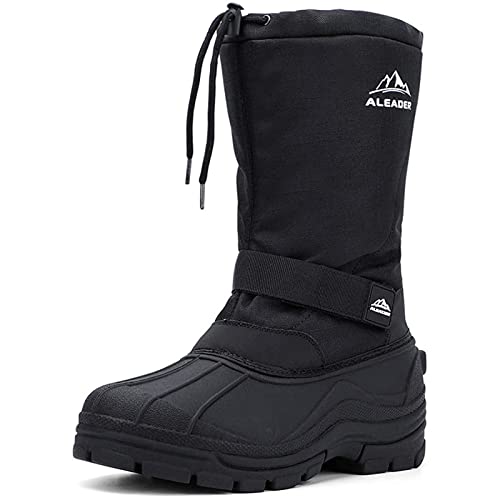
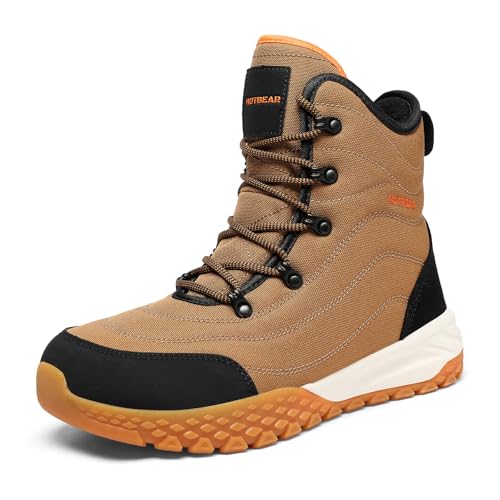

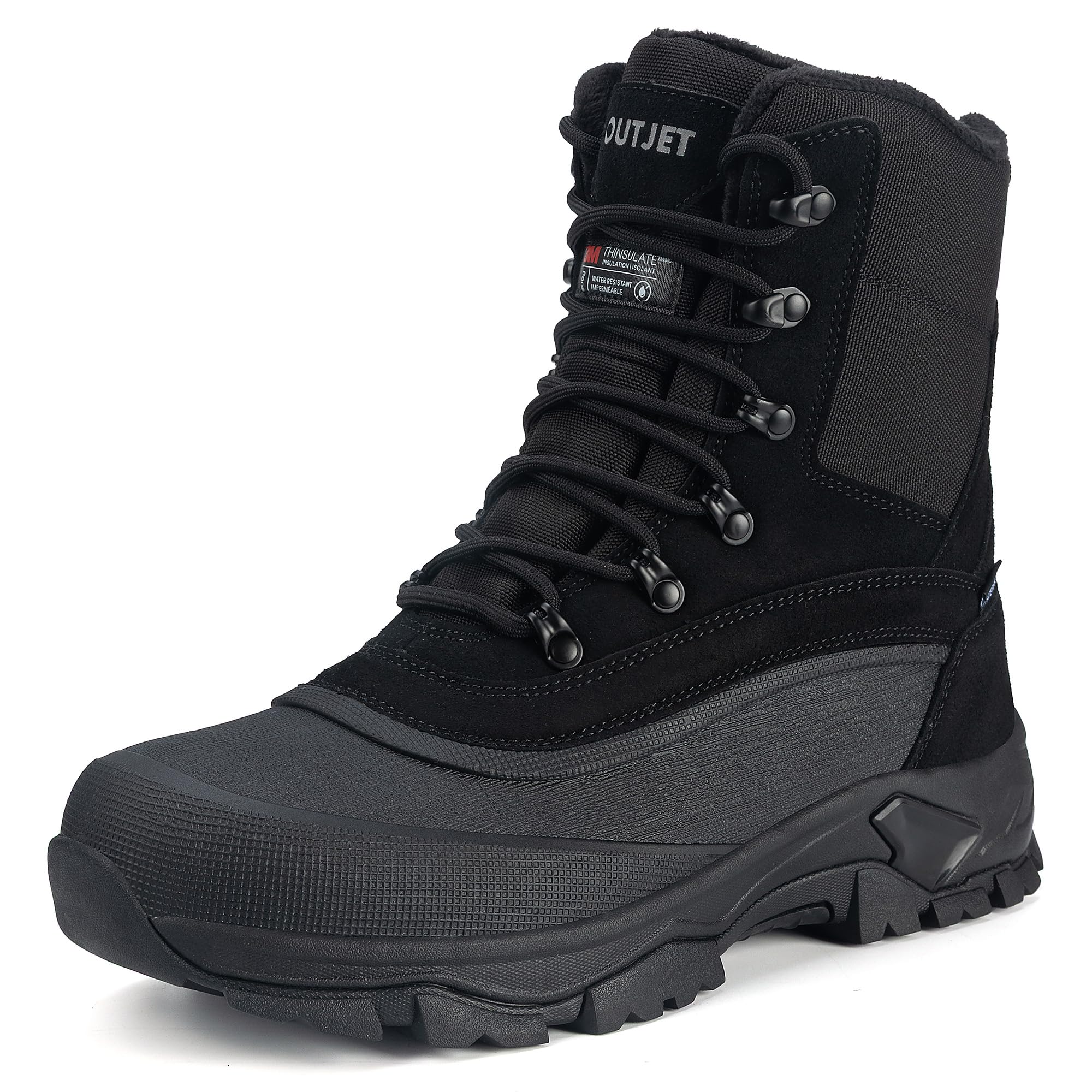

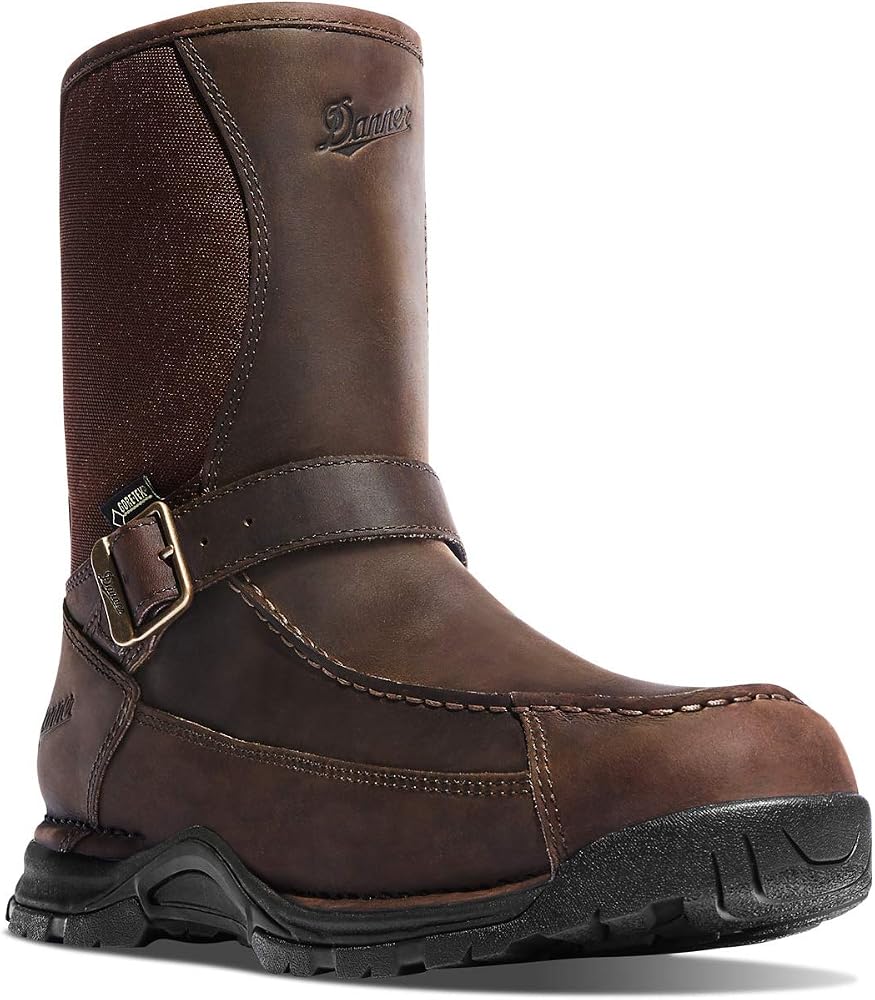
Who Should Buy Boots Built for Harsh Winter?
Start with the coldest task in your week, not the mildest one. A boot that feels fine on a short drive can leave you numb during an hour outside.
People Who Walk and Commute on Ice and Packed Snow
You cross slick parking lots, wait at bus stops, and walk paths that stay frozen for days. Choose deep lugs, a shaft that covers your ankle well, and insulation for standing still, since waiting cools feet faster than walking. A secure lace fit matters, because a shifting boot makes each step on ice less stable.
People Who Work Outdoors Through Long Cold Shifts
You may stand on frozen ground for hours, then move, lift, and stand again. Choose higher insulation, a cushioned insole you can replace, and a roomy fit that keeps blood flowing all shift. Men who work outdoors and want a work focused list can also see our guide to the best boots men winter.
People Who Clear Snow and Do Chores in Deep Snow
You shovel, haul wood, walk dogs, and step into drifts past your ankle. Choose a taller shaft, a tongue joined to the sides, and a shell that sheds wet snow. Easy entry and a removable liner suit you well, since your boots work hard in short bursts and need to dry between them.
Boots 101: The Basics for First Time Buyers
A winter boot has four working parts. The upper wraps your foot and lower leg, the insulation traps warm air around it, the midsole cushions each step, and the outsole grips the ground. A pac style boot joins a rubber lower shell to a softer upper, and handles slush and deep snow well.
Harsh winter boots carry more insulation, rise higher on the leg, and use rubber that stays flexible in deep cold. If your winters are mostly wet and near freezing, see our guide to the best winter boots for a lighter starting point.
The Specs That Decide Warmth on the Coldest Days
When you shop for the best boots for harsh winter, read the spec list in a fixed order. Start with insulation and waterproofing, then check grip, height, and fit.
Insulation Weight and Temperature Ratings
Insulation is usually listed in grams, and the number describes how much fill the boot carries. Around 200 grams suits active use in mild cold, about 400 grams suits most cold days with movement, and about 600 to 1000 grams suits deep cold or long periods standing still. Treat printed temperature ratings with care, since brands test them in different ways. A busy snow clearer can choose less fill than a worker who stands on ice all shift.
Waterproof Shell, Sealed Seams, and Snow Entry Points
Warmth means little once water gets in, since wet socks pull heat from your feet quickly. Look for a waterproof membrane such as Gore Tex or a sealed rubber shell, sealed seams, and a tongue joined to the upper on both sides so snow cannot pour in at the laces. A breathable membrane also lets some sweat vapor escape on active days. Leather uppers need regular water resisting treatment, while rubber shells shed slush with almost no upkeep.
Outsole Lugs and Rubber That Stays Flexible in Cold
The outsole is your only contact with ice, so its pattern and rubber matter every step. Lugs about 5 to 8 mm deep bite into snow, while wider gaps between lugs shed packed snow instead of holding it. Rubber made for cold stays softer and grips better far below freezing, while hard rubber can feel like plastic on ice. No lug pattern makes smooth ice fully safe, so slow down on glare ice.
Shaft Height and Coverage for Deep Snow
Shaft height decides how deep you can step before snow reaches the top opening. Boots about 6 to 8 inches tall suit cleared paths and light snow, while boots about 9 to 14 inches tall suit drifts and chores away from cleared ground. A drawstring or snug cuff helps seal the gap between boot and pant leg. Taller shafts add protection, but also weight and stiffness, so match height to your deepest regular snow.
Fit, Sizing, and Toe Box Room Over Thick Socks
Try boots late in the day, when your feet are at their largest, and wear the thick socks you plan to use outside. Your toes need room to wiggle, since a roomy toe box keeps warm air around them and protects circulation. A fit that feels snug in thin socks will feel tight in winter socks, and tight boots often feel colder. Women often do better on a last shaped for a narrower heel, so see our guide to the best ladies winter boots if unisex sizing slips at your heel.
Arch Support, Cushioning, and Boot Weight
A firm insole with real arch support spreads pressure during long standing on frozen ground, and thick cushioning softens steps on hard packed snow. Flat feet usually need more support and stability, while high arches often need more cushioning under the heel and forefoot. Many harsh winter boots have a small heel to toe drop and a stiff shank, which feels steady on uneven snow but tiring at first. A very heavy pair can also exhaust your legs on long walks.
Getting Started: Fit Check and First Use at Home
Before your first long outing, wear the boots indoors for about 30 minutes with your winter socks. Walk, climb stairs, and crouch, then check for heel lift, toe contact at the front, and any spot that rubs. Your toes should touch nothing when you kick a wall gently, since feet slide forward on slopes.
Then take two or three short walks near home before a full day outside, while returning is still easy if fit problems appear. If your toes stay numb, pale, or waxy looking after you come indoors and warm up slowly, seek medical care promptly, and talk with your clinician about your personal needs for cold exposure.
Rookie Mistakes to Avoid
Most first purchase regrets come from a short list of avoidable errors.
- Buying your normal shoe size without trying thick socks leaves toes crowded and makes your feet feel colder.
- Trusting a printed temperature rating alone leads you to buy too little insulation for standing still.
- Choosing smooth fashion soles for icy streets turns every crossing into a fall risk.
- Wearing cotton socks traps sweat against your skin and chills your feet once you stop moving.
- Storing boots wet after a storm leaves liners damp and smelly for the next cold snap.
Care and Maintenance for Harsh Winter Boots
After each wet outing, pull the liners and insoles out and let everything air dry at room temperature away from direct heat. Stuffing the boots loosely with newspaper helps draw moisture from the toe area. Keep the boots open and upright, since a closed, damp boot dries slowly and grows odor fast.
Brush dried salt and grit from uppers and outsoles, then wipe leather with a damp cloth and renew its water resisting treatment when water stops beading. Check laces, eyelets, and sole edges every few weeks in season. Store the clean, dry pair upright in a cool, ventilated spot.
FAQ
What features matter most in boots for harsh winter?
Insulation, waterproofing, and grip matter most, in that order, for boots for harsh winter. In a store, press the liner to judge its thickness, flex the boot to confirm the tongue is joined at the sides, and run your thumb across the lugs to feel their depth. This quick check works even when brands use different rating systems.
How often should I replace boots for harsh winter?
Replace boots for harsh winter when warmth or grip fades, not on a fixed schedule. A liner that stays flat after a full day of airing has lost its loft, and lugs worn smooth at the heel signal the same end. Boots stored damp or crushed also age faster than boots stored clean and dry.
Can I wear boots for harsh winter all day?
Yes, you can wear boots for harsh winter all day outdoors if the fit leaves room for your toes and your socks stay dry. Indoors is different, since heavily insulated boots often overheat at a desk and leave socks damp for the trip home. Keeping lighter indoor shoes at work solves that problem.
Do I need waterproof boots for harsh winter?
Yes, you need waterproof boots for harsh winter if you face slush, wet snow, or melting daytime ice. In dry powder snow, water entry is slower, but one warm afternoon can turn a path into standing water. A waterproof shell also blocks wind driven snow at the seams, which a spray alone cannot promise.
How long is the break in period for boots for harsh winter?
The break in period for boots for harsh winter is usually about three to five short wears for stiff leather styles, and often just one or two outings for soft pac styles. Stiffness fades first around the ankle, then across the forefoot. If a spot still rubs after several wears, the size or last is likely wrong.
Final Thoughts
For your first purchase, let your coldest regular task set the standard. Choose insulation for how still you stand, waterproofing for the wettest ground you cross, and a fit that leaves your toes free over thick socks. Then use the product table above to check height, weight, and price.
When you compare best boots for harsh winter that way, the right pair usually feels unremarkable on your feet and keeps doing its job hour after hour. Your first winter in proper boots will feel far less harsh.