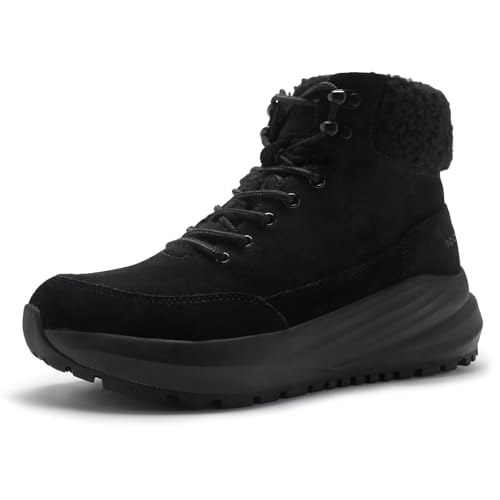
Best Boots for Hallux Rigidus: Budget, Midrange, and Premium Picks for 2026
Disclosure: We may earn a commission when you buy through links on this page, at no extra cost to you. As an Amazon Associate I earn from qualifying purchases. Learn more

Compare the best boots for hallux rigidus by budget, with guidance on stiff soles, roomy toe boxes, cushioning, and fit for comfortable daily wear.
Boots for a stiff, painful big toe joint cost anywhere from around $80 to about $300, and the price alone tells you little about comfort. What matters is how much the sole bends, how much room your forefoot gets, and how the boot supports each step. The best boots for hallux rigidus limit motion at that joint while still letting you walk with a natural stride.
This guide sorts the choices by budget so you can see where extra money helps and where it does not. Use the comparison table below to narrow your options before you order.

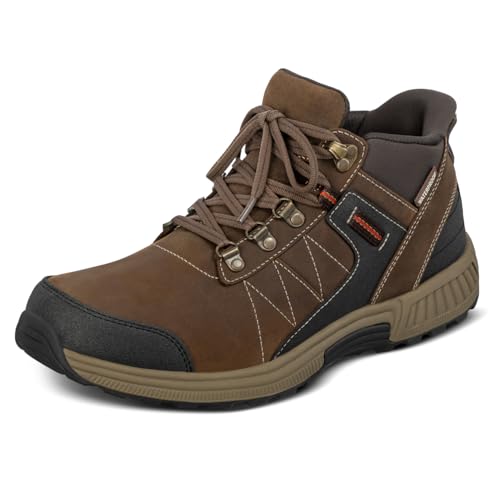
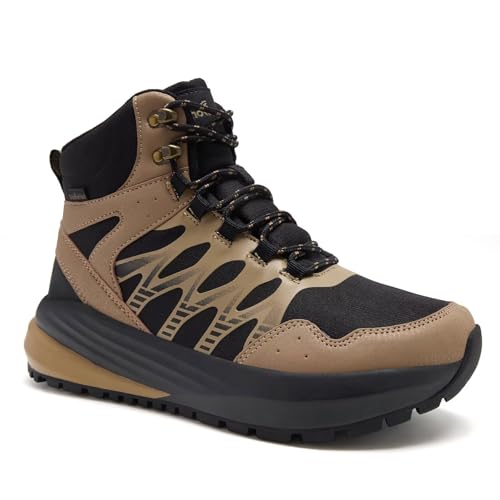
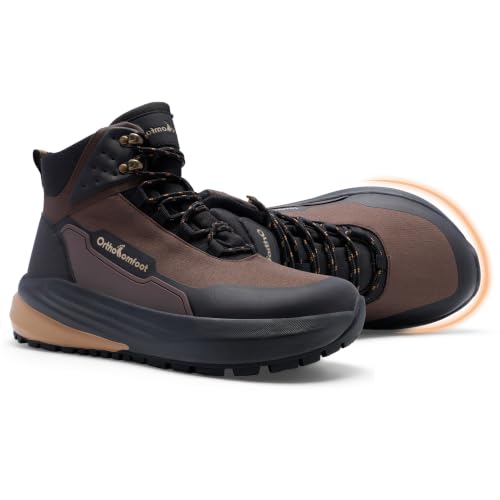


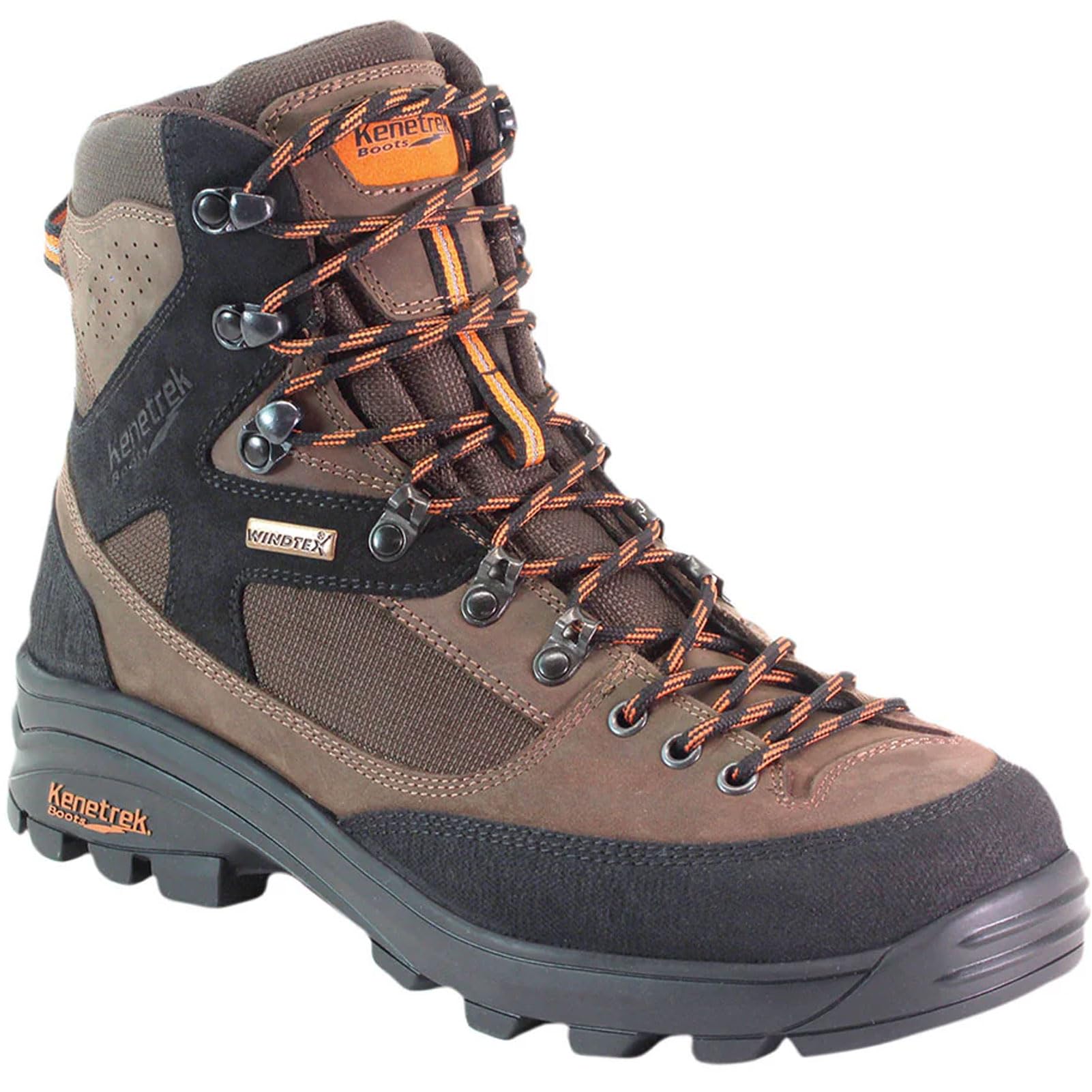
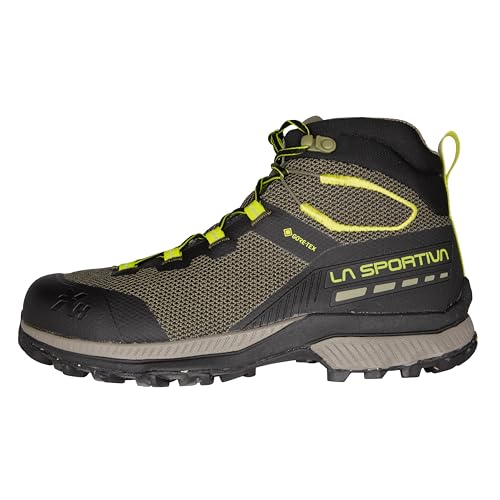
How to Choose by Budget Without Overspending
Spending with a plan starts with the job the boot must do. Daily walking, long shifts on concrete, and rough trail days place different demands on the sole and upper, so set your budget around your heaviest regular use. Judged that way, the best boots for hallux rigidus in any tier share the same stiff sole and roomy forefoot, and differ mainly in materials and lifespan.
Budget Boots: Where to Focus Your Money
At the lower end, protect the essentials and accept simpler materials. Look first for a sole that resists bending when you twist it by hand and a toe box that does not taper sharply. Uppers may be synthetic rather than leather, and cushioning may feel thinner after long days. If a budget boot gets the stiffness and shape right, it can serve well for errands and short walks.
Midrange Boots: Where Extra Spending Helps Most
Midrange boots usually improve the parts you feel every day. Expect a firmer, more durable outsole, better shaped arch support, and uppers that hold the heel without squeezing the forefoot. Removable insoles are more common here, which matters if you use your own inserts. For most people who walk or stand for hours, this tier balances comfort, durability, and price best.
Premium Boots: What Justifies the Higher Price
Premium boots earn their price through construction, not decoration. Full grain leather, stitched soles that a cobbler can service, and carefully shaped rocker geometry all cost more to make. Pay this much only if you wear boots daily, cover serious miles, or have struggled to find a wide fit in cheaper lines.
What Your Money Gets You at Each Price Tier
Price tiers overlap between brands, so treat the ranges below as a map rather than a rule. A discounted midrange boot can beat a full price budget boot on every measure.
Budget Tier: What to Expect
Budget boots often cost around $80, with most pairs under $120. Typical strengths include a stiff shank, basic cushioning, and simple, easy to clean uppers. Trade offs include faster outsole wear and fewer width options. This tier suits occasional wear, or a first pair while you learn what your toe tolerates.
Midrange Tier: The Sweet Spot for Most Buyers
Midrange boots often cost about $120, with most pairs under $200. You gain more consistent sizing, sturdier stitching, better traction patterns, and insoles with real contour. Waterproof membranes such as Gore Tex appear more often here, as do wide sizes. If you commute on foot or stand through a work shift, this tier is where comfort per dollar usually peaks.
Premium Tier: When Spending More Pays Off
Premium boots often cost about $200, with some pairs at about $300 or more. The gains are longer service life, resoleable construction on some styles, refined rocker shapes, and uppers that mold to your foot. The trade off is a longer break in period and a bigger loss if the fit turns out wrong.
Features Worth Paying For and Ones to Skip
Some features directly reduce stress on the big toe joint, while others only add cost or weight. The four areas below deserve your attention first.
Features That Matter for Hallux Rigidus
Hallux rigidus means the big toe joint has lost much of its normal motion, so bending the toe upward during push off becomes painful. A stiff sole and a rocker bottom solve this by rolling the foot forward instead of forcing the joint to flex. Test stiffness by trying to bend the boot with your hands. If the forefoot folds easily, the boot will ask too much of your toe.
Talk with your clinician or podiatrist about your personal needs, especially before a big trip or a new job that adds miles. Seek care promptly if you notice sudden swelling, redness or warmth around the joint, skin breakdown, numbness, a sore that does not heal, fever, or pain that keeps you from bearing weight.
Cushioning and Support
Cushioning absorbs impact, but it cannot replace sole stiffness for this condition. A firm midsole with moderate padding works better than a very soft, thick sole that lets the forefoot sink and bend. Arch support should match your foot shape so load spreads across the whole foot instead of concentrating under the big toe. Stability designs guide the foot for people who roll inward, while neutral shoes and boots suit a more neutral gait, and a modest heel to toe drop can shift some load away from the forefoot.
Fit, Sizing, and Toe Box
Measure both feet in the afternoon, when they are at their largest, and fit the boot to the longer foot. The toe box should let your toes lie flat without pressing the big toe sideways or rubbing its top, where a bony bump often forms. Leave about a thumb width of space in front of your longest toe, and bring any inserts you wear, because they change the volume your foot needs.
Durability and Expected Lifespan
A boot that starts stiff but softens quickly is a poor value at any price. Dense rubber outsoles, reinforced toe bumpers, and stitched rather than only glued construction all extend useful life. Judge cost per year of service, not just the checkout total, and skip fashion details like decorative buckles that add price without adding support.
How to Test the Fit Before You Commit
Order from sellers with clear return terms, and test indoors on clean floors so the boots stay returnable.
A Simple Indoor Walking Test
Wear the socks and inserts you plan to use, lace the boots snugly over the midfoot, and walk on hard floors for fifteen to twenty minutes. Your heel should stay seated, your big toe should not jam forward, and push off should feel like a smooth roll. Pressure that grows minute by minute is a warning sign, not something to push through.
Break In Expectations for Stiff Boots
Stiff soles feel strange at first, and leather uppers need time to soften around the ankle and midfoot. Build up wear over one to two weeks, starting with short outings and adding time as comfort allows. The sole itself should stay firm, because that firmness is the point. Stop and reassess the fit if you develop blisters or new pain in the ball of the foot, since break in should never create injury.
Common Mistakes to Avoid
- Choosing a soft, flexible boot because it feels comfortable in the store, which lets the big toe joint bend and ache on real walks.
- Buying your usual shoe size without measuring, which leaves too little room when feet swell during the day.
- Judging by cushioning alone, which hides a weak sole that leaves the forefoot unsupported.
- Picking a narrow fashion boot, which squeezes the forefoot and presses on the top of the joint.
- Keeping boots long after the outsole has worn smooth, which reduces traction and lets the sole flex in the wrong places.
- Ignoring new redness or swelling and blaming the boot, which can delay care for a joint problem that needs a clinician.
Care and Maintenance for Rigid Toe Friendly Boots
Boot care for this condition centers on preserving sole stiffness and forefoot shape. Brush off dirt after use, loosen the laces fully before removing the boots so you do not crush the heel counter, and air dry them away from direct heat.
Check the outsole every few months by pressing and twisting the forefoot. Clean leather with a conditioner made for footwear, and reproof waterproof uppers when water stops beading. Replace worn insoles promptly, since a flattened insole can shift pressure back onto the big toe.
Long Term Costs to Factor In
The purchase price is only part of what a pair will cost you. Inserts, replacement insoles, waterproofing treatments, and eventual resoling or replacement all belong in the budget. A midrange boot needing one new insole each year may still cost less over three years than a budget boot replaced twice.
If your winters are snowy, our guide to the best winter boots for hallux rigidus explains the insulation and traction trade offs that cold weather adds. The right pair per season beats forcing one boot into every job and wearing it out early.
Choosing a Style for Your Setting
The right category matters as much as the right size, so sort styles by use in the comparison table above.
For uneven ground and longer walks, our guide to the best hiking boots for hallux rigidus covers ankle support and traction in more depth. If your job involves concrete floors or protective toe requirements, see our guide to the best work boots for hallux rigidus before you buy, because safety ratings can narrow your choices.
Warm weather may call for our guide to the best sandals for hallux rigidus on days when boots feel too hot. At home, our guide to the best slippers for hallux rigidus can help you avoid soft, flat house shoes that let the joint bend with every step.
Frequently Asked Questions
What features matter most in boots for hallux rigidus?
A stiff sole with a rocker shape matters most, because it rolls your foot forward without forcing the big toe joint to bend. Next come a roomy toe box, firm arch support, and a secure heel fit. One detail many buyers miss is lacing that locks the midfoot firmly, which stops your foot sliding forward on downhills and protects the toe.
Are expensive boots for hallux rigidus worth the money?
Expensive boots are worth it only when the extra money buys longer lasting stiffness, better fit options, or serviceable construction. If you walk daily for work, those gains can lower your cost per year. If you wear boots twice a month, a midrange pair usually serves just as well, since an expensive boot in the wrong width helps no one.
How often should you replace boots for hallux rigidus?
Replace your boots when the forefoot starts to flex easily, the tread turns smooth, or the upper stretches so much that your foot moves inside. Time alone is a poor guide, because a lightly used pair can stay supportive for years. New aches on a familiar walk that used to feel fine often mean the boot, not your foot, has changed.
How long is the break in period for stiff boots for hallux rigidus?
Most stiff boots settle in within one to two weeks of gradually longer wear. Leather styles may need a little longer around the ankle collar. Plan your break in before a trip or a new job rather than during it, and carry a familiar backup pair for the first week so you can switch if discomfort builds.
Can you wear boots for hallux rigidus all day?
Yes, many people wear supportive boots all day once the fit is right and the break in period is done. Standing still can tire feet faster than walking, so shift your weight and take short walking breaks. If all day wear still leaves the joint hot or swollen, raise that pattern with your clinician, because footwear alone may not be enough.
Final Thoughts
Bring your decision back to three checks: a sole that will not fold, a toe box that leaves the joint alone, and a fit you can wear for hours. Budget boots can pass those checks for light use, midrange boots pass them with better durability, and premium boots add years of service.
Whichever tier you choose, the best boots for hallux rigidus are the ones that let you finish your day with a calm toe and steady steps. Fit them late in the day, test them indoors, and keep your clinician involved.