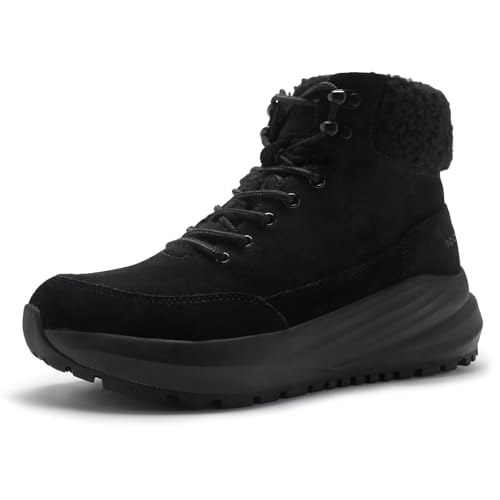
Best Boots for Haglund's Deformity: Our 2026 Checklist for Heel Comfort
Disclosure: We may earn a commission when you buy through links on this page, at no extra cost to you. As an Amazon Associate I earn from qualifying purchases. Learn more
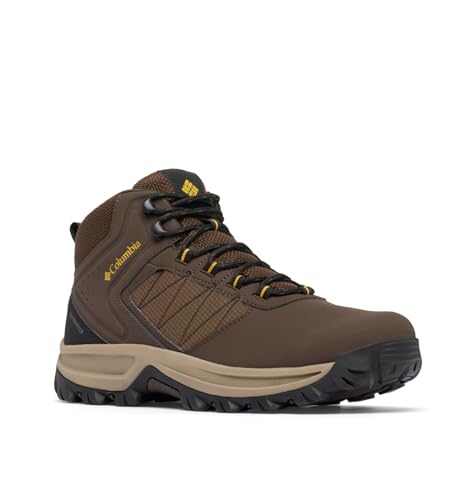
Find boots that ease heel pressure from Haglund's deformity, with guidance on heel shape, cushioning, fit, arch support, traction and daily care.
Haglund's deformity is a bony bump at the back of the heel, and a stiff boot back can rub that bump with every step until the skin and soft tissue under it ache. The best boots for haglund's deformity protect that spot instead of pressing on it. This guide uses a simple checklist, so you can judge heel shape, cushioning and fit in the comparison table below.
Start with where the pain shows up. Pressure at the top edge points to the collar, friction lower down points to the heel counter, and a deep ache after long days often points to fit or support.


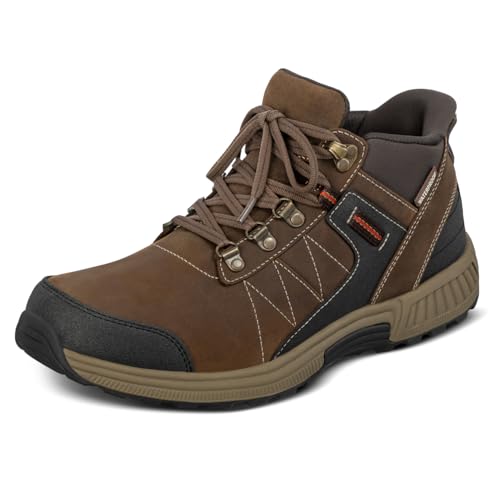


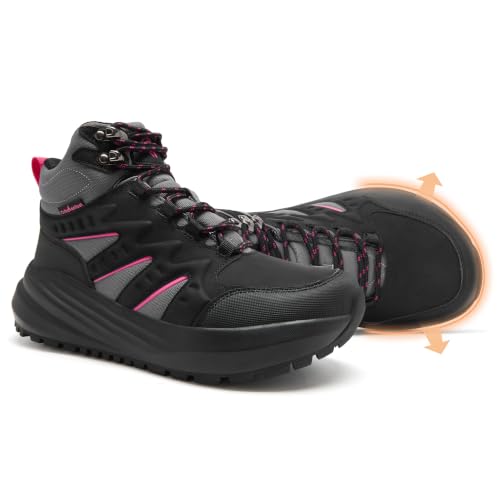

Who Should Buy Boots for Haglund's Deformity?
Buyers share the same heel bump, but their days load that heel in different ways. Pick the group closest to your routine, because the right boot for a warehouse floor is rarely right for a trail.
Workers Who Stand and Walk on Hard Floors
You need cushioning that lasts a full shift, a heel back that stays soft against the bump, and a sole that grips smooth concrete when it is dusty or damp. If your job requires protective toes, see our guide to the best work boots for haglund's deformity for options that add safety without ignoring the heel. Choose a shaft that does not fold inward when you crouch.
Hikers Who Need Support Without Heel Rub
You need ankle support and trail traction, but a tall and rigid collar can become the thing that hurts you on climbs. Look for a padded collar with a curved dip at the back, often called an Achilles notch, plus a fit that locks the midfoot so the heel stays still. A still heel on a descent matters, since sliding turns mild contact into a blister.
Daily Walkers and Commuters With a Sensitive Heel
You need a lighter boot that flexes at the forefoot, breathes on warm pavement, and works with ordinary socks for errands and dog walks. For short outings on flat ground, you may also rotate in softer footwear, and our guide to the best walking shoes for haglund's deformity covers that lower cut choice. Keep the boots for wet days and longer walks.
Key Features to Compare
Judge every boot in the same order, starting at the back of the heel. A boot that fails the first test rarely redeems itself with a low price.
Heel Counter and Collar Shape
The heel counter is the structure that cups the back of your foot, and for this condition it should be padded, smooth inside and free of a hard seam crossing the bump. Press the back with your thumb. A back that gives a little and springs back will treat the bump more kindly than one that feels like a board. See a doctor or a foot specialist promptly if pain keeps growing, the heel becomes red, warm or swollen, the skin breaks, or you notice numbness, and talk with your clinician about your personal needs before relying on footwear changes alone.
Heel Cushioning and Drop That Ease Pull at the Back of the Ankle
Cushioning under the heel softens each landing on pavement and concrete, and a resilient midsole helps most if you stand for hours. Heel to toe drop is the height difference between heel and forefoot, and a moderate drop of about 8 to 12 mm can reduce pull at the back of the ankle for many wearers. Very flat boots ask more of the calf, so change gradually.
Fit, Sizing and Toe Box Shape
Measure both feet late in the day, when they are at their largest, and size to the longer foot. Your toes need room to spread, with a thumb width of space ahead of the longest toe, while the midfoot should feel held rather than squeezed. The heel should lift only slightly as you walk, because each slide rubs the bump again.
Arch Support, Stability and Room for Inserts
Support under the arch spreads load across the foot instead of letting the heel take every impact alone. Flat feet that roll inward often suit a firmer and more stable boot, while high arches often suit more cushioning under the midfoot. Check that the insole removes easily if you use your own insert, and that the boot still closes comfortably with it inside.
Upper Materials, Breathability and Water Resistance
Leather starts firm and softens with wear, mesh and knit panels stretch more and let heat escape, and a blend often gives the best balance for a sensitive heel. A waterproof membrane such as Gore Tex keeps rain out on trails, but it also holds warmth in, so skip it for indoor work or summer commuting. Whatever the upper, the heel lining should feel smooth to a finger.
Outsole Traction, Weight and Flex
Lugs are the tread blocks under the sole. Shallow lugs suit pavement and warehouse floors, while deeper lugs of about 4 to 5 mm grip mud and loose trail surfaces better. A boot should bend at the ball of the foot and stay stiffer through the middle, which protects the arch. Heavier boots bring more protection, but that weight tires your legs on long shifts.
Quick Buyer Checklist for a Sensitive Heel
Work through these questions with the boot on your feet. The best boots for haglund's deformity should earn a yes on the first four questions and on most of the rest.
- Does the heel back feel padded, with no hard seam crossing the spot where your bump sits?
- Does the collar dip or curve at the back instead of cutting straight across the tendon?
- Can you walk a full lap indoors without your heel sliding up and down inside the boot?
- Is there about a thumb width of room ahead of your longest toe in thick socks?
- Does the insole come out, so your own insert fits without crowding the upper?
- Does the sole grip the surface you actually walk on each week?
- Can you return the boots after indoor wear if the heel still rubs?
Treat vague answers as a warning sign. Listings that hide the lining material, give no return terms, or promise pain relief are red flags, since no boot can promise a medical outcome.
Common Mistakes to Avoid
- Buying a stiff and tall boot for support alone leaves a rigid collar pressing the bump on every step.
- Choosing extra room to spare the heel lets the foot slide, and that friction can blister the bump faster than a close fit.
- Wearing brand new boots for a full shift or a long hike gives sore skin no chance to warn you the fit is wrong.
- Adding a thick insert without checking the fit raises the heel, which can push the bump harder against the collar.
- Ignoring early redness and pushing through pain turns a fit problem into skin damage that keeps you out of boots longer.
Care and Maintenance Tips for Boots
Brush off dirt after wear and let wet boots air dry at room temperature, away from radiators and direct heat, since heat stiffens leather and can warp the heel counter shape you chose so carefully. Loosen the laces so air reaches the heel lining. Condition plain leather when it looks dry.
Rotate two pairs if you wear boots daily, because a rest day lets the cushioning recover and the lining dry fully. On rest days, open footwear removes heel contact entirely, and our guide to the best sandals for haglund's deformity explains what to look for. If you run, see our guide to the best running shoes for haglund's deformity for the heel points that matter there.
Boots for Haglund's Deformity: Your Questions Answered
What features matter most in boots for Haglund's deformity?
A soft and seam free heel area matters most, because the bump fails or thrives on contact at one small spot. After that, rank a steady heel hold, heel cushioning and a collar shape that clears the tendon. One useful test is to walk on a slope indoors in your planned socks, since ramps reveal rubbing that flat floors hide.
How should boots for Haglund's deformity fit at the heel and toes?
Boots for Haglund's deformity should hold the heel gently still while leaving the toes free to spread. A helpful check is the lace lock, an extra loop at the top eyelet that snugs the ankle without tightening the whole boot. If the heel stays put with that loop in use but the toes still move, the fit is close to right.
How often should I replace boots worn with Haglund's deformity?
Replace boots worn with Haglund's deformity when the heel counter softens and collapses, the lining wears rough, or the tread smooths down, even if the upper still looks tidy. Those changes often arrive before the boot looks finished. Mark the purchase month in your phone, so you judge wear against real months of use.
Can I wear boots for Haglund's deformity all day at work?
Yes, you can wear boots for Haglund's deformity all day at work once the fit is proven on shorter days first. Build up over a week, and carry your previous pair for the first long shift so you can change if the heel warms up. A thin heel sleeve can help during that trial week, but remove it if the boot feels crowded.
How long is the break in period for boots for Haglund's deformity?
The break in period for boots for Haglund's deformity is usually about one to two weeks of short and growing wear. Soft uppers settle faster, while thick leather takes longer to relax around the ankle. Pressure on the bump should ease as the boot settles, never grow worse, so treat rising pain as a fit verdict rather than a stage to endure.
Our Verdict
Put the heel first. A padded and smooth heel back, a collar that clears the tendon, a steady hold with no sliding, and support matched to your arch will do more for your comfort than any brand name. Use the checklist above in the store or during the return window at home, and be honest about any rubbing.
When you judge the best boots for haglund's deformity by those points, the right pair is usually easy to spot. Compare your finalists in the product table above, and choose the boot that protects your heel on your longest typical day.