Best Boots for Goruck by Budget: Smart Choices for 2026
Disclosure: We may earn a commission when you buy through links on this page, at no extra cost to you. As an Amazon Associate I earn from qualifying purchases. Learn more

Compare boots for goruck by budget, with clear guidance on toe room, drainage, cushioning, traction and ankle support for long miles under a loaded pack.
Rucking boot prices run from modest to steep, and the tag alone says little about how a boot handles miles under a weighted pack. The best boots for goruck match your load, terrain and weekly mileage, not just your budget. This guide shows what each tier buys you, so you can read the comparison table below with a clear plan.
A boot that feels fine on a short walk can punish your feet at mile eight, when your stride shortens and your feet swell. Fit, drainage, traction and support under load matter far more than styling.


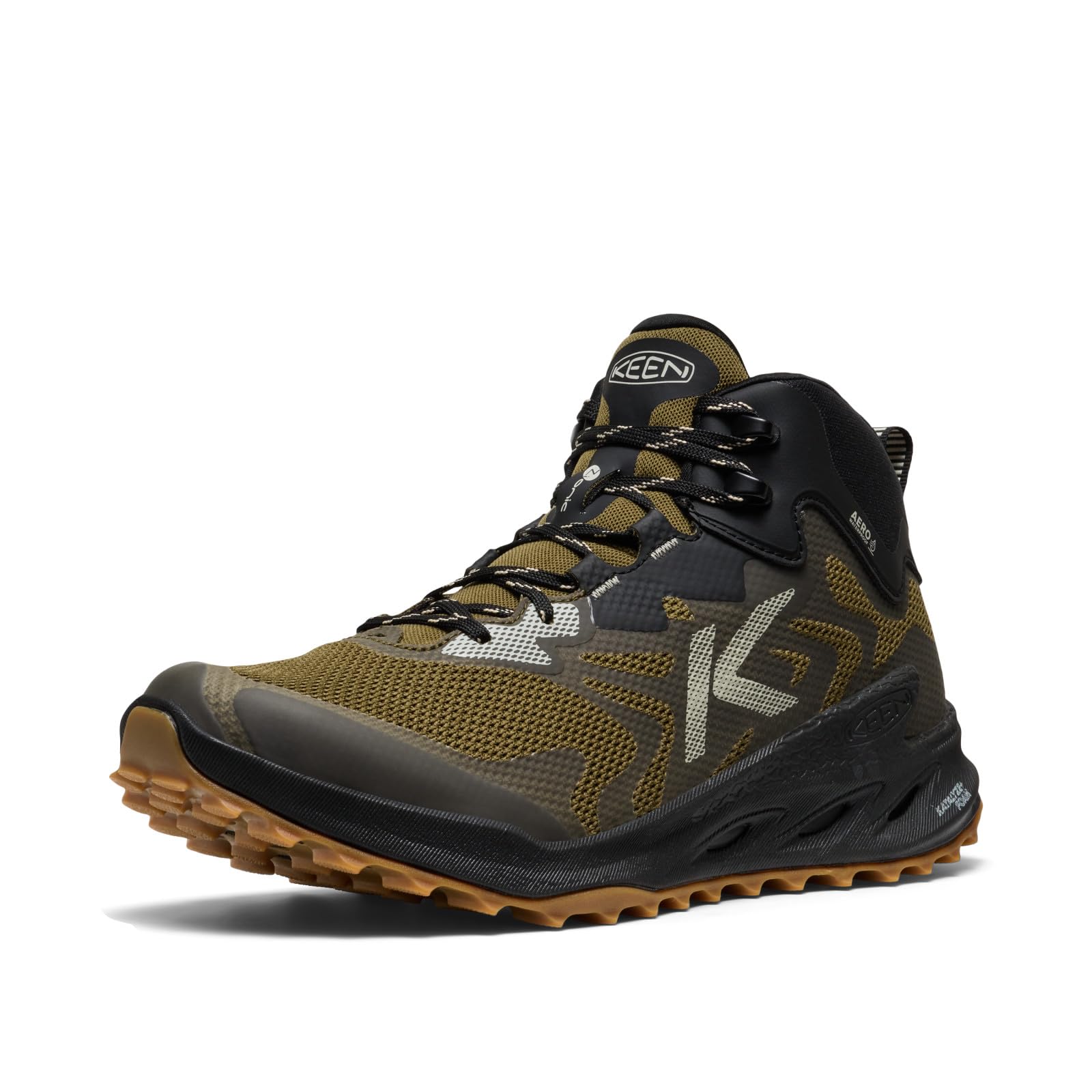
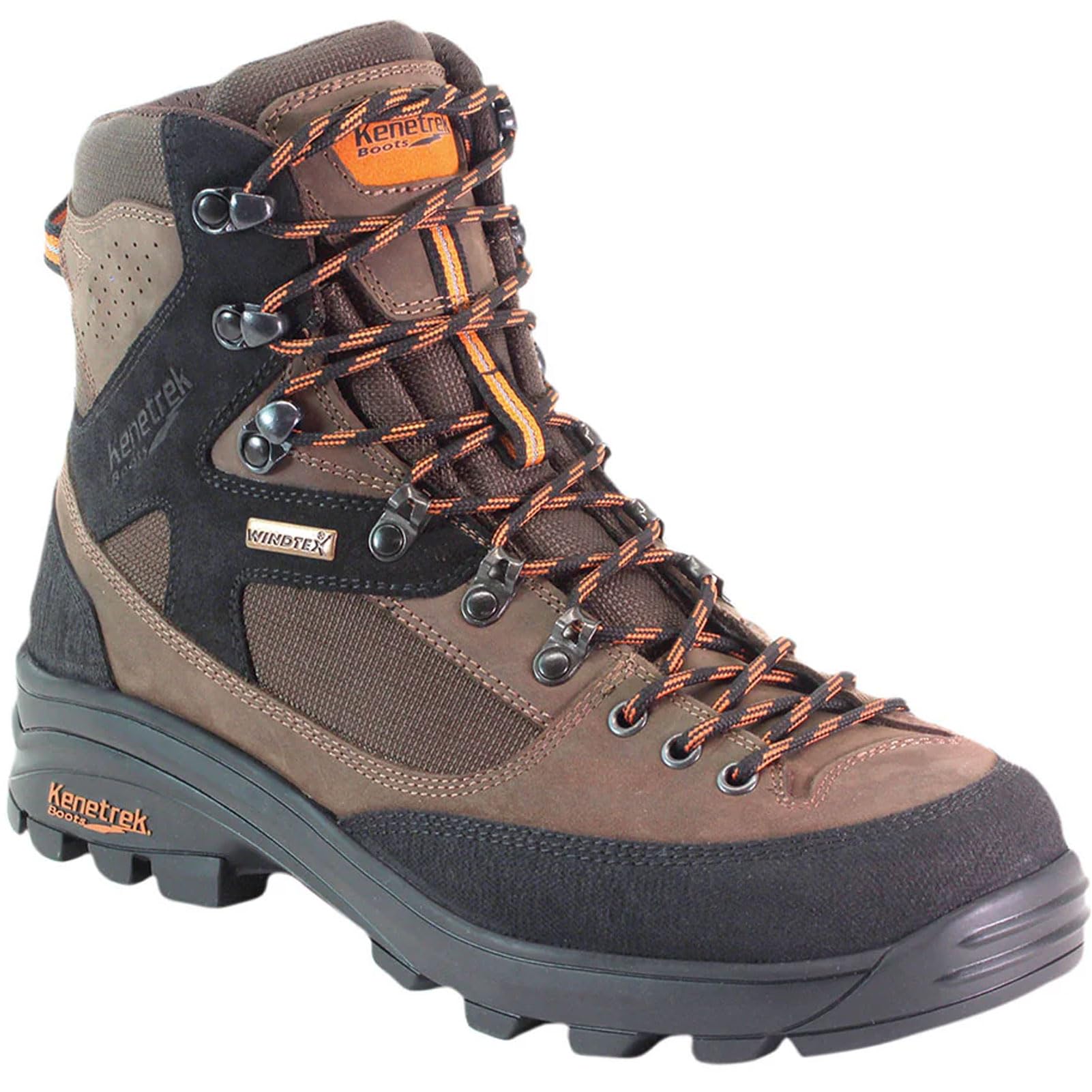


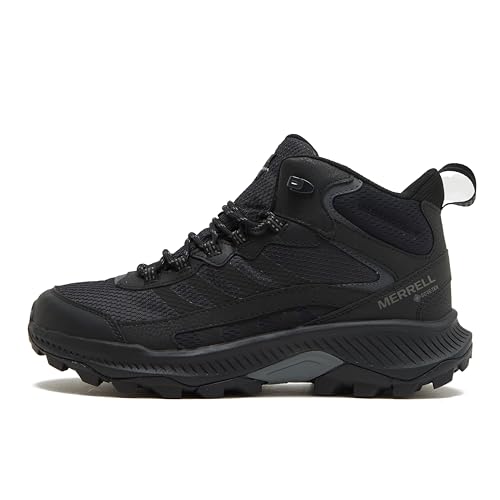

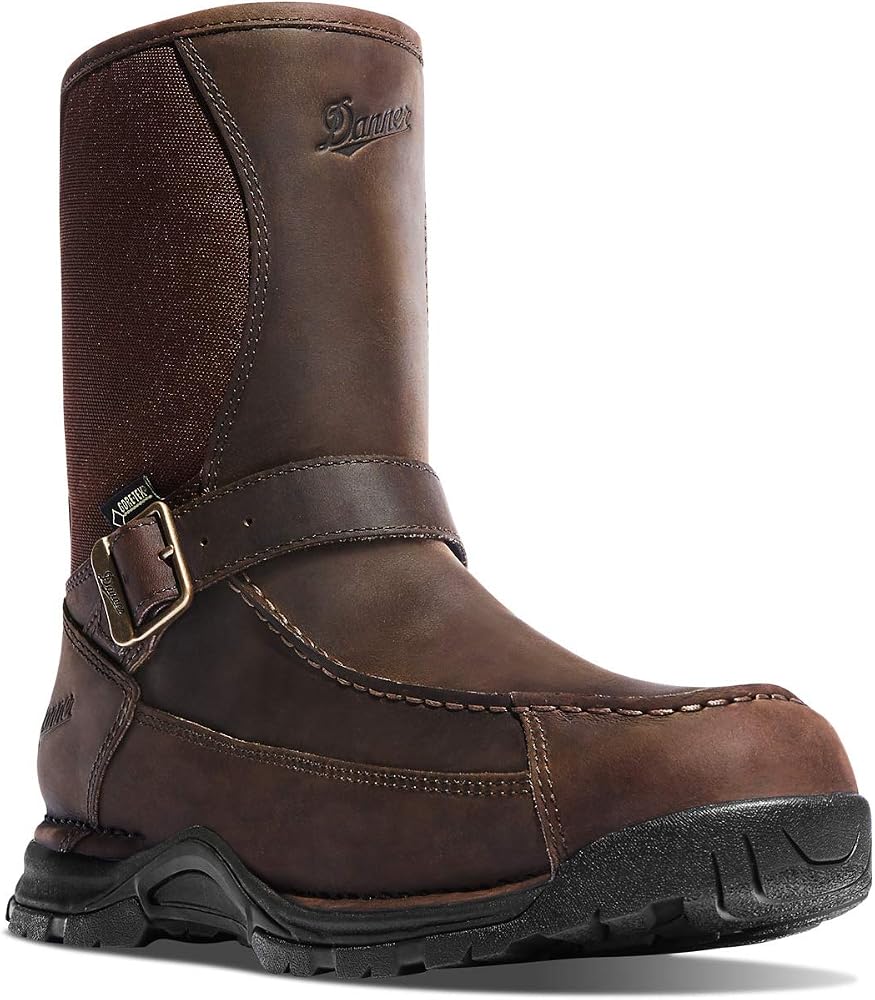
Who Should Buy Which Boots for Rucking?
Your training stage and event plans decide how much boot you need. Match the group below to your next three months of training, not to a single hard day.
New Ruckers Building Base Miles
You are starting with a light pack, often about 10 to 20 pounds, on pavement and park paths. Choose a flexible boot with generous cushioning and a roomy toe box, because comfort keeps you consistent while your feet adapt. A mid height upper adds ankle guidance without feeling stiff.
Regular Trainers Carrying Heavier Loads
You ruck several times a week with about 30 to 45 pounds across roads, gravel and trails. Choose a boot with a firmer midsole, a stable heel counter and an outsole that grips wet pavement as well as loose dirt. Support and a secure midfoot lock matter more than saving a few ounces at this load.
Event Ruckers Facing Long Hours and Wet Ground
You are preparing for events that last many hours, cross grass, mud and shallow water, and keep you moving after dark. Choose a boot that drains quickly, holds its shape when soaked and protects your toes on tired descents. A torn upper or separated sole can end your event early.
Rucking Boot Budgets and What Each Tier Buys in Support and Durability
When you shop for the best boots for goruck by budget, think in tiers rather than single prices. Each step up should buy a clear gain in support, materials or durability.
Budget Tier: Sound Basics for Short Training Rucks
Budget boots often cost about $80 to $120 and cover short, flat training with a light pack. Expect synthetic uppers, basic foam cushioning and a simple rubber outsole that handles pavement well. The trade off is lifespan, since softer foams pack down sooner and thin uppers scuff faster.
Midrange Tier: Firmer Support for Weekly Loaded Miles
Midrange boots often cost about $120 to $180 and add denser midsoles, better heel counters and deeper lugs. Uppers mix leather and strong mesh, so the boot breathes better and resists abrasion longer than a budget pair. This tier suits most regular trainers, because support stays consistent across a full training cycle.
Premium Tier: Tough Builds for Events and Heavy Packs
Premium boots often cost about $180 to $260 and focus on durability under repeated heavy use. Expect thicker leather or reinforced synthetic uppers, sturdier shanks and outsoles that keep their edges after months of gravel. Choose this tier if you carry heavy loads weekly or want one boot to survive a full event season.
Features Worth Paying For and Ones to Skip
Pay for fit, drainage and grip first. Skip tall fashion styling, heavy insulation you did not ask for, and thick padding that holds water like a sponge.
Toe Room for Feet That Swell Under a Loaded Pack
Measure both feet in the afternoon, when they are at their largest, and try boots on with the socks you ruck in. Your toes need room to spread under load, so look for a toe box that lets them lie flat without pressing the sides. Leave about a thumb width in front of your longest toe, because feet swell and slide forward on descents. If one foot is larger, fit that foot first, and consider a wide size before sizing up in length.
Drainage and Breathability for Wet Courses
Events often route you through water, and a soaked boot adds real weight to every step. Breathable mesh panels and drainage ports let water escape and air move, so the boot dries while you walk. A waterproof membrane, including Gore Tex, keeps light rain out but holds water in once it pours over the collar. Choose quick draining builds for stream crossings, and waterproof boots for cold, shallow rain.
Outsole Traction on Roads, Gravel and Mud
The outsole decides whether your stride stays confident when the surface changes. Lugs of about 3 to 5 mm grip gravel and packed dirt without feeling clumsy on pavement, while softer rubber holds better on wet stone. Wide lug spacing sheds mud instead of packing into a smooth, slippery plate. A heel brake area at the back helps control your step on loose descents.
Cushioning and Stability When the Pack Shifts Your Balance
Cushioning softens impact, but stability keeps your foot from rolling when the pack shifts your balance. A heel to toe drop of about 8 to 12 mm suits most ruckers, since it eases calf strain on long walks without feeling tippy. Very flat boots demand more from your ankles, and tall stacks can feel unsteady on uneven ground. If you tire quickly, choose a firmer midsole edge and a snug heel.
Weight, Flexibility and Upper Protection
Every extra ounce on your feet costs energy across thousands of steps, yet stripped down boots can leave your ankles and toes exposed. A flexible forefoot lets your foot roll naturally, while a stiffer shank protects the arch on rocky ground. Reinforced toe caps guard against curbs, roots and dropped packs during event tasks. Aim for the lightest boot that covers your terrain, and skip steel toe or insulated models unless your work demands them.
Insoles, Laces and Socks and the Ongoing Cost of Rucking Miles
The purchase price is only part of what a rucking boot costs you. Insoles often compress within a season of loaded miles, and replacing them costs far less than replacing the whole boot. Laces and socks are cheap insurance against blisters.
Keep your receipt, since sole separation early in a boot life is a defect claim, not normal wear. A midrange boot replaced on schedule can cost less per mile than a premium boot worn past its support life.
Common Mistakes to Avoid
Most rucking foot problems trace back to a short list of buying and training errors.
- Buying your normal shoe size without an afternoon fitting leaves no room for swelling, so blisters form by mile five.
- Wearing a new pair at a long event skips the break in your feet need, so stiff spots rub raw.
- Choosing a waterproof boot for deep water traps water inside, so your feet stay soaked for hours.
- Lacing loosely at the midfoot lets your foot slide on descents, so your toes jam and your nails bruise.
- Training only on flat pavement leaves your ankles unprepared for mud and gravel, so event footing feels shaky.
- Ignoring a small heel hot spot in training lets friction build, so a minor rub becomes a blister.
Care and Maintenance for Rucking Boots
Remove the insoles after wet or sweaty sessions and let the boots dry at room temperature, away from direct heat that can crack leather and warp glue. Brush dried mud from the lugs, because packed dirt cuts grip. Wash salt and grit from the upper with plain water, since both grind into stitching.
Retire a pair when the midsole feels dead or the lugs are worn smooth, because flat tread raises your injury risk under load. If you develop lasting foot pain, numbness or swelling that does not settle with rest, stop training in the boot and talk with your clinician about your personal needs before your next event.
Boots for Goruck: Your Questions Answered
What features matter most in boots for goruck training and events?
Fit under load matters most, followed by drainage and a stable outsole. Test any candidate with your actual pack on stairs, because a boot that feels secure standing still can still let your heel lift under load. Reinforced eyelets are worth checking too.
How long is the break in period for new rucking boots?
Most rucking boots settle in over about 20 to 40 miles of walking. Start with short, unloaded walks, then add weight and distance across several sessions. Synthetic builds soften faster than thick leather ones. If one spot still pinches after that mileage, the fit is wrong, and more miles rarely fix it.
How should rucking boots fit in the toe box and heel?
Rucking boots should hold your heel still while your toes move freely. Try this check at home: walk down stairs and note whether your toes touch the front. Repeated contact means you need more length or a different shape. Your heel should lift only a few millimeters, and less as the upper shapes to your foot.
Do I need waterproof boots for goruck in wet weather?
You need waterproof boots for goruck only when rain is cold and water stays shallow. In warm weather or on courses with crossings, your feet get wet anyway, and a membrane slows drying. Many event ruckers pack spare socks in a sealed bag instead, because dry socks restore comfort faster.
Can I wear rucking boots all day during a long event?
Yes, you can wear rucking boots all day if the fit is proven and your training built up to the distance. Use planned stops to air your feet, shake grit from your socks and retie your laces, since lace tension drifts over hours. Treat the first hot spot you feel, because waiting costs far more time.
Are premium rucking boots worth the higher price?
Premium rucking boots are worth it when your weekly mileage and load wear out cheaper pairs quickly. Track cost per season, because one durable boot can replace two budget pairs in a heavy training year. If you ruck twice a month on easy paths, spend the difference on socks and insoles instead.
Our Verdict
Start with fit, then match drainage and traction to your course, and only then compare tiers. Use the product table above to check sizes, weight and price against your tier.
Chosen with those points in mind, the best boots for goruck are the ones your feet forget about while the miles add up.