
Best Boots for Freezing Weather 2026: Types Compared and How to Choose
Disclosure: We may earn a commission when you buy through links on this page, at no extra cost to you. As an Amazon Associate I earn from qualifying purchases. Learn more

Compare freezing weather boots by insulation weight, waterproofing, ice traction and fit, with a clear checklist for deep cold work, walks and winter trips.
Freezing weather turns an ordinary boot choice into a comfort and safety decision. A boot that feels fine on a mild winter day can leave your toes numb after an hour of standing on frozen ground. The best boots for freezing weather match their insulation, height and grip to how cold it gets and how long you stay outside. Use the comparison table below to see how the main types differ before you buy.
This guide compares boot types rather than naming models. It explains who each type suits, which features matter most in deep cold, and how to size a boot for thick socks.

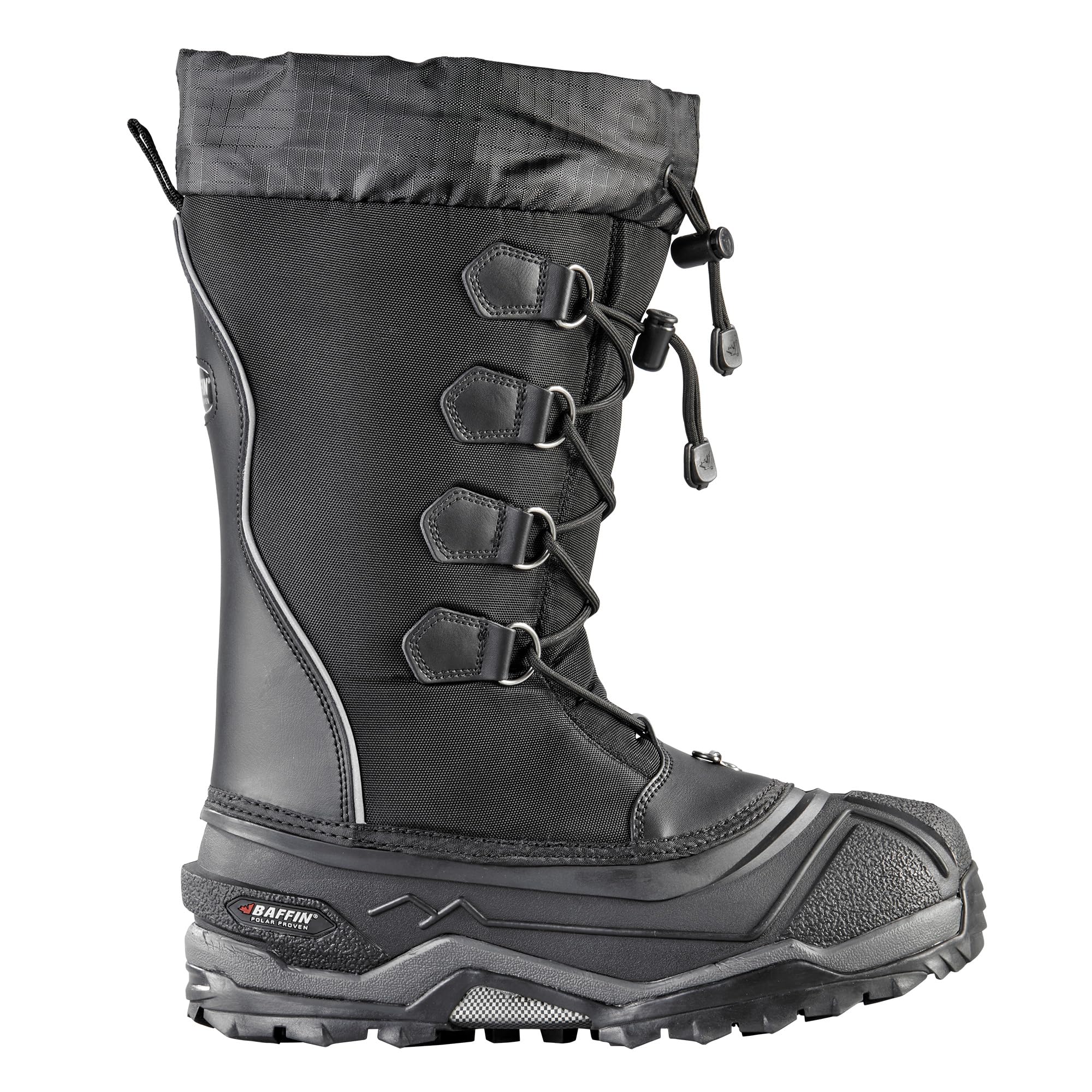


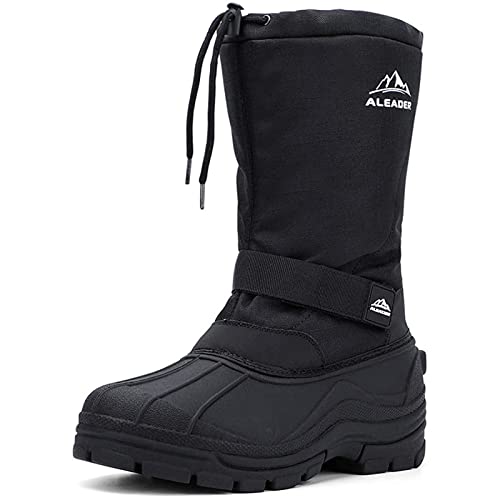
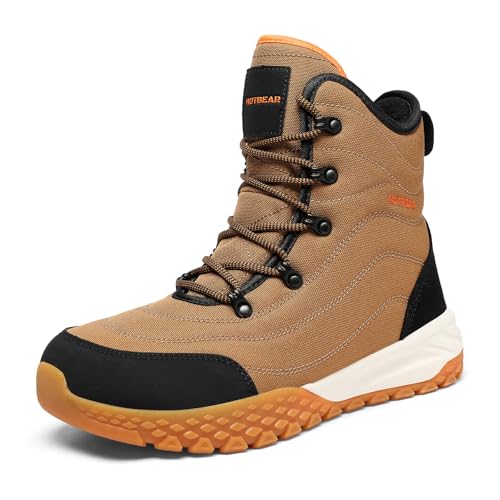


Warmth, Weight and Agility Across the Main Winter Boot Families
Three boot families cover most freezing conditions, trading warmth, weight and agility in different ways. Choosing the best boots for freezing weather starts with picking the family that matches your activity level, because a moving body makes heat that a standing body does not.
Pac Boots With Removable Liners
Pac boots pair a rubber lower shell with a leather or nylon upper and a thick felt or foam liner inside. The liner holds still air around your foot, which is why this type feels warmest during slow or standing activity. Liners pull out at night to dry fully, a real advantage on multi day trips. The trade off is bulk and soft support, so long walks on uneven ground can feel clumsy. Expect to pay about $100 to $250.
Insulated Waterproof Hiking Boots
These boots look like sturdy hiking boots with added insulation, usually about 200 to 400 grams, and a waterproof membrane. They support the ankle, hold the heel firmly and walk efficiently on trails and plowed streets. Active walkers often prefer them because movement helps the moderate insulation do its job. They are rarely the warmest choice for standing still at very low temperatures. Most pairs cost about $120 to $280.
Tall Insulated Snow Boots
Tall snow boots rise to mid calf or higher and add a gusseted tongue and a drawcord or wide cuff at the top. That height keeps deep snow out when you shovel or walk through drifts, and the roomy fit leaves space for heavy socks. Many use a waterproof lower section with a water shedding upper. They feel heavier than hiking styles, and the loose fit gives less precise footing on ice. Typical prices run about $80 to $200.
Who Should Buy Which Boots for Freezing Weather?
Match the group below that sounds most like your winter routine.
Outdoor Workers Who Stand in Deep Cold
If you direct traffic, load trucks or watch a site while barely moving, choose pac boots with the heaviest insulation you can find. Standing still produces little body heat, so the boot must supply nearly all the warmth. A thick liner and a roomy toe box matter more than low weight.
Winter Commuters and Dog Walkers on Ice
You walk the same icy sidewalks every day, often before plows finish. An insulated hiking style with an aggressive outsole gives you grip, ankle support and enough warmth for outings of an hour or so. If your route crosses untreated ice daily, choose soles that accept strap on traction aids.
Snow Country Residents Who Shovel and Play
You clear driveways, pull sleds and stand at bus stops in snow that reaches your shins. Tall snow boots keep drifts out and slip on and off quickly at the door. Choose a wide cuff that closes over your pants, and keep dry spare socks near the door.
How to Choose the Right Boot for Freezing Weather
Once the type is set, compare the details below in order. Each one changes how warm, dry and steady the boot feels once temperatures stay below freezing for weeks.
Insulation Weight and Temperature Ratings
Insulation is usually listed in grams, from about 200 grams for active use to 1000 grams or more for extreme cold and low activity. Temperature ratings are rough guides only, because brands test under different assumptions about movement and socks. Pick more insulation than you think you need if you stand still, and less if you walk fast and sweat. Persistent numbness, pale or waxy skin, or blistering after cold exposure needs prompt medical care, so talk with a clinician about your personal cold exposure risks.
Waterproof Membranes and Sealed Construction
A waterproof boot keeps melt water and slush out through a membrane, often Gore Tex or a house version, plus sealed seams and a gusseted tongue. Breathable membranes also let some sweat vapor escape, which matters because damp insulation loses warmth. Check that the membrane covers the full foot, not only the lower section. If you mostly face dry powder snow, a treated leather upper can still serve, but wet climates reward full waterproof boots.
Outsole Lugs and Traction on Ice
The outsole decides how secure each step feels on frozen surfaces. Look for deep, widely spaced lugs of about 4 to 6 mm that clear packed snow instead of clogging, and a rubber compound that stays flexible in cold rather than turning hard and slick. A defined heel breast helps on downhill slopes. No lug pattern grips glare ice well, so plan on removable traction aids for the iciest days rather than trusting tread alone.
Fit, Sizing and the Toe Box
Try boots late in the day, when feet are slightly swollen, and wear the thickest socks you plan to use. You want about a thumb width of space in front of your toes and room to wiggle them freely, because squeezed toes lose circulation and chill fast. A roomy toe box with a firm heel hold is the right mix. Many buyers go up half a size from summer shoes, so measure both feet and fit the larger one.
Staying Steady on Frozen, Rutted Ground
A firm midsole with moderate cushioning keeps your feet from tiring on frozen ground that gives nothing back at each step. Stability comes from a wide base, a stiff shank and an upper that holds the midfoot, all helpful when ruts hide under snow. Heel to toe drop on winter boots is often about 8 to 12 mm. If you have flat feet or high arches, match the insole shape to your arch so support feels even.
Needs change with the season, so keep categories separate. For milder wet days, see our guide to the best all weather boots, and for related cold season options, see our guide to the best cold weather boots. In summer, see our guide to the best warm weather boots instead of overheating in insulated pairs.
Common Mistakes to Avoid
- Buying your usual shoe size leaves no room for thick socks, and tight boots make toes cold faster.
- Trusting a temperature rating alone ignores your activity level, so a rated boot can still fail a standing worker.
- Choosing shallow fashion treads on ice leads to slips on the first frozen sidewalk of the season.
- Wearing cotton socks traps sweat against the skin, and damp feet chill quickly once you stop moving.
- Drying boots on a hot radiator cracks leather, warps liners and shortens the life of the glue bonds.
- Storing boots while the liners are still damp invites odor and mildew that return every winter.
Care and Maintenance for Boots in Freezing Weather
Remove liners and insoles after each wearing and let everything air dry at room temperature, away from direct heat. Stuffing the boot with newspaper for the first hour pulls out much of the moisture, and rotating two pairs gives each pair a full day to dry. Dry boots insulate better the next morning, because trapped moisture steals warmth.
Brush off road salt and grit once the boots are dry, since salt dries leather and stains fabric uppers. Rinse rubber shells with plain water. Check lug depth and look for cracks or separated seams at the start of each season, and store boots upright in a cool, dry place.
Boots for Freezing Weather: Your Questions Answered
What features matter most in boots for freezing weather?
Insulation matched to your activity matters most, followed by a waterproof build and a lugged outsole. One point buyers miss is the rating assumption: many ratings presume steady walking, so a boot rated well below your local low can still feel cold at a bus stop. Add insulation if your coldest days involve waiting.
How should boots for freezing weather fit with thick socks?
Boots for freezing weather should feel roomy in the toes and snug at the heel while you wear your thickest socks. Kick your toes forward gently; they should not press the front when you stand. If the heel lifts with each step, try a thicker insole or a different lacing pattern before changing sizes.
Can I wear boots for freezing weather all day?
Yes, you can wear boots for freezing weather all day if the fit leaves room for swelling and you manage indoor heat. Warm offices can make insulated boots sweat, so loosen the laces indoors when you can. Feet that stay dry into the evening will feel warmer on the walk home than feet that stayed damp.
Do I need waterproof boots for slush and freezing rain?
Yes, waterproof boots are the safer choice when slush, puddles or freezing rain are common in your area. Wet insulation loses warmth fast, and a membrane with sealed seams keeps that water out during a day of errands. In dry cold with only powder snow, a treated upper can cope, but one surprise thaw can soak it.
How often should I replace boots for freezing weather?
Replace boots for freezing weather when the liner feels thin and packed down, the lugs look smooth, or water enters through cracks or seams. For many owners that point arrives after about three to five winters of regular use. If a familiar walk now leaves your toes cold in socks that used to work, the insulation has likely lost its loft.
The Bottom Line
Start with the type that fits your activity, then check insulation weight, waterproof construction and outsole grip. Size for thick socks, keep liners dry, and use the product table above to compare height, insulation and price. Chosen that way, the best boots for freezing weather keep you warm, dry and steady through the coldest weeks.


