
Best Boots for Freezer Work of 2026: Complete Buying Guide
Disclosure: We may earn a commission when you buy through links on this page, at no extra cost to you. As an Amazon Associate I earn from qualifying purchases. Learn more

Choose the best boots for freezer work with guidance on insulation, grip on ice, safety toes and sock fit, plus care tips for liners and soles.
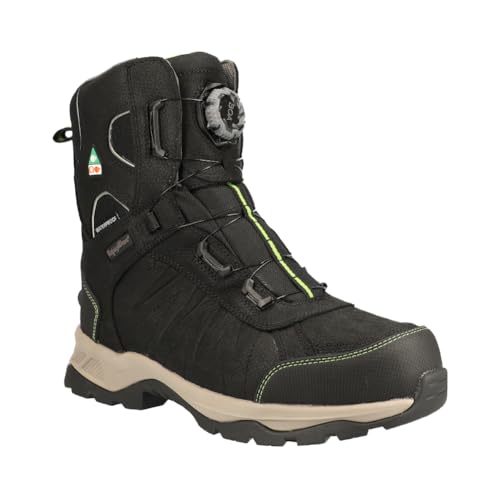
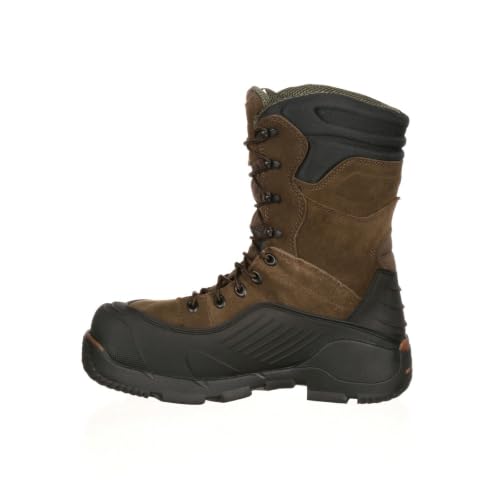
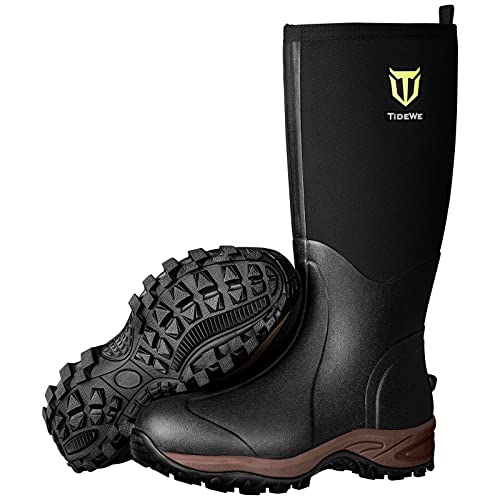
Working in a freezer is hard on feet in a way that ordinary cold weather is not. You stand on concrete that pulls heat from your soles for hours, and you cross ice and melt water. The best boots for freezer work solve the cold, the wet and the slipping together, and the comparison table below lets you check insulation, grip and toe protection.
Start with the coldest place you actually work and how long you stay there. A picker on a full shift inside a blast freezer needs far more insulation than a driver who steps in for ten minutes. The sections below match each work pattern to the right rating, outsole and fit.




Who Should Buy Boots for Freezer Work?
Your shift pattern decides how much boot you need, because insulation that suits a short visit will leave a full shift worker with numb toes.
Cold Storage Pickers on Full Shifts Inside the Freezer
You spend most of your shift between racks near minus 20 degrees Fahrenheit, often standing still while you scan and stack. Choose the highest temperature rating you can afford, a thick midsole, and room for a heavy sock. Boots in this class often cost about $140 to $250.
Dock and Delivery Workers Moving In and Out
You cross the freezer door many times a day, moving between deep cold and a warm dock where your feet sweat. Choose a midweight insulated boot that you can lace and remove quickly, with a liner that dries between trips. A boot that is too warm for the dock will feel clammy by midday.
Food Processing Staff on Wet and Slippery Floors
You work where washdowns leave water and ice on the floor, and dropped packaging can turn a walkway slick. Choose a tall waterproof boot with deep tread and a shaft that keeps splash water out. If your plant requires toe protection, add a safety toe that meets your site rules, which our guide to the best work boots explains.
Key Features to Compare
Compare the factors below in order, because warmth fails first and a poor fit can undo both warmth and grip. The best boots for freezer work are rated for steady movement, so treat every rating as a guide rather than a promise.
Insulation Weight and Temperature Rating
Insulation traps warm air around your foot, and makers rate it by grams or by the lowest temperature they target. Boots around 200 to 400 grams suit brief trips into coolers near freezing, while 600 to 1000 grams suits long work well below zero. Movement matters too, because an active picker generates heat that a worker at one station does not. If your toes stay numb after a warm break, or you see pale or waxy looking skin, seek medical care promptly and talk with your clinician about your cold exposure.
Waterproof Upper and Sealed Seams
A waterproof upper keeps melt water and washdown spray from soaking the insulation, because wet insulation loses most of its warmth. Look for sealed seams, a gusseted tongue, and a shaft that covers your ankle and the cuff of your work pants. Rubber and coated leather shed water best, while plain leather takes on moisture over a wet shift. Choose the taller shaft if puddles form near the doors.
Outsole Grip on Ice and Wet Concrete
The outsole is your only contact with an icy floor, so its compound and tread matter as much as insulation. Rubber made for cold stays flexible at low temperatures, while hard rubber turns stiff and skates on smooth ice. Deep lugs push melt water aside so the rubber can bite. Men who want a wider survey of tread styles can see our guide to the best men's work boots.
Safety Toe Material in Deep Cold
A safety toe protects against dropped cases and rolling loads, but the material changes how cold your toes feel. Steel conducts cold straight to your forefoot, so your toes chill faster on a frozen floor. Composite toes conduct far less cold and weigh less, which reduces fatigue across a long shift. Both types can meet the same impact standards, so check the rating stamped inside the boot.
Fit With Thick Socks and Room to Move Toes
Freezer boots must fit the sock you will actually wear, not a thin sock from home. Try boots at the end of a day with a heavy wool blend sock, and look for about a thumb width of space in front of your longest toe. You should be able to wiggle every toe, because movement keeps blood flowing and tight boots restrict that flow. Aim for a snug heel with a roomy toe box. A removable liner also helps, since you can pull it out each night to dry, and damp insulation is a common reason warm boots start to feel cold.
Types of Freezer Boots Compared
Three boot families cover most freezer jobs, so match the family to your floor and your shift length first.
Tall Rubber Boots for Wet Freezer Floors
Tall rubber boots form a single waterproof shell, so washdown water never reaches the insulation inside. They suit plants where floors are hosed often. Their weakness is ankle support, since a rubber shaft flexes more than leather. Choose them when wet floors are your main hazard.
Insulated Leather Boots for Dry Cold Storage
Leather boots with fixed insulation give firm ankle support and a closer fit, which helps pickers who climb steps and drive picking trucks. They suit dry warehouses where floors stay frozen but rarely wet. A related style for the coldest warehouses is covered in our guide to the best freezer boots. Keep leather away from standing water, because soaking stiffens it.
Pac Style Boots With Removable Liners for Deep Cold
Pac style boots pair a rubber lower section with a leather or nylon upper and a thick removable liner. They are the warmest family here and the easiest to dry, which suits blast freezers and outdoor loading in winter. They feel bulkier than the other families, so test your step onto a pallet first. Choose them when warmth matters most.
Common Mistakes to Avoid
Most cold feet at work trace back to one of these errors.
- Buying your normal shoe size leaves no room for a heavy sock, so your toes press the insulation flat and lose warmth.
- Choosing a steel toe for the coldest rooms chills your forefoot faster than a composite toe would on the same floor.
- Wearing cotton socks holds sweat against your skin, so your feet cool quickly once you stop moving.
- Judging grip on a dry store floor tells you nothing about ice, so a smooth outsole can surprise you on the first frozen patch.
- Storing boots beside a heater cracks rubber and warps liners, so the pair ages faster than its tread wears out.
- Ignoring a loose heel lets your foot slide and rub, so blisters can end a shift earlier than cold does.
How to Make Your Boots for Freezer Work Last Longer
Pull liners and insoles out after every shift and let them dry at room temperature overnight, away from direct heat. If you use aftermarket cushioning, our guide to the best inserts for work boots explains how thickness changes fit, which matters because a thick insole can crowd your toes. Rotate two pairs across the week if you can, because a rest day returns loft to compressed insulation.
Rinse salt and cleaning chemicals off the uppers with plain water, then wipe them dry. Check the outsole weekly for lugs worn smooth at the heel, and inspect seams for splits that let water in. Replace frayed laces early, since a lace that snaps inside a freezer costs you time with gloves on. Store the pair upright.
Frequently Asked Questions
What features matter most in boots for freezer work?
Insulation rating, outsole grip and fit with thick socks matter most, in that order. Beyond those three, check whether your site bans exposed metal on footwear, because some food plants restrict metal parts near production lines. Also ask whether your employer runs a boot allowance, since that changes what you should spend.
How much insulation do freezer work boots need for a full shift?
Most full shift freezer workers need boots in the 600 to 1000 gram range or a liner based design rated for deep cold. Your breaks matter as much as the number, because a warm break every two hours lets you manage with less insulation than a four hour stretch inside. Shop for your longest single stretch.
Are composite toes better than steel toes inside a freezer?
Yes, composite toes are usually the better choice inside a freezer, because they transfer far less cold to your forefoot. They also pass through metal detectors without setting them off, which helps at plants with security gates. The trade off is bulk, since a composite toe needs more material to reach the same rating.
Should freezer work boots be bought larger for thick socks?
Yes, most workers go up about half a size so a heavy sock fits without squeezing their toes. A better test than the size number is to stand, shift your weight forward as you would on a ramp, and check that no toe touches the front. If your heel lifts a lot while your toes have room, try a narrower width in the larger size.
How long should boots for freezer work last?
A good pair usually lasts about one to two years of full time freezer work before the insulation packs down. The outsole often looks fine after the warmth is gone, so judge the pair by how your feet feel late in a shift. Note the purchase month so you can plan a replacement in time.
The Bottom Line
Match insulation to the coldest room and your longest stretch inside it, then confirm grip on a wet surface, and finally check fit with your work socks. Those three checks filter out most poor choices before price enters the decision. Compare the finalists in the product table above against your site rules on toe protection.
Chosen that way, the best boots for freezer work keep your feet warm, dry and steady from the first case you pull to the last. Buy the pair that fits your shift rather than the warmest pair on the shelf.


