
Best Boots for Framing for 2026: What Actually Matters Before You Buy
Disclosure: We may earn a commission when you buy through links on this page, at no extra cost to you. As an Amazon Associate I earn from qualifying purchases. Learn more

Use this buying checklist to choose the best boots for framing, covering fit, toe protection, grip, waterproofing, cushioning and durability.
Framing is hard on footwear. You climb ladders and wall plates, walk joists and subfloor, kneel, lift, and spend long hours on concrete and plywood while lumber, fasteners, and tools move around your feet. Choosing the best boots for framing is less about brand names and more about a short checklist of traits that protect your feet and hold up under daily site work.
This guide walks through that checklist in plain terms, from toe protection and fit to grip, cushioning, and waterproofing. Use it alongside the comparison table below to weigh each option against the work you actually do, whether that is full time production framing or weekend remodel projects.

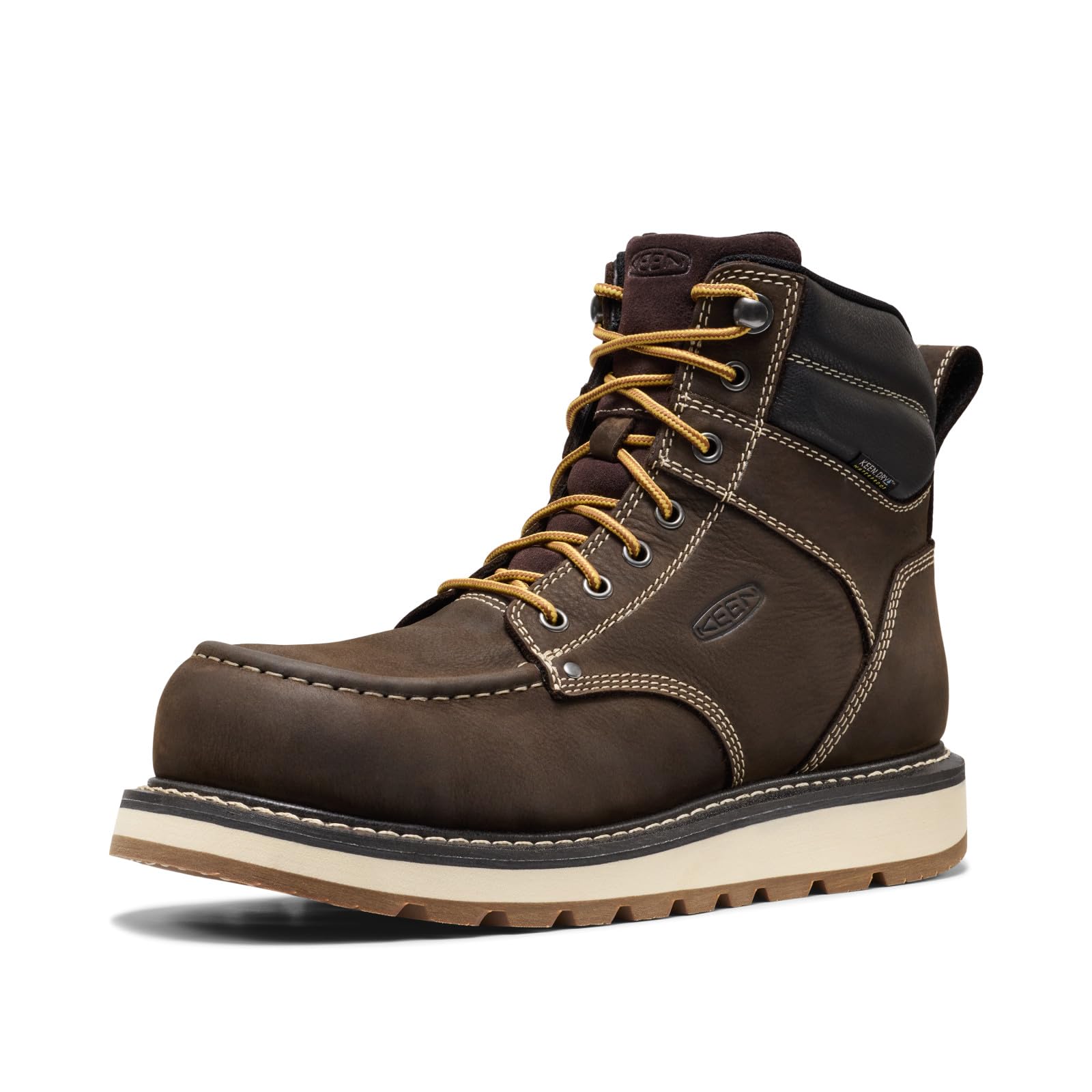


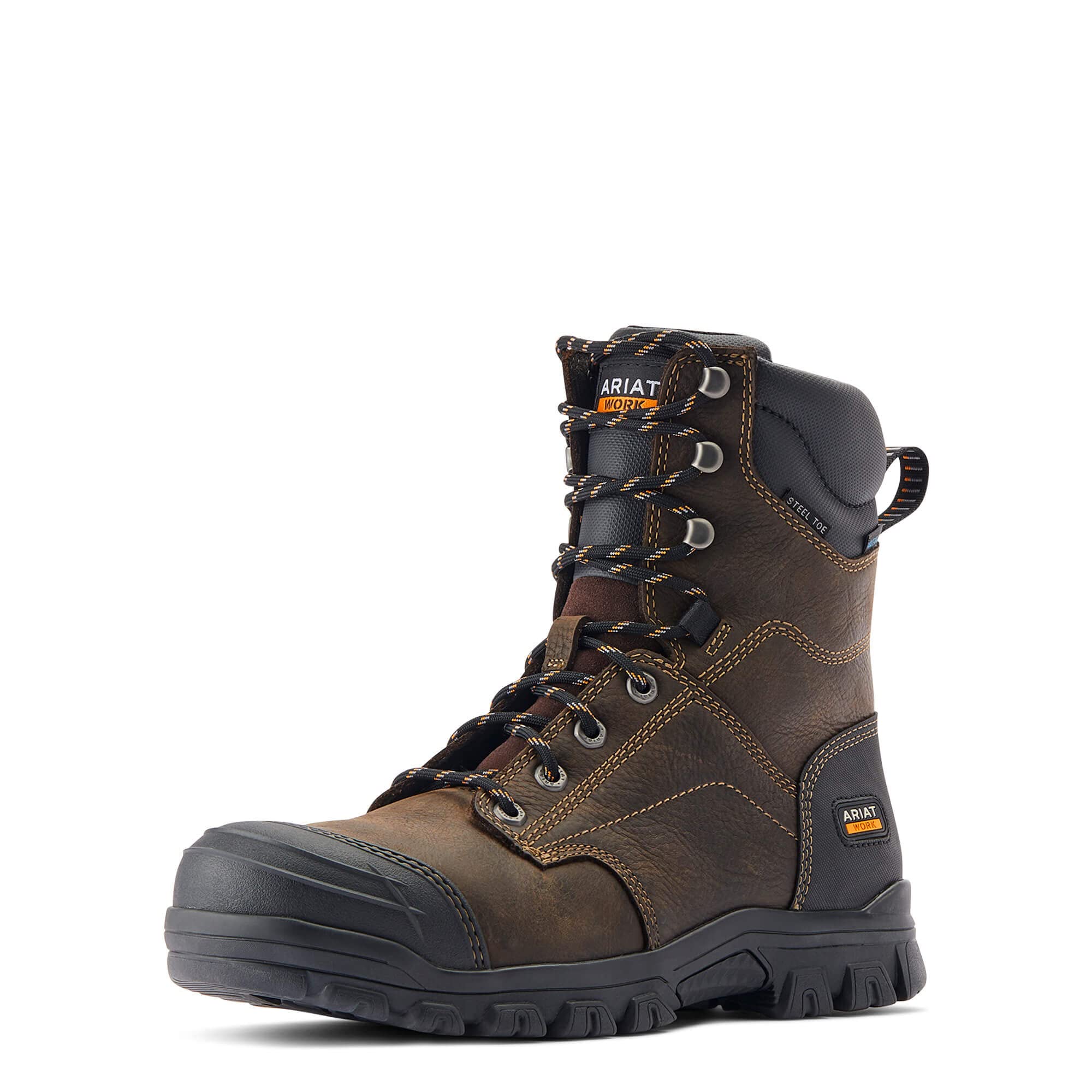


How to Judge Boots for Framing Work
Every pair of framing boots should be judged against the same core criteria, because the job makes the same demands on everyone. Protection comes first, then fit, then traction, support, and durability. The sections below explain what a good score looks like for each factor, and where a weak pair usually falls short. When you compare the best boots for framing against these standards, the differences between a solid work boot and a dressed up casual boot become easy to spot.
Features That Matter for Framing
Framing puts your feet near dropped lumber, stray nails, and heavy material, so a protective toe and a puncture resistant plate in the sole are worth serious attention. Many sites require safety toes that meet current ASTM impact and compression standards, so check your site rules before you buy. A sturdy leather upper resists scuffs from plywood edges and framing lumber, while a lugged outsole sheds mud and grips sawdust covered surfaces. Reinforced stitching at stress points and a solid heel counter round out a boot built for this trade.
Fit, Sizing, and Toe Box
Try boots on in the afternoon, when your feet are at their largest after hours of standing, and wear the work socks you plan to use on site. Your toes should have room to spread inside the toe box without pressing against the safety toe cap, because cramped toes swell and ache during long shifts. Leave roughly a thumb width of space in front of your longest toe, and check that your heel stays seated when you climb stairs or a ladder. If you fall between sizes, most framers do better going up half a size and adjusting with insoles or thicker socks.
Waterproofing With Gore Tex and Membranes
Waterproof membranes such as Gore Tex keep rain, puddles, and wet concrete splash from soaking your socks, which matters on open framing sites with no roof overhead. The tradeoff is airflow. A waterproof boot runs warmer and dries more slowly once moisture gets inside, so it can feel clammy during summer framing in hot climates. If you mostly frame interiors or work in dry regions, a breathable unlined leather boot may serve you better. If you start work at dawn on wet ground or frame through rainy seasons, waterproofing earns its keep.
Durability and Expected Lifespan
A framing boot earns its price over months of abrasion, flexing, and exposure. Full grain leather uppers generally outlast split leather and synthetic panels, and a welted or stitched sole construction usually survives longer than a glued only build and can sometimes be resoled. Expect a hard used pair to last about a year of full time framing before the tread wears smooth or the cushioning packs down, though careful crews stretch that further. Inspect the outsole, toe area, and seams monthly, since worn tread and split stitching are early signs that replacement time is close.
Cushioning and Support
You stand and walk on hard surfaces all day, so cushioning under the heel and forefoot absorbs impact that would otherwise travel into your knees and lower back. A firm midsole with moderate padding suits most framers better than a soft, squishy feel, because stability matters when you carry lumber across joists. Heel to toe drop on work boots is usually modest, and a lower drop keeps your footing planted on ladders and plates. If a boot feels unstable when you step on uneven ground in the store, it will feel worse on a real site.
Arch Support and Foot Type
Match support to your arch. Flat feet often need structured arch support and a stable platform to limit inward rolling, while high arches usually do better with extra cushioning that spreads pressure across the foot. Neutral shoes and lightly built boots can feel fine for short days, but framing shifts are long, and tired arches show up as sore heels and aching legs by midafternoon. Many framers add aftermarket insoles, so check that the stock insole removes easily and that the boot still fits with a thicker one in place. If foot pain persists or you notice numbness, swelling that does not fade overnight, or pain that changes how you walk, talk with a clinician or podiatrist about your personal needs rather than guessing with gear alone.
Matching a Boot to Your Crew and Your Work
There is no single right answer for every framer, because sites, climates, and budgets differ. Instead of chasing a universal winner, match the checklist above to your situation. The three profiles below cover the most common cases, and each one points you toward the traits that matter most for that kind of work.
For Full Time Production Framing Crews
If framing is your trade, prioritize protection and durability over small savings. Choose a safety toe that meets your site requirements, a puncture resistant sole, and the toughest leather upper in your budget, because you will wear the pair five or six days a week. Workers comparing broader options can also see our guide to the best work boots for framing for a wider look at styles beyond the checklist here. A second pair for rotation, covered later in this guide, stretches the life of both.
For Carpenters Who Split Time Between Framing and Finish Work
Carpenters who frame part of the week and trim the rest need a boot that protects on the rough site yet stays light enough for detail work and driving between jobs. A composite toe saves weight compared with steel, and a lower boot height can feel less clumsy on ladders and stairs. If that mix sounds like your schedule, see our guide to the best boots for framing carpenters for guidance shaped around that balance of tasks. Grip still matters, since finish floors and framing decks both punish slick soles.
For Wet Sites, Cold Mornings, and Outdoor Work
Open sites expose your feet to weather that interior crews rarely face. Waterproof membranes, sealed seams, and gusseted tongues keep slush and mud out, while insulation helps on cold morning starts but adds warmth you may not want in July.
Quick Buyer Checklist
Run through these questions before you order. A boot that answers yes across the board fits the way framers actually work.
- Does the safety toe meet the standard your site requires?
- Is there a puncture resistant plate between your foot and the ground?
- Can your toes spread inside the toe box without touching the cap?
- Does the outsole have deep lugs that clear mud and sawdust?
- Is the upper tough leather that resists scrapes from lumber and plywood?
- Does the boot feel stable when you stand on one foot or climb a step?
- Is the waterproofing matched to your climate, or will it just trap heat?
- Can the stock insole come out so you can fit your own arch support?
Red Flags to Watch For
Some warning signs show up in listings and on store shelves before you ever lace a boot up. Keep an eye out for these.
- Vague protection claims with no mention of a recognized safety standard, which often means the toe is decorative rather than protective.
- Smooth or shallow tread sold as work ready, because slick soles slip on sawdust, wet plywood, and ladder rungs.
- Very light boots with thin synthetic uppers at bargain prices, since the materials tend to split at flex points within a few months of framing work.
- No stated warranty or return window, which leaves you stuck when seams fail early.
- Sizing that runs oddly with no half sizes offered, making a correct fit hard to reach for feet between standard sizes.
Tips to Get the Most From Your Framing Boots
Good care adds months to a pair of boots. Brush off sawdust and mud at the end of the day, loosen the laces, and let wet boots air dry at room temperature away from direct heat, since heaters and vents crack leather and warp soles. Rotating two pairs on alternating days lets the cushioning recover and the linings dry fully, which also cuts down on odor. Condition leather uppers when they start to look dry, and clean outsole lugs so packed dirt does not dull your traction. Retire a pair when the tread wears smooth, the midsole feels flat and dead, or the upper splits at the flex point, because worn boots protect less and tire your legs faster.
Your Framing Boot Questions Answered
What features matter most in boots for framing?
Toe protection, puncture resistance, traction, and fit matter most in boots for framing. A safety toe guards against dropped lumber, a plate in the sole guards against stepped on nails, and deep lugs keep you steady on dusty decks. Fit finishes the list, because even a protective boot fails you if swollen, cramped feet slow you down by noon.
How long is the break in period for framing boots?
The break in period for framing boots usually runs one to two weeks of regular wear. Stiff leather softens gradually as it flexes at the ankle and toe, so start with shorter shifts or wear the new pair around the house and on errands before a full framing day. Blisters on the heel or pressure on top of the toes signal a fit problem rather than normal break in, and those issues rarely fix themselves, so exchange the size instead of pushing through.
Are expensive framing boots worth the money?
Expensive framing boots are often worth it for full time framers, because higher prices usually buy tougher leather, sturdier sole construction, and better cushioning that survives daily abuse. The math works out when a premium pair lasts twice as long as a cheap one. Occasional users who frame a few weekends a year can spend less and still get adequate protection, as long as the safety toe and tread meet the same basic standards. Price alone guarantees nothing, so judge each pair against the checklist rather than the tag.
Do I need waterproof boots for framing work?
You need waterproof boots for framing work if your sites are open to the weather, your ground stays wet, or you frame through rainy months. Dry feet stay warmer, blister less, and hold up better across a long shift. If you frame mostly interiors, garages, or dry summer builds, waterproof membranes may only add heat and cost, and a breathable leather boot will likely feel better by afternoon. Some crews keep a waterproof pair for wet weeks and a lighter breathable pair for summer.
Can I wear framing boots all day on site?
Yes, you can wear framing boots all day on site, and that is exactly what they are built for. The key is fit and support rather than the boot itself. Choose the right size with room in the toe box, add insoles matched to your arch if needed, and wear proper work socks that cushion and manage moisture. Standing on concrete and subfloor for eight to ten hours still tires any feet, so brief seated breaks when the work allows help more than any single feature.
Final Thoughts
Start with protection, fit, and traction, and let those three criteria steer every decision. The product table above pulls the current options together in one place, so you can compare toe types, heights, and waterproofing side by side against the checklist in this guide. Pick the pair that matches your site, your climate, and your foot shape, break them in gradually, and maintain them well. Do that, and your best boots for framing will carry you through the season with steady footing and feet that still feel decent at quitting time.


