Best Boots for Forestry Work: Matching the Right Model to Your Routine for 2026
Disclosure: We may earn a commission when you buy through links on this page, at no extra cost to you. As an Amazon Associate I earn from qualifying purchases. Learn more

Learn how to choose the best boots for forestry work, with guidance on fit, traction, waterproofing, support, and care for long days on rough ground.
Forestry work asks more of your boots than most outdoor jobs, because one shift can cross mud, loose bark, slopes, and standing water. The best boots for forestry work for you depend on the tasks you do most, the ground you cover, and how many hours you stay on your feet. A pair built for felling on hillsides feels very different from a lighter pair made for planting or clearing trails.
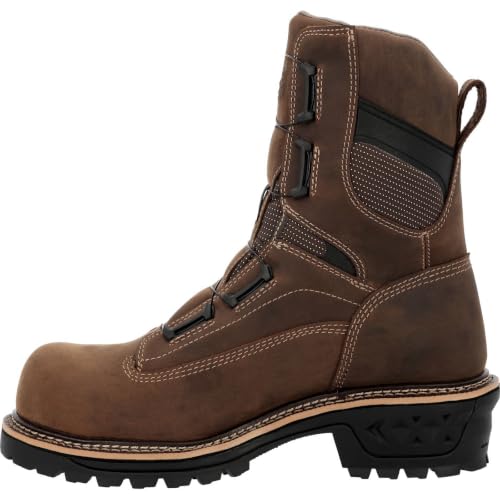
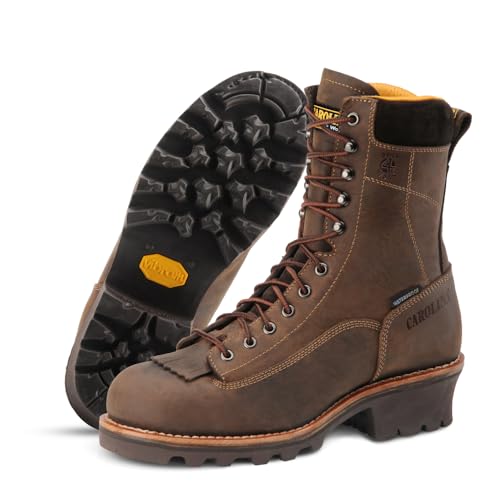
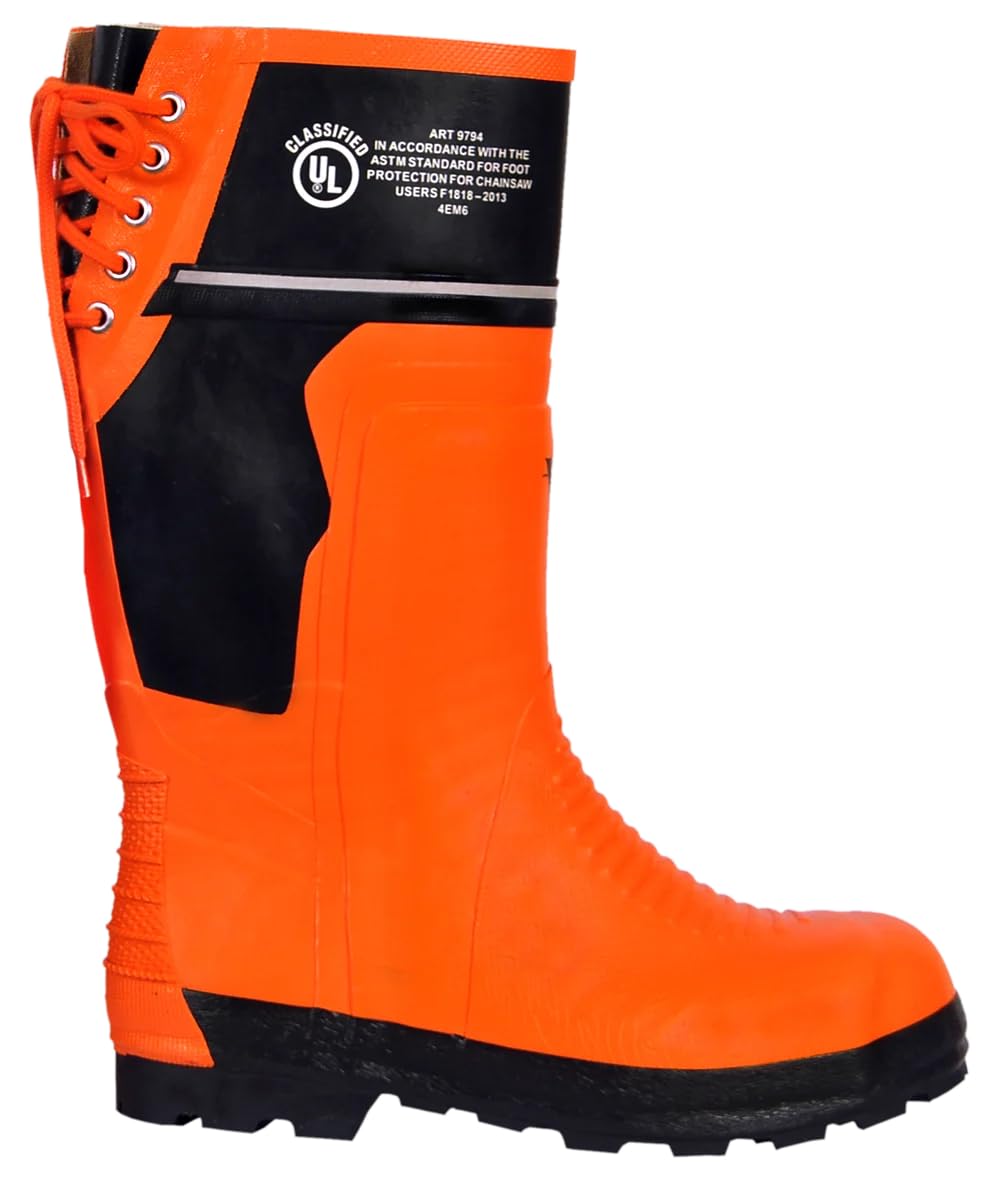
This guide walks through protection, fit, traction, and support. Use the comparison table below to line up shaft height, toe protection, waterproofing, and sole design. Then match those details to your routine, so you pay only for what your work demands.





Who Should Buy Which Boots?
Forestry crews, landowners, and volunteers all work in the woods, but they load a boot very differently. Your hours, saw use, and weather decide how much boot you need. If your week mixes woods work with shop and yard tasks, see our guide to the best work boots for styles built for flatter ground.
For Frequent or Serious Users
If you cut, skid, or plant most days, treat boots as core safety gear rather than simple footwear. Look for a tall shaft that steadies the ankle on side slopes, a firm shank that resists twisting on roots, and uppers that shrug off brush and repeated soaking. Strong stitching and a build a shop can resole matter because your hours add up fast. Warranty coverage matters more at this pace, since a failed seam can idle a week of work.
For Bad Weather and Tough Conditions
Rain, snowmelt, and creek crossings reward a waterproof membrane, sealed seams, and a gusseted tongue that keeps water from pouring in over the top. A membrane such as Gore Tex blocks outside water while letting some vapor escape, although no membrane breathes as fast as plain leather and mesh on a hot day. Choose a taller shaft for wet brush, and pick linings that dry overnight indoors. In summer heat, a shorter breathable pair may serve you better.
For Weekend Beginners
Homeowners cutting firewood, volunteers on trail days, and new hands on planting crews usually need less boot than full time cutters. A mid height pair with moderate ankle support is easier to break in, lighter on short days, and often costs under $200. You still need real toe protection if a saw or falling rounds are part of the day, so do not trade safety for a soft, casual feel. Upgrade stiffness and height only when your work grows.
Key Features to Compare
The features below decide how a boot protects you at hour one and how it feels at hour nine. The product table above gathers these details in one place, so use it as you weigh each factor against your ground.
Durability and Expected Lifespan
Uppers of thick full grain leather resist abrasion from bark and brush better than thin split leather or mostly synthetic panels. Dense double stitching, a rubber rand guarding the toe, and hardware that will not pull loose all extend service life. Boots built on a welt can often be resoled, which spreads the cost over more seasons. Lifespan depends far more on hours and terrain than on mileage, because wet rot, saw nicks, and sole wear end boots at different rates.
Cushioning and Support
A firm midsole spreads pressure from roots and rocks across the whole foot, while softer cushioning under the heel softens repeated steps on landings and roads. Solid arch support helps limit end of day fatigue on uneven ground. Forestry boots sit firmly on the stability side of design, with stiff shanks that resist twisting, unlike neutral shoes that flex freely for smooth pavement. A modest heel to toe drop suits most woods work, although a taller logger style heel bites better on steep slopes and holds in climbing spurs.
Stock insoles are often thin, and swapping them is an easy comfort upgrade. If your arches ache or your heels feel bruised, see our guide to the best inserts for work boots for options that add support. Keep the insert thin enough to leave toe room, since a thick one in a snug boot creates pressure.
Features That Matter for Forestry Work
When you shop for the best boots for forestry work, start with protection matched to your hazards. If you run a chainsaw, look for boots with labeled cut protection and follow your employer rules and the saw maker guidance, because plain leather alone is not saw protection. A steel or composite toe guards against dropped rounds and rolling logs, and a puncture plate helps against sharp stubs and nails at landing sites. A shaft of about 8 to 10 inches shields the ankle and lower leg from brush and debris.
Dedicated woods boots differ from general work styles in these details, from the taller shaft to the more aggressive sole. Readers who want a narrower view can see our guide to the best forestry boots for that focused comparison. Electrical hazard and slip ratings only matter when your site calls for them, so let your actual hazards set the list.
Fit, Sizing, and Toe Box
Measure both feet late in the day, while wearing the thick socks you work in, because feet swell with heat and standing. Your heel should sit snug with only slight lift, while the toes need room to spread and to avoid jamming on descents. Width matters as much as length, so look for wide options if the midfoot binds. Men comparing standard and wide lasts can see our guide to the best men's work boots for more on how sizing runs across brands.
Brands size differently, so treat your usual shoe size as a starting guess only. Lace the boots the way you would for work, and walk on an incline if the store allows it. If one foot is larger, fit that foot and use lacing or an insole to fine tune the smaller side. Order from sellers with easy returns, and test indoors before the pair goes outside.
Outsole Traction and Terrain
The outsole is your only contact with wet bark, moss, and loose soil, so its pattern matters as much as its rubber. Deep lugs spaced widely grip soft ground and shed mud, while shallow tread clogs quickly and skates on slick roots. Softer rubber grips wet rock better but wears sooner, and harder rubber lasts longer with a little less bite. Many quality soles come from makers such as Vibram, but lug shape and spacing tell you more than the logo. A raised heel helps you brake on descents.
Common Mistakes to Avoid When Buying Boots
Most bad boot purchases come from a few repeat errors.
- Buying on price alone leaves you with thin uppers and weak soles that wear out before the season ends.
- Choosing a short hiker style shaft lets sawdust and water pour in over the top on every shift.
- Ordering your street shoe size while planning thick work socks makes your toes jam painfully on downhill ground.
- Ignoring chainsaw cut protection leaves your feet guarded by plain leather that a chain can cut through.
- Storing wet boots in a sealed box traps moisture that rots stitching and breeds strong odor.
Care and Maintenance Tips
Knock dried mud off the soles and uppers after each shift, and brush out sawdust along the seams and tongue. Rinse heavy dirt with plain water, then air dry the boots away from direct heat, because hot air can crack leather and soften sole glue. Stuffing the toes with newspaper helps hold the shape and pull moisture out. Once dry, apply the conditioner the maker suggests, working it into areas that flex.
Rotate two pairs if you work daily, since a rest day lets the cushioning recover and the lining dry. Check laces for fraying, eyelets for sharp edges, and the sole bond for separation, and fix small issues early. Pull the insoles out at night and replace them when they stay flat after a rest day. Take welted pairs to a repair shop for resoling while the uppers are still sound.
FAQs
What features matter most in boots for forestry work?
Protection, traction, and fit matter most, in that order. Before you weigh comfort extras, check whether your employer or site rules require specific toe or cut protection ratings, since those rules can narrow your choices fast. After safety, a sole that grips your terrain and a fit you can wear all shift decide whether the boots earn their place. Extras like speed lacing help, but they never outweigh those basics.
Are expensive boots for forestry work worth the cost?
Expensive boots are worth it when you work in them often enough for durability and resoling to repay the price. Spread over several seasons, a resoleable pair can cost less per season than two cheaper pairs that wear out quickly. Occasional users rarely recover that premium, because their boots age in storage before the soles wear down. Think in cost per season of real use, and be honest about your hours.
How often should I replace boots for forestry work?
Replace your boots when protection or support is gone, not when a calendar date arrives. Smooth lugs, cracks through the upper, and a midsole that stays compressed all signal the end. One rule overrides every wear sign: retire a pair right away after a deep chainsaw cut, even if it still looks wearable, because the protective fibers inside may be severed.
Do I need waterproof boots for forestry work?
You need waterproof boots only if your work regularly crosses standing water, wet brush, or snow. For dry summer cutting, the best forestry work boots may be a breathable pair without a membrane, since they release sweat and dry faster. A tall shaft and gaiters can shed brush and light splashes without sealing the boot. Match the membrane to your wettest normal week, not the worst storm you remember.
How should boots for forestry work fit in the toe and heel?
Boots for forestry work should hold the heel firmly while giving the toes clear space to move. One useful test is stepping down from a raised board or stair, which mimics descent pressure and shows if your toes strike the front. Test both feet, and let the larger foot set the size. If your heel lifts too much with firm lacing, try a narrower last rather than a shorter size.
Can I wear boots for forestry work all day?
Yes, you can wear them all day once they are broken in and the fit suits your socks and insoles. Build up wear time over the first week with shorter shifts, and change into dry socks at midday to cut friction. Hot spots are an early warning to adjust lacing or socks that same day. If numbness, sharp pain, or swelling persists after rest, talk with a clinician or foot specialist.
The Bottom Line
Start with the hazards of your work, then fit, then traction, and let price settle what remains. Daily cutters need height, stiffness, and a lasting build, while occasional users can choose lighter pairs. Wet ground calls for a membrane and tall shaft, and steep ground calls for deep lugs and a braking heel. The product table above pulls those tradeoffs together.
Whichever routine sounds like yours, the best boots for forestry work are the pair you will lace correctly and trust on your roughest ground. Use the comparison table above one last time to check shaft height, protection, and sole pattern against your list. A careful match now saves blisters and slips.