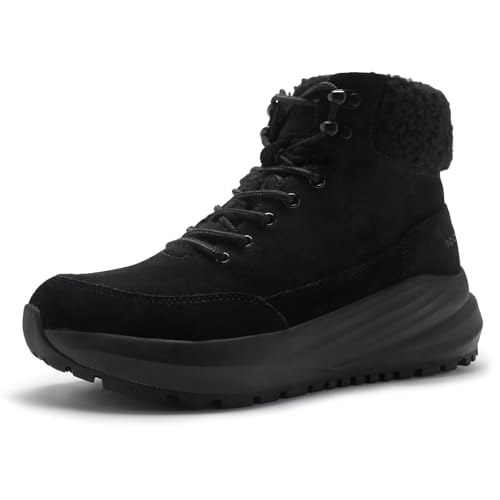
Best Boots for Foot Support for 2026: Which One Fits the Way You Use It?
Disclosure: We may earn a commission when you buy through links on this page, at no extra cost to you. As an Amazon Associate I earn from qualifying purchases. Learn more

Not all boots fit every routine. See which best boots for foot support match how you actually use them, what features to prioritize, and what to skip.
A boot can feel soft in the store and still leave your arches tired by midday. Support depends on how you walk, stand and work, not on padding alone. The best boots for foot support for you match your foot shape, your surface and your hours, and this guide sorts those choices before you spend. Use the comparison table below to check the factors that matter for your routine.
There is no single winner for every routine. A light hiker needs flex and grip on trails, while a warehouse worker needs firm stability on concrete. The sections below start with your use case, then explain the parts that create support, so you can skip extras that add weight without helping your feet.


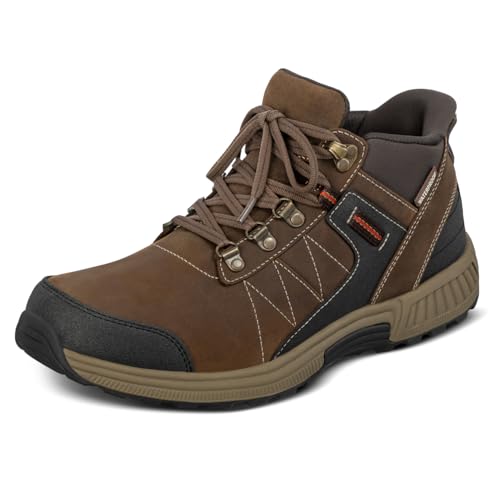
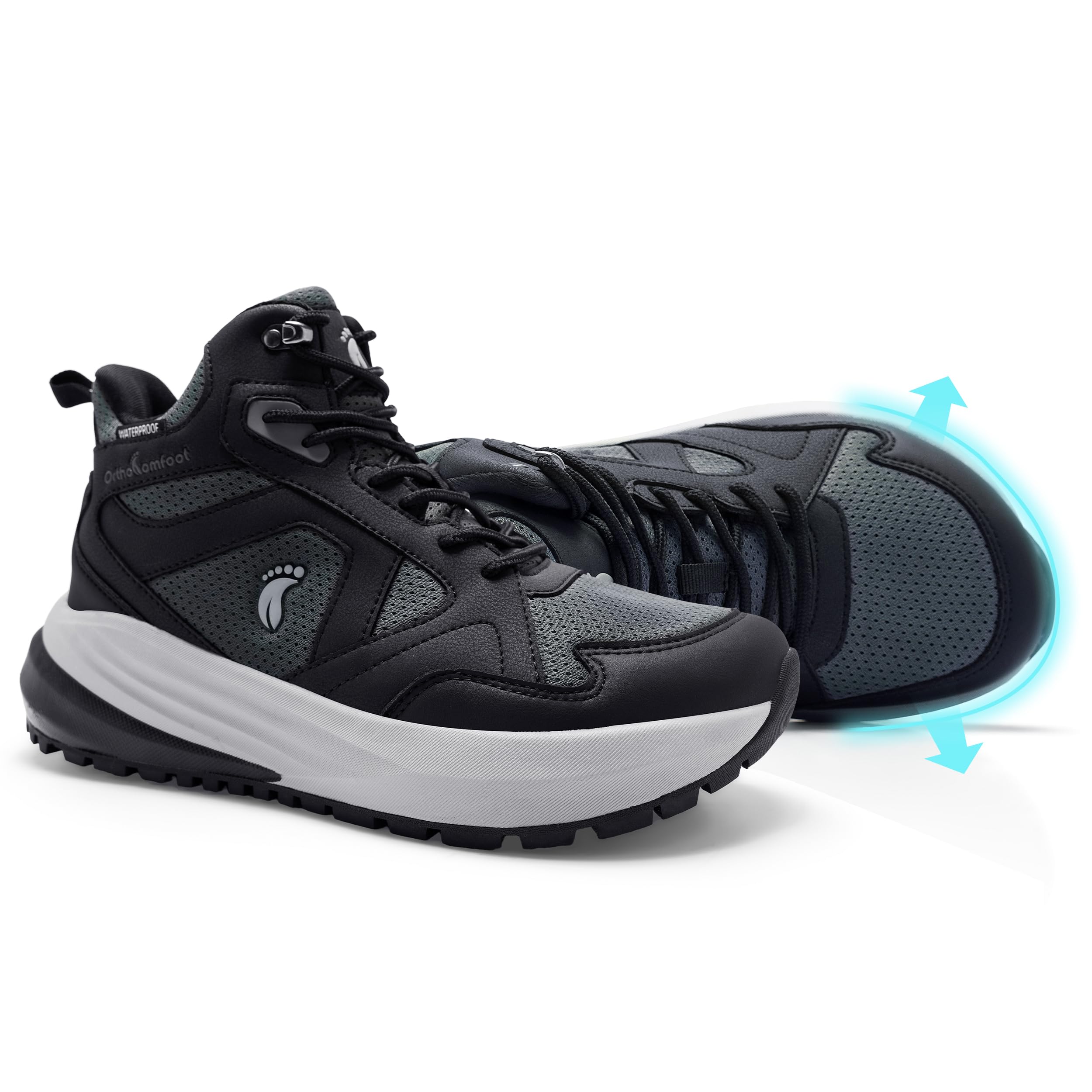


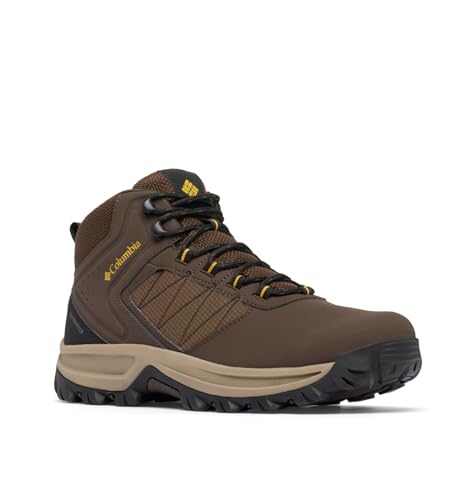


Who Should Buy Which Boots for Foot Support?
Start with the day you repeat most often. Hours, surface and weather change what support means.
Weekend Walkers Who Want Easy Comfort on Trails and in Town
You walk a few miles at a time, mix pavement with park paths, and want comfort without a heavy boot. Choose a light mid height boot with moderate arch shaping, a flexible forefoot and a grippy outsole for wet sidewalks. Most walkers in this group do well at about $80 to $140 and do not need a tall stiff shaft.
Workers Who Stand and Walk on Concrete All Day
You spend eight hours or more on hard floors, so support must stay steady long after the first hour feels fine. Choose a firm midsole that resists packing down, a wide stable base and a heel that sits locked rather than loose. Extra weight is a fair trade here. Solid work models often cost about $120 to $200.
Wet Weather and Rough Ground Users
You face rain, mud, gravel or snow and need support on uneven ground. Choose a taller shaft, deep lugs and a waterproof membrane such as Gore Tex, with sealed seams at the tongue and ankle. If your routine is snow and slush rather than rain alone, see our guide to the best winter boots for foot support for the insulated version of this choice. A stiffer sole helps on loose rock.
Frequent Users Who Put Serious Miles on One Pair
You wear boots most days, so weak stitching and thin linings will show quickly. Choose full grain leather or a dense synthetic upper, strong eyelets and a sole unit built to be serviced rather than only glued. Check the warranty terms before you buy. Paying more up front usually beats replacing a worn pair twice in one year.
Key Features to Compare
When you compare best boots for foot support side by side, read the sole and footbed first. The five parts below decide whether support lasts.
Arch Support Matched to Your Foot Type
Arch support works when the shaped footbed meets your own arch instead of pressing a random high spot. Flat feet usually need a firmer arch and a stable heel, because the foot rolls inward and stretches the inner sole. High arches usually need more cushioning, because the foot absorbs less impact on its own. Neutral feet sit between those needs. Persistent heel pain, numbness, tingling or swelling that does not ease with rest needs a doctor or a podiatrist, not a new boot alone. This guide covers fit and comfort only, so talk with your clinician about personal needs and about pain that changes how you walk.
Midsole Foam That Keeps Its Support on Concrete
Cushioning is the foam in the midsole that spreads impact each time your heel lands. Dense foam feels firmer at first but keeps its shape on concrete, while very soft foam can bottom out under load. Heel to toe drop is the height gap between heel and toes, and many supportive boots sit at about 8 to 12 mm. A higher drop eases load on the calf, while a lower drop shifts more work to the calf and suits walkers used to flat footwear.
Heel Counter and Sole Stiffness for Stability
The heel counter is the stiff cup that wraps the back of your heel inside the boot. A firm counter stops the heel sliding side to side, which keeps the arch support under the right part of your foot. Sole stiffness matters too, and a nylon or steel shank under the midfoot limits twisting on rutted ground. Trail walkers can accept more forefoot flex, while workers on ladders should choose the stiffer build.
Fit, Sizing and Toe Box Shape
Measure both feet in the afternoon, when feet are at their largest, and wear the socks you plan to use daily. Leave about 10 to 15 mm of space in front of your longest toe, and check width as carefully as length. A roomy toe box lets toes splay as you push off, which improves balance and reduces pressure on the forefoot. If one foot is larger, fit that foot first.
Upper Materials, Breathability and Waterproofing
Leather uppers mold to your foot over time and resist scrapes, but they weigh more and dry slowly once soaked. Mesh and knit panels are breathable and light, which suits warm shops and summer trails. A Gore Tex lining blocks rain yet also slows heat escape on hot days. For hot indoor days when any boot feels too warm, see our guide to the best sandals for foot support for an open option with a shaped footbed.
How to Test Boot Support During a Short Indoor Trial
Wear your usual work or hiking socks and lace the boots firmly from the bottom eyelets upward. Walk on the hardest floor in the store or at home for at least ten minutes, then stand still for two minutes. Support should feel present under the arch without a hard lump, and your heel should lift only slightly inside the boot as you step.
Next, climb a step and notice whether the sole twists or the arch sags under load. Press above the toe box to confirm your toes can move, then check for rubbing at the ankle bones. Buy where indoor trial returns are allowed, because a brief carpet test rarely reveals hour three comfort.
Common Mistakes to Avoid
Most support problems start with a quick choice in the store.
- Judging support by softness alone leaves you with foam that feels kind at first and collapses under a full shift.
- Trying boots in the morning with thin socks leads to a fit that pinches once feet swell later in the day.
- Choosing a stylish boot with a flat thin footbed gives your arch nothing to rest on during long standing.
- Buying a size up to gain width makes the heel slip, and that sliding causes blisters and unstable steps.
- Ignoring the outsole tread pattern leaves you stable on dry floors but slipping on wet tile or mud.
Care and Maintenance for Supportive Boots
Loosen the laces, pull out the footbeds and air dry wet boots at room temperature away from direct heat, because hot air cracks leather and warps foam. Brush off dry mud and rinse heavy dirt with plain water. Condition smooth leather once it looks dry and pale, and reproof fabric uppers when water stops beading.
Rotate two pairs if you wear boots daily, since a rest day lets the midsole foam regain some shape and the lining dry fully. At home, changing into supportive footwear beats walking barefoot on hard floors after a long shift, so see our guide to the best slippers for foot support for indoor recovery options. On rest days, sandals and recovery footwear give boots a break.
FAQ
What features matter most in boots for foot support?
A shaped footbed, a firm heel counter and a stable sole matter most in boots for foot support. One feature buyers often miss is a removable footbed, because it lets you fit a custom orthotic without crowding the toe box. Check depth with your orthotic inserted, since a raised footbed can lift your heel.
Can I wear boots for foot support all day?
Yes, you can wear boots for foot support all day once the fit and break in stage are right. Build up wear time over the first week, starting with a few hours at home before a full shift. A fresh pair of socks at midday reduces friction and moisture, and brief sitting breaks help too.
Do I need waterproof boots for foot support in wet weather?
You need waterproof boots for foot support only if your feet must stay dry in rain, snow or wet work areas. A membrane keeps water out but also slows drying once water spills over the cuff. For warm rain on drained trails, a quick drying mesh boot can be the smarter choice.
How should boots for foot support fit when you try them on?
Boots for foot support should feel snug at the heel and midfoot, with clear space and width at the toes. If your heel lifts more than a little, try a heel lock lacing pattern, which uses the top extra eyelet to hold the ankle without crushing the forefoot. That one lacing change often fixes slipping that a smaller size would only trade for pinched toes.
How often should I replace boots for foot support?
Replace boots for foot support when the support parts wear out, often after about 400 to 600 miles of walking. Look for deep creases across the midsole, a heel counter that folds under thumb pressure and an outsole worn smooth at the heel strike zone. Once the boot leans visibly inward or outward on a flat surface, the base no longer holds your foot in line.
Our Verdict
Match the arch shape to your foot, demand a stable heel and sole, and insist on a fit tested in the afternoon with real socks. Those checks matter more than extra padding or a low sale price. Use the product table above to compare drop, weight and upper material against your routine.
When you choose best boots for foot support by use case first, the right pair is usually clear. Buy the simplest boot that passes those checks, and your feet will feel the difference by the end of the day rather than only at the start.