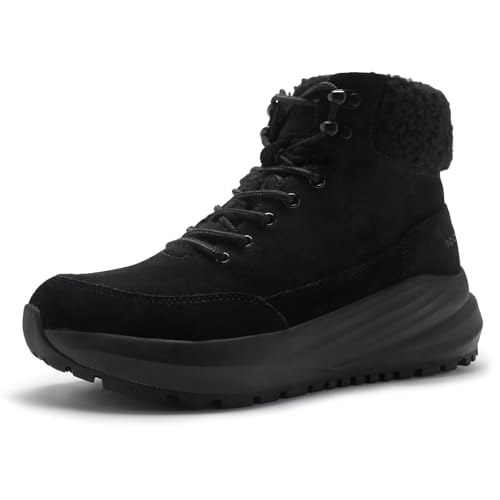
Best Boots for Foot Drop in 2026: Types Compared and How to Choose
Disclosure: We may earn a commission when you buy through links on this page, at no extra cost to you. As an Amazon Associate I earn from qualifying purchases. Learn more

Find boots for foot drop with a clear comparison of types, brace ready fit, rocker soles and closures, plus sizing advice for safer daily walking.
Foot drop makes the front of your foot harder to lift as you step, so your toes can catch on carpet edges, cracks and uneven ground. Boots can help by adding ankle support, toe clearance and a steadier base, but the right design depends on your brace, your ground and your daily distance. The best boots for foot drop share a few clear traits, and the comparison table below shows how the main types differ at a glance.
This guide compares boot types by the job each one does best, then covers fit, rocker shape, weight and closures in order. It names no specific models, so you can use the same checks on any pair you try.

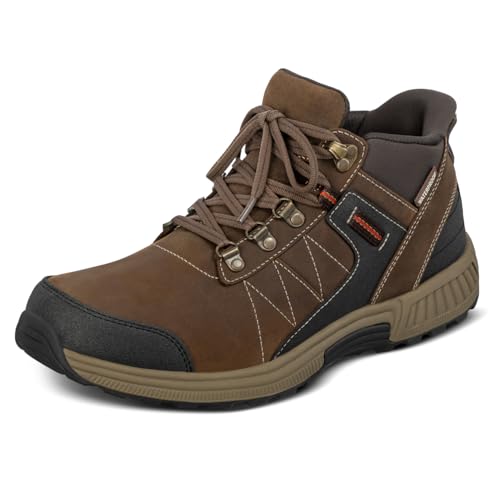
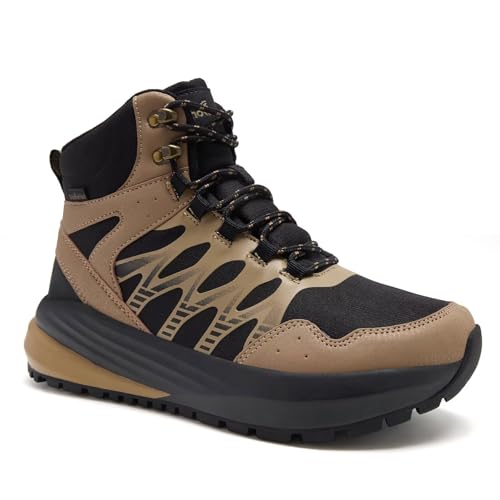
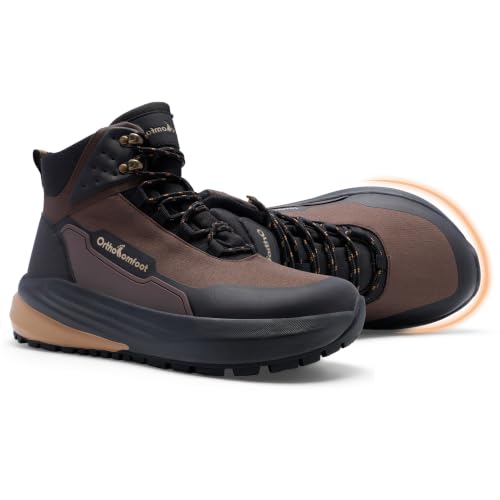


Types of Boots for Foot Drop Compared
Start with the job the boot must do on most days. Weather, brace use and walking distance change which type serves you best, even when two pairs look similar on a shelf.
Waterproof Boots for Wet Work and Winter Walking
Waterproof boots use a membrane such as Gore Tex or sealed leather to keep rain and slush out while a lugged outsole grips wet ground. That protection helps if you work outdoors, walk a dog in winter or cross muddy lots daily. The trade off is warmth and slower drying, and many pairs feel stiffer and heavier than plain walking boots. Expect to pay about $120 to $250 if wet ground is a regular part of your week.
Stability Support Boots for Daily Walking
Stability support boots pair a firm heel counter with a wide, flat base and steady cushioning under the heel and midfoot. The shaft supports your ankle at landing, and the broad sole gives you room to correct a small wobble. This is the default choice for daily walking on pavement, store floors and mild trails. Most pairs cost about $100 to $200.
Lightweight Brace Ready Boots for Orthosis Wear
Brace ready boots are built with extra depth, a removable insole and a wide opening so an ankle foot orthosis can slide in without forcing the toes. Light weight matters most here, because every extra ounce is weight your shin muscles must lift with each step. Most pairs cost about $110 to $220, and this type suits brace wearers who walk indoors and outdoors in one pair.
Waterproof Boots vs Stability Support Boots: Which Should You Choose?
Choose waterproof boots when wet ground is your main risk, because sealed uppers and deep lugs address slipping and soaked socks first. Choose stability support boots when balance on dry floors is your main concern, because a wide flat base and firm heel counter help you more than a membrane does. Waterproof pairs weigh more and dry more slowly, while stability pairs breathe better and often accept a brace with less toe crowding.
If your route mixes rain, grass and pavement, a waterproof stability design can cover both needs. If you spend most hours indoors, skip the membrane and spend on fit and closure ease instead. On warm days when any boot feels too hot, see our guide to the best sandals for drop foot for open options your clinician has cleared.
How to Choose the Right Boot for Foot Drop
The best boots for foot drop balance clearance, stability and brace room without adding weight you must lift with each step, so check fit first and style last. Seek prompt medical care if weakness is new or sudden, if dragging or numbness worsens, or if you develop pain, frequent falls or skin sores where a brace presses. Talk with your clinician about your personal needs before you rely on a boot for a changing condition.
Fit, Sizing and Toe Box for Foot Drop Boots
Measure and try boots late in the day, wearing your brace and usual socks, because feet swell during the day. You want about a thumb width of space in front of your longest toe, a wide toe box that lets toes lie flat, and no pressure where the brace edge sits. Readers who shop in women sizes can also see our guide to the best women's shoes for foot drop for sizing notes that carry over to boots.
Upper Materials and Breathability in Boots for Foot Drop
Full grain leather gives structure and resists scuffs, but it needs a longer break in period and can feel warm. Mesh and knit uppers feel breathable and light, yet they offer less ankle structure and soak through fast in rain. A waterproof membrane sits between those extremes, blocking water while letting some heat escape. Match the upper to your climate first, because a breathable upper you wear daily beats a sealed upper you avoid.
Rocker Shape, Weight and Heel to Toe Drop for Foot Drop
A rocker sole curves up at the toe, so the boot rolls forward and the toe clears the ground with less lift from your shin. Keep heel to toe drop moderate, about 8 to 12 mm, because a very flat boot can strain your calf while a tall heel can push your weight forward. Lighter pairs, around 2 pounds per pair, reduce the effort of each step.
Closures, Shaft Height and Brace Fit for Foot Drop Boots
Laces give the most precise fit around a brace, while a side zip lets you open the boot wide and close it with one hand once the laces are set. Straps adjust fast but can press on one spot if you pull them tight. A shaft of about 5 to 7 inches supports the ankle without rubbing the calf. For lower cut options that fit the same brace, see our guide to the best shoes for drop foot brace.
Break In Period and Comfort Out of the Box for Foot Drop Boots
A good pair should feel secure right away, with no sharp rubbing at the heel, ankle bones or brace edges. Wear new boots indoors for short periods over several days, then add outdoor walks as hot spots fade. Leather softens and shapes to your foot, while mesh changes very little, so the store fit is close to the fit you keep. Stop and adjust lacing early if you feel tingling.
Common Mistakes to Avoid
Each of these errors costs you comfort or safety.
- Buying boots that fit without your brace leaves no room once the brace goes in, so your toes crowd and rub.
- Choosing a flat toe with no rocker shape lets the toe catch on small edges, so your trip risk rises.
- Picking the heaviest waterproof pair for indoor use makes each step harder to lift, so fatigue builds early.
- Tightening straps or laces over a brace edge creates a pressure point, so skin can break down during a long walk.
- Ignoring a smooth worn outsole at the toe removes push off grip, so wet floors feel slick.
- Skipping a turn test in the store hides ankle rubbing on turns, so blisters follow.
Care and Maintenance for Boots for Foot Drop
Brush dirt from the upper and outsole after outdoor walks, and check the toe area for packed mud that can change how the rocker rolls. Air dry wet boots at room temperature away from direct heat, with the insoles removed and the opening held wide. Never seal a damp pair in a closed bag, because trapped moisture weakens leather and invites odor.
Rotate two pairs if you walk daily, because cushioning needs time to recover its shape between wears. Inspect the heel counter and closures each month, and repair a loose zip pull early. Wipe salt marks from winter boots with a damp cloth. Store pairs upright in a cool dry place so the shaft keeps its shape.
Boots for Foot Drop: Your Questions Answered
What features matter most in boots for foot drop?
Toe clearance, brace room and a stable base matter most in boots for foot drop. Beyond the body checks above, look at how the boot opens, because a wide entry saves daily effort when you dress with limited reach or balance. A boot you can put on safely while seated is a feature in itself, not a small extra.
How often should I replace boots for foot drop?
Replace boots for foot drop when the toe spring looks flat, the heel counter folds under thumb pressure, or the outsole tread turns smooth at the front. For daily walkers that point often arrives after about a year of regular use, sooner on rough gravel. Keep a note of the first wear date inside the box lid so the timing stays honest.
Can I wear boots for foot drop all day?
Yes, you can wear boots for foot drop all day if the fit stays free of pressure points and your feet stay dry. Plan a seated break where you loosen the closure for a few minutes, which helps if mild swelling builds by afternoon. Carry a spare pair of socks, because a dry change can restore comfort faster than loosening laces alone.
How long is the break in period for boots for foot drop?
The break in period for boots for foot drop is usually about one to two weeks of gradually longer wear. Structured leather takes the longest, while soft mesh may need only a few outings. Mark any spot that rubs on day one with tape on the outside of the boot, then watch that exact spot as the upper softens.
Are expensive boots for foot drop worth the extra cost?
Expensive boots for foot drop are worth the extra cost only when the added price buys fit features you use, such as extra depth, a replaceable insole or a repairable closure. Price alone does not predict clearance or brace room. If two pairs pass the same fit checks, the lower priced pair worn daily is the better value for most walkers.
The Bottom Line
Pick your type by ground and brace use first, then confirm toe box room, rocker shape and closure ease in that order. Use the product table above to compare weight, shaft height and price across the types that fit your routine.
When you judge best boots for foot drop by clearance and brace fit instead of looks, the right pair is usually clear. Choose the pair you can put on safely, walk in without toe drag and wear for your full day.