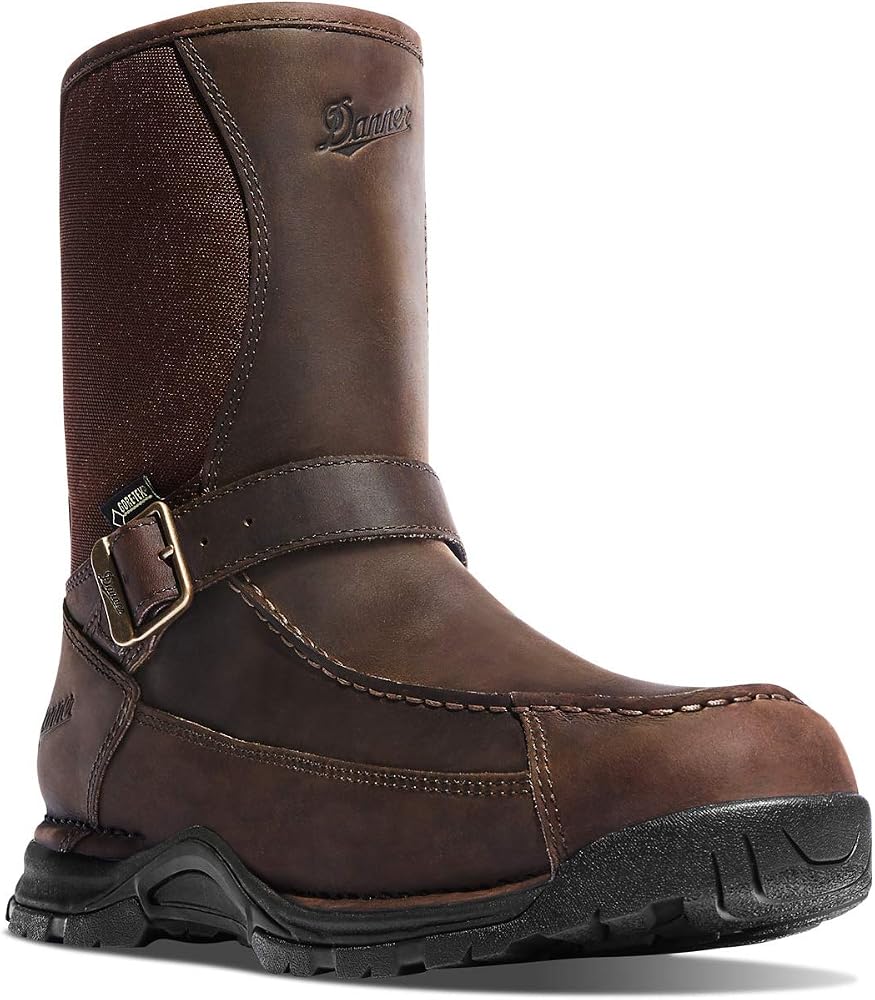
Best Boots for Flow Bindings in 2026: What Actually Matters Before You Buy
Disclosure: We may earn a commission when you buy through links on this page, at no extra cost to you. As an Amazon Associate I earn from qualifying purchases. Learn more

Compare boots for Flow bindings by flex, heel shape, tray fit, liner hold and warmth, with a sizing checklist and common mistakes to avoid before you ride.
Flow bindings ask more of a boot than a standard two strap binding does. Your foot slides in from the back, the highback folds down and lifts again, and the strap stays set while you enter and exit all day. The best boots for flow bindings slide in cleanly, hold your heel once the highback closes, and flex in a way that suits your riding. Use the comparison table below to check those points first.
This guide uses a checklist built for rear entry use. You will look at heel shape, flex, sole length, fit, liner hold, closure and warmth, then run a short step in test at home. A boot can feel great in a shop and still fight the binding on the lift.
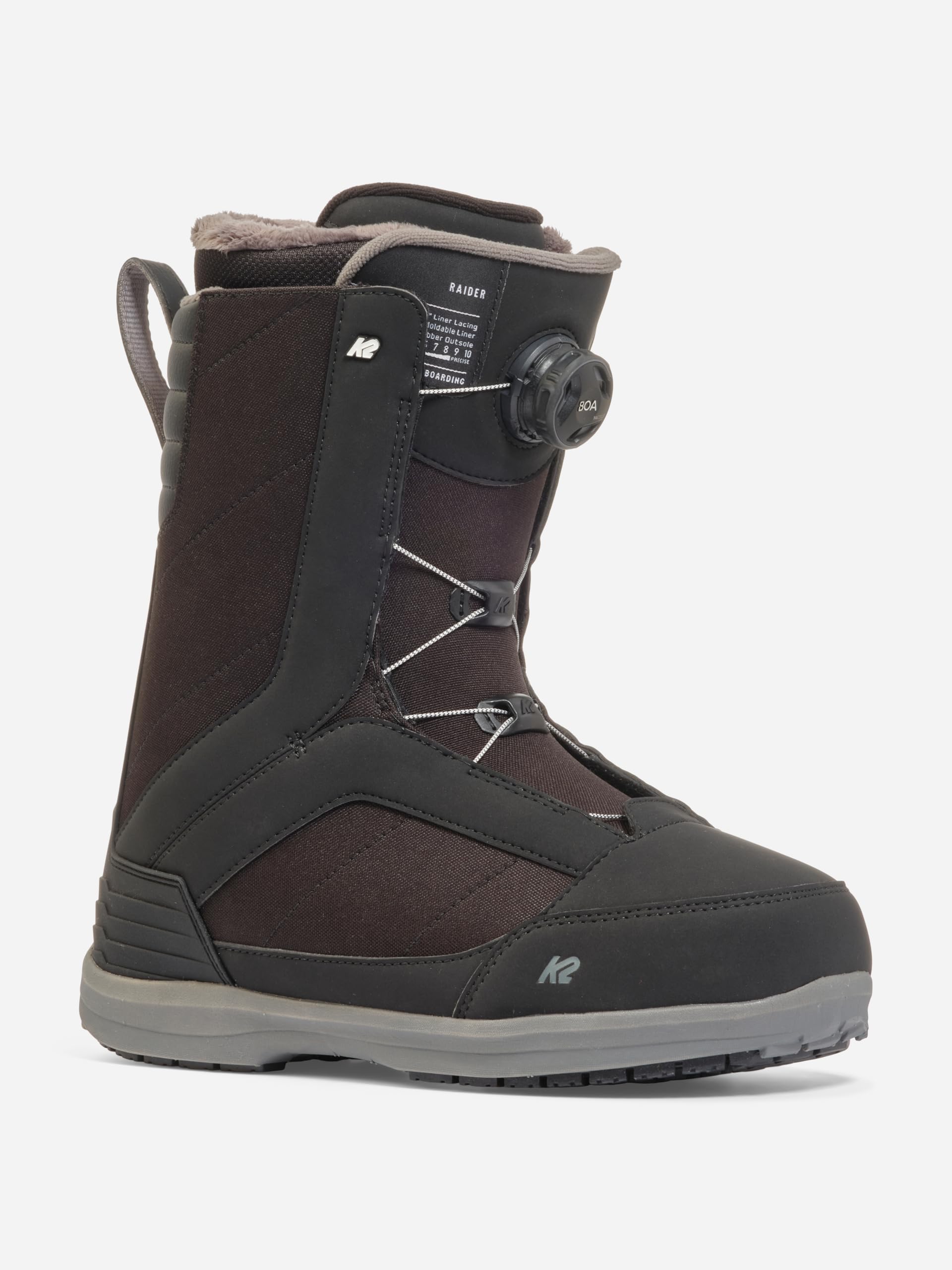
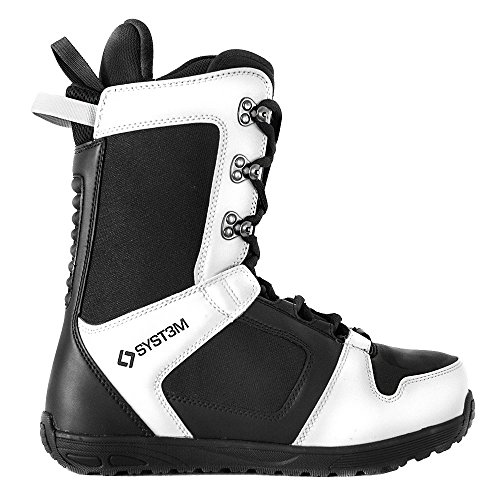
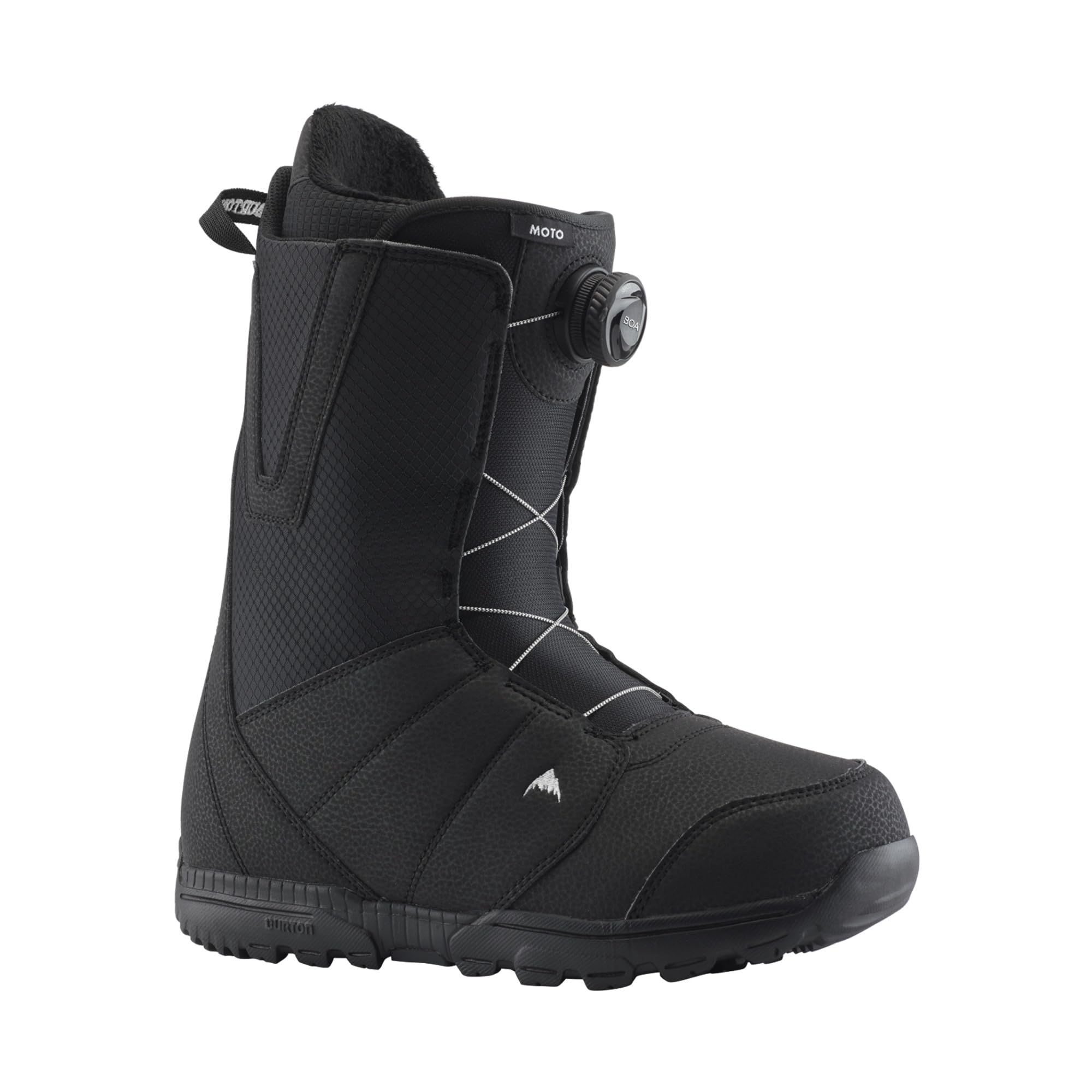

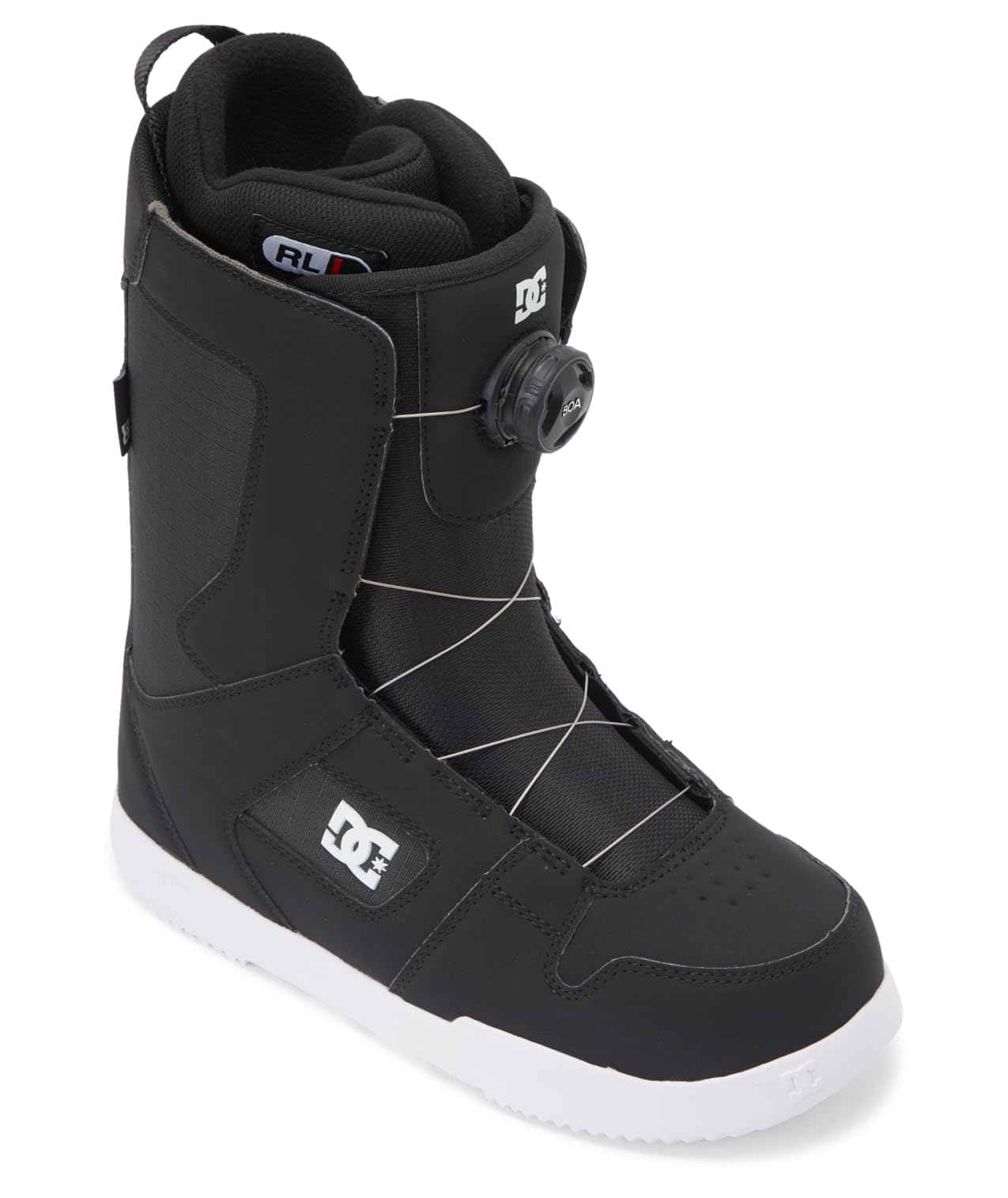
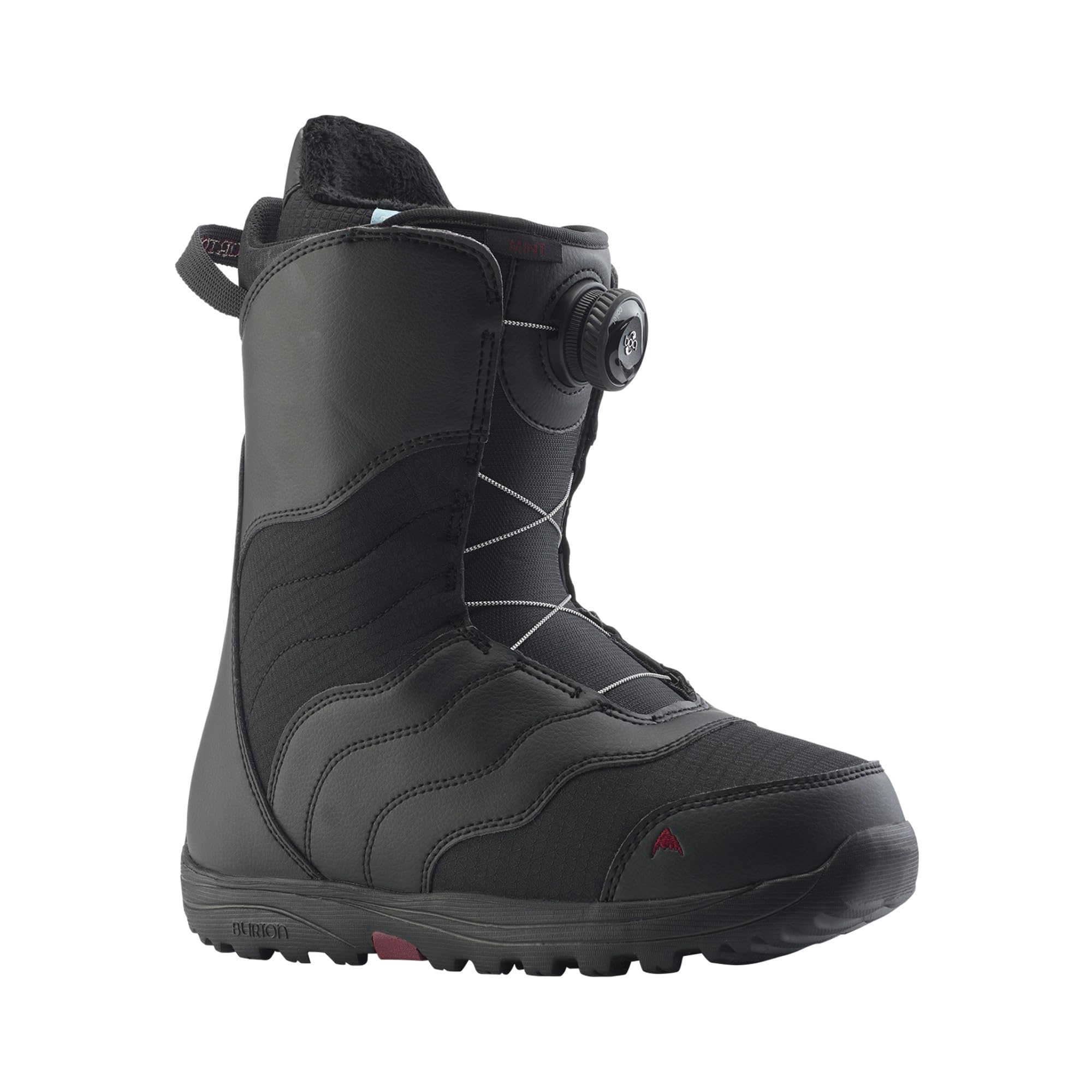
Who Should Buy Which Boots for Flow Bindings?
Start with how and where you ride most often. Your speed and terrain will point you toward a softer or stiffer boot.
Resort Riders Who Enter and Exit Many Times a Day
You ride lifts all day, skate short flats and step in again at every top station. Choose a boot with a smooth and rounded heel, a medium flex and a closure you can adjust with gloves on. A liner that holds its shape helps too, because repeated sliding can pack out a soft liner and loosen heel hold.
All Mountain Riders Who Mix Groomed Runs and Powder
You need response on firm snow and enough give when the surface turns rough or deep. Choose a medium to stiff flex, a supportive cuff and a sole with clear tread for icy lots. If you pair boots and bindings as one system, see our guide to the best snowboard boots and bindings for how the two choices work together.
Learners and Returning Riders Who Want Forgiving Flex
You fall, adjust and re enter more often than an advanced rider does. Choose a soft to medium flex that lets your ankles move while you learn edge control. Prioritize comfort and easy closure over maximum response, because a boot that hurts will end your day sooner than a boot that feels a touch soft.
Key Features to Compare
Compare these factors in order, because fit in the binding comes before warmth or price.
Heel Shape and Highback Clearance for Rear Entry
The back of the boot is the first thing to judge for Flow use. A rounded and smooth heel panel slides past the folding highback with less catching, while a bulky heel counter or raised trim can snag as you push your foot in. Look for a heel that tapers cleanly and a back panel made to take repeated friction. On snow this decides whether entry feels like one smooth push or a wrestle at each lift.
Flex Rating and How It Matches Your Riding
Flex describes how much the boot resists bending forward and twisting side to side. Soft boots feel forgiving and suit learners and park riding, medium boots balance comfort and response for most resort days, and stiff boots transfer small movements to the board on steep snow. Brands rate flex on their own scales, so judge the actual bend by hand and on your feet.
Sole Profile, Boot Length and Tray Fit
Two boots in the same mondo size can have very different outer lengths. A bulky shell may overhang the binding tray, push the toe strap out of position or force you into a larger binding size that then fits loosely. Look for a compact sole profile and moderate toe volume. A slimmer shape also centers better on the board, which reduces toe drag and heel drag.
Fit, Sizing and Toe Box Room in Snowboard Boots
Measure both feet in the evening while wearing your riding socks, because feet swell during a day on snow. Your toes should brush the front of the liner when you stand straight and pull back slightly when you flex your knees into a riding stance. The toe box needs room for toes to lie flat, yet the midfoot should feel locked so your foot does not slide forward on steep descents.
Liner Hold, Heel Lift and Closure Systems
Heel lift ruins rear entry boots faster than almost any other fit flaw, because your heel must stay seated while the highback closes behind it. Look for a liner with shaped ankle pockets and an inner harness that snugs the ankle before you close the shell. For closure, traditional laces give the most even tension, a dial system gives fast tightening, and speed lacing gives quick zonal control. Pick the system you can tune with gloves on.
Shell Materials, Warmth and Water Resistance
Snowboard boots live in wet snow, slush and cold lift rides, so the shell needs to shed water and the liner needs real insulation. Synthetic shells resist water well and keep weight down, while leather panels can add durability but need more drying time. Warmth depends on fit as much as on insulation claims, because a boot that is too tight restricts circulation and feels colder.
How to Check Flow Binding Fit Before You Ride
Do this test indoors before you remove any tags. Set the binding flat, fold the highback down, slide your foot in, and lift the highback closed. Entry should take one steady push with no hard catch at the heel. Once closed, flex forward and side to side. Your heel should stay seated and the boot should not rock in the tray.
That test tells you more about the best boots for flow bindings for your own setup than any flex number alone, because it checks your exact pair. For matched systems built around this style, see our guide to the best snowboard boots for flow bindings. Riders who mix brands can also see our guide to the best bindings for vans boots for the reverse pairing.
- Does the heel slide in with one push and no snagging?
- Does your heel stay seated when you flex forward three times?
- Does the strap sit centered with even pressure?
- Does the boot sit in the tray with no large side gap?
- Can you work the highback lever with gloves on?
- Can you adjust the closure while standing in the binding?
- Do your toes brush the front standing and clear it when you flex?
Common Mistakes to Avoid
Most poor pairings come from a short list of repeat errors.
- Buying by street shoe size alone leaves the boot too long for the tray and loose at the heel.
- Choosing a bulky heel that snags the highback makes entry slow and wears the back panel early.
- Picking a flex far stiffer than your needs makes low speed turns tiring and unforgiving.
- Testing fit in thin socks gives a false snug feel that turns painful in riding socks.
- Forcing a boot into a small binding bends the strap out of line and hurts your instep.
- Ignoring heel lift in the shop leads to lost response and sore ankles.
Care and Maintenance for Boots Used With Flow Bindings
Pull the liners out after each riding day and let boots and liners air dry at room temperature away from direct heat. Radiators and hot boot dryers can warp liner foam and weaken glues, so use moving air instead. Loosen the closure fully while drying, and remove the insoles if they feel damp.
Inspect the back of the heel often, because that panel takes friction at every entry and exit. Brush off grit before it grinds into seams, check stitching around the heel, and look for cracks in the sole tread. Store boots loosely closed in a cool and dry place.
FAQ
What features matter most in snowboard boots for Flow bindings?
Heel shape matters most, followed by tray fit and heel hold. A smooth and rounded heel lets the boot enter cleanly, while a compact sole keeps strap placement correct. One point many buyers miss is the pull loop at the back. A large loop can fold under the highback and create a pressure spot, so check its position at home.
Do snowboard boots for Flow bindings need strong water resistance?
Yes, snowboard boots for Flow bindings should shed water well, because they sit in snow at every entry and exit on the lift cycle. The cuff area matters as much as the toe, since snow packs around the ankle while you skate. After slushy days, dry the cuff padding first. It holds moisture longest and can feel cold the next morning.
Can I wear snowboard boots with Flow bindings all day?
Yes, you can wear snowboard boots with Flow bindings all day if the fit stays comfortable as foot volume changes. Feet often swell by midday, so a closure you can ease slightly at lunch helps more than a boot that starts out loose. During lodge breaks, loosen the outer closure for a few minutes. Restoring circulation prevents numb toes many riders blame on cold alone.
How long is the break in period for snowboard boots with Flow bindings?
The break in period for snowboard boots with Flow bindings is usually about three to five full riding days. Heat moldable liners can shorten that process when a shop fits them to your feet. Judge progress by heel hold rather than by general softness. A liner that packs out at the ankle while the toe stays tight may need a different size.
How should snowboard boots fit for Flow bindings?
Snowboard boots for Flow bindings should fit snug at the heel and midfoot, with toes brushing the front only when you stand straight. A useful home check is to step into the liner alone and measure the space behind your heel with toes touching the front. One to two fingers of space suggests a sound fit, while much more hints at looseness later.
Our Verdict
Judge these boots in a strict order. Heel shape and tray fit come first, because no other strength can fix a boot that enters poorly. Flex and fit come next, matched to your terrain and your feet, and warmth and closure matter once those basics pass. Testing the actual pairing at home avoids most returns.
When you compare best boots for flow bindings with that order in mind, use the product table above to check flex, size range and price, then run the step in test with your own bindings.