Best Boots for Flat Wide Feet Made Simple in 2026: A Clear Buying Guide
Disclosure: We may earn a commission when you buy through links on this page, at no extra cost to you. As an Amazon Associate I earn from qualifying purchases. Learn more
Shopping for the best boots for flat wide feet for the first time? Learn the terms, compare options, and avoid rookie mistakes with this easy guide.
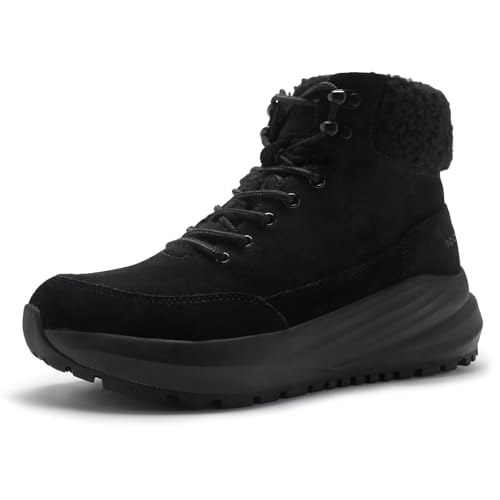
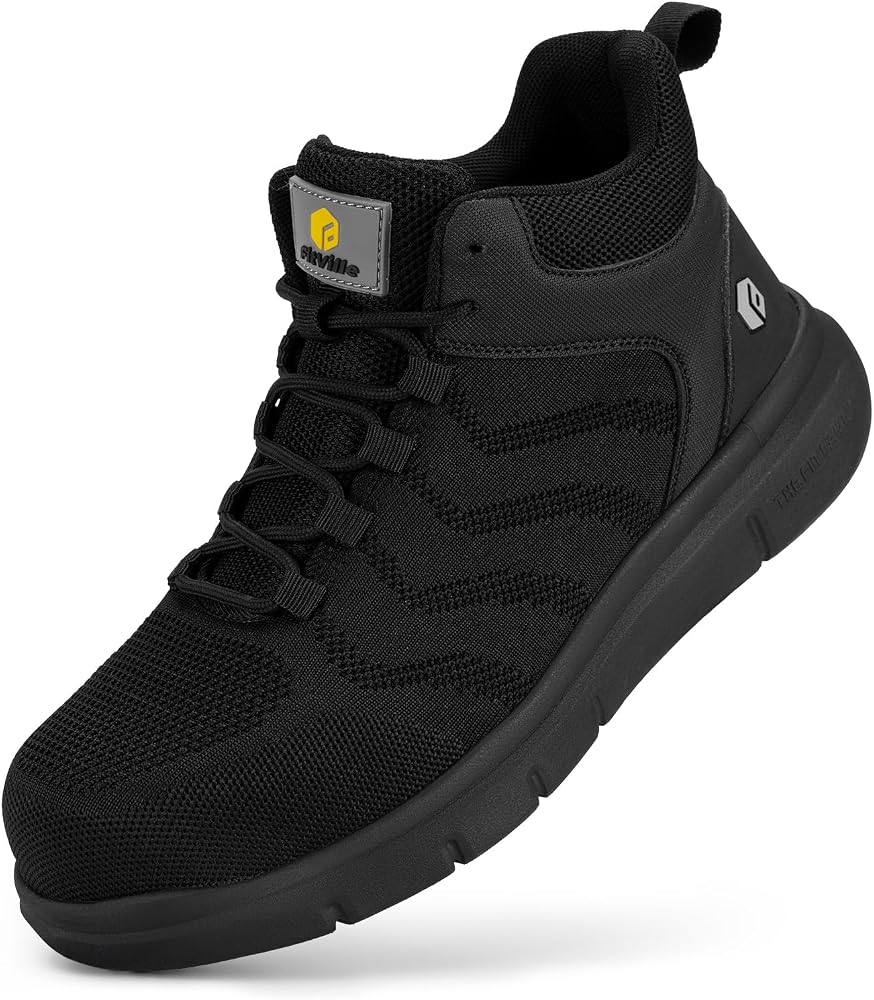
Buying boots is confusing when most pairs feel narrow at the toes and flat under the arch. The best boots for flat wide feet solve both problems together, with real width at the forefoot and steady support under a low arch. This guide starts with the basic terms, then covers sizing, support and fit checks, so you can read the comparison table below with confidence.
A flat foot tends to roll inward and grow longer and wider as you stand, so a boot that felt fine sitting down can pinch after an hour of walking. The sections below match that shape to the buyers who benefit, the specs that matter, and the checks to run before you buy.




Boots 101: The Basics for Flat Wide Feet
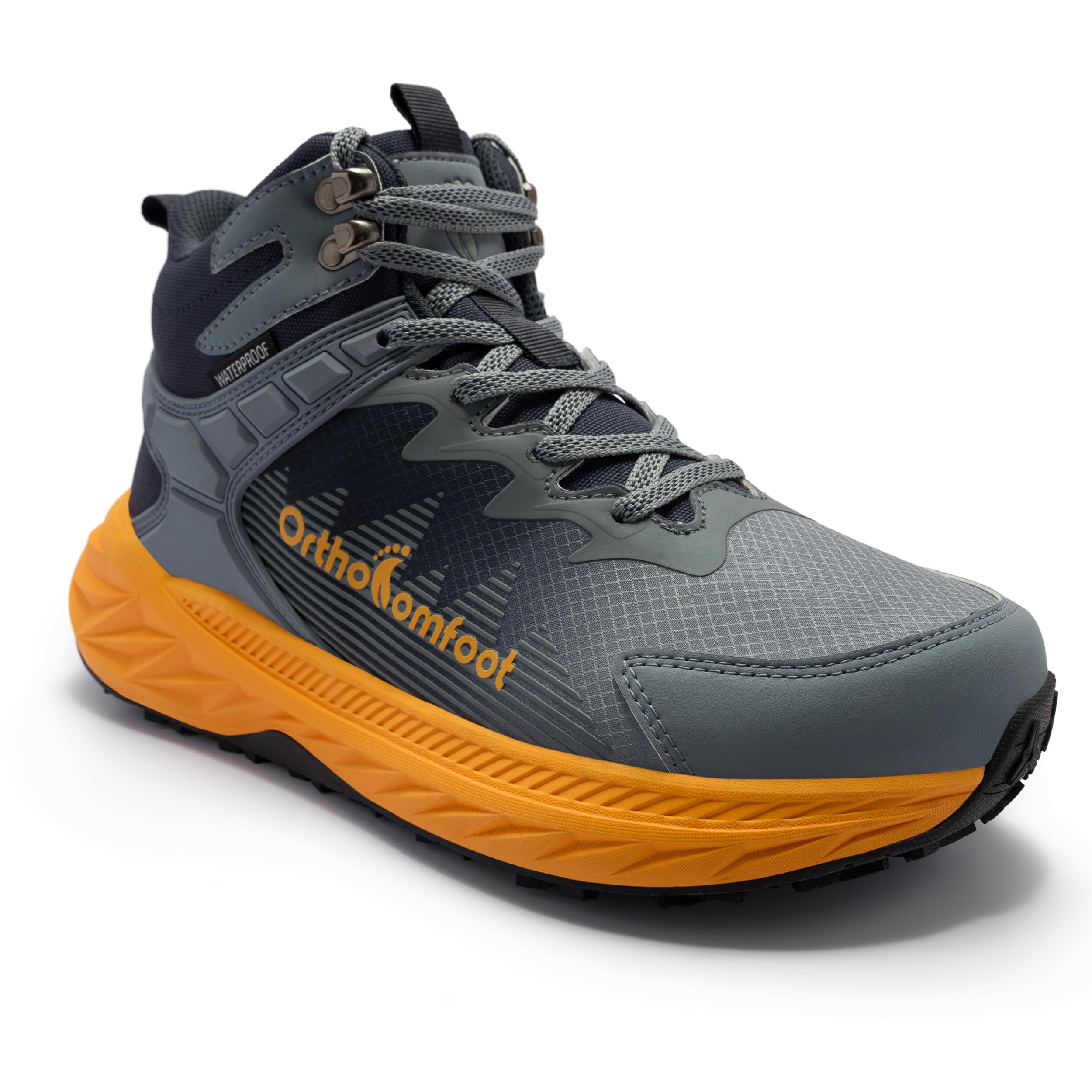
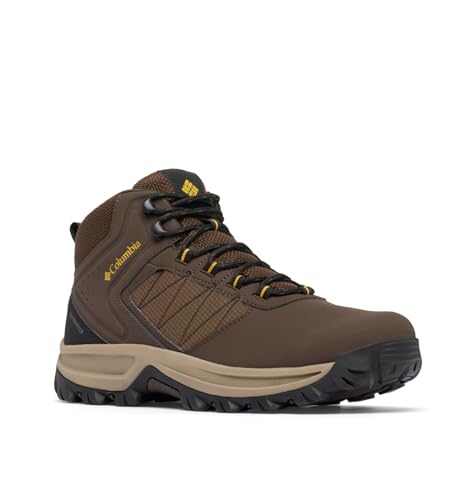
A boot covers your ankle with a structured upper, a firm midsole and an outsole built for grip. That structure matters because the upper holds your heel in place while the sole spreads load across a foot with little natural arch.
Width should come from a wide last, the form a boot is built on, not from buying a longer size. When you shop for the best boots for flat wide feet, judge width and support together, because a roomy boot with a collapsing sole tires a flat foot as fast as a narrow one.
Who Should Buy Boots for Flat Wide Feet?
Start with the day you repeat most, because surface, hours on foot and weather change which boot serves you well.
Workers Who Stand on Hard Floors All Day
You need width that lasts a shift, cushioning for hard floors, and a stable base that keeps your ankles from rolling inward. If your job adds safety rules or wet floors, see our guide to the best work boots for wide flat feet and match the toe and sole ratings to your role.
Walkers and Hikers Who Cover Long Distances
You need a toe box with room for swelling on descents, grip for wet rock and mud, and a shaft height that steadies your ankle. For trail focused options, see our guide to the best hiking boots for wide flat feet and compare grip for your terrain. A stiffer sole protects your arch on rocky climbs, where steps land at odd angles.
Winter Users Who Need a Snug Heel Inside a Stiff Boot
Sport and cold weather boots fit closer than work or trail boots, so ask a fitter who understands wide forefeet and low arches. A boot wide everywhere lets your heel lift, and that lift causes blisters. If you ski, see our guide to the best ski boots for wide flat feet for how a wide last pairs with a heel pocket.
What Each Spec Does for a Foot That Is Flat and Wide
Read each spec as an answer to one question, what will this part do for a foot that is both flat and wide?
Fit, Sizing, and a Toe Box That Lets Toes Spread
Shop in wide sizes, often marked 2E or 4E, rather than sizing up in a standard width, because extra length leaves your toes sliding forward. The toe box should let your toes lie flat and spread, with about a thumb width of space before your longest toe. If your toes press the sides while your heel slips, that last is the wrong shape.
Arch Support and Stability for a Low Arch
Arch support is a shaped footbed and a firm midsole that hold your arch up and slow the inward roll called overpronation. Look for a firm heel counter, the stiff cup around your heel, and a sole that resists twisting when you turn the toe and heel in opposite directions. A stability boot suits most flat feet better than a soft, neutral design with no midfoot structure.
See a doctor or a foot specialist promptly if you notice numbness, sharp pain that does not ease with rest, sudden swelling, or sores that heal slowly. Boots can improve fit and comfort, but they do not treat a medical problem, so talk with your clinician about your needs.
Firm Cushioning That Will Not Tilt a Wide Flat Foot
Cushioning is the foam layer that absorbs impact under your heel. Soft foam feels kind at first, then compresses unevenly on a flat foot, so choose foam that feels firm and even under your full weight. Heel to toe drop is the height difference between heel and forefoot. A low to moderate drop of about 4 to 8 mm suits many flat feet, because a high drop pushes weight forward onto a loaded forefoot.
Upper Volume, Flexibility, and Weight
Volume is the space inside the boot from sole to upper, and a wide foot often needs more of it over the instep, not only across the toes. An upper with some give over the forefoot reduces pressure at the widest point, while laces let you loosen the front and snug the ankle. As with lightweight shoes, a lighter boot tires your legs less, but the lightest models give up the firm sole a flat foot depends on.
Comfort and Room for a Replacement Insole
A good pair should feel secure in the store, with no pressure points, because an upper softens with wear but a narrow toe box stays narrow. Check that the insole removes easily if you plan to use your own, and leave room for its thickness so your instep is not pressed upward. Judge that volume with your own insole in place.
Getting Started: Measure and Check the Fit at Home
Measure both feet in the afternoon, when a flat foot is at its longest and widest, wearing the socks you plan to use. Stand with full weight down, trace each foot, and note length and width across the ball. Use the larger foot and compare numbers with the size chart, because wide labels vary between brands.
At home, walk on hard floors, climb a few steps, and stand for ten minutes. Your toes should not touch the front when you walk down a slope, and your heel should move only slightly. Start with short walks and build up, because support under a low arch feels firm at first.
Rookie Mistakes to Avoid
Most returns from first time buyers trace back to one of these five errors.
- Buying a longer standard size for width puts your arch in the wrong place and lets your foot slide, so blisters follow.
- Choosing the softest sole you can find lets a flat arch collapse with every step, so your feet tire early.
- Testing boots seated or in thin socks hides the spread that appears when you stand in real socks.
- Judging width only by the toes ignores instep volume, so the top of a wide foot can ache under tight laces.
- Keeping a pair that pinches rarely works, because uppers stretch far less across the toes than along them.
Care and Maintenance for Boots for Flat Wide Feet
Brush off dirt and wash mud from the outsole, because packed tread grips poorly and grit cracks the upper as it flexes. Air dry wet boots at room temperature away from direct heat, with laces loosened and insoles lifted out. Heat from a radiator or a dryer can warp the midsole and stiffen leather, changing its fit.
Store boots upright and give a waterproof membrane such as Gore Tex the cleaning the maker directs, because dirt can block the pores that let sweat escape. Replace an insole when its arch feels flat, and retire a boot when the outsole is smooth in the middle.
FAQ
What features matter most in boots for flat wide feet?
Width from a true wide last and arch support matter most in boots for flat wide feet. Next check heel hold, because a wide boot that lets your heel lift will rub even when the toes have room. Note where the width sits, since some boots widen only at the toes and a flat foot often needs room through the midfoot.
How long is the break in period for boots for flat wide feet?
The break in period is usually a few days for fabric uppers and one to two weeks for stiff leather. Build up in short walks, and watch your forefoot, because it shows first if the last is too narrow. Red marks that linger after the boots come off mean the shape is wrong.
How often should I replace boots for flat wide feet?
Replace boots when support fades, which often shows first as a new ache late in the day. Uneven wear under the heel or forefoot can tilt the boot and change your stride. A daily work pair reaches that point far sooner than a weekend pair, so judge by feel and wear, not the calendar.
Are expensive boots for flat wide feet worth the cost?
Expensive boots are worth the cost only when the extra money buys a better wide last, a firmer midsole and a replaceable insole. Higher prices do not always mean wider fits, and some costly fashion boots are narrow by design. Spend first on fit and support, then on extras like premium leather.
Do I need waterproof boots for flat wide feet?
You need waterproof boots only if your days involve wet ground, rain or snow. A membrane keeps water out but holds warmth in, so the same boot can feel hot during indoor work in summer. If your use is dry, a plain upper will breathe better and dry faster after a wet day.
Can I wear boots for flat wide feet all day?
Yes, you can wear boots all day once the fit and break in are right. On your first full day, carry shoes you trust as a backup and check your feet at midday, because swelling peaks later than new buyers expect. If one spot rubs, adjust your lacing over the instep before you blame the size.
Final Thoughts
Keep your short list simple, a wide fit with room for your toes to spread, firm support under a low arch, and a heel that stays in place. Match those points to your main use, then use the product table above to compare sizes, weight and price.
When those basics line up, the best boots for flat wide feet stop feeling like a special purchase and start feeling like the pair you reach for each morning.