
Best Boots for Fat Biking in 2026: What Actually Matters Before You Buy
Disclosure: We may earn a commission when you buy through links on this page, at no extra cost to you. As an Amazon Associate I earn from qualifying purchases. Learn more

Compare insulation, pedal grip and fit for the best boots for fat biking, plus a buyer checklist for snow routes, boot types, sizing and care.
Fat biking puts your feet close to snow, slush and cold air for hours, so summer cycling shoes fail fast. The best boots for fat biking keep toes warm without squeezing them, grip your pedals and shed slush instead of soaking it up. This guide uses a clear checklist to judge warmth, fit and pedal control, so you can read the comparison table below with a real ride in mind.
Start with the coldest ride you plan, not the mildest one. A boot that feels fine on a short groomed loop can leave you walking home from a long route.
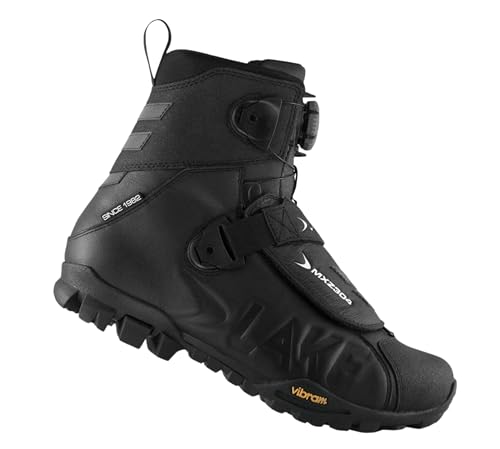


Who Should Buy Which Fat Biking Boots?
Choose by your usual route, your pedal system and how long you stay out.
Groomed Trail Riders in Deep Cold
You ride packed trails where the air stays well below freezing all outing. Put insulation first and choose a rating colder than your usual ride, because stopped feet cool quickly at breaks. A taller cuff helps keep driven snow out at crossings.
Flat Pedal Riders Who Walk Loose Sections
You push the bike up loose climbs and cross icy patches on foot, so walking grip matters as much as pedalling grip. Choose a flexible forefoot, a lugged outsole and a sole that sits securely on platform pins. A boot too stiff for walking tires your calves on icy sections.
Clipless Riders on Long Snow Routes
You clip in for efficiency on long winter routes and rarely stand still. Choose a stiffer sole that transfers power without flexing around the cleat, plus a recessed cleat pocket that stays clear of packed snow. Warmth still comes first, because numb toes lose feel for the pedal.
Key Features to Compare
Work through these factors in order. Warmth and fit decide whether you finish the ride, while pedal fit and grip decide your control.
Insulation and Temperature Rating for Fat Biking Boots
Insulation traps warm air around your foot, and makers often rate boots for ranges such as about 15 to 40 degrees Fahrenheit for milder models or well below zero for expedition use. Treat every rating as a guide, not a promise, because wind and ride length change the result. Still air does the warming, so insulation works only when toes can move. If toes stay numb after you warm up indoors, or skin looks pale or waxy, seek medical care promptly.
Waterproof Protection and Breathability for Fat Biking Boots
A waterproof membrane such as Gore Tex blocks slush and melting snow while letting some sweat vapour escape, and sealed seams matter as much as the membrane itself. Breathable panels help on climbs, where hard effort builds moisture that later chills your feet on descents. For wet snow near freezing, full waterproof protection matters most. For dry and very cold snow, a water resistant shell is often enough.
Pedal Fit, Sole Stiffness and Stability for Fat Biking Boots
Flat pedal boots need a sole that lets platform pins bite without feeling sharp through the boot, while clipless boots need a firm midsole and a cleat recess that does not clog with snow. Match stiffness to how often you walk, since a very stiff sole feels clumsy when you dab a foot down. Look for stable heel hold and light cushioning underfoot, because a sliding foot wastes energy and rubs skin.
Outsole Grip on Snow, Ice and Pedals for Fat Biking Boots
The outsole must hold pedal pins on the bike and hold snow when you step off, so deep and widely spaced lugs that clear snow suit most fat biking use. Soft rubber stays flexible and grippy in deep cold, while hard and smooth soles skate on ice. On polished ice, plan on separate traction aids rather than expecting boot lugs alone to hold.
Fit, Sizing and Toe Box Room for Fat Biking Boots
Measure your feet late in the day, wear the thick socks you ride in, and leave clear space in front of your longest toe. A roomy toe box lets you wiggle your toes to keep blood moving, and many riders size up about half a size to a full size from summer shoes. Snug is fine at the heel, but pressure across the toes cuts circulation and makes warm boots feel cold within an hour.
Ankle Coverage and Glove Friendly Closures for Fat Biking Boots
A higher cuff and a gaiter ready top edge keep snow out in drifts and support the ankle when you walk a heavy bike through ruts. Closures must work with thick gloves on, so large dial closures, wide straps and big lace loops beat small fasteners at a windy trailhead. Check that you can loosen the boot with gloves on too.
Fat Biking Boot Types and Pedal Styles Compared
Most boots for fat biking fall into two broad types, and your pedal choice usually decides which fits. Insulated flat pedal boots walk well and suit mixed rides, often at about $120 to $250. Clipless winter boots pedal more efficiently and suit long routes, but walk less naturally and cost more, often about $200 to $350.
Purpose built fat biking boots differ from general winter footwear in sole shape and pedal contact, which is why a guide to the best biking boots is only a starting point for snow riding. For the coldest use, see our guide to the best winter boots for fat biking. If you also ride in summer, see our guide to the best sandals for biking instead of asking one pair to cover both seasons.
Quick Buyer Checklist for Fat Biking Boots
Use these questions before you pay for the best boots for fat biking on your shortlist. A no answer points to the feature you need to recheck, and two or more no answers usually mean the boot does not suit your riding.
- Is the temperature rating colder than the coldest ride you plan?
- Can you wiggle every toe while wearing your thickest riding socks?
- Does the sole match your pedals without adapters?
- Can you adjust the boot while wearing winter gloves?
- Does the cuff meet your pants or gaiters with no gap at the top?
- Do the lugs clear snow instead of packing smooth?
- Is the listed weight honest for the pair, not for a single boot?
Treat vague insulation claims, missing temperature ratings, unclear cleat compatibility and very short warranties as red flags. A seller who cannot state the pedal type or return terms is asking you to guess on details that decide comfort.
Common Mistakes to Avoid
- Buying your summer shoe size leaves no room for thick socks, so your toes chill fast despite good insulation.
- Choosing a stiff racing sole for mixed routes makes walking on ice tiring and raises your fall risk off the bike.
- Wearing cotton socks traps sweat against the skin, so your feet cool quickly once the pace drops.
- Ignoring cleat recess depth lets packed snow lift the cleat, so clipping in becomes unreliable mid ride.
- Testing fit indoors for two minutes hides pressure points that appear after an hour in the cold.
- Leaving a gap between cuff and pants lets driven snow fall inside, so the boot wets out from the top down.
Care and Maintenance Tips for Fat Biking Boots
After each ride, pull out the insoles, loosen the closures and air dry the boots at room temperature away from direct heat. Radiators and heated blowers can crack leather, warp sole glue and damage membranes, so patience protects the boot better than speed. Brush dried mud and road salt from the uppers and lugs.
Store boots loosely laced in a dry place and check cleat bolts, lace wear and lug damage before the next outing. Replace insoles when they pack flat, and retire a boot when lugs wear smooth or the midsole cracks, because worn soles lose pedal grip first.
FAQs About Fat Biking Boots
What features matter most in boots for fat biking in deep cold?
Insulation matched to your coldest ride matters most, followed by toe room and a waterproof shell. Carry chemical toe warmers as a backup on long rides, placed on top of the toes where they do not bunch underfoot. A vapour barrier sock is an option for extreme cold, but test it on a short ride first.
How should fat biking boots fit with winter socks?
Fat biking boots should hold the heel firmly while leaving clear space for your toes to spread and move. Try boots at the end of the day, press your foot forward as if descending, and confirm your toes do not hit the front. If one foot is larger, fit that foot first.
Are expensive fat biking boots worth the extra cost?
Expensive fat biking boots are worth it when the extra cost buys colder ratings, lighter insulation and a sole built for your pedal system. Riders who go out twice a winter rarely recover that cost, while weekly riders in deep cold feel the difference on every outing. Spend first on warmth and fit.
Can you wear fat biking boots all day off the bike?
You can wear fat biking boots off the bike for short walks and trail work, but they are poor all day walking boots. The stiff sole and pedal focused tread tire your feet on pavement, and warm insulation overheats indoors. Pack light camp shoes for long stops, so your riding boots can dry.
How long does the break in period for fat biking boots last?
Most fat biking boots feel ride ready within two or three short outings, because padded winter uppers soften faster than stiff leather hiking boots. Use those first rides to test sock thickness and cleat position close to home. A hot spot that returns on every ride signals a fit problem, so exchange the size while you still can.
Our Verdict
Match the boot to your coldest route, your pedal system and your socks, in that order. Warmth fails when fit is tight, and pedal control fails when the sole does not match your pedals. Use the product table above to compare ratings, sizes and sole types.
Chosen with that checklist, best boots for fat biking picks stop being a gamble on a temperature claim and become a fit you can trust on a cold trail. Pick the warmer and roomier option when two boots seem equal.


