Best Boots for Fallen Arches in 2026: Which One Fits the Way You Use It?
Disclosure: We may earn a commission when you buy through links on this page, at no extra cost to you. As an Amazon Associate I earn from qualifying purchases. Learn more

Not all boots fit every routine. See which best boots for fallen arches match how you actually use them, what features to prioritize, and what to skip.
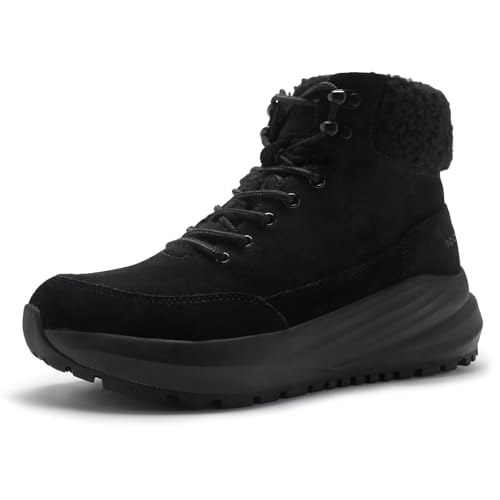
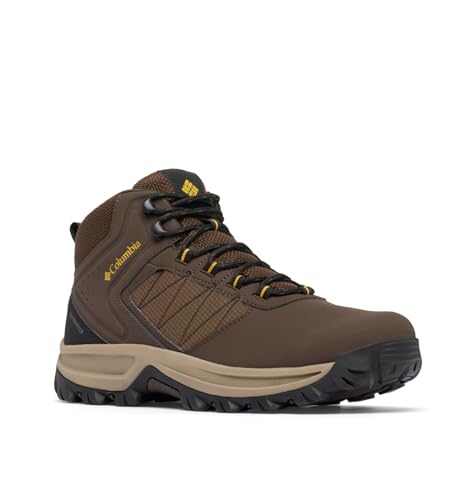
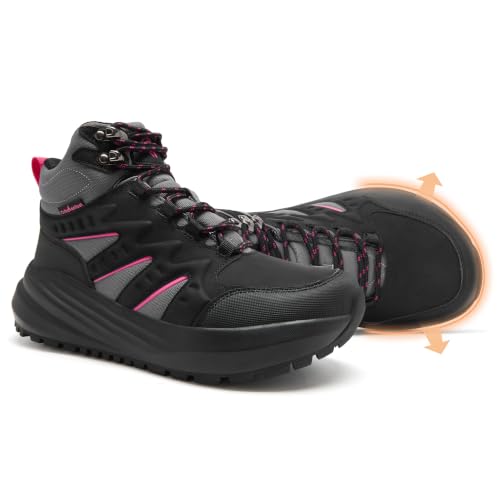
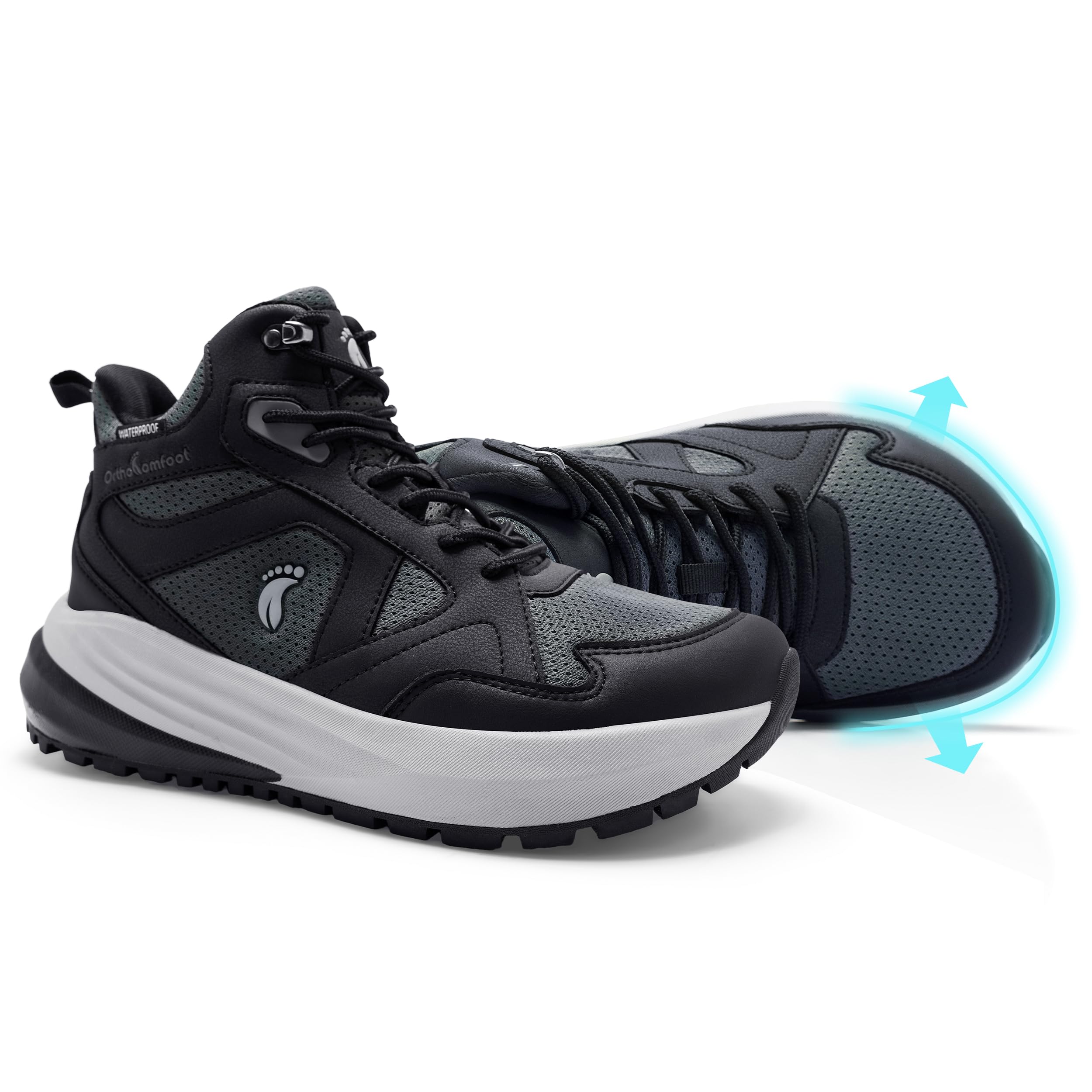
When your arches sit low and your feet roll inward as you walk, a boot that feels fine for ten minutes can ache by noon. There is no single pair of best boots for fallen arches for every routine, because a warehouse shift, a muddy trail, and a school run ask for different support. Use the comparison table below to match the boot to the day you actually live.
This guide starts with your use, not with a brand name. You will see which shaft height, footbed shape, and outsole suit long standing, uneven ground, wet weather, and daily walking, plus a simple fit check to do at home.




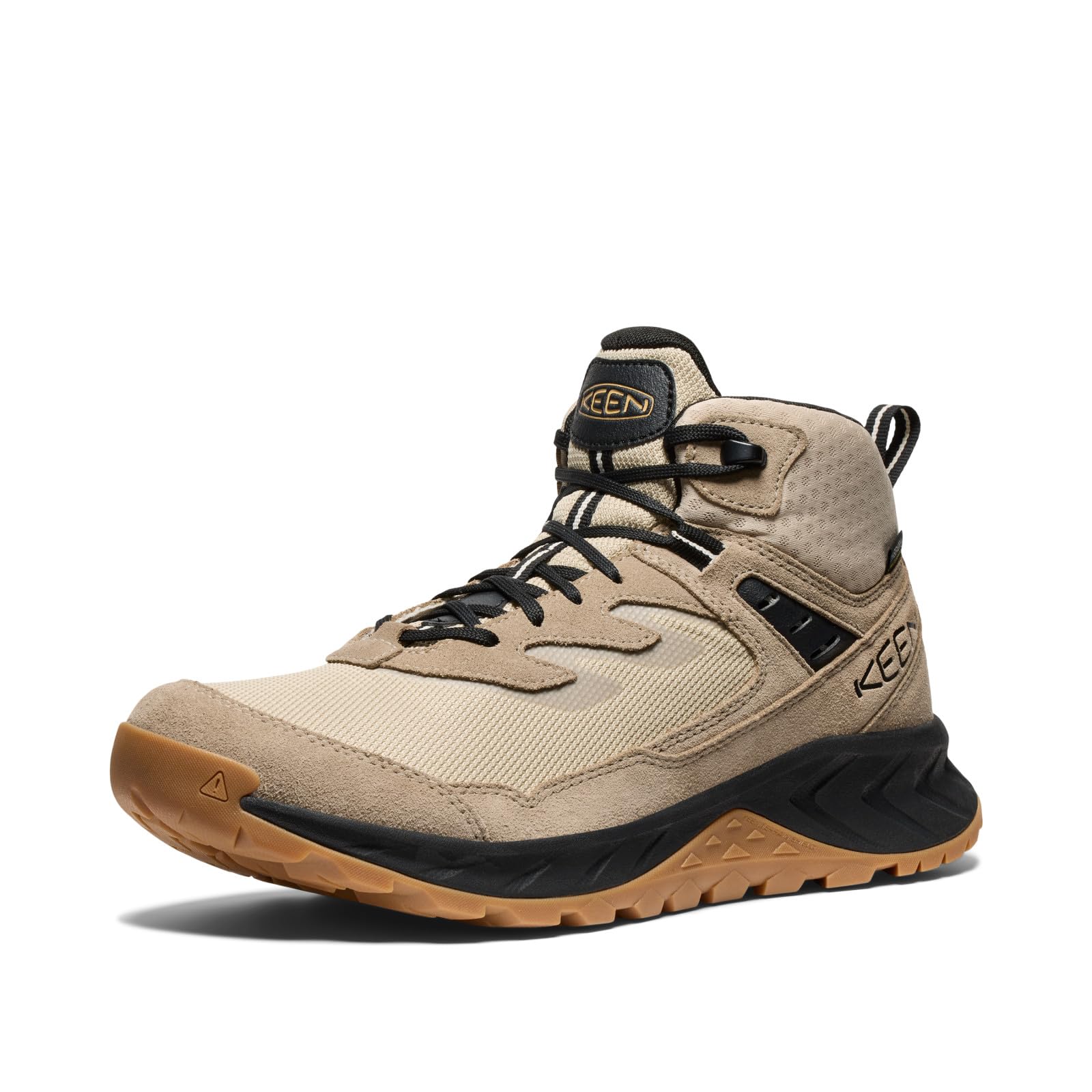
Which Boot Fits Your Fallen Arch Workday?
Start with the hours and ground you face most often. Fallen arches tire faster when support is soft in the wrong place, so your group below matters more than a long feature list.
For Long Shifts on Hard Floors
You stand and walk on concrete or tile for most of the day, and your heels and arches feel the load by late afternoon. Prioritize a firm footbed, a stable heel cup, and cushioning that does not flatten quickly. If your job sets the rules for your footwear, see our guide to the best work boots for fallen arches for work specific needs.
For Trails and Uneven Ground
You walk on roots, gravel, and slopes, where a low arch can let the foot roll when the ground tilts. Choose a grippy outsole, a firm midsole that resists twisting, and laces that lock the heel. A higher shaft helps on loose descents, and breathable panels suit dry trails while a waterproof membrane suits wet grass.
For Wet Weather and Muddy Sites
You face rain, puddles, and slick mud, and you need dry feet without losing support inside the boot. Look for sealed seams, a waterproof upper, and deep lugs that clear mud as you walk. The insole still needs a shaped arch, because a waterproof shell alone does nothing for a tired arch.
For Daily Walking and Errands
You walk the dog, shop, commute, and spend weekends on your feet at a steady pace. A lighter boot with moderate cushioning and a flexible forefoot often feels best for this rhythm, with a contoured footbed and room for toes to spread. On days when a boot is more than you need, see our guide to the best walking shoes for fallen arches for a lower option.
Key Features to Compare
When you shop for best boots for fallen arches, compare these factors in order. Support comes first, then fit, then weather protection, because a dry boot with the wrong footbed will still leave you sore.
Arch Support and Footbed Shape
Arch support is the shaped rise under the middle of your foot that shares load with your heel and forefoot. A footbed for fallen arches should feel firm and present, not like a soft pillow that collapses under weight. Removable insoles let you use your own insert if a clinician has advised one. See a doctor promptly if you notice new swelling, numbness, sharp heel pain, or one foot changing shape, and talk with your clinician about personal needs before you rely on footwear alone.
Cushioning and Midsole Firmness
Cushioning softens each step, while the midsole decides how stable that softness feels. Boots for fallen arches usually work best with a dual density midsole, softer under the heel and firmer under the arch, so the foot lands softly without rolling far inward. Press the midsole with your thumb at the arch. If it gives easily, it may give under your full weight too.
Heel to Toe Drop and Sole Shape
Heel to toe drop is the height difference between the heel and the forefoot, often about 8 to 12 mm in supportive boots. A modest drop can ease pressure on the forefoot and help you roll through a step. A slight rocker shape, where the sole curves up at the toe, can also smooth that roll. If you stand still most of the day, firmness matters more than drop.
Getting the Support Under the Right Part of Your Foot
Fit decides whether the support sits under the right part of your foot. Try boots late in the day, when feet are at their largest, and wear the socks you plan to use. Choose a toe box that lets toes lie flat and spread as the arch loads. Your heel should stay seated when you walk, and your longest toe needs about a thumb width of space in front.
Ankle Support, Outsole Grip, and Weather Protection
A padded collar and a firm heel counter help the ankle stay upright on uneven ground. The outsole should use rubber with lugs about 3 to 5 mm deep for trails, or a flatter tread for floors and pavement. Waterproof boots keep water out with a membrane or treated leather, but they breathe less than unlined boots, so a breathable upper may serve you better in heat.
Break In and Comfort on the First Wear
A supportive boot should feel steady at once, even if the upper feels stiff. Leather and firm midsoles soften over the first few wears as they shape to your stride. Wear a new pair indoors and on short walks before a long day. Sharp rubbing, pinching at the toes, or pain under the arch on day one is a fit problem, not a break in stage, so change size or width instead.
A Simple Fit Check Before You Keep a Pair
Put both boots on, lace them firmly, and walk across a hard floor and up a few stairs. Your arch should feel held, your heel should stay in place, and your toes should not slide forward on the way down.
Next, take the insole out and stand on it on the floor. Your foot should sit inside its outline without spilling over the sides at the arch or heel. If it hangs over the edge, the boot is likely too narrow for the support to work as designed.
Common Mistakes to Avoid
These errors are common with low arches, and each one has a clear cost.
- Choosing the softest cushioning you can find lets the arch collapse with each step and leaves your feet more tired by evening.
- Buying a size up to gain width moves the arch support too far forward, so it presses in the wrong place.
- Judging fit in the morning, when feet are smallest, leads to boots that pinch and rub by the end of the day.
- Ignoring the insole and keeping a flat factory insert wastes the support the boot was built to give.
- Wearing one pair every day without a rest day keeps the foam compressed and shortens the life of the cushioning.
How to Dry and Store Boots Without Wrecking the Support
After a wet outing, loosen the laces, pull the insoles out, and air dry your boots away from direct heat, because heat can crack leather and warp foam. Stuff the toes with plain paper to hold the shape while they dry, brush off dried mud, and store boots upright.
Rotate two pairs if you wear boots daily, giving each pair a full day to recover its cushioning. At home, see our guide to the best slippers for fallen arches if you want support indoors too. Replace insoles when the arch area feels flat, and condition leather when it looks dry.
FAQ
What features matter most in boots for fallen arches?
A firm shaped footbed, a stable heel cup, and a midsole that resists inward roll matter most in boots for fallen arches. One point many buyers miss is socks. A sock with light padding and a snug middle can reduce sliding inside the boot, and less sliding means the support stays where your arch needs it.
How should boots for fallen arches fit in the store?
Boots for fallen arches should feel snug at the heel and middle, with free room at the toes. Ask for a width fitting if the length feels right but the sides press, because wide sizes can keep the arch support in the correct spot. Walk on a store ramp if one is available, since toe slide often shows up only on a slope.
Can I wear boots for fallen arches all day?
Yes, you can wear boots for fallen arches all day if the fit is right and you build up your wear time. Start with a few hours, then add time across a week. Sit with your feet raised during a break if your arches feel fatigued. Persistent pain during normal wear is a sign to recheck fit and to speak with a clinician.
How long is the break in period for boots for fallen arches?
The break in period for boots for fallen arches is usually about one to two weeks of regular short wears. Stiff leather models sit at the longer end, while soft textile models settle sooner. Keep a plaster in your bag during this stage, because a hot spot on the heel often appears before a blister forms.
Do I need waterproof boots for fallen arches in wet weather?
You need waterproof boots for fallen arches only if your feet regularly meet standing water, wet snow, or soaked ground. For light rain on pavement, a water resistant upper and a quick drying sock may be enough and will breathe better. For hot weather off duty wear, see our guide to the best sandals for fallen arches.
How often should I replace boots for fallen arches?
Replace boots for fallen arches when the midsole feels dead, the heel leans to one side, or the tread is smooth where you push off. If one side of the heel is worn much more than the other, your stride is loading the boot unevenly, and a fresh pair plus a fit recheck will serve you better than new insoles alone.
Final Thoughts
Match the boot to your longest and hardest day, not your easiest one. Put support first, confirm fit late in the day with your usual socks, and then choose grip and weather protection for your ground.
When you compare best boots for fallen arches with those checks in mind, the choice gets simpler. Use the product table above to confirm size, weight, and price, then order the pair that fits your life.