
Best Boots for Factory Work: A Buyer Checklist for 2026
Disclosure: We may earn a commission when you buy through links on this page, at no extra cost to you. As an Amazon Associate I earn from qualifying purchases. Learn more

Use this buyer checklist to choose the best boots for factory work: toe ratings, slip resistance, fit, cushioning for concrete, and what each price band buys.
A factory shift is hard on feet and harder on boots. Concrete floors, oil slicks, dropped parts, and ten hours of standing punish the wrong pair fast. This guide turns the search for best boots for factory work into a short checklist you can run in order, starting with the toe rating and ending with care. The comparison table below gathers the main types side by side.
Work through the checks in the order given. Toe protection and slip resistance come first because they guard against injury, while fit and cushioning decide whether a safe boot stays comfortable in hour ten. Price comes last, because a cheap boot that fails a safety check is no saving.

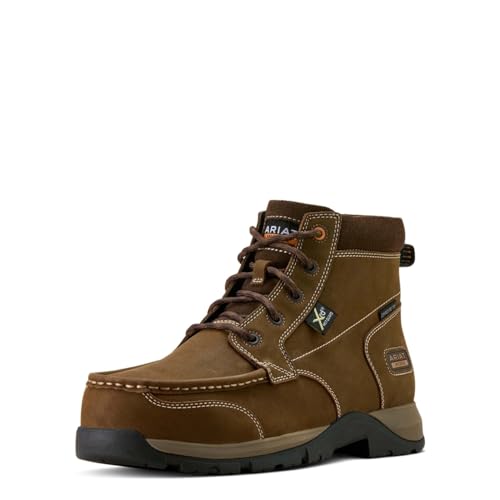


A Buyer Checklist for Factory Boots
Treat this section as a scoring sheet. A boot that passes the first two checks and fits your foot shape is already most of the way there, whatever its price. The same order helps when you compare the best work boots for warehouse and plant floors, because the hazards underfoot rarely change.
Toe Protection: Read the Rating on the Label
The first check is the toe. A safety toe earns its rating from impact and compression tests, and the result is printed on a label inside the boot, so read that label rather than the box art. If the label lists no rating, treat the boot as a soft toe shoe, whatever the listing claims.
The other choice is material. A steel cap is the traditional option and often costs less, while a composite cap weighs less and does not conduct cold the way metal does. That makes the steel or composite question mostly a weight question, plus a thought for anyone who passes through metal detectors at work. If you already know you need a rated cap, compare the best steel toe boots for factory work next.
Slip Resistance and Tread for Factory Floors
Check two is the outsole, because factory floors mix smooth concrete with water, oil, and dust. Look for a slip rating stated by the maker and a tread pattern with many small edges, because those edges bite on slick surfaces better than deep lugs do. Rubber compounds marked oil resistant keep their grip longer around machinery, and a wide flat contact patch helps on sealed floors. Deep mud lugs belong on outdoor sites, not on a polished plant floor, where they hold less rubber against the ground.
Fit, Sizing, and Toe Box
Measure both feet late in the day, when they are at their largest, and wear your work socks for the fitting. Leave about a thumb width of space in front of your longest toe, and check that the toe box lets your toes lie flat without pressing the sides. The heel should sit snug with little lift as you walk. Feet differ, so size to the larger foot and fine tune the smaller one with a thicker sock or an added insole.
Cushioning and Support for Long Shifts
Concrete returns almost no energy, so the midsole does all the shock absorbing across a long shift. A cushioned midsole with a stable heel counter spreads the load and slows foot fatigue, and a modest heel to toe drop keeps your stride natural. Support matters as much as softness, because a boot that feels like a pillow but lets your ankle roll will tire your legs by mid shift. If the fit still feels thin underfoot, you can add cushion later with the best inserts for work boots instead of replacing the whole pair.
Waterproofing and Membranes
Buy a waterproof membrane only if your job actually gets wet, such as washdown areas, loading docks, or food plants with frequent hosing. A membrane keeps water out but also slows the escape of sweat, so dry indoor lines are usually cooler in a breathable upper. If your floor is wet, choose enough shaft height to keep splashes out over the top.
Upper Materials and Breathability
Full grain leather shrugs off scuffs and sparks and molds to your foot over time, while synthetic and mesh panels cut weight and dry faster. Abrasion near the toe and heel wears first, so look for extra layers or rubber guards in those spots. In hot plants, a lighter ventilated upper keeps feet drier than a heavy waterproof build.
Durability and Expected Lifespan
A daily wear factory boot typically lasts about 6 to 12 months before the cushion compresses and the tread smooths out. Stitched welt construction usually outlasts glued soles and can sometimes be resoled, which spreads the cost. Judge wear by the outsole and midsole rather than the calendar, because once tread edges round off on a slick floor, the slip check you passed at purchase no longer holds.
Price Bands: What Each Tier Buys
Price alone does not sort the best boots for factory work into good and bad pairs, but each band tends to buy a clear step in materials and construction.
Entry Level, About $60 to $100
Expect a rated steel toe, a basic slip resistant outsole, and glued construction at this level. Cushioning is usually a simple foam insole, and uppers are often split leather or synthetic. These boots suit dry, lower hazard lines and new hires who are still learning what their floor demands.
Midrange, About $100 to $160
This band adds composite toe options, better midsoles, and stronger uppers, and it is where most of the best men's work boots for plant work sit. Welt construction starts to appear, and slip ratings are stated more clearly. For most factory jobs, this is the band where safety, comfort, and lifespan balance out.
Premium, About $160 to $250
Premium pairs buy full grain leather, stitched welts that can be resoled, and membranes or insulation for wet and cold plants. The cushioning holds its shape longer, so the boot feels similar in month eight to how it felt in month one. The higher price only pays off if you wear the boots daily.
Quick Buyer Checklist
Run these questions before you order.
- Does the label inside the boot list an impact and compression rating?
- Is a slip rating stated for the outsole?
- Did you measure your feet in the afternoon while wearing work socks?
- Is there a thumb width of room in front of your longest toe?
- Does your job involve water, oil, or electrical hazards the boot must match?
- Can you return the boots after an indoor trial walk?
Red Flags to Watch For
- A safety claim with no rating printed on the label, because an unrated toe is decoration rather than protection.
- No slip rating and no tread details, because grip on a wet plant floor is the whole point of the outsole.
- A price far below the entry band paired with premium claims, because rated parts and welt stitching cost money to make.
- A warranty of only a few weeks, because makers who trust their stitching usually stand behind it longer.
- Listing photos that never show the label or the outsole, because those are the two views a careful buyer needs most.
Care and Maintenance Tips
Rotate two pairs if you work daily, because a rest day lets the cushion recover and the lining dry out. Air dry wet boots at room temperature away from direct heat, which cracks leather and weakens glue. Brush off dust and metal shavings after each shift, wipe the outsole so grit does not grind down the tread, and condition leather uppers when they start to look dry.
Boots: Your Questions Answered
What features matter most in boots for factory work?
The toe rating and slip resistance matter most, because they protect you from the two hazards a factory floor guarantees: falling parts and slick surfaces. Fit comes next, then cushioning for concrete. One feature buyers often miss is an electrical hazard rating on the label, which matters if you work near live panels or wiring. Match that extra rating to your actual job rather than paying for every rating on the shelf.
How should boots for factory work fit?
Boots for factory work should fit snug at the heel, roomy at the toes, and secure across the midfoot. One test worth adding to the afternoon fitting is time: lace the boots fully, walk the store or your hallway for about ten minutes, then judge the fit again, because feet swell as they warm up. If heel lift shows up during that walk, tie a heel lock using the top eyelets before you change sizes.
Are expensive boots for factory work worth the cost?
They can be, if you judge them by cost per month instead of price on the tag. A pair at about $180 that lasts twelve months of daily wear costs about $15 a month, while a pair at about $70 that gives up in four months costs more per month and asks you to break in boots three times as often. The premium only makes sense when the construction, not the branding, is what you are paying for.
Can I wear boots for factory work for a full shift?
Yes, a well fitted pair is built for full shifts, and most workers wear one pair through eight to twelve hours. The detail that helps most on the longest days is a sock change: swapping into dry socks at your meal break cuts moisture, friction, and the tired feeling that builds late in a shift. If your feet still ache badly every day, look at the insole and the fit before blaming the hours.
How often should I replace boots for factory work?
Most daily wear pairs need replacing after about 6 to 12 months, when the tread smooths and the midsole stays compressed. Replace a pair sooner after any heavy impact on the toe, even if the boot looks fine, because a safety cap that has absorbed one serious crush may not pass the same test twice. A dented or exposed cap is a retirement signal, not a cosmetic flaw.
The Bottom Line
Start with the label, then the outsole, then the fit. A rated toe, a tread that grips your floor, and a toe box with room will carry most factory workers through long shifts in comfort. Match the extras, such as a membrane or an electrical rating, to your actual line, use the product table above to compare your shortlist, and then choose the best boots for factory work that pass every check in order.


