Best Boots for Everest Base Camp Trek in 2026: Every Type Explained Side by Side
Disclosure: We may earn a commission when you buy through links on this page, at no extra cost to you. As an Amazon Associate I earn from qualifying purchases. Learn more

Compare boot types for the Everest Base Camp trek, with guidance on fit, traction, waterproofing, warmth and weight for long days on rocky trails.
The walk to Everest Base Camp covers about 80 miles there and back, climbs past 17,000 feet, and mixes stone steps, dust, rock and snow. Choosing the best boots for everest base camp trek starts with matching a boot type to the season, your pack weight and your ankles. Use the comparison table below to compare types before you judge details.
Most trekkers walk six to eight hours a day for twelve to fourteen days and sleep in teahouses. Your boots must stay comfortable as feet swell, grip on steep descents, and keep toes warm on cold mornings above Namche Bazaar.


Types of Boots for the Everest Base Camp Trail Compared
There are three useful families for this route, and the right one depends on load and weather more than on price. If you want a narrower view of trekking styles only, see our guide to the best trekking boots for everest base camp.
Lightweight Mid Cut Boots for Light Packs and Mild Months
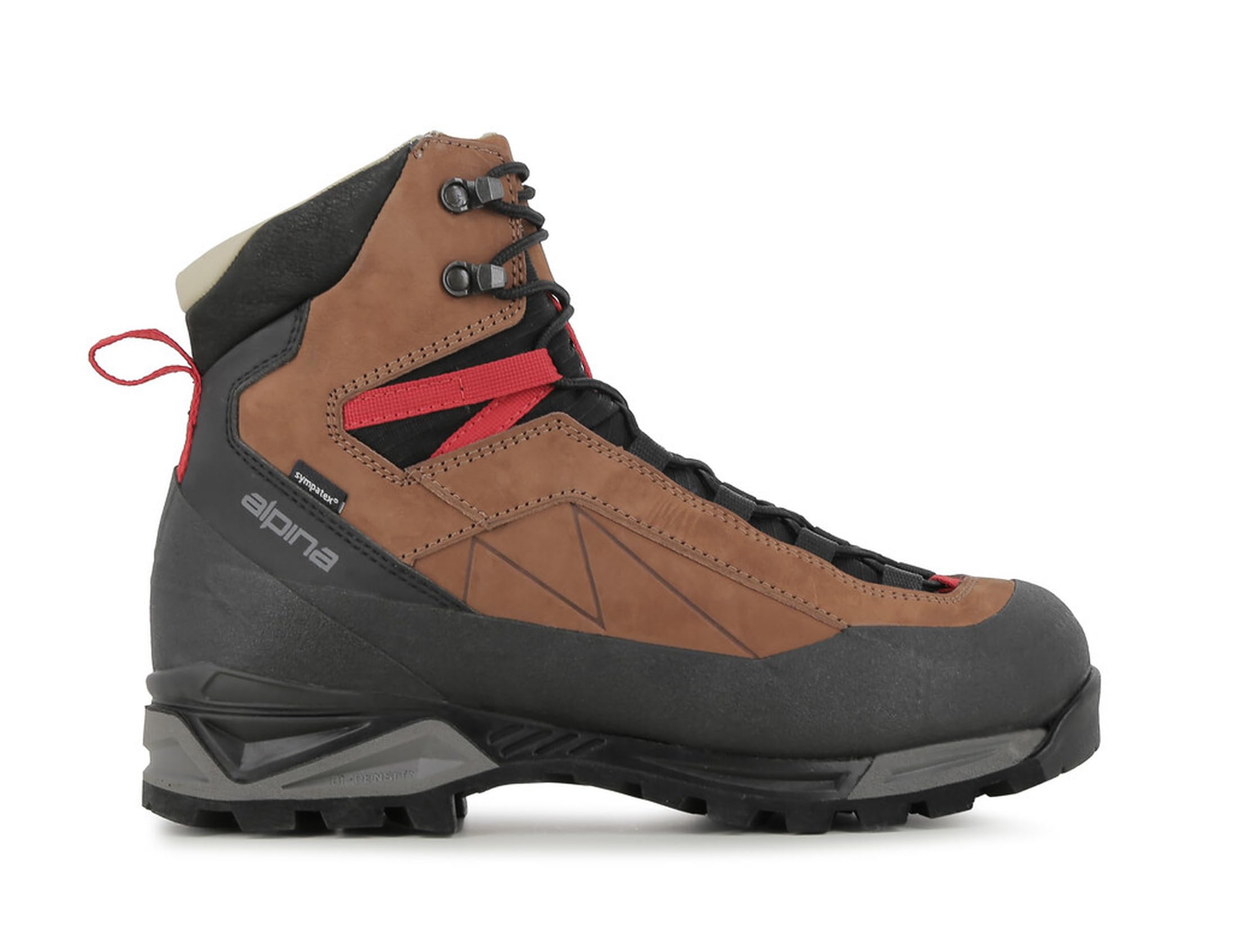
These boots rise just above the ankle, use fabric and suede panels, and flex more easily at the forefoot than classic trekking boots. That flex lowers effort on the long climbs from Lukla to Namche Bazaar and makes break in quicker. They breathe well on warm lower trails, which helps in April and September. Choose this type if a porter carries your main bag, your day pack stays under about 15 pounds, and your ankles are strong. Avoid it in deep winter, because thin uppers lose heat quickly.
Supportive High Cut Boots for Heavy Packs and Uneven Ground
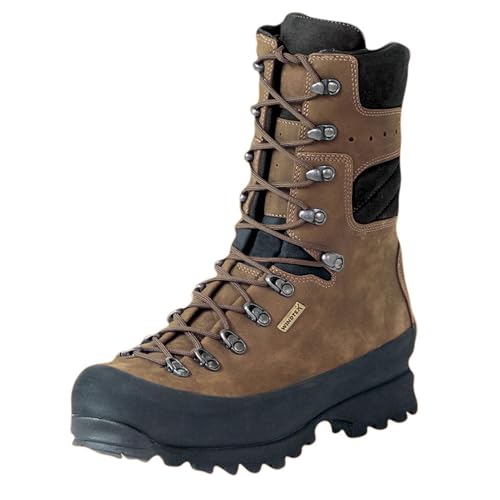
High cut boots wrap the ankle fully, use stiffer soles, and often use leather or dense synthetic uppers that resist scrapes from rock and moraine. The stiff platform spreads pressure on the stepped descent from Gorak Shep, and the tall collar limits rolling when a stone shifts underfoot. Choose this type if you carry your own full pack or have a history of ankle sprains. The trade off is weight and a longer break in.
Insulated Waterproof Boots for Winter and Cold Season Treks
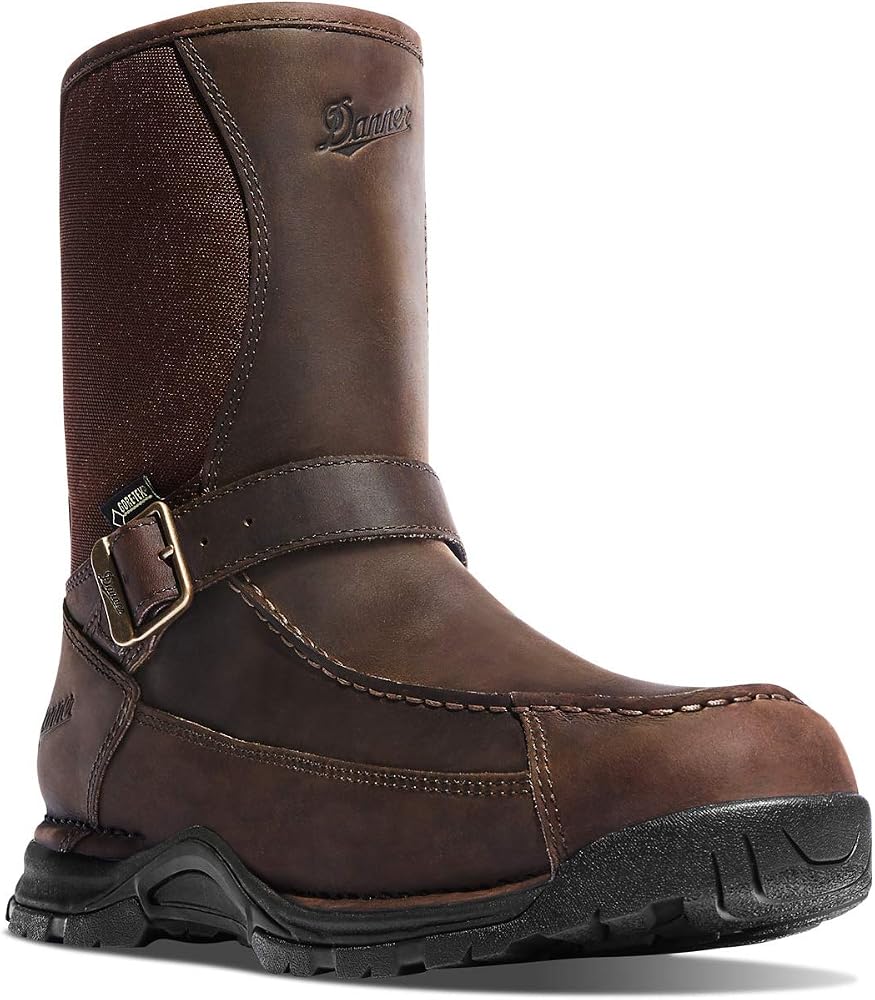
These boots pair a waterproof membrane with added insulation and a sole built for cold, hard ground. They protect against snow showers above Dingboche, melt water on the trail, and freezing mornings at Lobuche and Gorak Shep. Choose this type for December to February travel, or if your feet run cold even in thick socks. The trade off is poor breathability in warmer valleys, where sweat can build inside. For a mild autumn trek, this type is often more boot than you need.
How to Choose the Right Boot for Everest Base Camp
Work through support, grip, weather protection and fit in that order, because a boot that fails on any one of them can end a trek early. When you judge the best boots for everest base camp trek for your own feet, weigh the coldest and steepest day you will face, not the easiest first day out of Lukla.
Ankle Support and Boot Height on Stone Steps and Moraine
Ankle support comes from collar height, collar stiffness and how firmly the heel is held, not from height alone. A mid cut boot lets the ankle move, while a high cut boot resists sideways rolling on moraine and on the uneven steps below Namche Bazaar. Press the collar with your thumb in the store. If it folds flat with light pressure, it will offer little help when you tire late in the day.
Cushioning, Stiffness and Protection Underfoot
You need enough cushioning to soften stone steps for two weeks, plus enough stiffness to stop sharp edges pushing through the sole into your foot. A moderately stiff boot with a protective plate under the forefoot suits most trekkers, because fully soft soles ache on the rocky descent to Lukla and fully rigid soles feel harsh on flat stretches. Flex the boot by hand. It should bend at the toes and resist twisting along its length.
Outsole Traction for Dust, Rock, Snow and Ice
Traction on this trail changes by the hour, from dry dust to wet rock to a thin layer of snow near base camp. Look for deep, widely spaced lugs of about 4 to 5 mm that clear mud, a heel brake zone for descents, and rubber that stays grippy in cold weather rather than turning hard and slick. No boot sole replaces care on ice, so carry traction aids if you travel in winter and slow down on frozen sections.
Waterproofing, Warmth and Breathability at Altitude
A waterproof membrane keeps melt water and snow out, which matters most from Dingboche upward, but it also holds sweat in on warm lower trails. Insulation should match your coldest morning, not the warm shop where you try boots on. Persistent numbness, pale or hard skin on the toes, or blisters with spreading redness need prompt medical help, and a severe headache, vomiting, confusion or unsteady walking at altitude mean you should stop, descend and seek medical help. Talk with your clinician before the trek about your personal risks.
Fit, Sizing and Toe Box Room for Swollen Feet and Thick Socks
Fit your boots late in the day, wearing the socks you will trek in, because feet swell with heat, altitude and long walking. You need a thumb width of space in front of your longest toe so toes never strike the front on the steep walk down from Kala Patthar. The heel should lift only slightly, and the toe box should let toes spread on flat ground. Many trekkers go up half a size from town shoes, but shape matters more than the number.
Common Mistakes to Avoid
Most boot problems on this route are chosen at home, weeks before the flight to Lukla.
- Starting the trek in brand new boots invites blisters that can force you to stop before Namche Bazaar.
- Choosing low shoes for the full route leaves ankles exposed on moraine and toes cold above Dingboche.
- Sizing boots in thin socks in the morning leads to crushed toes once feet swell at altitude.
- Trusting a waterproof label while ignoring breathability leaves sweat soaked socks that chill fast at night.
- Carrying boots that are far heavier than your load requires wastes energy on every climb for two weeks.
- Ignoring a small heel rub during training walks allows it to become an open sore on the trail.
Care and Maintenance for Trekking Boots on the Trail
Each evening, loosen the laces, pull out the insoles, and let your boots air dry away from direct heat, because teahouse stoves can crack leather and soften glues if boots sit too close. Brush off dust and grit, shake out stones, and stuff the boots loosely with newspaper if they are damp inside.
After the trek, wash off mud with plain water, dry the boots slowly at room temperature, and renew water repellent treatment on the outer fabric or leather once they are clean. Check laces for fraying and soles for worn lugs or separation at the toe. Store boots in a dry place out of direct sun.
Boots for Everest Base Camp: Your Questions Answered
What features matter most in boots for the Everest Base Camp trek during cold months?
In cold months, warmth, a waterproof upper and compatibility with gaiters matter most. Gaiters keep snow and fine grit out of the collar, and a boot with a smooth upper and a secure top hook holds them in place. Also check that the toe area accepts a thicker sock without pressure, because cold toes often come from tight fit rather than from thin insulation alone.
How long is the break in period for Everest Base Camp trek boots?
Plan about three to four weeks of regular walking to break in trekking boots for this route. Start with short flat walks, then add hills, a loaded pack and at least two long descents, because downhill pressure reveals toe and heel problems that flat walks hide. If a hot spot still appears on your longest training day, the boot is not ready.
How often should I replace boots used for the Everest Base Camp trek?
Replace trekking boots when the midsole feels dead, the lugs are worn smooth at the heel, or the upper splits at the flex point. For many walkers that arrives after about 500 to 800 miles, though hard moraine can shorten it. A useful home check is to stand on an edged step. If you feel the edge clearly through the sole, the cushioning has thinned too much for another long rocky trek.
Are expensive boots worth it for the Everest Base Camp trek?
Expensive boots are worth it only when the extra cost buys better fit, a sturdier sole or warmer construction that matches your season. Price alone does not predict comfort on this trail. Some trekkers rent sturdy boots in Kathmandu for a single trip, which can make sense if the fit is checked carefully. Never rent or buy on price without a long indoor walk and a stair test first.
How should boots fit for the Everest Base Camp trek with a loaded pack?
Boots for this trek should feel secure at the heel, roomy at the toes, and free of pressure points once your pack is on. Test the fit on stairs and on a ramp if the shop has one, wearing your loaded pack, because added weight pushes the foot forward on descents. Lace the lower section snugly and leave the top hooks slightly looser on climbs. That small adjustment reduces shin pressure without letting the heel slip.
The Bottom Line
Choose the boot type for your season and load first, then insist on a held heel, room to descend, real tread depth and weather protection that matches the coldest village on your route. No single type suits every month on this trail, and fit beats any label or price claim.
Compare the product table above once more, then shortlist the best boots for everest base camp trek that meet those points in your size. Train in the pair you choose, and your boots will become the least of your worries on the way to base camp.