
Best Boots for Ems Workers in 2026: Matching the Right Model to Your Routine
Disclosure: We may earn a commission when you buy through links on this page, at no extra cost to you. As an Amazon Associate I earn from qualifying purchases. Learn more

Discover the best boots for ems workers for your needs. We match features to real use cases so you avoid overpaying and get the right fit the first time.
There is no single boot that suits every EMS shift, because your station, call mix and foot shape change what matters most. The best boots for ems workers match your daily tasks first, from long waits on concrete to wet driveways at night. Use the comparison table below to weigh grip, entry speed, fluid resistance and support.
A boot that feels fine in a store can fail by hour ten if the toe box tightens as your feet swell or the sole slips on a hospital ramp. This guide groups buyers by real EMS work and explains each feature in plain terms.
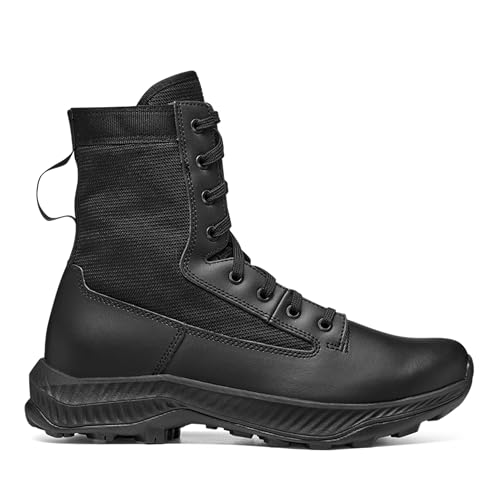


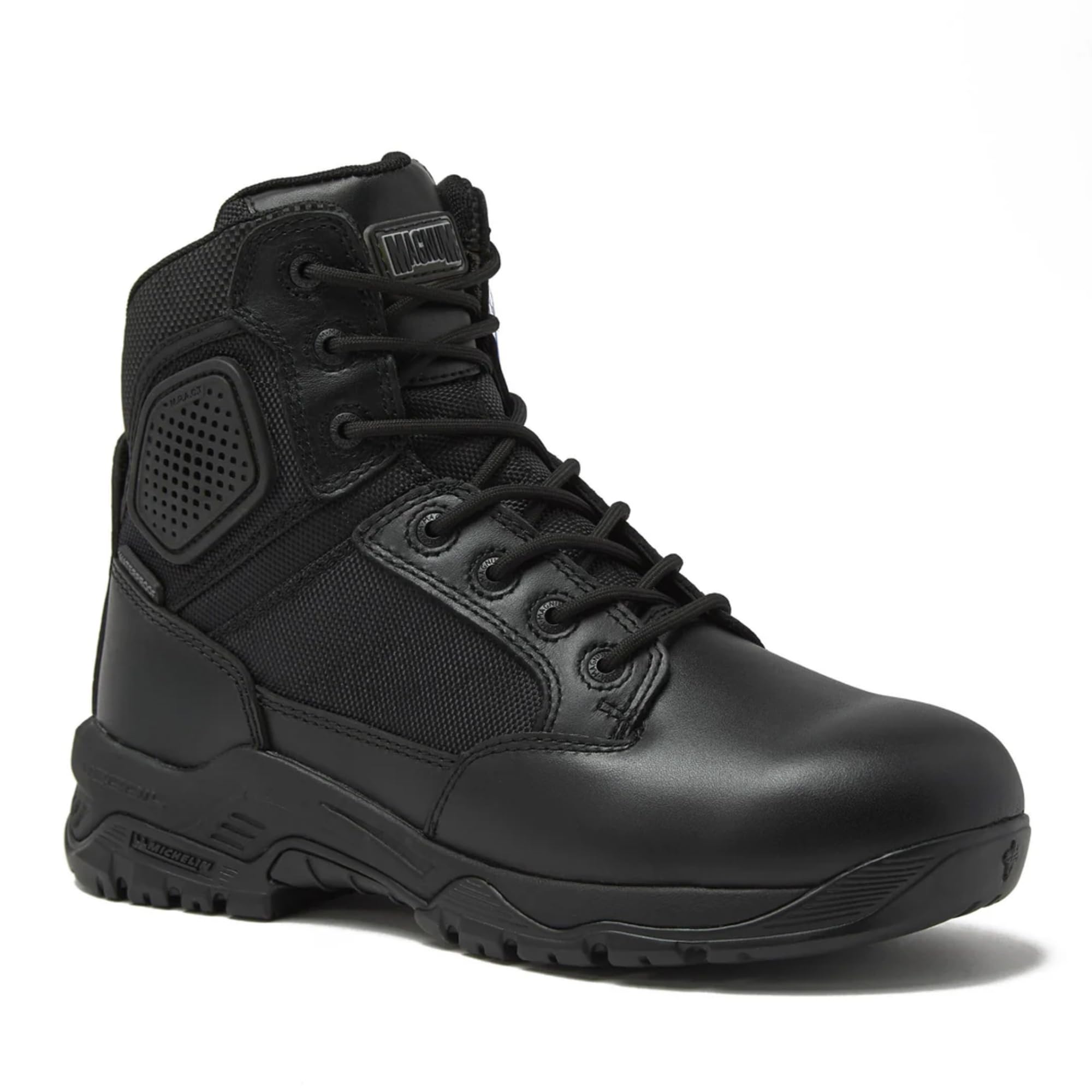


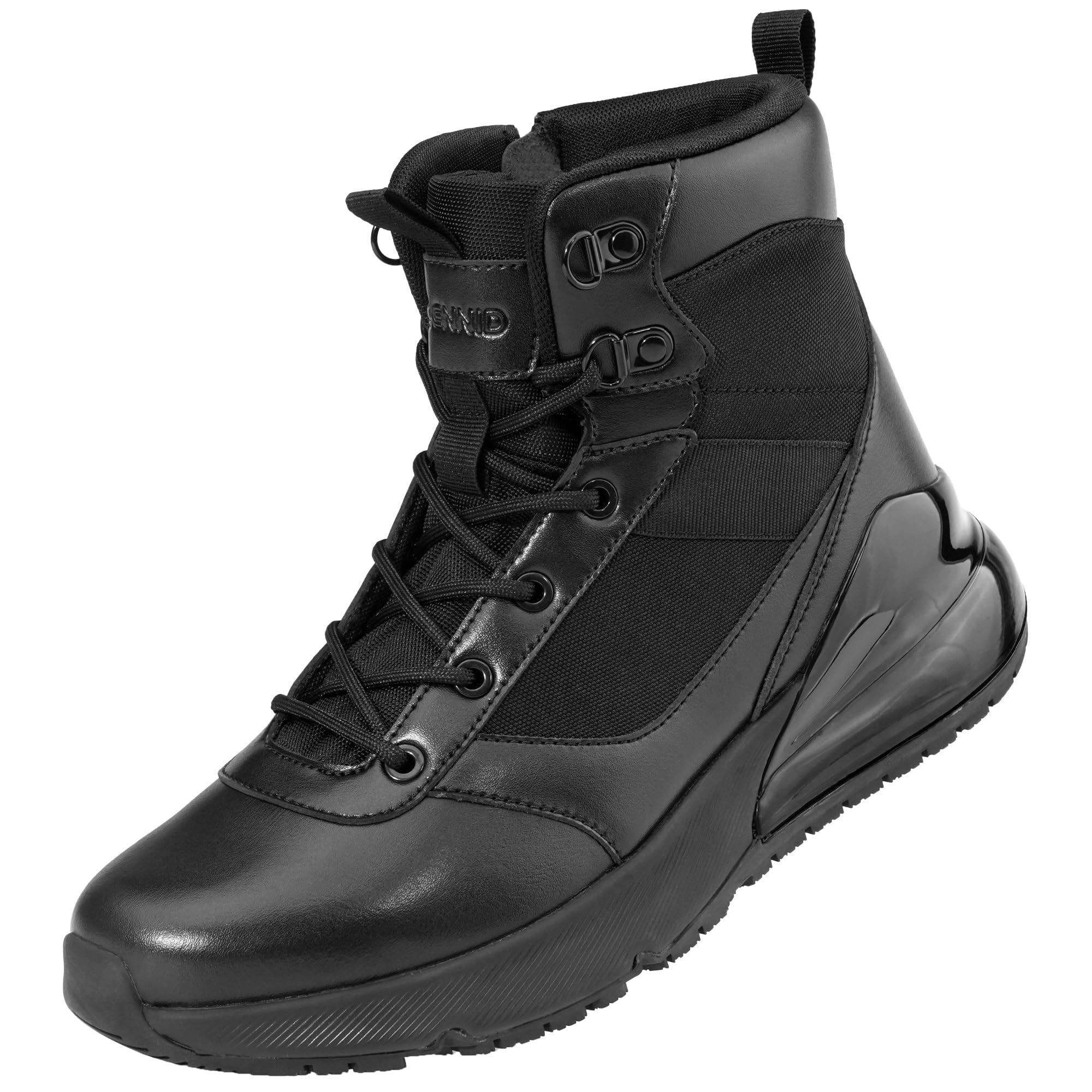
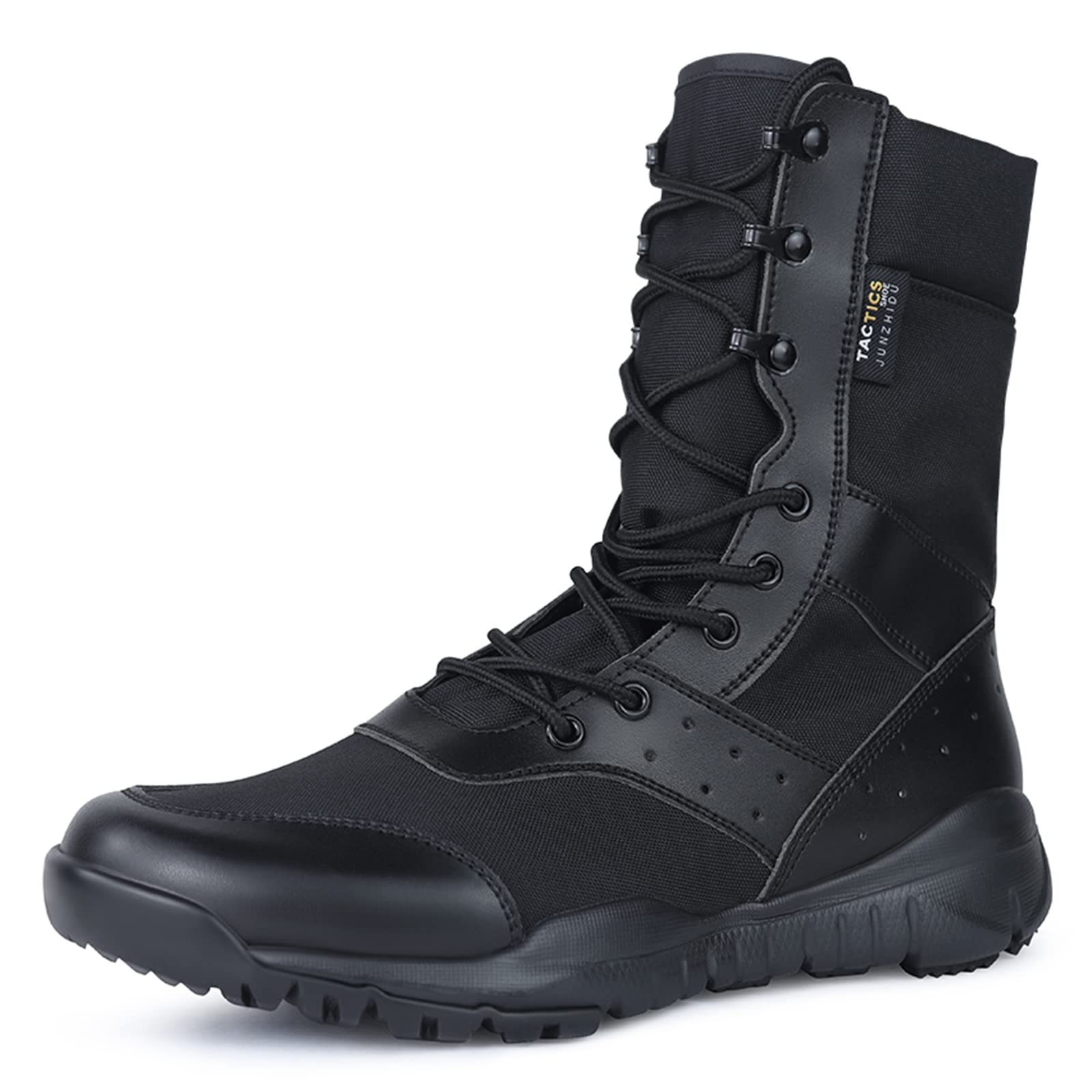
Who Should Buy Which Boots for EMS Workers?
Start with the work you do most often, not the work you imagine once a year. A busy city crew faces different ground, fluids and waiting time than a rural crew that carries gear over gravel.
Ambulance Crews Who Stand and Wait on Hard Floors
Your shift mixes short bursts of lifting with long stretches of standing in bays, hallways and emergency departments. Prioritize deep cushioning, firm arch support and a sole that grips sealed floors when they are wet. A moderate heel to toe drop of about 8 to 12 mm suits many crew members who stand more than they walk.
Paramedics Who Need Fast Entry During Night Calls
When tones drop while you rest, you need boots that go on in seconds without a loose fit later. Look for a side zip paired with laces you set once, so entry stays fast and the ankle stays snug. A fluid resistant upper wipes clean after contact with blood or vomit, and light weight helps during repeated lifts.
Rural and Rescue Crews Who Work on Uneven Ground
You may carry a patient across wet grass, gravel or a muddy shoulder, often while rain soaks the ground. Prioritize ankle stability, a lugged outsole and a waterproof membrane that keeps socks dry during long extrications. A wider toe box helps when feet swell under load, and a closed tongue design keeps grit out.
Key Features to Compare
Compare features in the order your shift will test them: grip first, then fluids, support, fit, entry and weight. That order helps you judge the best boots for ems workers by daily risk rather than by looks or price alone.
Slip Resistance and Outsole Grip on Wet Floors
Your outsole meets diesel, rain, mop water and loose gravel in a single shift, so tread design matters more than tread depth alone. Look for soft rubber with many small edges that bite on smooth wet tile and wide channels that clear water as you step. If most of your standing is on sealed concrete, see our guide to the best boots for concrete workers for more detail on soles built for hard flat floors.
Fluid Resistance, Waterproof Membranes and Breathability
Full grain leather and coated synthetic uppers resist splashes and wipe clean, while open mesh panels can hold fluid and odor after a messy call. A waterproof membrane such as Gore Tex keeps rain and puddle water out, yet it also slows heat loss on hot summer shifts. Breathable leather suits dry climates and mostly indoor work, where heat matters more than standing water.
Support That Holds Up Through Long Shifts and Patient Carries
Arch support spreads load across your foot during long stands and patient carries. Flat feet often feel better with firmer support and a stable heel cup, while high arches often need more cushioning under the forefoot. A heel to toe drop of about 8 to 12 mm eases calf strain for many workers. See a clinician promptly if you notice numbness that does not fade, sores that do not heal, or heel pain that changes how you walk, and ask your clinician about personal needs.
Fit, Sizing and Toe Box Room Over a Long Shift
Feet swell as a shift goes on, so a snug morning fit can turn painful by evening. Try boots late in the day, wearing your duty socks, and leave about 10 to 15 mm of space ahead of your longest toe. Your heel should lift only slightly, and the toe box should let your toes spread under load. Readers who need women specific lasts can see our guide to the best women's ems boots for sizing notes shaped around narrower heels.
Closures, Ankle Height and Stability on Stairs
Laces give the most precise fit across the instep, while a side zip adds speed once you set the lace tension. Ankle heights of about 6 to 8 inches support the joint on stairs, curbs and uneven shoulders, and a padded collar reduces rubbing at the Achilles. Stability also comes from a firm midsole that resists twisting when you pivot with a stretcher.
Boot Weight, Safety Toes and Uniform Rules
Lightweight shoes and boots reduce leg fatigue across hundreds of steps per shift, and most duty pairs weigh about 2 to 4 pounds in total. A safety toe adds protection for rescue work and vehicle extrication, but it also adds weight and can feel cold in winter. Composite toes weigh less than steel and conduct less cold, and many services require a plain black polishable toe, so confirm your uniform policy first.
How to Check Boot Fit Before Your First EMS Shift
Measure both feet in the evening, because the larger foot shows its true size only after a day of standing. Stand in duty socks, trace each foot on paper, and compare the length with the maker size chart rather than trusting your usual shoe size. Then walk and crouch to check that your heel stays seated and your toes never strike the front.
Break in a new pair in stages instead of saving it for your longest shift. Wear the boots at home, then for station chores, and only then for a full shift. Watch for hot spots at the heel and the little toe, since those spots show where volume or lace tension needs adjusting.
Finish the check in full duty gear, because added load changes how a sole flexes. If you are comparing closure styles, see our guide to the best ems boots for a closer look at zip and lace options.
Common Mistakes to Avoid
These errors are easy to make when you shop between shifts, and each one shows up later on duty.
- Buying by appearance alone leaves you with a polished boot that slips on the first wet ramp.
- Trying boots on in the morning with thin socks hides the tight fit you will feel by the end of a shift.
- Choosing a safety toe your service does not require adds weight that tires your legs on every stair climb.
- Ignoring fluid resistance means porous mesh holds contamination that simple wiping cannot remove.
- Wearing a new pair for a full long shift at once turns small hot spots into blisters that change how you walk.
Care and Maintenance for Boots Used on EMS Shifts
Clean your boots after any call that leaves fluid, mud or road salt on the upper, and follow your service protocol for contaminated gear. Wipe leather with a damp cloth and mild soap, rinse soles so grit does not grind into tread edges, and let the pair air dry away from direct heat.
Rotate two pairs if you work back to back shifts, because foam needs about a day to recover its cushion and damp linings need time to dry. Replace worn insoles when cushioning feels flat, and brush dirt from zips so they keep moving freely. Retire a pair when tread edges round off, since grip loss is a safety issue.
Boots for EMS Workers: Your Questions Answered
What features matter most in boots for EMS workers?
Grip and fluid resistance matter most, because a fall or a contaminated upper can end a shift early. After those two, rank support and entry speed by your call mix. One check many buyers skip is working the zip and laces while wearing exam gloves, since controls that feel easy with bare hands can feel clumsy on scene.
How should boots for EMS workers fit at the start of a shift?
Boots for EMS workers should feel snug at the heel and midfoot, with clear space at the toes, at the start of a shift. That balance leaves room for swelling without letting your foot slide forward on ramps. Use lace tension in zones: firmer over the midfoot, slightly looser at the top hooks.
Are expensive boots for EMS workers worth the cost?
Expensive boots for EMS workers are worth the cost only when the extra money buys a better membrane, a more durable upper or a sole that grips longer. Basic pairs at about $80 to $130 can suit station based work, while pairs at about $130 to $200 often add waterproofing and stronger leather. Spread over hundreds of shifts, a small price gap matters less than early replacement.
How long is the break in period for EMS work boots?
The break in period for EMS work boots usually runs about 20 to 40 hours of wear. Stiff leather models sit at the long end of that range, while soft synthetic models often feel ready sooner. Judge readiness by an hour of standing plus stair work with no hot spots, not by store feel.
Can EMS workers wear boots for a full 24 hour shift?
Yes, EMS workers can wear boots for a full 24 hour shift if the fit, support and sock plan are right. Change into dry socks at least once, because damp fabric raises friction and blister risk during night calls. Loosen laces while you rest at the station so circulation stays free, then retighten before you respond.
The Bottom Line
Put grip, fluid resistance and fit ahead of style, and let your call mix decide the rest. City crews gain most from cushioning and sealed floor traction, night crews from fast entry, and rural crews from ankle support and waterproofing.
When you judge best boots for ems workers by those tests, the right pair is the one you forget about during a call. Use the product table above to confirm size options, closure style and price.


