
Best Boots for Elk Hunting Colorado: A Season and Terrain Guide for 2026
Disclosure: We may earn a commission when you buy through links on this page, at no extra cost to you. As an Amazon Associate I earn from qualifying purchases. Learn more

Choose the best boots for elk hunting colorado by season, elevation and pack weight, with insulation, sole, waterproofing and fit advice.
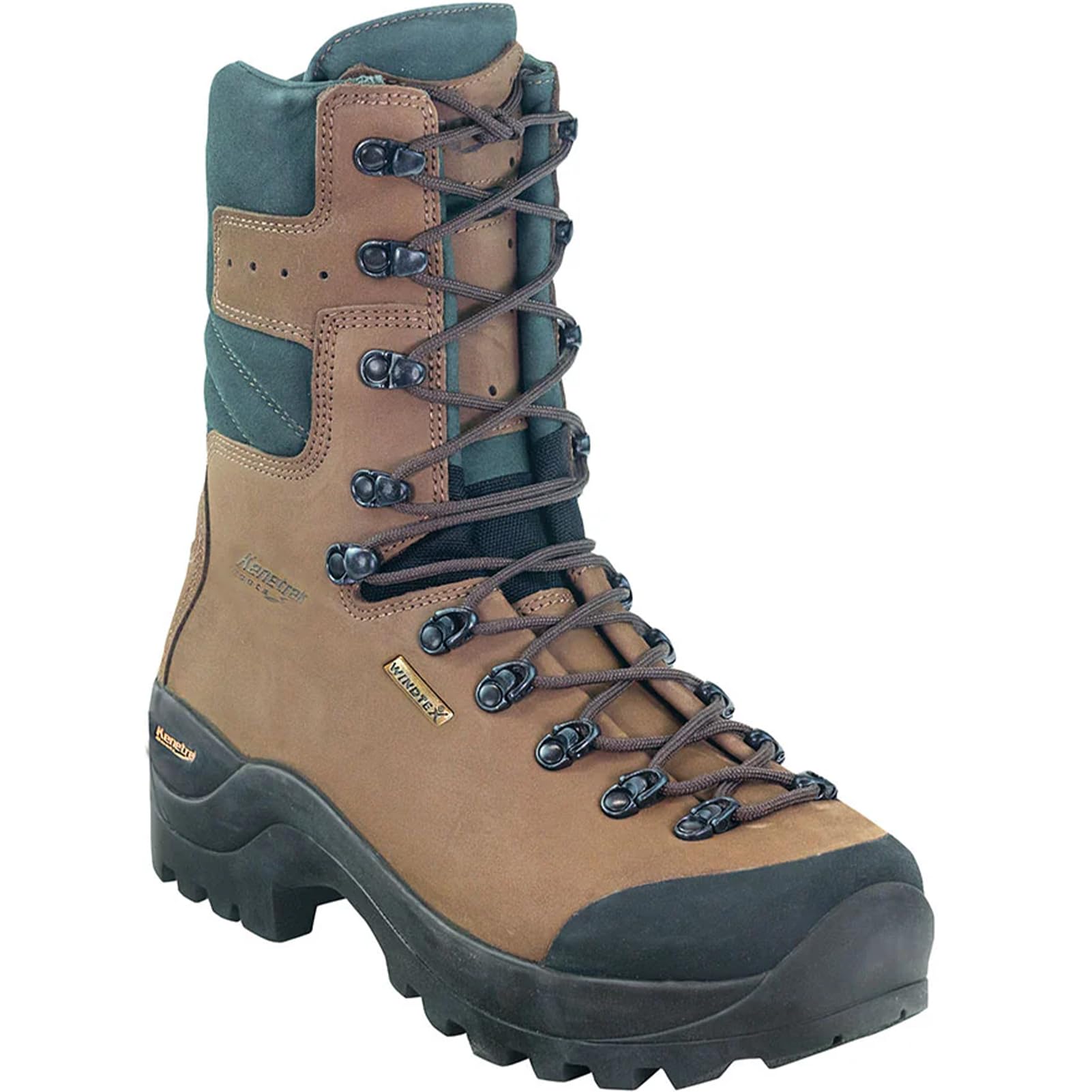
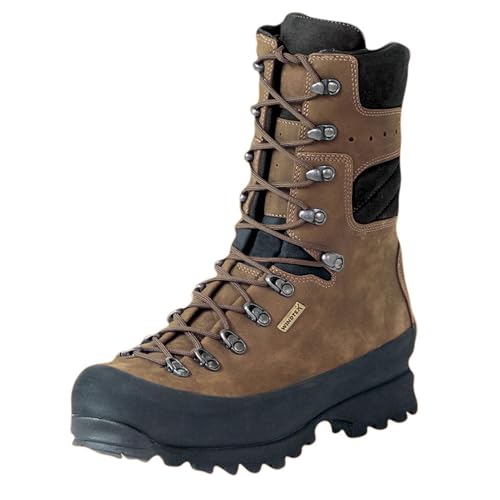
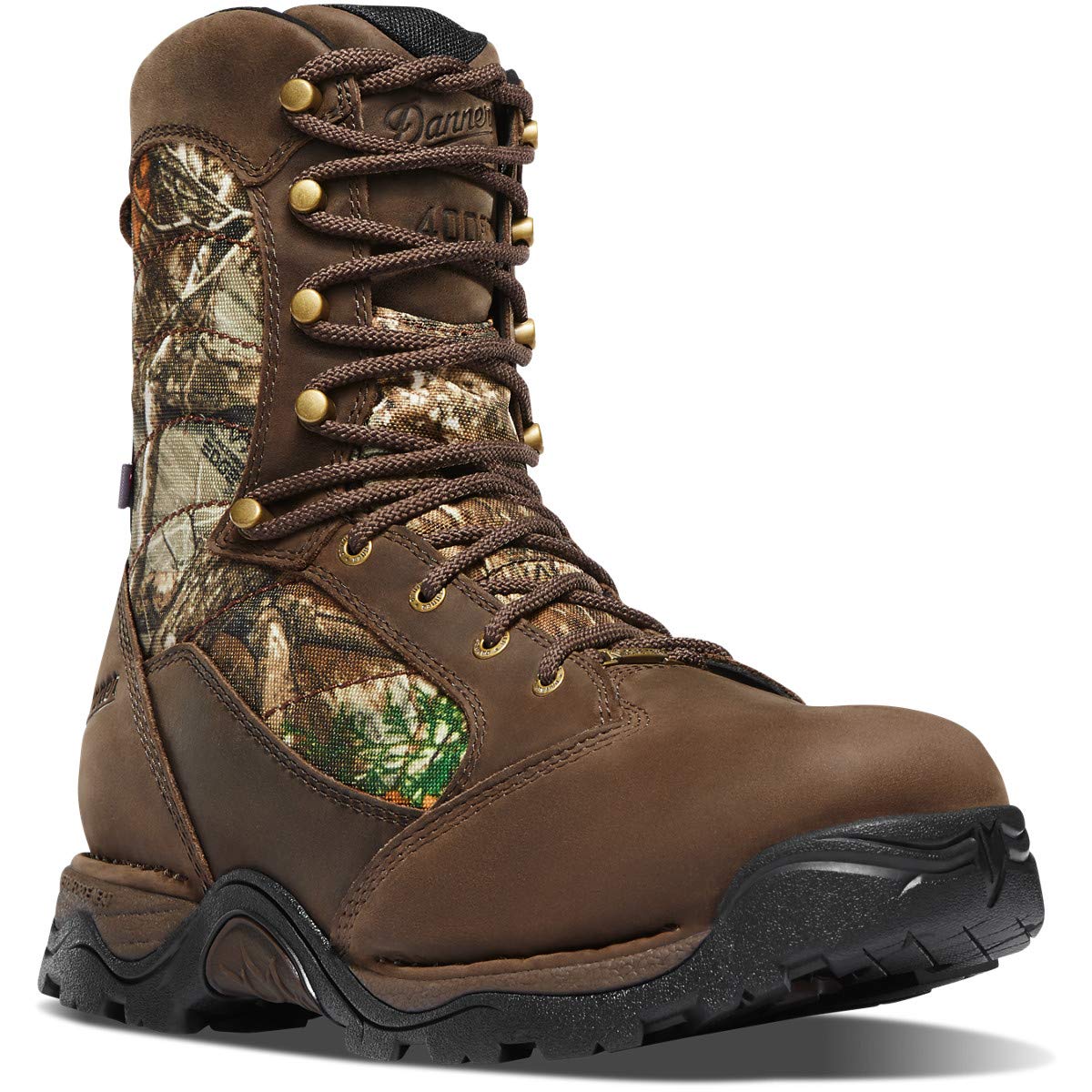
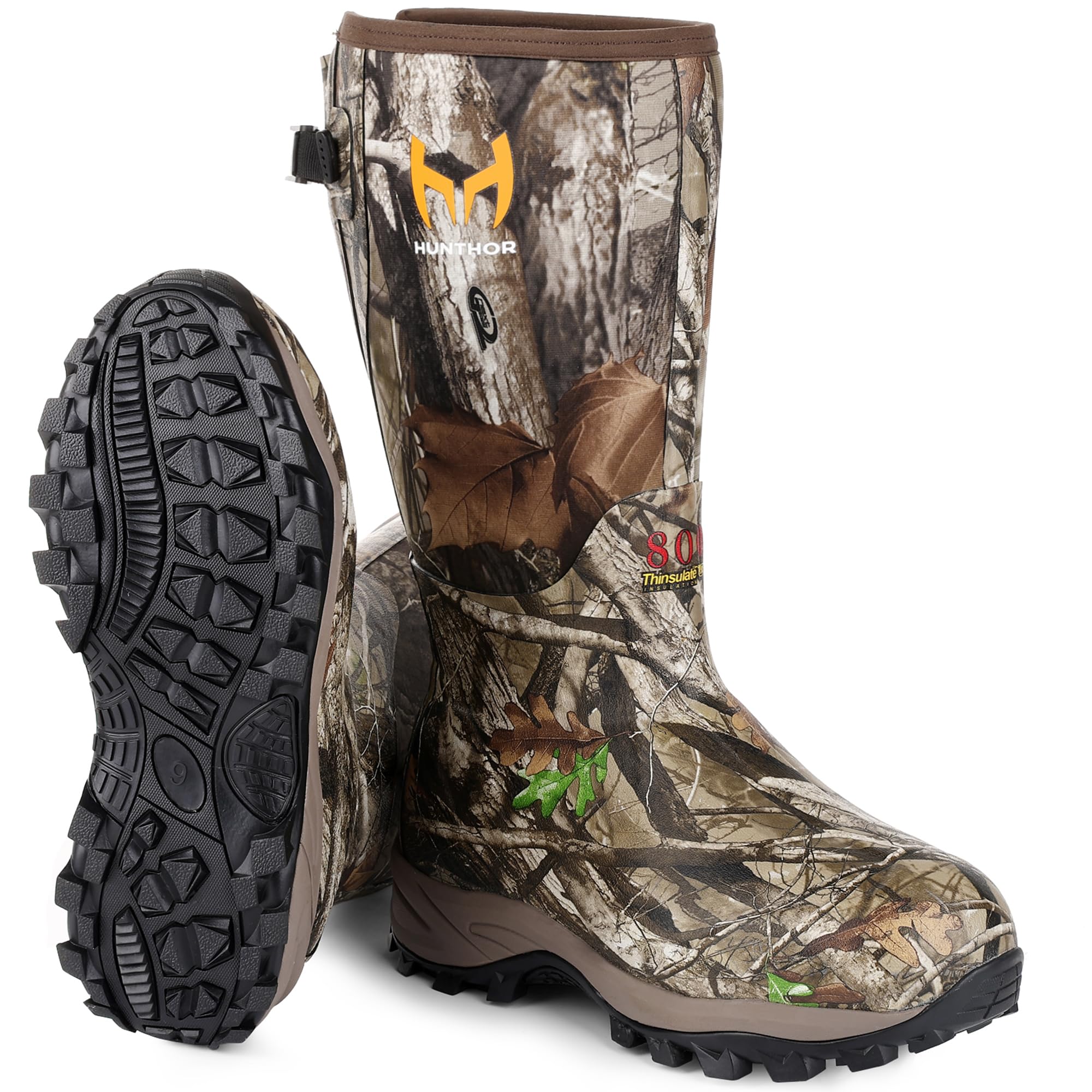
A Colorado elk hunt asks a lot from your feet: steep timber, loose scree, early season heat and late season snow, often with a pack of meat on your back. The best boots for elk hunting colorado match the elevation, the month you hunt and the miles you cover, not a single catalog name. Use the comparison table below to line up insulation, shaft height and sole stiffness against your own plan.
Colorado units run from about 6,000 feet in the sage foothills to well past 11,000 feet in the high country, so conditions change fast. This guide sorts boots by season and terrain, then explains the features that matter most when you are miles from the trailhead.





Who Should Buy Which Boots for Elk Hunting in Colorado?
Start with your season and how you hunt, because a September archery boot and a November rifle boot are very different tools.
Early Season Archery Hunters Chasing Bugling Bulls
September days can reach the 70s at midday and drop below freezing before dawn. You need a breathable boot with little or no insulation, about 0 to 200 grams, plus a waterproof liner for dewy grass and creek crossings. A quiet sole matters when you stalk within bow range, so favor rubber that does not click on rock.
Late Season Rifle Hunters Working Snowy Ridges
October and November bring snow, ice and long periods of sitting on a glassing ridge. Choose 400 to 1,000 grams of insulation, a tall shaft of about 8 to 10 inches, and a sole that grips packed snow. Still hunting in deep cold favors the warmest insulation, while hunters who keep moving can use a lighter weight.
Backcountry Hunters Packing Out Heavy Loads
A quartered elk can add 60 pounds or more to your frame. A stiff shank, firm heel counter and supportive midsole keep your ankles steady under that weight on steep ground. Pay extra attention to fit, because swollen feet on a long pack out turn small hot spots into blisters.
Key Features to Compare in the Best Boots for Elk Hunting Colorado
Insulation Weight for Colorado Temperatures
Insulation is listed in grams. Uninsulated or 200 gram boots suit early archery and active hunting in mild weather. Around 400 grams covers most of the season for hunters who keep moving. At 800 to 1,000 grams you gain warmth for still hunting and cold mornings, but you also risk sweating, and damp feet get cold fast. Pick the amount for your coldest regular day, then manage the rest with socks.
Waterproofing and Breathability
Wet snow, creek crossings and dew-soaked meadows all test a boot. A waterproof membrane keeps water out, while leather uppers with a treated finish shed light moisture and breathe better. Rubber hunting boots stay completely dry at the top of the shaft but feel clumsy on steep, rocky ground. Match the upper to how wet your unit really gets.
Sole Stiffness, Traction and Support
Elk country rewards a stiff sole. Flex a boot by hand: it should bend near the toes and resist twisting through the middle. Deep, widely spaced lugs of about 4 to 6 mm bite into loose soil and shed mud. Ankle height also matters, since taller shafts of 8 to 10 inches limit rolling on side slopes and keep debris out. Compare the details in our guide to the best hunting boots for elk hunting for more on shaft height and weight.
Fit, Sizing and Toe Room on Long Descents
Fit boots late in the day with the socks you will hunt in. Leave about a thumb width in front of your longest toe, because feet slide forward on long downhills and bruised toenails end hunts early. The heel should lift only slightly. Break boots in for at least two weeks of hiking before opening day.
Weight and Expected Lifespan
Every extra pound on your feet costs energy across thousands of steps at altitude. Lighter synthetic boots weigh less but wear faster on sharp rock, while full grain leather lasts several seasons and can often be resoled. Decide how many miles you hike each fall, then weigh weight against durability.
Boot Types for Colorado Elk Country
Lightweight Hiking Style Hunting Boots
These resemble trail boots with hunting-friendly colors and quiet soles. They suit early archery and day hunts on open ground. They give less warmth and less shaft protection, so they are a poor match for deep snow. See our guide to the best hiking boots for elk hunting for that approach.
Insulated Leather Mountain Boots
The workhorse for most Colorado hunters. A leather upper, waterproof liner, 400 to 800 grams of insulation and a stiff midsole handle everything from October ridges to light snow. They weigh more and cost about $250 to $550, but they carry heavy packs well. European-style makers such as those in our guide to the best Crispi boots for elk hunting favor a precise fit and resoleable construction.
Rubber and Neoprene Boots for Wet Ground
Neoprene-lined rubber boots keep feet dry in marsh, creek bottoms and wet snow. They are warm for sitting but heavy and unsupportive for climbing, so they suit stand hunting and flat ground more than steep ridges. Prices commonly run about $100 to $280.
Colorado Specific Tips
Altitude, dry air and big temperature swings change how boots feel. Feet swell at elevation, so size with room to spare. Dry air also hardens leather, so condition it before the season. Check your unit's terrain before you decide: best hunting boots for Colorado covers lower-elevation hunts in more detail. Always carry a spare pair of dry socks in your pack.
If you develop numbness, pale or waxy skin, or blisters with spreading redness during a hunt, warm up, get off the mountain and seek medical care. Talk with your clinician before a high-altitude trip if you have circulation concerns.
Common Mistakes to Avoid
- Buying maximum insulation for September archery hunts leaves you sweating, and damp socks make cold mornings worse.
- Skipping break-in before opening day turns a long first climb into a blister problem.
- Choosing a soft, flexible sole for heavy pack-outs makes your arches and ankles ache.
- Sizing in thin socks leaves no room for heavy wool socks at 10,000 feet.
- Drying wet boots next to a campfire cracks leather and weakens the glue holding the sole.
Care and Maintenance
Pull the insoles out each night and let boots dry at room temperature, stuffed loosely with paper or dry grass. Brush off mud, condition leather as the maker suggests and renew waterproofing when water stops beading. Check lugs, laces and stitching before each season, and store boots in a cool, dry place with the shafts upright.
Frequently Asked Questions
How much insulation do I need for elk hunting in Colorado?
Most hunters do well with 400 grams for active hunting in October and November. Choose 800 to 1,000 grams if you sit for hours on cold ridges, and 0 to 200 grams for September archery. Your activity level matters more than the temperature printed on the box.
Are waterproof boots necessary for Colorado elk hunts?
Yes for most hunts. Creek crossings, wet grass and fall snow soak unprotected leather fast, and cold wet feet can end a trip. If you hunt dry, warm early season ground, a breathable boot with a treated upper may feel cooler.
How long is the break-in period for hunting boots?
Plan on two to four weeks of hiking in your boots before the hunt, including a few miles with a loaded pack. Stiff leather mountain boots take longer than lightweight models. Pressure that returns in the same spot after several outings signals a fit problem, not a normal break-in stage.
How should elk hunting boots fit?
They should hold your heel with little lift, leave about a thumb width ahead of your toes and feel roomy across the forefoot with thick socks. Try them on a slope or stairs and check that your toes do not hit the front on the way down.
How often should I replace elk hunting boots?
Replace them when the midsole feels dead, the lugs are worn smooth or the membrane leaks. For regular hunters that is often after several seasons of hard use, while resoleable leather boots can last much longer with repair.
The Bottom Line
Choose insulation for your coldest day, waterproofing for your wettest unit and a stiff sole for your heaviest pack. Fit comes first, since no feature rescues a boot that hurts at mile eight. Use the product table above to compare shaft height, insulation and price, then pick the best boots for elk hunting colorado that suit your season and break them in well before opening morning.


