
Best Boots for Early Walkers in 2026: Everything to Know Before Your First Purchase
Disclosure: We may earn a commission when you buy through links on this page, at no extra cost to you. As an Amazon Associate I earn from qualifying purchases. Learn more

Learn how to choose the best boots for early walkers, with plain guidance on fit, flexible soles, toe room, traction, closures and toddler comfort.
Buying boots for a child who has just started walking differs from buying shoes for an older child. The best boots for early walkers protect small feet outdoors while still letting those feet bend, grip, and learn balance. This guide starts with the basics and walks you through each choice in plain language, so you can use the comparison table below with confidence.
Early walkers are usually toddlers taking their first independent steps, often between about 12 and 18 months, though the range varies a lot. Their steps are wide and unsteady, and a good boot respects that instead of treating a toddler foot like a small adult foot.
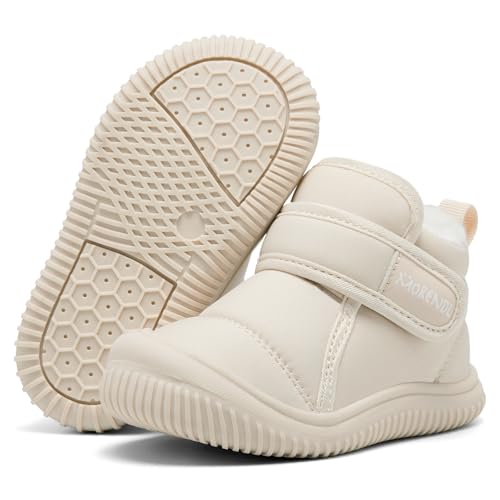


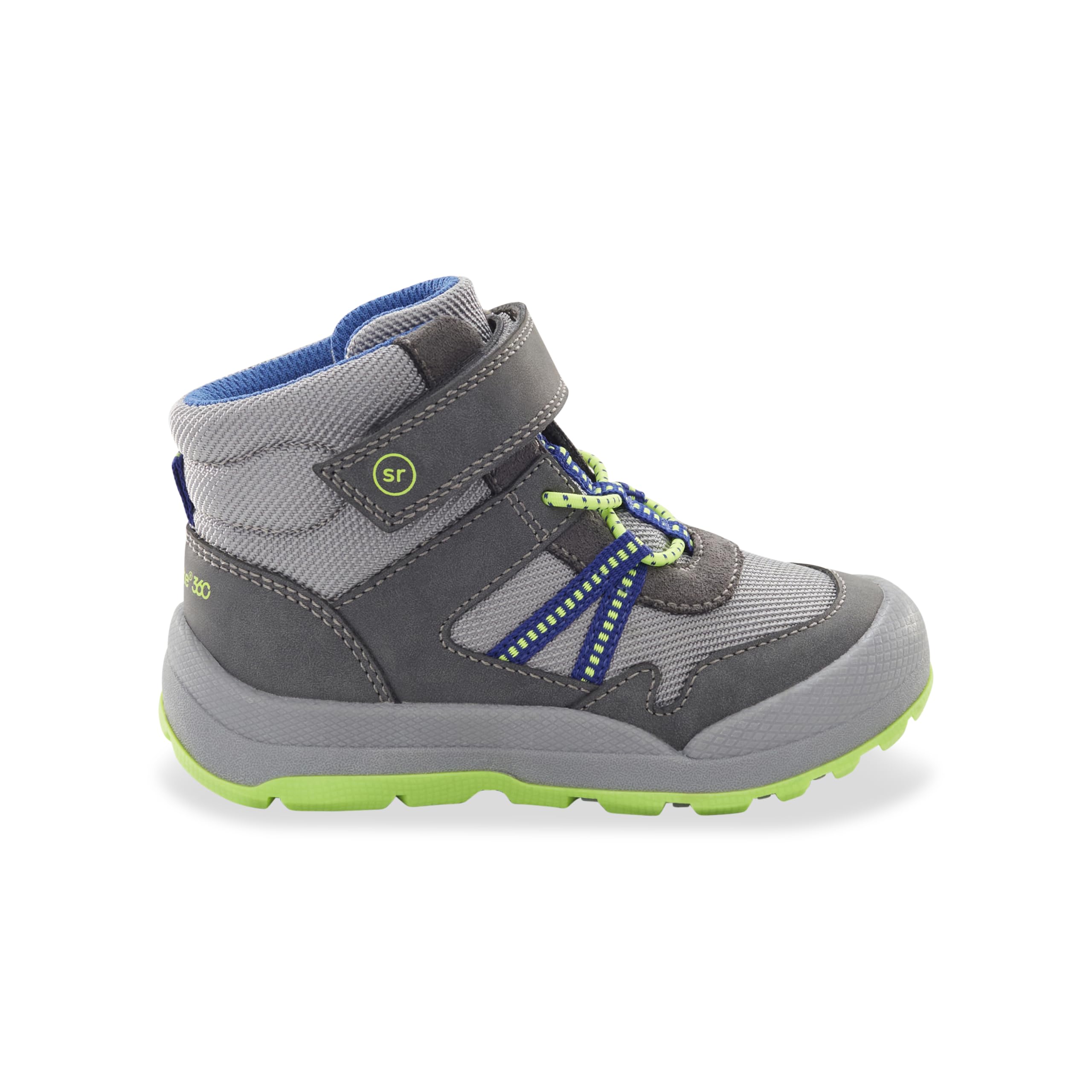

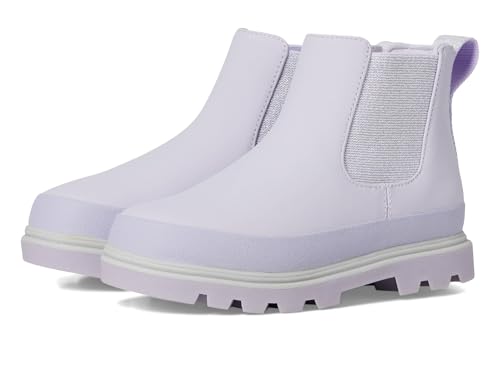
Who Should Buy Which Boots for Early Walkers?
Start with the stage your child is at this month, not next season. Boots that suit a confident toddler on gravel can slow a child who took first steps last week.
Toddlers Taking First Steps Outdoors
If your child walks a few steps alone and still crawls part of the time, choose the softest and lightest boot you can find. The sole should bend easily in your hand, and the ankle should stay low and flexible so your child can squat, stand, and recover from wobbles. Boots at this stage are for short outings on pavement or short grass.
Toddlers Walking Confidently on Uneven Ground
If your child walks across the yard, climbs small slopes, and rarely crawls now, you can choose a boot with a slightly firmer sole and deeper tread. Garden paths, playground wood chips, and wet grass ask more of the outsole than a smooth sidewalk does. A secure strap matters more now, because active toddlers kick and pull at footwear.
Toddlers Who Spend Cold Days Outside
If your family walks daily in cold or wet weather, look for a taller boot with a warm lining and a water resistant upper. For deep snow days, see our guide to the best snow boots for early walkers, and for general cold weather wear, see our guide to the best winter boots for early walkers. Buy these closer to the season, because a boot bought months ahead may be outgrown before the first snowfall.
Key Features to Compare
When you compare best boots for early walkers, work through the five factors below in order. Fit and flexibility matter more than color, brand, or extra padding.
A Flexible Sole With a Near Flat Heel to Toe Drop
The sole is the most important part of the boot. A toddler learns balance through the feel of the ground, so the sole should bend at the ball of the foot when you flex it by hand and twist gently without feeling stiff. Look for a heel to toe drop that is near flat, meaning the heel sits at about the same height as the toes. Thick cushioning and a raised heel make each wobble harder to correct.
Fit, Sizing, and a Wide Toe Box
Measure both feet while your child stands, and buy for the larger foot. You want about a thumb width of space, roughly half an inch, between the longest toe and the end of the boot, plus a toe box wide enough for toes to spread flat instead of curling. Toes that can splay help your child grip and balance. Check that the heel stays in place, because growing space belongs at the front, not behind the heel.
Watch fit and walking comfort closely as your child grows. If you notice persistent limping, one foot turning in sharply, frequent pain or swelling, refusal to bear weight, or a loss of walking skills your child already had, those signs need a doctor or another qualified professional. Talk with your pediatrician about your child and their personal needs rather than relying on footwear changes alone.
A Lightweight Build and a Free Moving Ankle
Heavy boots tire small legs fast and change how a toddler lifts each foot. A lightweight pair lets your child step, turn, and climb with a gait that stays close to barefoot walking. The ankle area should support without locking the joint in place, so soft padding and a flexible collar beat a tall stiff shaft at this age. Toe dragging or extra tripping in boots points to weight or stiffness.
Outsole Traction for Floors, Grass, and Pavement
Traction should grip without grabbing. Look for a rubber outsole with shallow, flexible tread across the whole foot, which holds on wet pavement and playground surfaces while still letting your child pivot. Very smooth soles slide on tile and wet leaves, while deep rigid lugs belong on adult hiking boots and can catch on carpet edges. A sole that wraps slightly up at the toe protects against stubs and scuffs.
Upper Materials, Breathability, and Closures That Stay On
Soft leather and flexible knit or mesh uppers move with the foot and let air circulate, which suits daily wear in mild weather. This matters because toddler feet sweat and overheat in fully sealed boots. For closures, wide hook and loop straps are the practical choice, since you can open the boot fully, settle the heel, and adjust the fit over thick socks. In warm months, feet often do better with open footwear, so see our guide to the best sandals for early walkers for hot weather days.
How to Measure Toddler Feet and Check the Fit at Home
Measure in the late afternoon, when feet are at their largest, and measure with the socks your child will wear in the boots. Have your child stand on paper with weight on both feet, mark the heel and the longest toe, and measure that line for each foot. Repeat the check every two to three months, because toddler feet grow fast.
Once the boots arrive, do the standing check again before the first outing. Your child should be able to wiggle the toes, the widest part of the foot should not bulge against the sides, and the boot should stay on through a short indoor walk and a squat. If your child is not yet walking alone, boots can wait, and you can see our guide to the best boots for new walkers for that earlier stage. Start with short outings of about 15 to 20 minutes so you can spot rubbing early.
Common Mistakes to Avoid
Most first purchase regrets come from the same short list of errors.
- Buying a size up for growing room leaves the foot sliding inside, which causes trips and blisters.
- Choosing a stiff, heavy boot for durability slows a new walker and changes how the foot lands.
- Trusting shoe size alone skips the standing measure, so the boot arrives too narrow for wide toddler toes.
- Putting boots on a child who cannot walk alone yet adds weight that makes those first steps harder.
- Keeping snug boots after toes reach the end presses on growing feet and shortens comfortable walking time.
Care and Maintenance for Toddler Boots
Brush dried mud from the soles and uppers after outdoor play, and check the tread for small stones that can scratch floors. Undo the straps fully when you take boots off, because pulling a boot off a flexed foot stretches the opening and loosens the fit over time. Inspect the inside weekly for grit or rough seams that could rub skin.
Air dry wet boots at room temperature away from direct heat, with the straps open and paper loosely inside to hold the shape. Heat from a radiator or dryer can stiffen leather and warp soles. Wash fabric uppers only as the maker directs, and let boots dry fully before the next outing, since a damp lining smells quickly and can irritate skin.
FAQ
What features matter most in boots for early walkers taking first steps outdoors?
Flexibility and fit matter most for first outdoor steps. Before you buy, do the hand test in the shop or at home: the boot should fold at the ball of the foot with light pressure from one hand. A boot you can barely bend will not bend under a toddler who weighs very little, so ground feel and balance practice suffer.
Are expensive boots worth it for toddlers who are early walkers?
Expensive boots are worth it only when the extra cost buys flexibility, a wide toe box, and secure adjustable straps. Toddlers outgrow sizes fast, often within a few months, so a high price for fashion details returns little. Many sound pairs cost about $30 to $60. Spend on the fit factors first, and let a lower price win when two pairs meet them equally well.
How often should boots for early walkers be replaced as feet grow?
Check the fit monthly and expect replacement whenever the toe space falls below about a quarter inch. Growth comes in spurts, so a boot that fit in spring can press by midsummer even if it looks new. Watch for red marks on toes after a walk, since they can signal that the size, not the child, is the problem.
Do boots for early walkers need a break in period?
No, boots for early walkers should feel comfortable from the first wear and need no break in period. Stiff footwear that needs weeks of softening suits adult feet and adult weight, not a toddler learning balance. If a pair rubs, pinches, or leaves marks during a short indoor trial, exchange the size or choose a softer pair instead of waiting for the material to give.
When do early walkers need waterproof boots instead of breathable boots?
Early walkers need waterproof boots when outings regularly involve puddles, slush, or wet snow that soaks through fabric in minutes. For ordinary damp grass or light drizzle, a water resistant upper with quick drying socks is usually enough and stays more breathable.
Wrapping Up
Choose by stage, fit, and flexibility. Measure both feet standing, leave a thumb width at the toes, pick a sole that bends in your hand, and keep the boot light. Use the product table above to compare sizes, weights, and prices against those points.
When you shop for best boots for early walkers with that short checklist in mind, the right pair is the one your child forgets about while walking. Start with short outings, recheck the fit each month, and size up as soon as the toes tell you it is time.


