
Best Boots for New Walkers in 2026: Types Compared and How to Choose
Disclosure: We may earn a commission when you buy through links on this page, at no extra cost to you. As an Amazon Associate I earn from qualifying purchases. Learn more

First steps need flexible soles and wide toe boxes. See how the best boots for new walkers compare on fit, traction and weather protection.
Boots for a child who has just started walking are not small versions of adult boots. A new walker needs a sole that bends, room for toes to spread, and a boot light enough to lift without tripping. The best boots for new walkers protect small feet outdoors while letting balance and foot strength develop, and the comparison table below compares the main types.
Start with where your child will wear the boots most. Soft flexible boots suit short outings and mild weather, while waterproof and warm lined types suit rain, cold and snow.
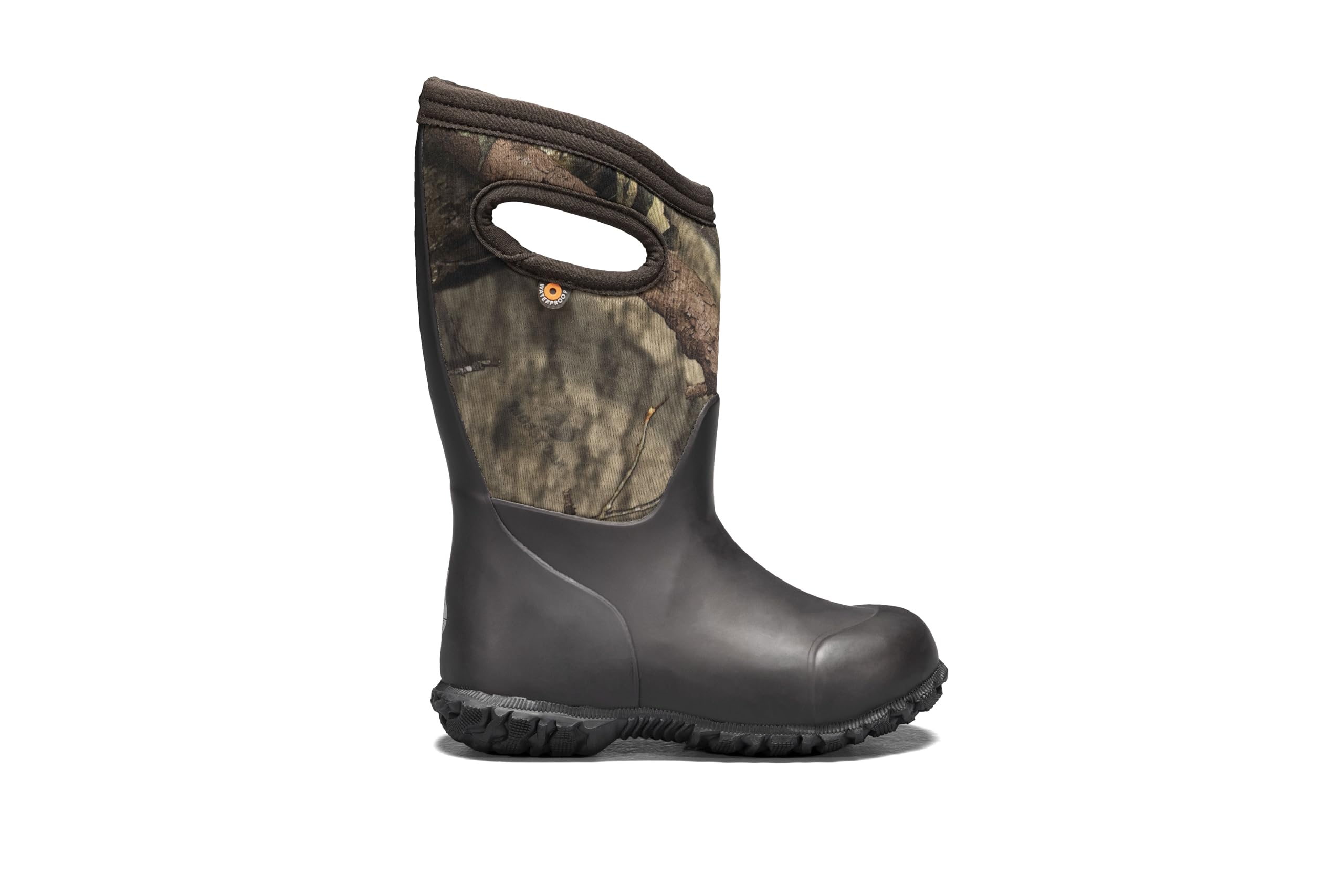

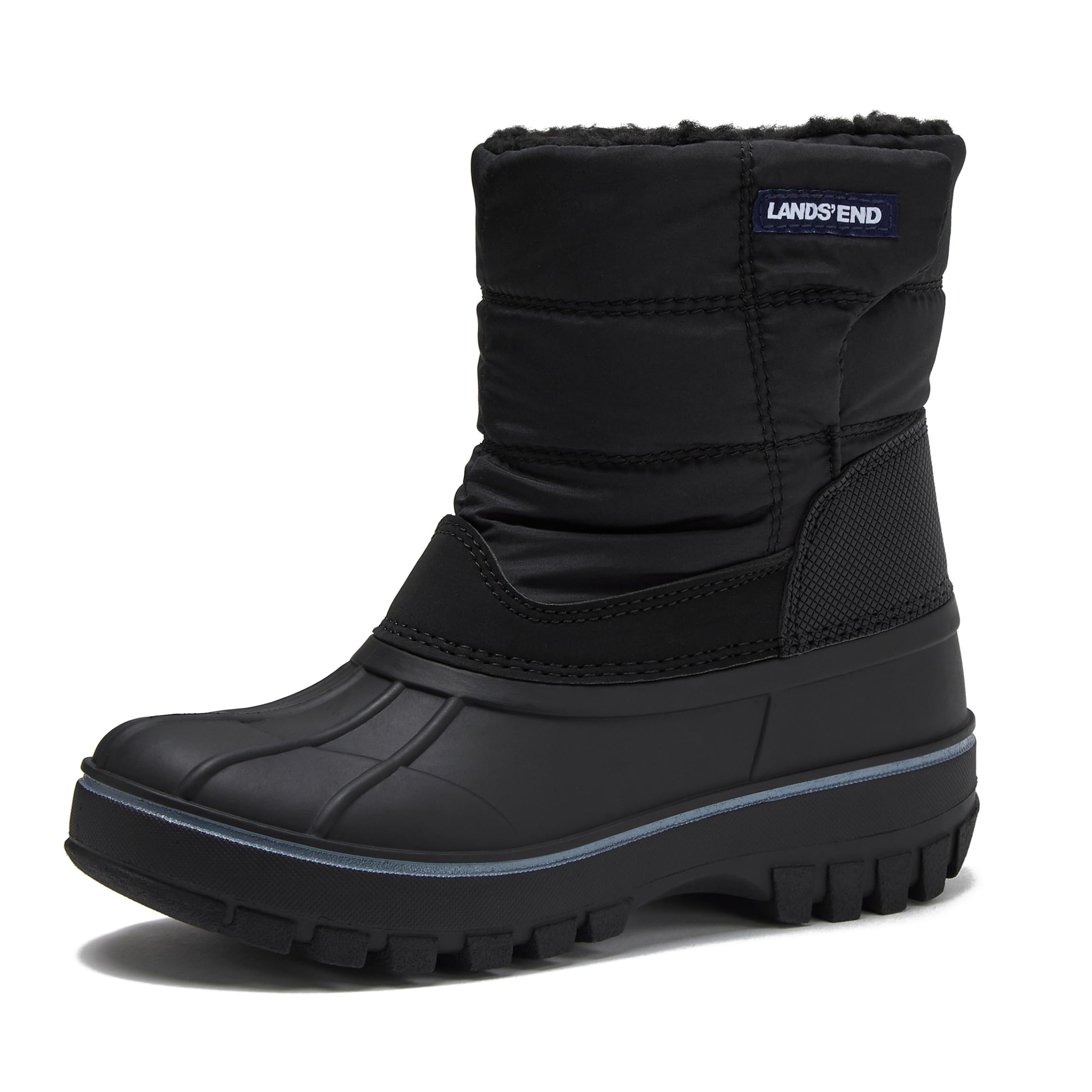


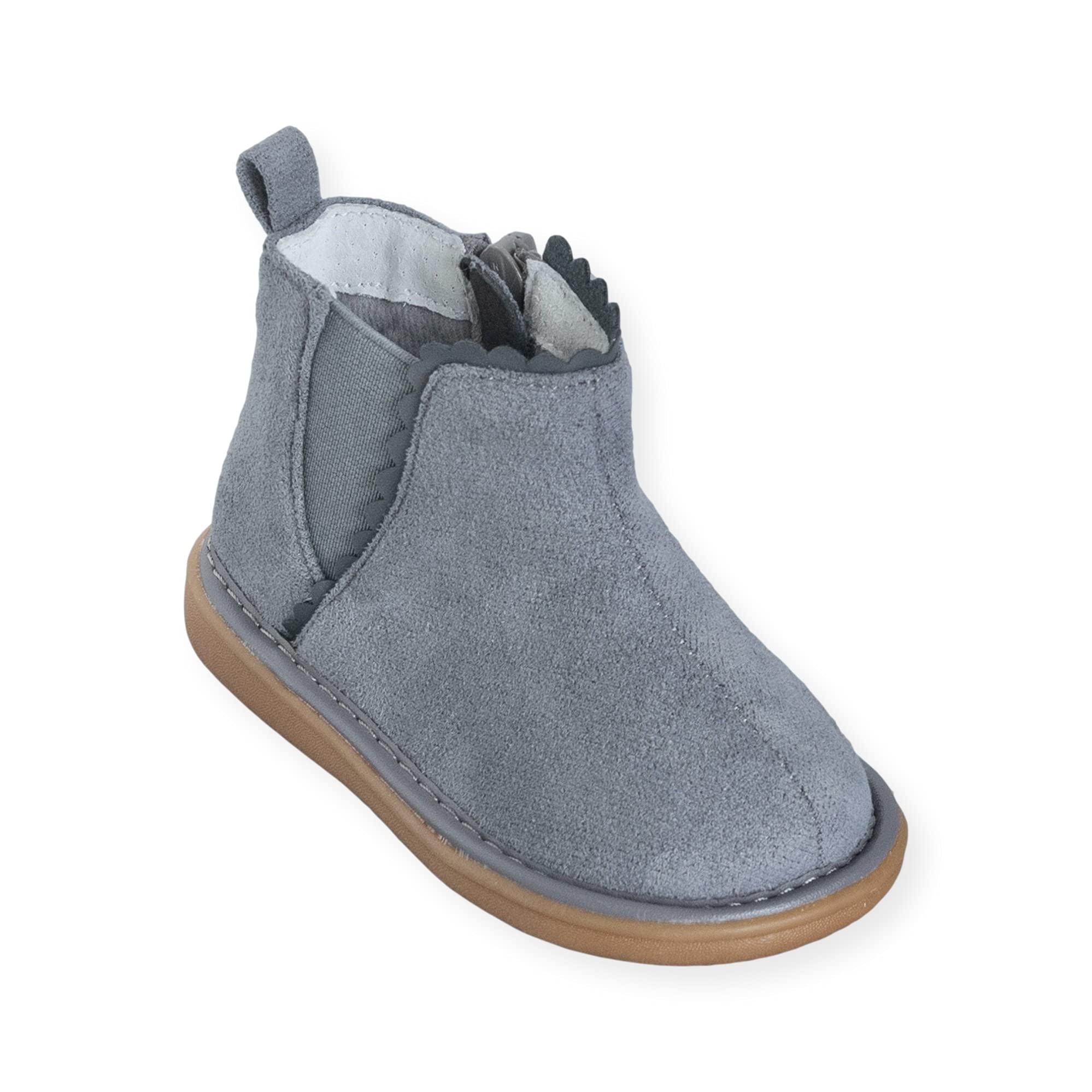

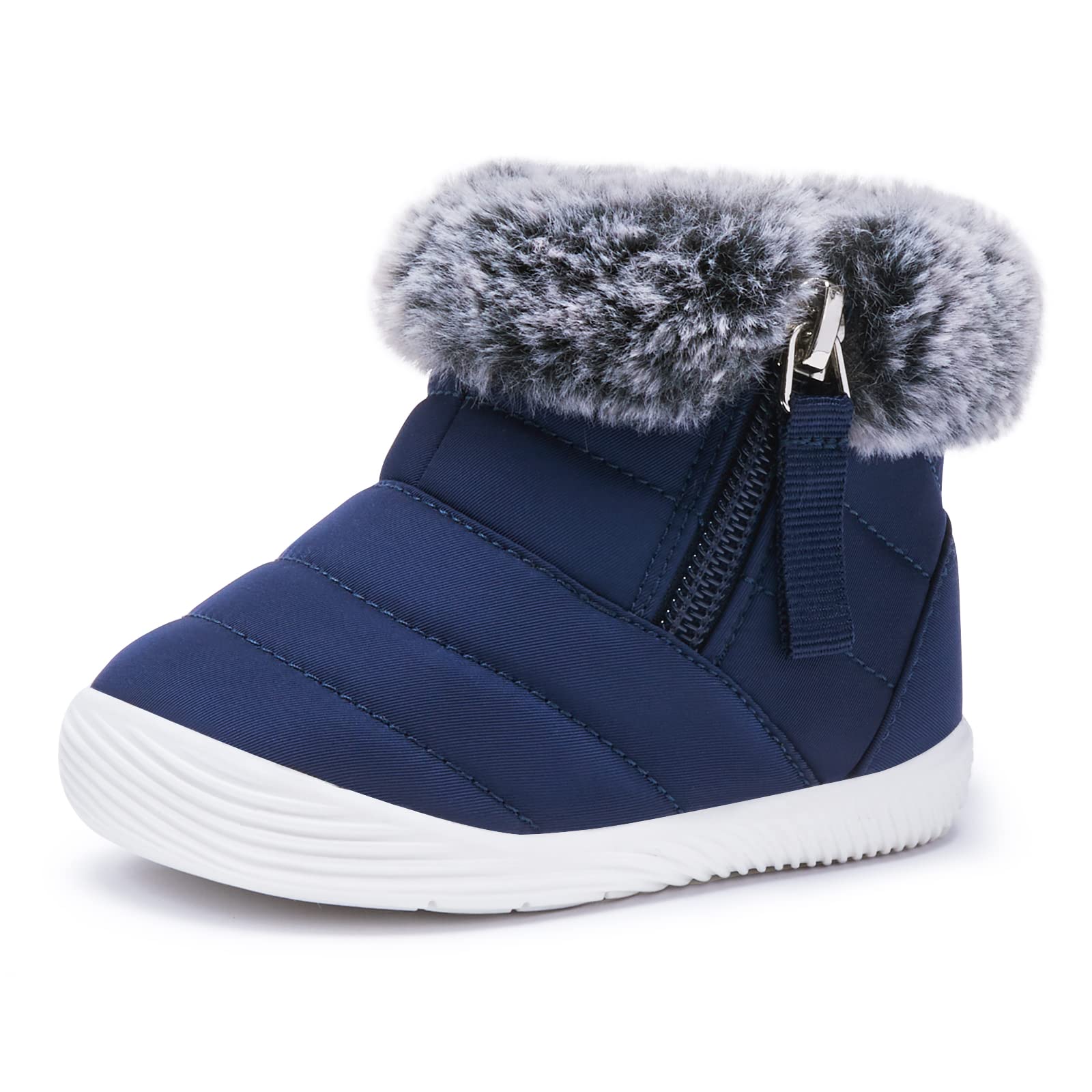


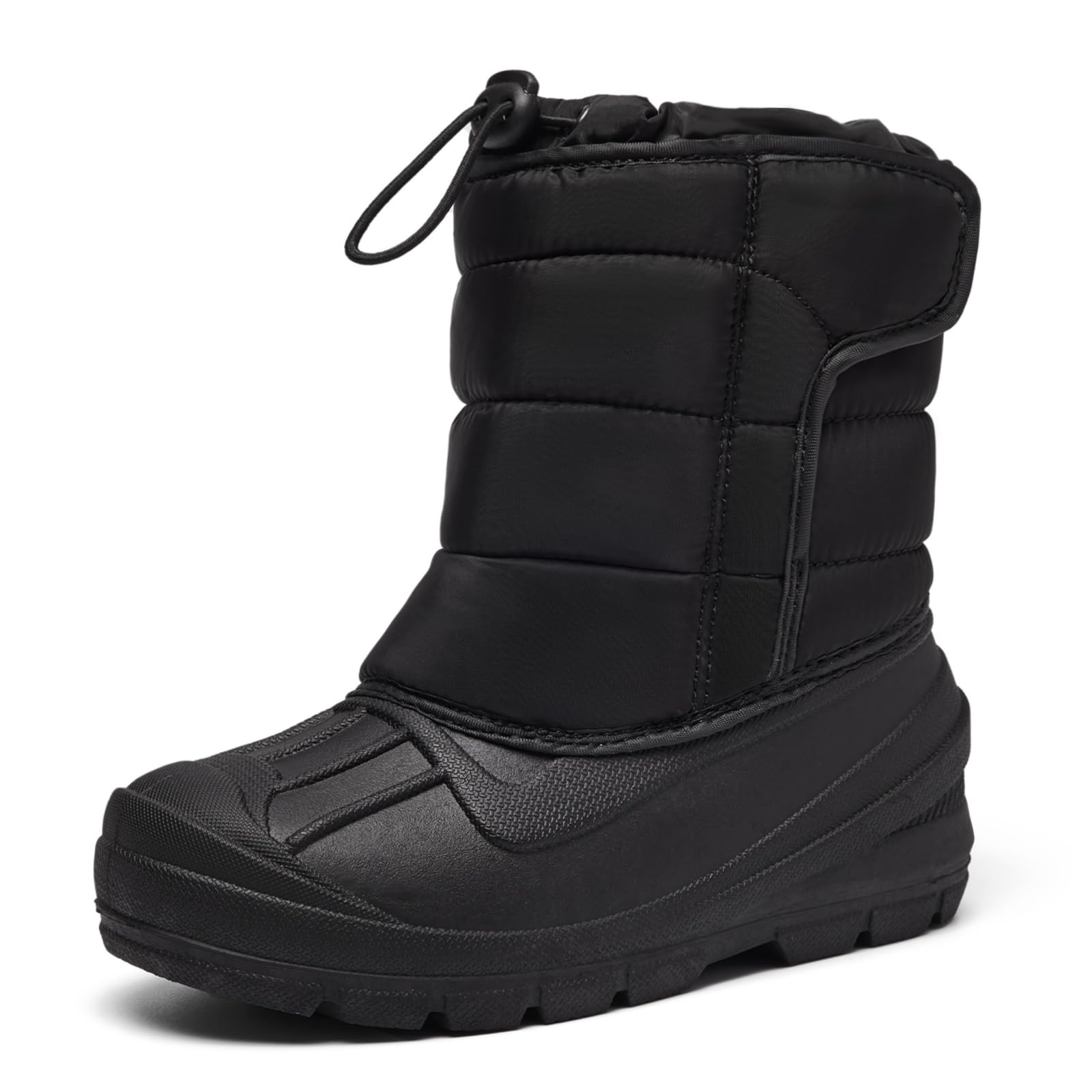
Types of Boots for New Walkers Compared
Four boot types cover most new walkers, and they differ mainly in sole stiffness, weight and weather protection. If a boot will not bend easily when you press it, it is unlikely to suit a child still learning to balance.
Soft Flexible Boots for Early Steps
Soft flexible boots have a thin sole that bends at the ball of the foot and an upper that moves with the ankle. They feel closest to bare feet, which helps a child sense the ground and adjust each step. Choose them for dry days, short walks and children who still crawl part of the time. They soak through in rain, and most cost about $20 to $40.
Waterproof Boots for Rain and Snow
Waterproof boots use a sealed membrane or a coated upper to keep water out, while a rubber sole grips wet pavement. They suit puddles, wet grass and light snow, where a soft boot would leave socks damp. Check that the sole still bends, because some waterproof models are built stiff for older children. Most cost about $35 to $65.
Lightweight Boots for Everyday Outings
Lightweight boots pair a thin rubber outsole with a light fabric or soft leather upper, giving more protection than a soft boot without much extra weight. A heavy pair can make a tired toddler catch a toe on the ground. This type suits daily walks, playgrounds and travel on pavement and grass. Most cost about $25 to $50.
Warm Lined Boots for Cold Weather
Warm lined boots add fleece or similar insulation around the foot, with a wide opening that fits over thick socks. They suit cold dry days when a child rides in a stroller and walks in turns. Look for real tread, because smooth soles slide on frosty pavement. For deep snow, see our guide to the best snow boots for new walkers, and for cold days without snow, see our guide to the best winter boots for new walkers.
Waterproof Boots or Lightweight Boots for New Walkers: Which Should You Choose?
Choose waterproof boots when wet ground is your main problem and lightweight boots when most walks are dry. Waterproof pairs keep socks dry and clean up well after mud, but they feel warmer and cost more. Lightweight pairs bend more easily and suit longer play, but they let water in. Many families keep one of each, saving the waterproof pair for wet days.
How to Choose the Right Boots for a New Walker
When you shop for best boots for new walkers, work through fit and sole checks in the shop rather than trusting the size on the box. A child who cannot yet say where a boot pinches shows it by sitting down or pulling at the boot.
Flexible Sole and Low Heel to Toe Drop
The sole should bend where the toes bend, not only in the middle, and twist a little when you wring it gently. A flat sole with almost no heel to toe drop keeps the foot level, which helps a new walker balance without tipping forward. Thick cushioning is not the goal, because a thin sole lets the child feel the ground.
Wide Toe Box and Room for Toe Movement
A wide toe box lets toes spread and grip inside the boot, which is part of how a new walker stays upright. The front should follow the shape of the foot, broad and rounded, rather than tapering to a point. Press over the toes to feel where the longest toe ends, and check that smaller toes are not curled.
Outsole Traction for Floors, Pavement and Grass
The outsole needs enough grip to stop sliding on smooth floors, yet not so much grip that the foot sticks and trips the child during a turn. Shallow tread in flexible rubber suits most surfaces at this age, while deep lugs belong on snow boots. Test the boot on a smooth shop floor, choosing a sole that holds under a push but lifts without feeling sticky.
Fit, Sizing and Cues That Need a Clinician
Measure both feet while your child stands, ideally late in the day, and fit the boot to the larger foot. Leave about a thumbs width, roughly half an inch, past the longest toe, with the heel held snugly. Talk with your pediatrician promptly if your child limps, cries when a boot goes on, walks only on the toes for months, or loses a walking skill. This guide covers fit and comfort only, so talk with your clinician about personal needs.
Closures, Ankle Shape and Getting Boots On Fast
Wide openings with hook and loop straps or elastic sides let you seat the heel fully before closing the boot. A soft padded collar protects against rubbing, while a tall stiff collar can limit ankle movement. Choose straps you can work with one hand, because the other hand will usually be holding a wriggling child.
Picking the Right Boots for Different Uses
Indoors, bare feet give the clearest ground feel. Boots are mainly for outdoors, cold floors and places where feet need protection from rough or dirty ground.
Best Baby Boots for New Walkers: Which Type Works Best
For the youngest babies who are pulling up and taking first steps, choose the soft flexible type with the thinnest sole and the lightest upper. A baby at this stage walks in short bursts and crawls between them, so the boot must fold for crawling and never press on the top of the foot. Skip tall shafts and heavy tread until your child walks across a room without holding on.
For warm days when a full boot feels hot, see our guide to the best sandals for new walkers for open options with a closed toe. For cold floors at home, see our guide to the best slippers for new walkers. A slipper sole will slip outdoors, so keep each option in its place.
Common Mistakes to Avoid
- Buying boots a full size too big for growing room makes the foot slide and raises the chance of trips.
- Choosing stiff, heavy boots built for older children slows a new walker and changes how they place each step.
- Passing down worn boots gives a sole already shaped by another foot and worn unevenly.
- Keeping boots on indoors all day removes the bare foot time that helps balance and foot strength develop.
- Judging fit only by the size label misses that brands cut the same marked size at different lengths.
Care and Maintenance for Boots for New Walkers
Brush dry mud from the outsole and upper, then wipe pairs with a damp cloth and mild soap. Stuff wet boots loosely with paper and let them air dry away from direct heat, since heat can crack leather and warp a flexible sole. Let removable insoles dry fully before you put them back.
Check tread and sole flex each month, and replace a pair when the tread has worn smooth or the upper has split at the toe bend. Store boots upright with straps closed. Shake out sand and stones before each wear, since grit can rub a small foot sore within a short walk.
Frequently Asked Questions
What features matter most in boots for new walkers taking first steps?
Flexibility, light weight and a wide toe box matter most in boots for new walkers taking first steps. A sole that bends at the toes helps balance more than thick padding does. One point parents often miss is the inside finish, so run a finger along the inner seams before the first wear. A rough seam can rub skin sore quickly.
Are expensive boots for new walkers worth paying for?
Expensive boots for new walkers are worth paying for only when the extra cost buys a softer sole, better materials or a wider fit. Price alone does not make a boot suit a first walker, and children outgrow this stage fast. A modest pair that fits today beats a costly pair bought large for later.
Do new walkers need waterproof boots?
New walkers need waterproof boots only if they will walk in rain, wet grass or snow. For dry daily use, a breathable pair keeps feet cooler and bends more easily. If your usual route crosses wet grass most mornings, treat waterproofing as a need rather than an extra.
How long does a new walker take to get used to boots?
A new walker should walk in well fitting boots almost at once, after a short period of curious, careful steps. Boots for this stage should not need a long period of wearing in, so treat ongoing stumbling as a fit problem to check. Start with short indoor sessions, then move outdoors once your child crosses the room without pulling at the boots.
How should boots for new walkers fit around the ankle and heel?
Boots for new walkers should fit around the ankle and heel snugly enough that the heel stays down as the child steps, without pressing on the ankle bones. A finger should fit behind the heel only when the foot is pushed fully forward. A deep red rub mark means the collar is too tight or too stiff.
Final Thoughts
Put fit and flexibility first, match the type to your weather, and keep indoor time mostly bare foot. A light boot with a bending sole, a wide toe box and a secure heel will serve most new walkers well, and the product table above lets you check those points.
When you compare best boots for new walkers with those checks in hand, the right type is usually clear. Buy for the feet your child has today, and enjoy the short and wobbly stage while it lasts.


