
Best Boots for Dual Sport Riding: Every Type Explained Side by Side for 2026
Disclosure: We may earn a commission when you buy through links on this page, at no extra cost to you. As an Amazon Associate I earn from qualifying purchases. Learn more

Compare every type of boot for dual sport riding by protection, sole grip, waterproofing, and fit so you can choose with confidence for your budget.
Choosing best boots for dual sport riding feels confusing because one pair has to do two very different jobs. On pavement you want comfort, weather protection, and control feel through the pegs. On dirt you want armor, grip in mud, and support when the bike tips or slides.
This guide compares every main boot type side by side instead of reviewing single models. You will learn how shaft height, sole stiffness, waterproofing, and closures change the ride, and how to match a type to your roads, trails, and budget. Start with the comparison table below, then read the type that sounds closest to your riding.


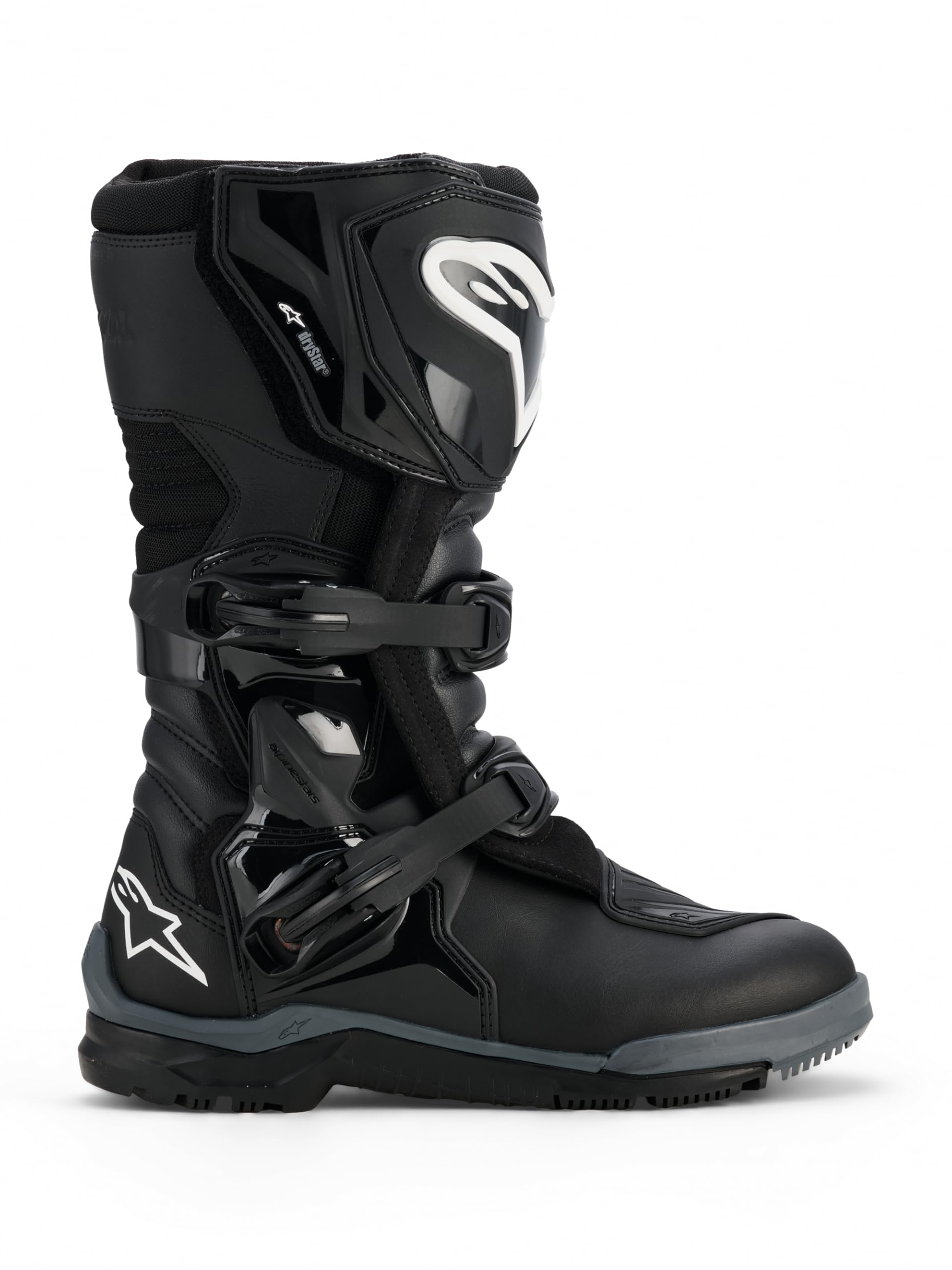
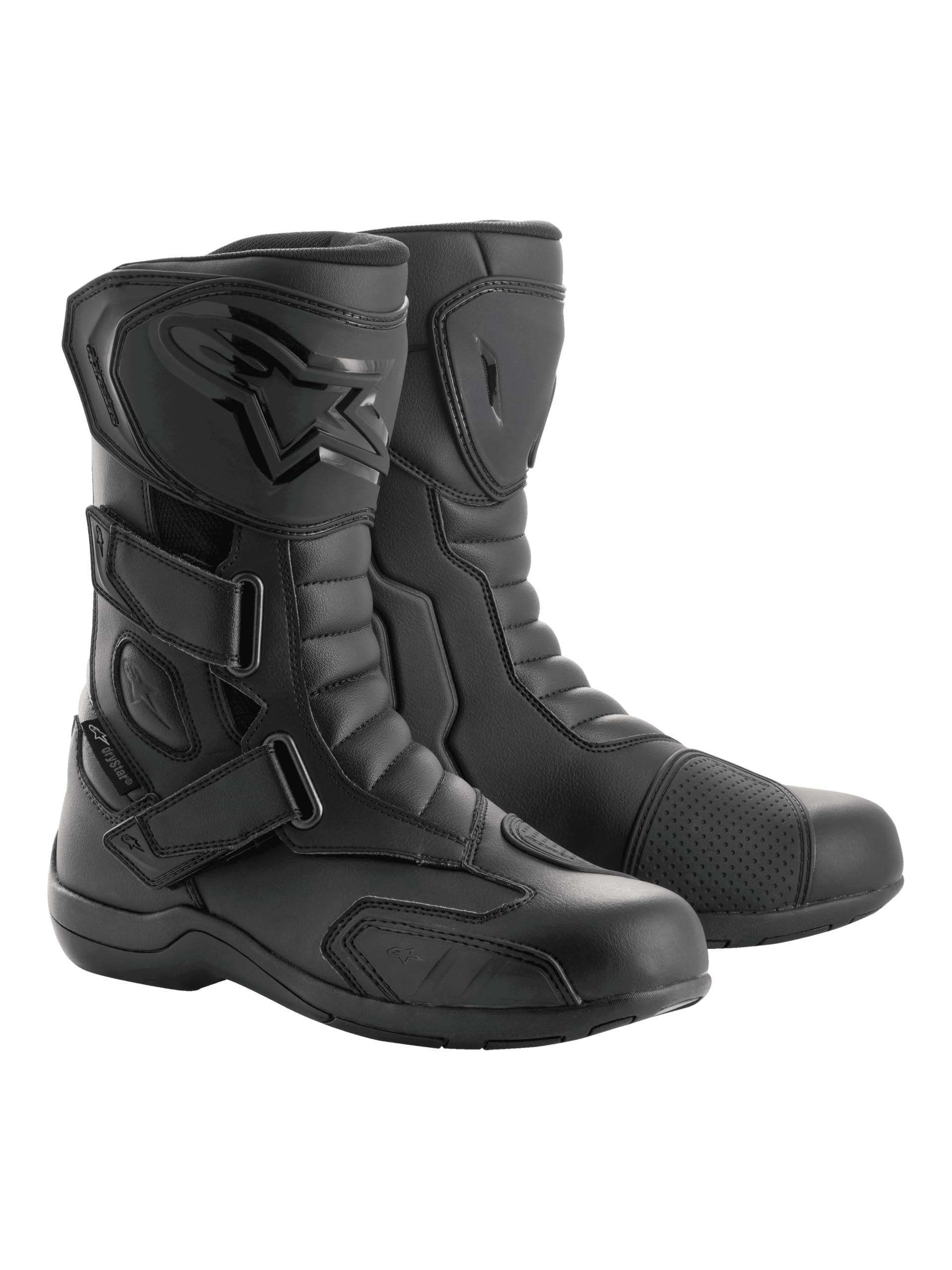


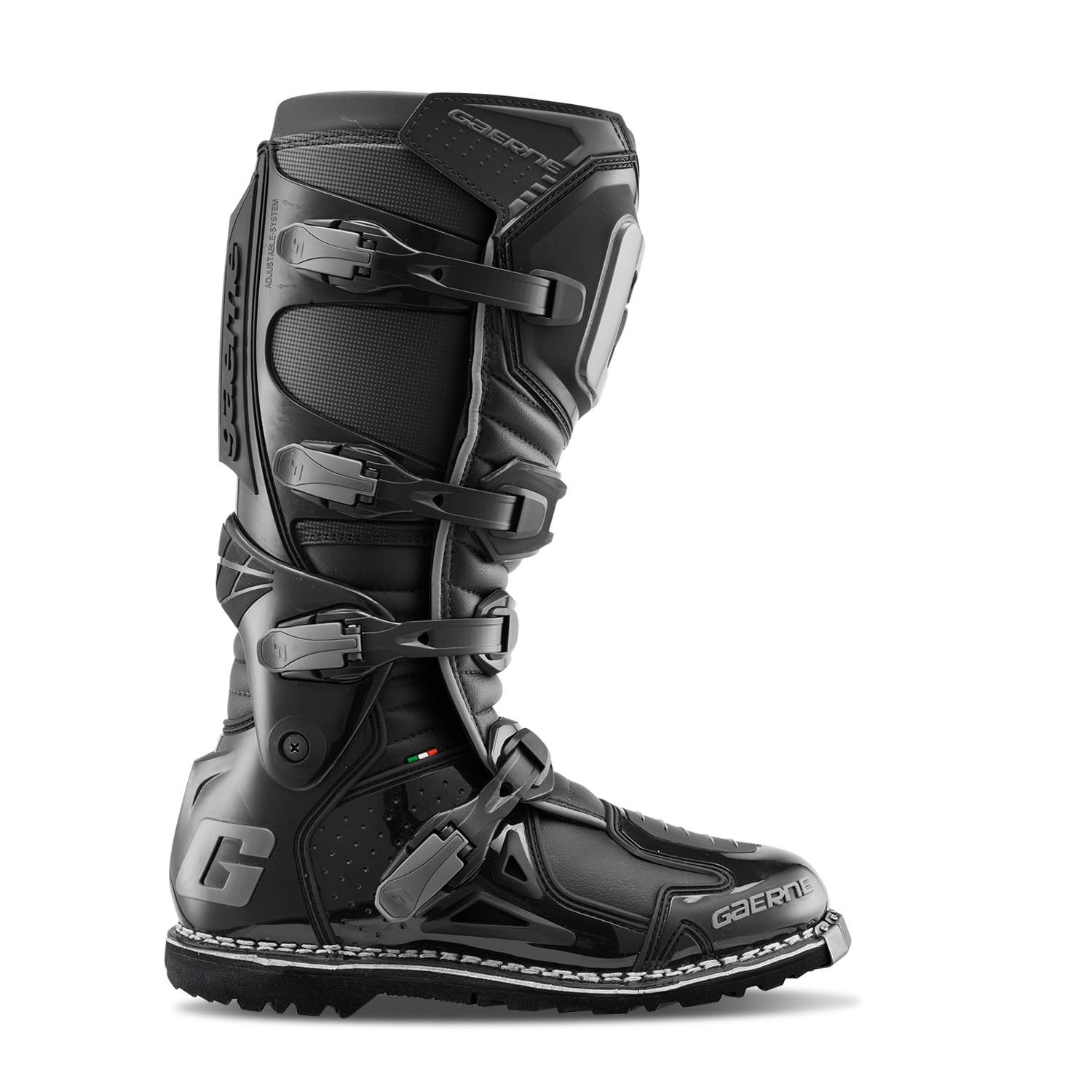


Types of Boots Compared
Dual sport boots sit between pure street boots and full motocross boots. Street boots flex easily and feel light, but they offer little shin and ankle protection on loose ground. Motocross boots are stiff and heavily armored, yet they can feel clumsy on long highway stretches and hard to walk in at stops.
The four types below split the middle ground in different ways. As you read, you can also see our guide to the best dual sport boots for more on this category.
Commuter Options
Commuter options are usually shorter boots that cover the ankle and part of the shin. They use flexible soles, simple closures such as laces with a strap or a side zipper, and softer padding around the ankle bone. That makes them easy to walk in and comfortable through a full workday after you park.
The tradeoff is protection. A short shaft leaves more of your shin exposed to rocks, pegs, and a falling bike, and a soft sole bends more on rough ground. Choose this type if most of your miles are paved, your dirt sections are graded gravel, and you often walk around town in the same boots.
Budget Options
Budget options are usually tall boots built from synthetic materials with basic armor at the toe, heel, and shin. Prices often start around $100 to $180, and many still include a lugged sole, buckle closures, and a waterproof liner. For riders who hit trails a few weekends each season, that coverage can be enough.
Where costs get cut is in fit refinement, liner durability, and buckle hardware. Seams may leak sooner and padding can pack down. Choose this type if you are learning on dirt, ride at modest speeds, and would rather spend the savings on tires or training.
Tall Adventure Style Options
Tall adventure style options rise close to the knee and combine a stiff shank, a reinforced toe box, and a solid shin plate. They are built for long trips that mix highways, rain, and rocky two track roads. Many use full grain leather with a waterproof membrane, and the height helps keep water and gravel out in shallow streams.
They are the heaviest and warmest type here, and they need the longest break in period. Walking a long distance in them feels tiring. Choose this type if you travel far from home, ride in changing weather, and value crash protection and support more than light weight.
Their stiff, protective feel is very different from what you get in the best sport boots, which favor close control feel on pavement over grip and support on dirt.
Light Trail Focused Options
Light trail focused options borrow more from motocross design. They use multiple buckles, a hinged ankle in some models, and a deeply lugged sole that bites into mud when you put a foot down. The toe area is firm for shifting and for pushing against ruts.
Comfort on pavement is the compromise. The stiff sole sends more vibration through the pegs, and ventilation can be poor in summer heat. Choose this type if your days lean toward single track and technical ground where a dabbing foot needs real grip and support.
Commuter Options vs Budget Options: Which Should You Choose?
These two types confuse buyers because both can cost about the same, yet they solve different problems. A commuter boot is short and flexible, so it wins on walking comfort, quick stops, and a clean look under jeans. A budget tall boot is longer and stiffer, so it wins on shin coverage, ankle support, and keeping mud and water out on trail days.
Compare them on four points. Protection and weather sealing favor the tall boot, since its shaft covers more leg and closes above most splashes. Walking and daily convenience favor the commuter boot, because it goes on faster and fits under more pants.
If your dirt riding is rare and gentle, pick the commuter style and accept the lower coverage. If you ride trails most weekends, pick the tall budget style even if it feels like more boot on Monday morning. Riders who want broader background on everyday footwear for the road can see our guide to the best riding boots for how general road boots differ.
How to Choose the Right Boot
When you shop for the best boots for dual sport riding, the product table above can help you sort types by price and height. The factors below help you judge what those numbers mean once the boots are on your feet and on your bike.
Protection and Armor
Look for a reinforced toe box, a firm heel cup, armor over both ankle bones, and a shin plate that covers the front of your lower leg. Ankle armor matters because dual sport falls are often slow tip overs where the bike lands on your foot. A boot that only feels sturdy at the toe can still let your ankle roll on uneven ground.
Also check how the sole resists twisting by holding the toe and heel and twisting gently. A sole that twists easily gives less support when you stand on the pegs or catch the bike with one foot.
Features That Matter for Dual Sport Riding
Dual sport riding asks for a sole that grips two surfaces. On the bike, the sole must sit steady on metal pegs without sliding when wet. Off the bike, the lugs must dig into mud, wet grass, and loose rock when you walk the bike through a tricky section or push it out of a rut.
Shaft height and waterproofing matter just as much. A taller shaft keeps trail water out and supports your calf, while a waterproof membrane keeps feet dry in rain and stream crossings. In hot, dry regions, a ventilated non waterproof boot may feel better, and you can add waterproof socks for rare wet days.
Value and Warranty
Value is not just the lowest price. A boot around $150 that fits well and lasts three seasons costs less per ride than a boot around $90 that leaks in month four and needs replacing. Check whether buckles, straps, and insoles can be replaced, because those small parts often fail before the main body wears out.
Read the warranty terms for seams, membranes, and sole bonding. Some brands cover a leaking membrane for a set period, while others treat leaks as wear. Keep your receipt, since warranty clocks often start at purchase.
Compatibility With Your Bike or Gear
Bring your usual riding setup into the decision. A thick toe box can make it hard to get under a shift lever, so check lever clearance while seated on your bike. Many bikes let you raise a low lever one spline on its shaft, which can solve the problem without changing boots.
Think about pants and leg protection too. Some boots are made to fit under riding pants, while wider adventure styles are made for pants to go over the shaft. Knee braces and thick socks add volume at the calf, so a boot that fits with thin socks may feel far too tight on a real ride. For fit notes tied to motorcycle specific designs, see our guide to the best dual sport motorcycle boots in the section on calf width.
Closures and Ease of Putting Boots On
Buckles give the most precise fit because each strap adjusts on its own, and they stay secure when coated in mud. The downside is time, since three or four buckles per boot slow you down at fuel stops. Laces feel familiar and adjust evenly, but loose ends must be tucked away so they cannot catch on pegs or levers.
Side zippers with a wide strap are the fastest system and work well for commuting, but grit can jam the teeth. Whatever system you choose, you should be able to open and close it while wearing your riding gloves.
Care and Maintenance Tips
Rinse mud off your dual sport boots with plain water after a trail ride and let them dry slowly at room temperature, away from heaters and direct sun. Heat can crack leather and weaken the glue that bonds the sole. Once dry, brush dirt from buckles and zippers so grit does not grind the moving parts.
Condition leather boots with a product made for waterproof footwear, since heavy oils can soften leather and reduce support. Check buckle screws, strap ends, and sole edges every few rides. Store boots upright with the shafts open so air can move inside.
Frequently Asked Questions
What features matter most in boots for dual sport riding?
Ankle and shin armor, a sole that grips both pegs and mud, and a shaft tall enough to support your calf matter most. After those, fit decides everything, because armor only works when it stays over the bone it is meant to cover. A useful extra check is the inner side of the boot, which should have a smooth heat resistant panel where your leg rests near the engine and exhaust.
Are waterproof dual sport riding boots worth the cost?
Yes, waterproof dual sport riding boots are worth it if you commute in rain or cross streams on trail rides. Dry feet stay warmer and blister less on long days. The tradeoff is sweat, since a membrane also traps some heat in summer. Riders in hot, dry areas often prefer a ventilated boot plus waterproof socks for storms.
How do I choose the right size in dual sport riding boots?
Choose the size that fits while you wear your thickest riding socks and stand with your full weight on both feet. Your toes should not press the front when you bend your knees as if standing on pegs. Try boots late in the day when feet are slightly larger, since morning sizing can feel tight by afternoon.
Should dual sport riding boots fit over or under riding pants?
Most dual sport riding boots are designed for pants to go over the shaft, which helps rain run off the outside instead of into the boot. Off road pants that tuck inside the boot keep mud and brush out of the leg opening instead. Check your own pants before ordering, because a wide adventure shaft may not fit under slim jeans or narrow rain pants at all.
What certifications should I look for on dual sport riding boots?
Look for a CE label that rates the boot for motorcycle use, with levels for height, abrasion resistance, impact resistance, and sole stiffness. A higher level in impact and abrasion suits trail riders who fall at low speed onto rock. The label covers the tested model only, so a similar looking boot may carry a lower rating.
How often should I replace dual sport riding boots?
Replace dual sport riding boots when the sole lugs are worn smooth, the ankle area feels loose even at the tightest setting, or the waterproof liner leaks after cleaning and reproofing. A crash that crushes the toe box or bends a buckle into the shell is also a reason to replace them right away. Many riders find this point arrives after several seasons, but wear depends on mud, mileage, and how often you walk in them.
The Bottom Line
Match the boot type to your real mix of road and dirt, then judge protection, sole grip, and fit in that order. Short commuter styles suit gentle gravel and daily errands, tall adventure styles suit long wet trips, and light trail styles suit technical ground. Use the product table above to compare heights, closures, and prices across types.
When you narrow it down, the best boots for dual sport riding for you will feel secure on the pegs, steady in mud, and comfortable enough that you wear them on every ride. Prices and availability can change, so check the product page before ordering.


