
Best Boots for Dogs with Dewclaws 2026: Types Compared and How to Choose
Disclosure: We may earn a commission when you buy through links on this page, at no extra cost to you. As an Amazon Associate I earn from qualifying purchases. Learn more

Find boots for dogs with dewclaws that clear the extra toe, with type comparisons, strap and cuff fit checks, sizing steps, and simple care tips.
A dewclaw sits higher on the leg than the other toes, right where many boot straps and cuffs land. A boot can fit the paw perfectly yet still rub or catch that extra toe on every step. That is why the best boots for dogs with dewclaws are chosen by strap position and cuff shape first, and by paw size second.
This guide compares the main boot types, then walks through fit checks you can do at home. Use the comparison table below to build a shortlist, then check each candidate against its dewclaw position.



Who Should Buy Boots That Clear the Dewclaw?
Dogs With High Front Dewclaws That Sit Under Straps
Most dogs carry front dewclaws right at strap height. If your dog licks that spot after walks, you need a strap that sits clearly above or below the claw, plus smooth fabric over the toe itself. A soft upper with no seam crossing the dewclaw usually suits this group best.
Dogs With Double Dewclaws or Low Rear Dewclaws
Some breeds, including Great Pyrenees and Beaucerons, carry double dewclaws on the rear legs, set low near the paw. These dogs need taller boots with a roomy opening and a closure above the highest claw. A short boot ending mid claw will fold the toe down and rub within minutes.
Active and Senior Dogs That Need Protection Without Rubbing
Trail dogs need protection from sharp stone, hot pavement, and ice melt, while senior dogs often need grip more than insulation. Both groups wear boots often, so small pressure points matter. Choose a flexible sole and a padded interior, and build up wearing time gradually.
Types of Boots for Dogs With Dewclaws Compared
Boot types differ mainly in how the opening and closure meet the dewclaw, and that difference is what separates the best boots for dogs with dewclaws from ordinary dog boots. Match the type to where your dog carries its extra toes. Most sets cost about $20 to $60.
Soft Fabric Boots With Wrap Straps
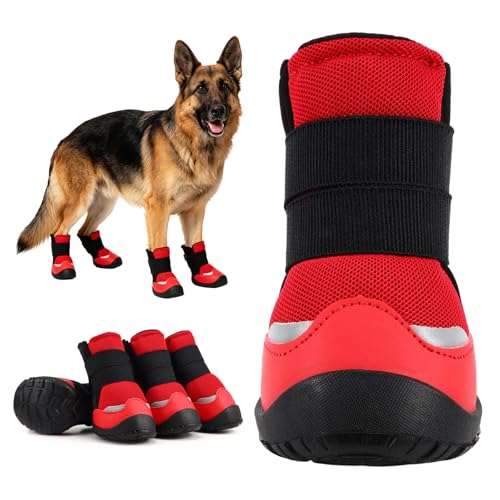
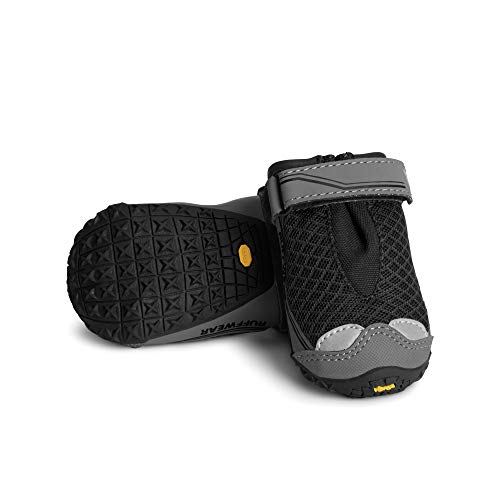
These boots use a flexible fabric upper and wrap straps that fasten with hook and loop tape. You can often route a strap just above or below the dewclaw instead of across it. They suit everyday walks and mild trails. The trade off is modest water resistance and soles that wear faster on rough pavement.
Sock Style Boots With a Grippy Sole
Sock style boots pull on like a thick sock and end in a textured grip coating. With no rigid strap, nothing hard presses on the dewclaw. They give senior and indoor dogs steady footing on slick floors. They offer the least outdoor protection, though, and sharp gravel can work through the fabric.
Tall Winter Boots With a Soft Cuff
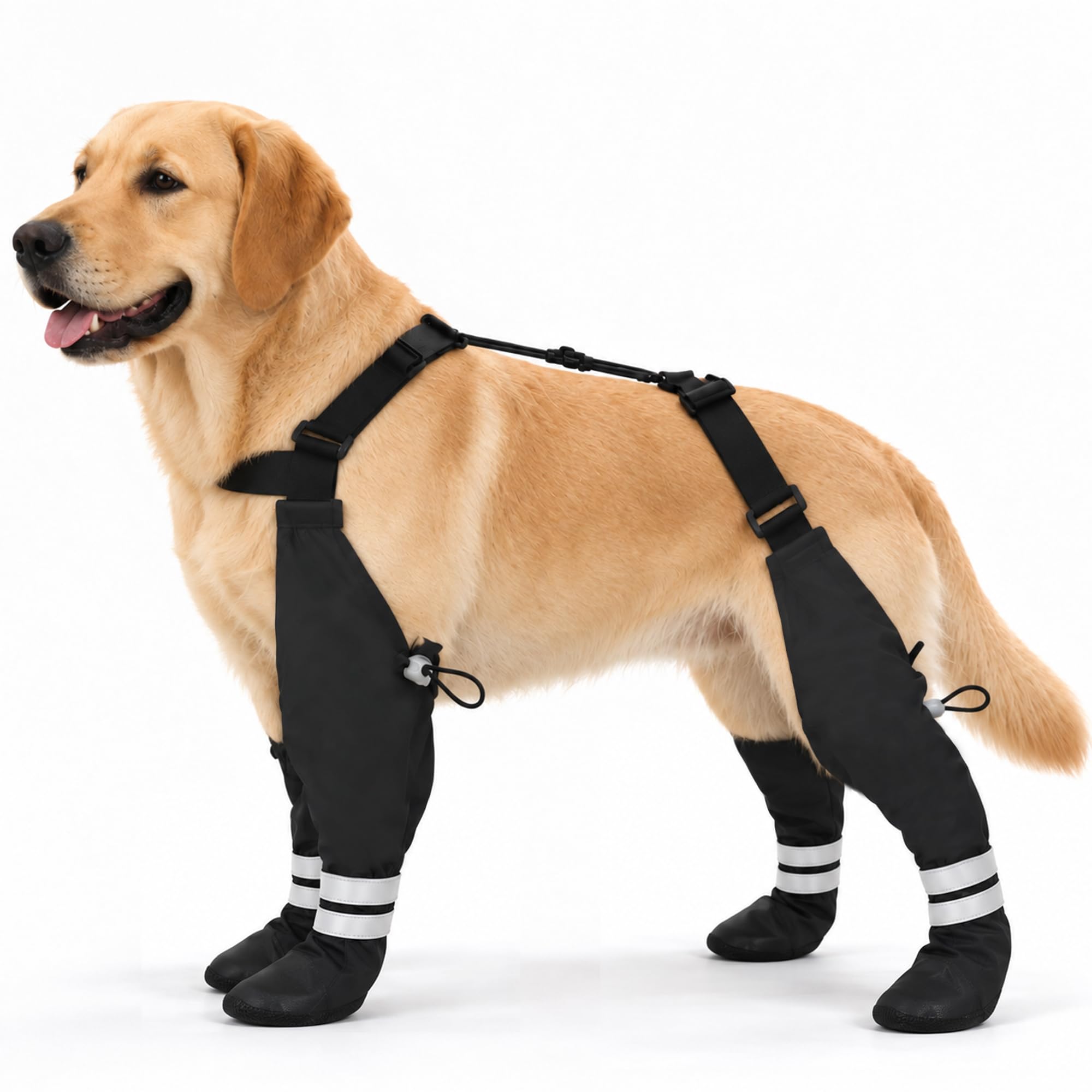
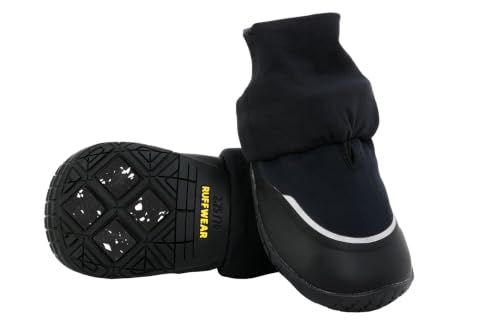
Tall boots rise well past the dewclaw and close near the top of the leg, so snow, road salt, and ice balls stay out while the claw sits inside a roomy shaft. If deep snow is your main problem, see our guide to the best dog boots for winter for more on insulated options.
Rubber Rain Boots With a Wide Opening
Rubber boots have a wide, rounded opening and a molded sole, so the paw and dewclaw slide in without fabric dragging across the claw. They shrug off mud and puddles. The loose fit can let the boot twist on narrow paws, though, and rubber traps heat, so save this type for wet, cool days.
Key Features to Compare
Dewclaw Space and Seam Placement
Look inside the boot before anything else. The area facing the dewclaw should feel smooth, with no seam, label edge, or strap stitching crossing where the toe rests. Some designs add a small pocket of extra room at that spot, which keeps the claw in its natural position instead of folding it against the leg.
Strap Position and Closure Design
A closure only works for this job if its position can change. Two straps give more options than one, because you can set the lower strap below the dewclaw and the upper strap above it, leaving the claw in a clear gap. Avoid buckles and hard plastic sliders on the inner leg, since they press right where the dewclaw rests.
Cuff Height and Leg Coverage
Measure from the paw to the top of the dewclaw, then compare that height with the boot cuff. A cuff ending right at the claw creates a hard edge that saws back and forth. Choose a short boot that ends clearly below the claw or a tall boot that covers it with room to spare. Rear dewclaws usually need the tall option.
Sole Grip, Flex, and Outsole Shape
The outsole should bend where the paw bends, just behind the toes, and grip well. A stiff sole makes a dog lift its feet in a high, odd step, which shifts the boot and drags the cuff across the dewclaw. Thin soles suit indoor and senior dogs, while thicker lugged soles protect better on rock.
Upper Material, Lining, and Breathability
Mesh and soft synthetic uppers breathe well and dry fast. Waterproof boots block rain and slush but hold warmth, so save them for cold or wet conditions. A soft fleece or smooth knit lining reduces friction on the dewclaw and the leg above it. The inner surface over the claw matters more than the outer fabric.
How to Measure and Fit Boots Around a Dewclaw
Have your dog stand on paper on a hard floor, and trace the front paw. Measure the widest width and the length from heel pad to longest toe tip, then match those numbers to the size chart. Repeat with a rear paw, since rear paws are often narrower.
Note exactly where each dewclaw sits before the first fitting. Slide the boot on slowly while you shield the claw with a fingertip so the nail cannot catch the opening, then fasten straps so none crosses the claw. A thin dog sock under the boot helps the claw glide in.
Let your dog walk indoors for five to ten minutes. Watch for paw shaking or chewing at the cuff, then remove the boots and check for redness or a bent nail. If you see bleeding, a torn claw, swelling, or limping that does not settle within a day, contact your veterinarian promptly, and ask your veterinarian about ongoing soreness.
Common Mistakes to Avoid
- Fastening a strap directly over the dewclaw, which presses the nail into the leg and can crack it.
- Buying by breed or body weight instead of measured paw width, which lets the boot twist across the claw.
- Choosing a cuff that ends exactly at dewclaw height, which creates a moving edge that rubs skin raw.
- Skipping indoor practice and starting with a long walk, which turns small fit problems into sore spots.
- Assuming all four paws need the same size, which leaves rear boots loose enough to catch a rear dewclaw.
- Leaving wet boots on after a walk, which softens skin around the claw and invites rubbing next time.
Care and Maintenance of Dog Boots
Shake out grit after every walk, since one grain of sand trapped over the dewclaw can rub like sandpaper. Hand wash fabric boots in cool water with mild soap, rinse well, and air dry away from direct heat. Rubber boots only need a rinse and a wipe inside the cuff.
Check hook and loop straps weekly and pick out trapped hair, because weak straps slip down onto the claw. Inspect the lining at the dewclaw spot for worn patches, and store boots open and upright so the shaft keeps its shape. If your dog needs only light indoor grip, see our guide to the best dog shoes for softer options.
Frequently Asked Questions
How do I stop dog boots from rubbing a dewclaw?
Move every strap clear of the claw before you look at padding or socks. Check the fit after five minutes of walking rather than at the door, because boots settle as a dog moves. If one spot keeps reddening, change the cuff height so the edge lands somewhere else entirely.
Should dog boots cover the dewclaw or sit below it?
Either arrangement works, as long as no edge or strap rests on the claw itself. Coverage helps in snow and brush, while a low boot avoids contact on short, dry walks. Dogs that wade often do better uncovered, because a tall shaft fills with water and pulls the boot down onto the claw.
How tight should dog boots be on a dog with dewclaws?
Boots should feel snug enough that you cannot twist them around the paw by hand, yet loose enough to slide one fingertip under the cuff. Tightness should come from the strap above the paw, not from pressure at dewclaw height. Recheck the fit mid walk on early outings, because straps settle into fur and can loosen a full notch.
What should I do if a dog boot tears a dewclaw?
Remove the boot, press a clean cloth gently against the nail if it bleeds, and keep your dog calm and off that foot. A partly torn claw often catches again and may need trimming by a veterinarian, so call your clinic the same day. Skip boot sessions until the claw heals, and note which strap or edge caused the injury.
Are tall dog boots better for dogs with double dewclaws?
Tall boots usually suit double dewclaw dogs better, because both rear claws sit inside the shaft instead of straddling a low cuff edge. Look for a wide opening and a closure set above the higher of the two claws. Heat is the one caution, so choose breathable tall designs for summer.
Wrapping Up
For most dogs, the decision comes down to three checks: no strap or seam touches the claw, the cuff ends clearly above or below it, and the sole flexes with the paw. Match the type to your weather and terrain. When you compare options, the best boots for dogs with dewclaws for your dog will stand out in the product table above.


