
Best Boots for Dogs Hiking in 2026: Every Type Explained Side by Side
Disclosure: We may earn a commission when you buy through links on this page, at no extra cost to you. As an Amazon Associate I earn from qualifying purchases. Learn more

Choose the best boots for dogs hiking with a clear type comparison, paw measuring steps, grip and closure advice, plus care tips for rocky and wet trails.
Dog hiking boots look simple until you compare them side by side. Soles range from thin and flexible to thick and rugged, and some sets shed water while others breathe on warm days. The best boots for dogs hiking match your dog, your ground and your weather, and the comparison table below groups the main types so that choice gets easier.
Start with the trail you repeat most often. Sharp rock, hot ground, mud, snow and loose gravel each ask something different from a paw.
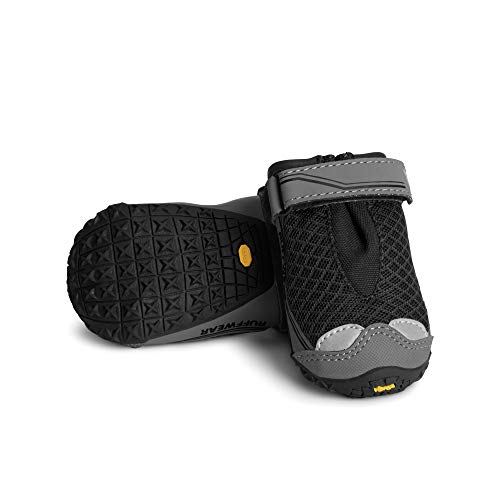


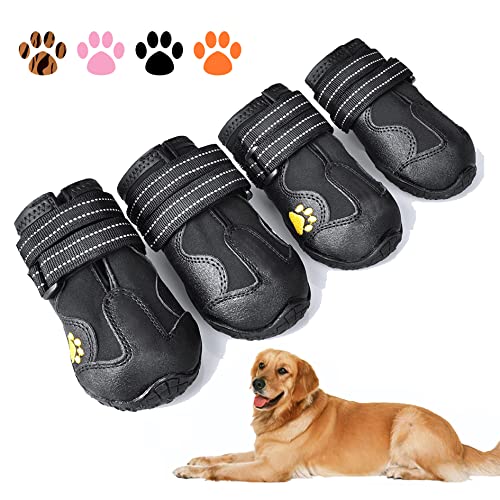
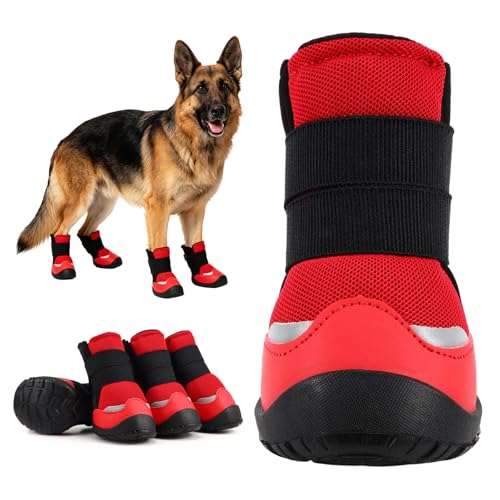

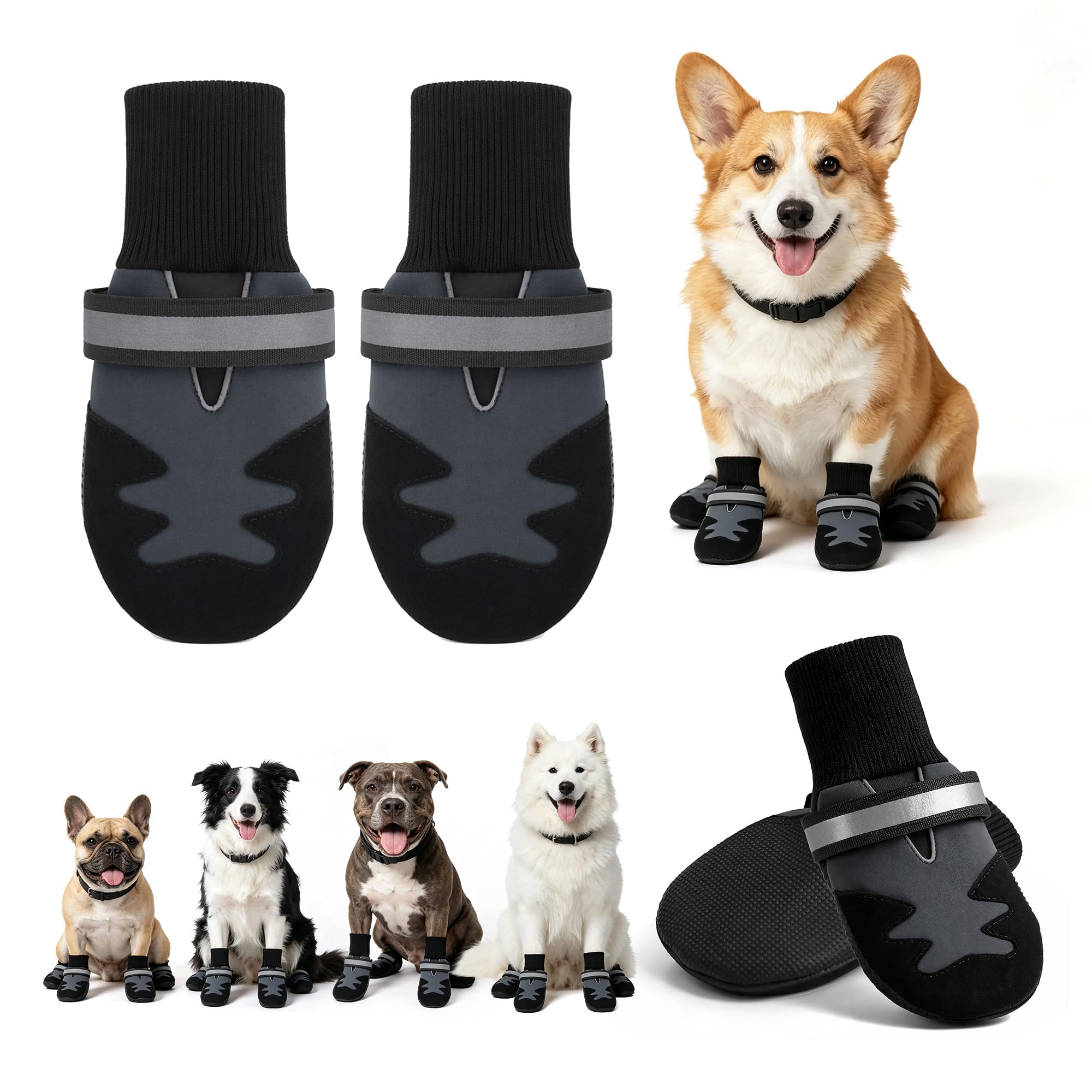

Who Should Buy Which Dog Hiking Boots?
Pick by your dog and your usual ground, not by color or by the size printed for another breed.
Dogs That Hike Rocky, Sharp or Hot Ground
Your dog needs the strongest paw protection if your trails cross broken rock, gravel, cactus country or sun heated stone. Choose a rugged type with a thick sole and a tough upper that covers the toes, because a cut pad or a burn can end a hike far from the car.
Dogs That Hike Wet, Muddy or Cold Trails
Your dog needs water shedding uppers and grip that still holds on slick roots and wet stone if your routes cross streams or mud. In cold months, insulation and a taller cuff matter more, and see our guide to the best dog boots for winter hiking for cold weather specifics.
Young Dogs, Small Dogs and Senior Dogs With Tender Paws
Young dogs new to boots, small dogs with fine bones, and older dogs with thin or tender pads usually do best in a light and flexible type. It changes their stride less, so training feels easier and they accept the boots sooner. Keep early sessions short, watch for rubbing, and build distance only while your dog moves freely.
Types of Dog Hiking Boots Compared
When you shop for best boots for dogs hiking, start with the type, then check size and closures within that type. Each type trades protection, feel for the ground and warmth in a different way.
Rugged Boots With Thick Lugged Soles
Rugged boots use a thick rubber sole with deep tread and a sturdy upper, often with soft padding inside. They guard best against sharp rock, thorns and hot ground, and they suit strong dogs on rough backcountry routes. The trade off is feel: a thick sole dulls ground feedback, so some dogs step clumsily at first. They cost more, usually about $50 to $90 for a set of four.
Lightweight Flexible Boots With Thin Soles
Lightweight boots use a thin and bendable sole with a soft fabric upper that moves with the paw. Your dog feels the ground almost as if barefoot, which helps balance and makes training easier. They guard against dirt, mild heat, burrs and rough paths, but sharp rock can press through. Choose this type for easy trails, travel and dogs that reject stiff footwear, at usually about $25 to $50 a set.
Waterproof Boots for Rain, Streams and Snow
Waterproof boots add a water blocking layer or coated upper that keeps most rain and stream water off the paw, with tread shaped for slick ground. They help in wet seasons and for snow routes, and for deeper snow see our guide to the best dog boots for snow hiking. The trade off is air flow, because a sealed boot holds warmth and moisture inside, so a breathable type suits warm and dry days better.
Tall Cuff Boots for Brush, Sand and Deep Debris
Tall cuff boots rise higher on the leg and close above the narrow part of the ankle, which helps them stay on and keeps out sand, seeds, snow and loose grit. They suit brushy trails, beaches and deep leaf litter. Fit matters even more here, because a tall cuff that slides down bunches at the ankle and rubs.
Key Features to Compare
Compare these factors in order once you have picked a type. Fit comes first, because no sole or fabric can help a boot that twists or rubs.
Paw Size, Front and Rear Fit, and Room for Claws
Measure each paw while your dog stands with full weight on it, because a lifted paw measures smaller. Set the paw on paper, mark the front and back of the pad area, and measure the width at the widest point. Front paws are often a little larger than rear paws, so some dogs need two sizes in one set. Leave room for toes and claws to spread. If your dog limps, bleeds from a paw, shows swelling or will not bear weight, stop and talk with your veterinarian before you hike again.
Outsole Grip and Sole Thickness for Trail Surfaces
The outsole is the rubber layer that meets the ground, and its tread pattern decides how your dog holds on rock, mud and loose dirt. Deep and widely spaced tread sheds mud and bites into soft ground, while softer rubber grips wet stone better but wears faster. Sole thickness is a balance you choose by trail: thick soles guard against sharp edges and heat, while thin soles let your dog feel and adjust to uneven ground.
Straps and Closures That Keep Boots on Moving Paws
Most lost boots fail at the closure, not at the sole. Hook and loop straps hold well when you fasten them snugly at the narrow point above the paw, and two straps hold better than one on long hikes. Check that no strap edge presses on the dew claw, the small claw higher on the leg, because pressure there rubs fast. Before each hike, tug each boot gently to confirm it stays put.
Upper Strength, Breathability and Drying Time
The upper takes the scrapes from rock, roots and brush, so look for dense fabric or coated material at the toes, where claws and stones wear it first. Mesh panels and uncoated fabric breathe and dry quickly after a stream crossing, which suits warm weather. Coated uppers shed water but dry slowly once wet inside, so they suit cold and wet routes better.
Common Mistakes to Avoid
Most boot problems trace back to one of these errors at home.
- Guessing size from breed or weight alone leaves boots twisting on the paw and rubbing the skin raw.
- Putting boots on for the first time at the trailhead leaves your dog fussing, chewing and walking oddly for the whole hike.
- Fastening straps too loosely lets a boot slide off in mud or brush where you may never find it.
- Leaving wet boots on during a long rest keeps paws damp and soft, so blisters and rubbing start sooner.
- Ignoring a worn smooth sole removes the grip your dog counts on when crossing wet rock.
Care and Maintenance for Dog Hiking Boots
Rinse mud and grit from the soles and uppers with plain water after each hike, because trapped grit grinds at fabric and stitching. Open the straps, shake out sand and seeds, and check inside each boot for small stones or burrs. Inspect the toe area for claw wear and the sole for cuts.
Dry boots in open air away from direct heat, which can warp rubber and weaken glue. Store clean and dry boots where air can move, and replace any boot with a hole, a split sole or a strap that no longer holds, because one failed boot can leave a paw bare miles from the car.
FAQ
What features matter most in boots for dogs hiking on rocky trails?
On rocky trails, sole thickness and toe coverage matter most for boots for dogs hiking. A thick sole spreads the pressure of sharp edges, and a sturdy toe area guards against stone strikes as your dog scrambles. Add one habit features cannot replace: stop every hour or so and clear out any small stone lodged beside a pad before it works deeper.
How long is the break in period for dog hiking boots?
The break in period for dog hiking boots is usually a few short sessions over about one week. Start indoors for about 10 to 15 minutes with treats and play, then try a short walk on easy ground. Many dogs high step at first and settle once the boots feel familiar. Move to a trail only when your dog walks and trots without chewing at the straps.
Can a dog wear hiking boots all day on a trail?
A dog can wear hiking boots for a full day of hiking if you remove them at longer rest stops. Boots hold warmth and moisture against the paw, so air the paws, check for rubbing and let your dog walk barefoot on soft ground at camp if the surface is safe. Trim long fur between the pads before the trip, because matted fur inside a boot forms lumps that press on skin.
Do dogs need waterproof boots for hiking in rain?
Dogs need waterproof boots for hiking in rain only when the route is cold, very muddy or full of stream crossings. In mild rain on an easy trail, a breathable boot that drains and dries fast can be the better choice. One point owners miss is the ride home: wet paws pick up grit in the car, so rinse and dry paws at the car.
How often should dog hiking boots be replaced?
Dog hiking boots should be replaced when the tread looks smooth, the upper tears or a strap stops holding, even if the set still looks tidy. Heavy trail use can wear a set out in one busy season, while light use may stretch a set across two or three seasons. Check the claw tip area closely, because a small hole there grows fast and lets grit reach the toes.
Final Thoughts
Choose the type by your harshest usual ground, then confirm paw size, closure hold and drying needs before price. A rugged set earns its cost on sharp rock, while a light set wins on easy trails. Use the product table above to compare types, sizes and price ranges side by side.
With fit checked and a little training at home, the best boots for dogs hiking become simple trail gear your dog accepts without fuss. Start short and check paws at every stop.


