
Best Boots for Dogs for Snow for 2026: How to Choose Winter Paw Protection
Disclosure: We may earn a commission when you buy through links on this page, at no extra cost to you. As an Amazon Associate I earn from qualifying purchases. Learn more

Compare dog snow boots by paw size, grip, closures and warmth, with measuring steps, fit checks and care tips for salted streets and deep snow walks.
Snow changes every walk for a dog. Cold ground numbs paws, ice cuts grip, road salt stings skin, and snow can pack into balls between the toes. The best boots for dogs for snow solve those problems at once, but only when the size, sole and closure suit your dog. Use the comparison table below to match boot types to your usual winter routes.
Start with where you actually walk. A dog on plowed sidewalks needs a different boot from a dog crossing deep drifts at a park. Paw size, age and tolerance for handling matter too, and the sections below cover groups, fit, closures and care.

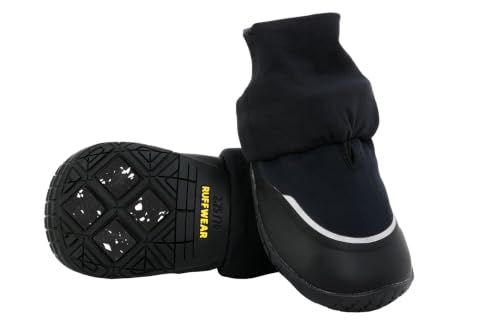


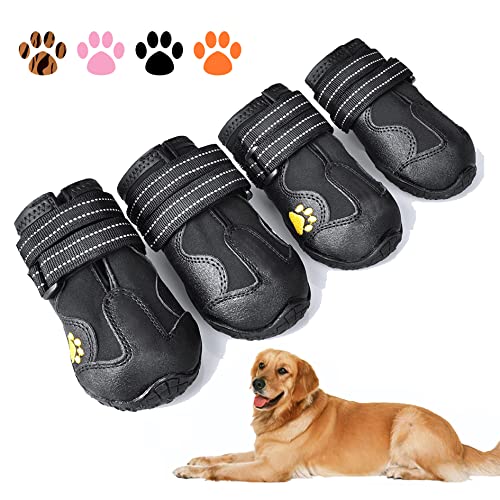

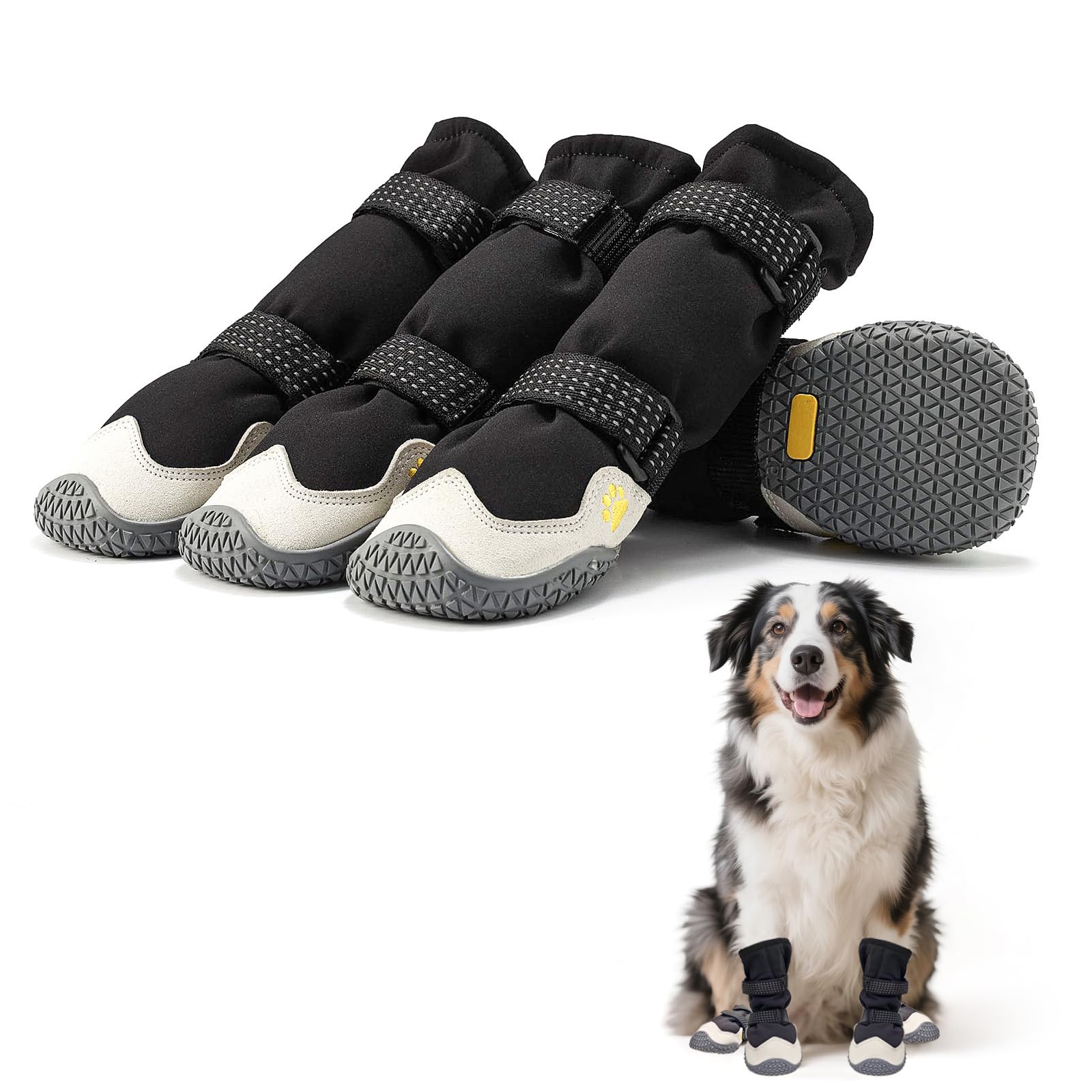
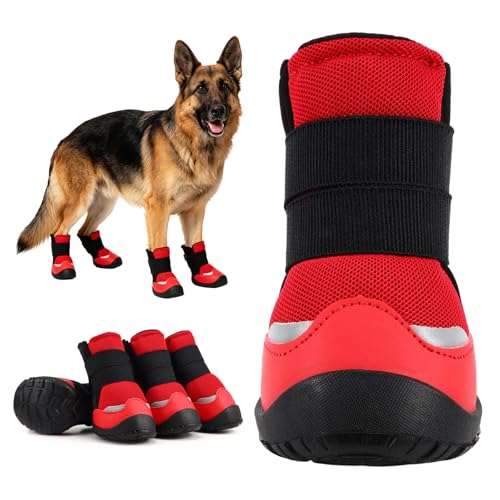
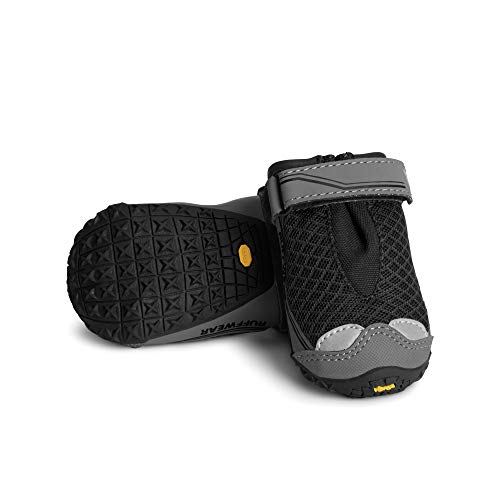
Who Should Buy Which Snow Boots for Dogs?
Pick the group below that sounds most like your dog, then check the features that follow.
City Dogs on Salted Sidewalks
Your dog walks daily on plowed pavement where crews spread salt and ice melt. Choose a waterproof boot with a sole that covers the whole pad and a cuff that blocks splash from treated slush, because salt residue stays on the paw and your dog may lick it later. For a closer look at barriers and rinsing, see our guide to the best dog boots for snow and salt.
Large and Active Dogs in Deep Snow
A big dog that bounds through drifts puts real force on every strap and seam. Choose a tall boot with two closures, a sturdy sole and room for the paw to spread under weight, since weight charts alone can mislead for heavy breeds. For winter hikes and park play, see our guide to the best snow boots for large dogs.
Small Dogs, Senior Dogs and Dogs New to Boots
Small dogs chill faster because their paws sit closer to the snow, and senior dogs often have tender pads. Choose a light, flexible boot that bends with the paw and opens wide, so dressing takes seconds rather than a struggle. Short indoor practice helps a nervous dog accept the feel. For breed size guidance, see our guide to the best snow boots for little dogs.
Key Features to Compare
When you compare the best boots for dogs for snow, start with fit, because a boot that spins or slips off fails whatever its materials promise. Then check warmth, grip and closures.
Paw Size and a Fit That Stays Put
Measure each paw while your dog stands at full weight, because a loaded paw spreads wider than a lifted one. Trace the paw on paper, mark its widest points and its length from heel pad to longest toenail, then match those numbers to the brand size chart rather than guessing from breed. A correct boot lets the paw lie flat, leaves the dew claw free of pressure, and does not twist when your dog turns at home.
Waterproof Upper and Warm Lining
A waterproof upper keeps melt water out, while a thin fleece lining slows heat loss from the paw on frozen ground. Fully sealed boots suit slush and wet snow, but they trap moisture from paw sweat on longer outings, so air them open after every walk. In dry, very cold snow, a water resistant upper with a warm lining can feel better. Check that the lining lies smooth, because a bunched seam can rub the paw.
Sole Grip and Flex on Ice and Packed Snow
The sole does the gripping, so look for rubber with small lugs or grooves that can bite into packed snow. A sole that flexes at the toes lets your dog feel the ground and step naturally, which matters most on ice where a stiff boot can skate. Thick soles protect against sharp ice crust but dull ground feel for small dogs. Choose flexible soles for pavement and firmer soles for frozen trails.
Closures That Hold During Play
Most snow boots for dogs close with hook and loop straps, a strap plus a zipper, or an elastic drawcord at the cuff. Two straps, one low near the paw and one higher on the leg, hold best for running and deep snow, because the lower strap stops the boot sliding forward. A single wide strap suits calm dogs on short walks. Snug the closure over the narrow part of the leg, then tug each boot before you leave.
Shaft Height and Snow Coverage
Shaft height decides how much snow reaches the leg and the top opening of the boot. Tall shafts suit deep snow and dogs with long leg fur, where snow would otherwise work down inside a short boot. Short shafts suit plowed paths and dogs that dislike fabric high on the leg. The cuff should close smoothly without pinching fur, with a soft edge for dogs with thin coats.
Types of Dog Snow Boots Compared
Dog snow boots fall into three broad types, each trading warmth, grip and ease of use differently.
Tall Insulated Boots for Deep Snow
Tall insulated boots cover more of the leg, carry the warmest linings and pair with the firmest soles. They suit trail walks, yard play in drifts and dogs that feel cold quickly, though they take longest to put on. For hills and frozen ground, see our guide to the best dog boots for snow hiking.
Low Waterproof Boots for Plowed Paths
Low waterproof boots end just above the paw, seal out slush and salt, and flex easily on pavement. They suit daily city walks and dogs that reject tall fabric on the leg. Snow deeper than the cuff can spill in from the top, so save them for cleared routes.
Soft Sock Style Boots for Short Trips
Soft sock style boots use stretchy fabric with a coated sole area, and they pull on faster than any structured boot. They suit short garden trips and dogs that panic at straps. Grip and warmth are the lightest of the three types, and fabric wears faster on rough ice, so treat this type as a starter boot.
Common Mistakes to Avoid
Most lost boots and sore paws trace back to these errors.
- Sizing from breed or weight alone gives boots that spin on the paw and fall off in the first drift.
- Buying boots too small presses the nails forward and makes your dog chew at the fabric.
- Skipping indoor practice means the first walk becomes a fight, and your dog links boots with stress.
- Leaving a loose strap unchecked lets the boot slide and trip your dog on stairs or ice.
- Forgetting to rinse salt off paws and boots leaves residue that irritates skin between the toes.
- Using tall insulated boots for short mild outings overheats the paw and makes your dog resist boots.
Care and Maintenance for Dog Snow Boots
Rinse boots in plain cool water after walks on treated streets, where salt and grit lodge in the tread. Shake out any packed snow, open every strap, and let the boots air dry at room temperature away from direct heat, which can crack rubber and warp closures. Once dry, brush off dried mud and check that linings lie flat.
Inspect soles, straps and seams weekly in the snow season, and retire a boot with a split sole or a strap that no longer holds. Wash fabric boots only as the maker directs, since harsh detergents can damage water resistant coatings. After each walk, check the paws for redness or cuts. Stop using boots and talk with your veterinarian promptly if you see limping that does not settle once the boots come off, a bleeding or swollen pad, or a sore where a strap rubbed, and ask your veterinarian about your dog's personal paw needs.
Dog Snow Boot Questions, Answered
What features matter most in snow boots for dogs on icy walks?
Grip and a secure fit matter most on ice, because a boot that slides or twists takes away the natural traction of the paw. Check the boots again at the halfway point of an icy walk, since straps can loosen as fabric warms and flexes. Reseat each boot and clear ice from the tread to restore grip before a small slip becomes a lost boot.
Can a dog wear snow boots all day?
No, a dog should not wear snow boots all day, because boots are for outdoor time in snow rather than indoor wear. Paws release heat and moisture as a dog moves, so hours in a sealed boot can leave skin damp and sore. Put boots on at the door and take them off when you return.
How should snow boots fit a dog with wide paws?
Snow boots should fit a wide pawed dog snugly at the leg while leaving the paw room to spread flat under weight. If your dog falls between sizes, choose the larger size and secure it with the straps, because a squeezed paw changes the gait. One practical check is the hallway turn test, where the boot should stay straight through sharp turns and a short trot.
How often should dog snow boots be replaced?
Dog snow boots should be replaced when the tread looks smooth, the sole splits, or a closure stops holding, rather than after a fixed number of walks. Wear often shows first on the front paw boots, which carry more weight and do more braking. Compare all four boots monthly, because one worn boot quietly changes how your dog loads that leg.
How long does a dog take to get used to snow boots?
Most dogs take a few short practice sessions over about three to seven days to get used to snow boots. Start indoors with one or two boots for a few minutes, reward calm steps with food, and build to all four boots plus a short garden visit. The odd high stepping gait at first is normal and usually fades once the dog focuses on smells outside.
Final Thoughts
Choose by route first, size second and closures third, and most winter paw problems disappear. City dogs need salt protection and flex, active dogs need height and hold, and new wearers need light boots and patient practice. Use the product table above to compare shaft height, sole type and price.
When you shop for best boots for dogs for snow with measured paws and a clear route in mind, you can pick one set with confidence and enjoy the snow season together.


