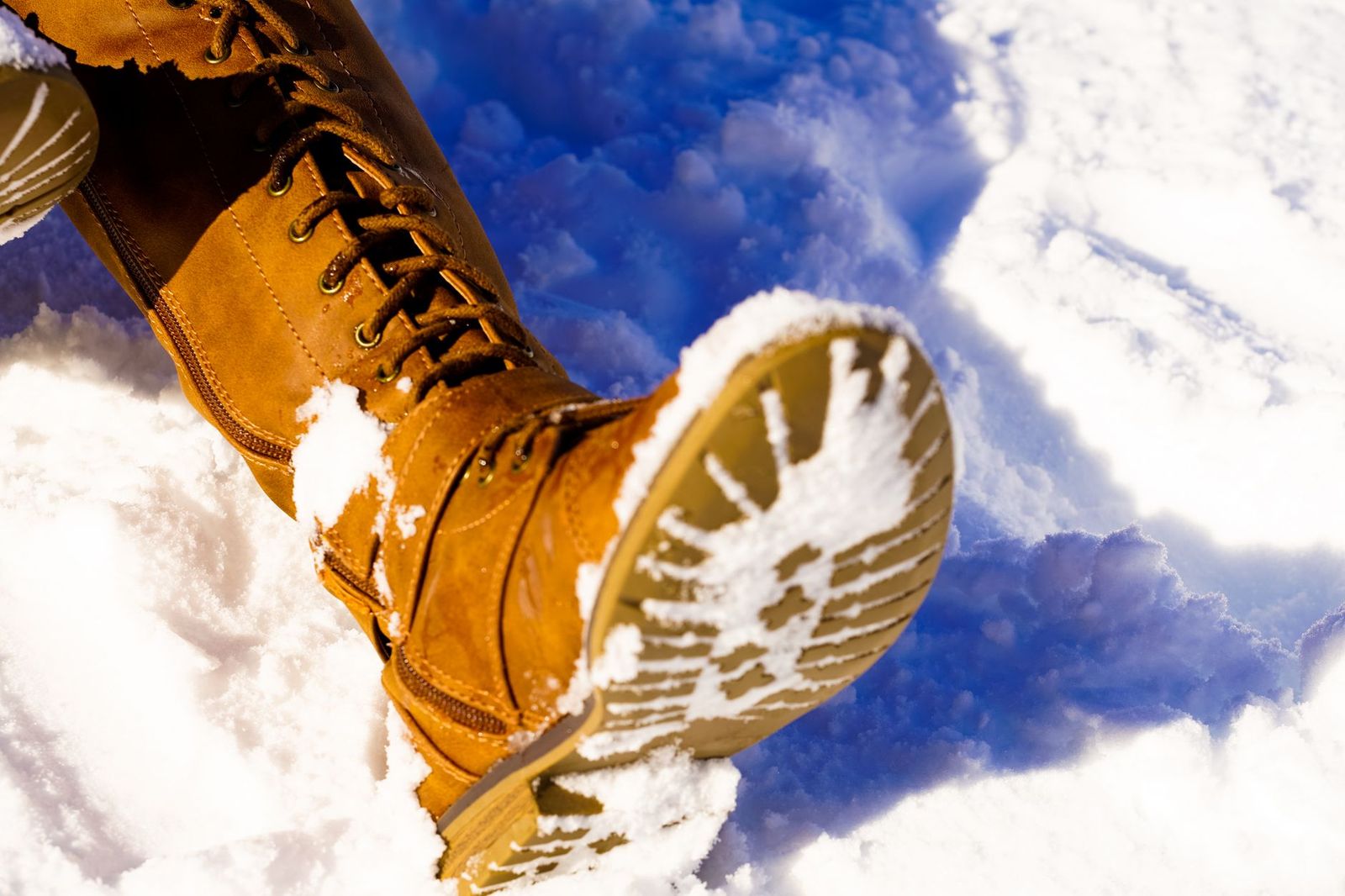
Best Boots for Iceland for 2026: What Matters Before You Buy
Disclosure: We may earn a commission when you buy through links on this page, at no extra cost to you. As an Amazon Associate I earn from qualifying purchases. Learn more

The best boots for Iceland handle wind, rain and icy paths. Check waterproofing, lug depth and sock room before you buy.
Iceland packs wind, sideways rain, wet gravel paths and icy car park patches into a single day, sometimes within a single hour. The best boots for iceland are the pair that stays dry, grips slick ground and still feels fine after a full day of sightseeing stops. This guide works as a checklist, so you can score any boot against the conditions you will actually meet.
Each section below covers one check: waterproofing, fit with thick socks, traction, support, and how long the boot should last. The product table lines up the shortlisted styles side by side, and the red flags section near the end shows which listings to skip. Match the checklist to your itinerary first, because a Ring Road sightseeing trip and a highland trek ask for different boots.


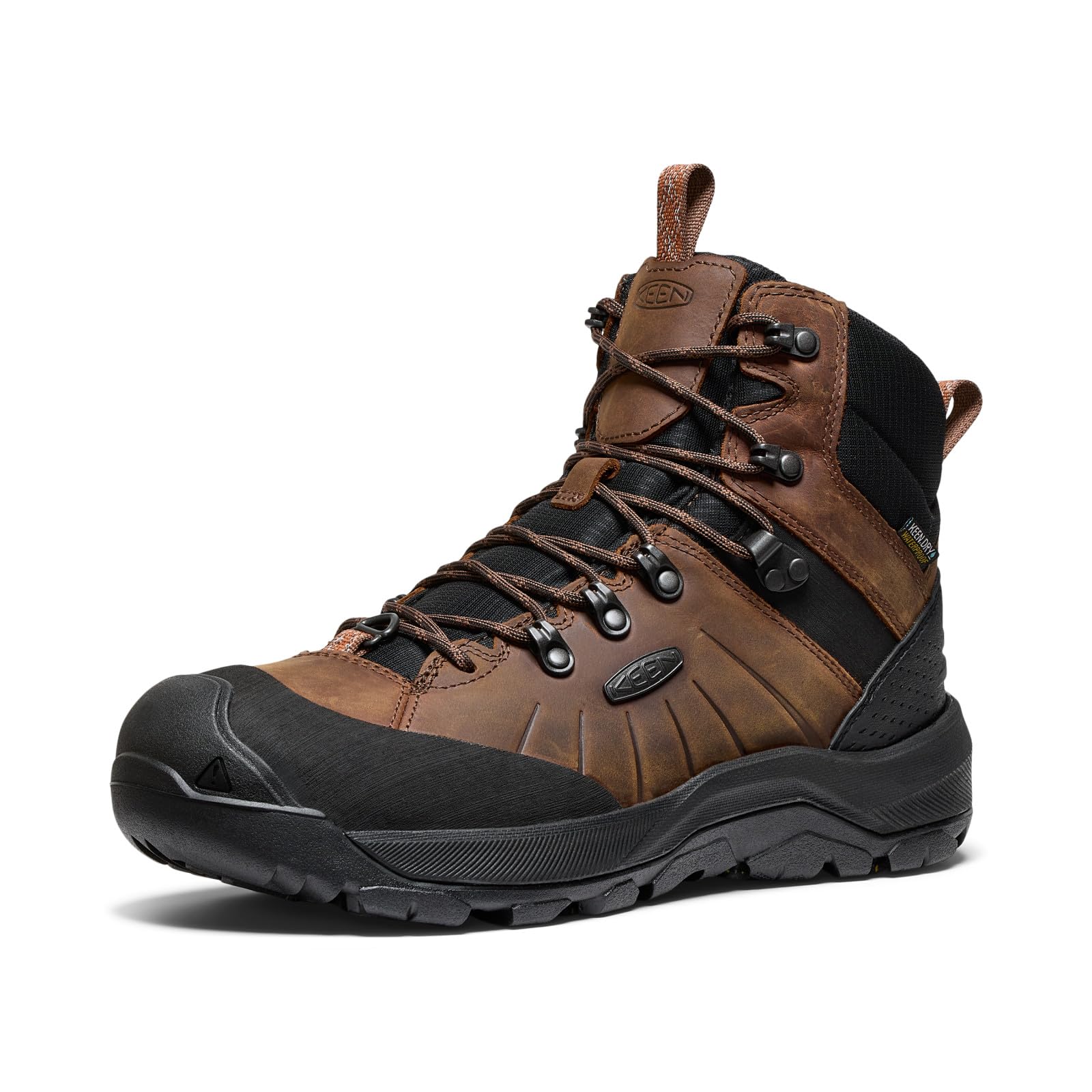

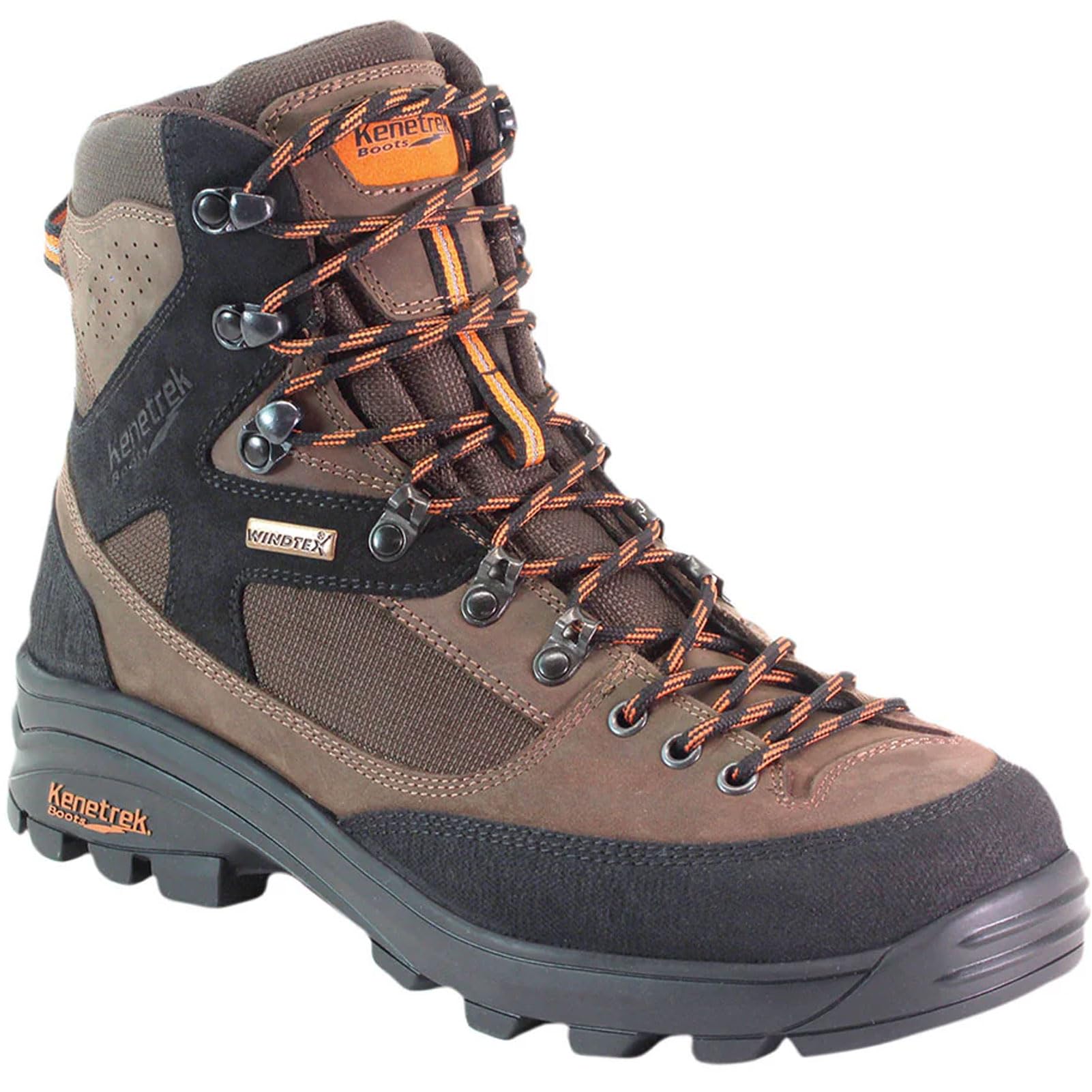
How to Choose the Best Boots for Iceland: The Conditions Checklist
Score every candidate boot against these six checks before you look at price or color.
Wind Driven Rain and Waterproofing
Horizontal rain is normal in Iceland, so a waterproof membrane matters more here than in most destinations. Look for a sealed membrane boot with a gusseted tongue and taped seams, because a coating alone sheds light drizzle but wets through on a soaked path, and choose a shaft that reaches above the ankle to keep puddle splash and waterfall mist out. For a deeper look at membrane ratings and seam sealing, see our guide to the best waterproof boots for iceland. Skip fashion boots with untreated suede, since one wet morning can leave them damp for days.
Fit, Sizing and Toe Box
Measure both feet late in the day, when they are at their largest, and shop with the wool socks you plan to travel in. You want a thumb width of space in front of your longest toe, because feet swell on long sightseeing days and toes bang the front on downhill gravel paths. A wide toe box suits most travelers better than a narrow fashion last. Most hiking lasts run true to size, but if you sit between sizes, choose the larger one and take up space with a thicker insole.
Breaking In a New Pair
Stiff leather boots need breaking in before the trip, never during it. Wear a new pair around the house for a few evenings, then on short walks, and build toward a full day over about two weeks. Blisters on day one of a holiday are hard to fix on the road, so treat any hot spot at home as a warning sign and adjust lacing or socks before you fly.
Outsole Traction and Terrain
Iceland mixes wet basalt, loose gravel, mossy rock and metal viewing platforms, and each one punishes a smooth sole. Choose lugs about 4 to 6 mm deep with wide spacing, since shallow tread clogs with mud and packed snow. A grippy rubber compound matters more than lug size alone on wet stone near waterfalls. No boot grips black ice, so pack slip on traction aids if your trip includes icy paths.
Cushioning and Arch Support
Sightseeing days in Iceland are long, with hours of standing at viewpoints between short walks. A cushioned midsole softens that load on paved paths, while a firm shank protects your sole on rough ground. Flat feet usually do better with a supportive insole and a stable heel counter, and high arches often need extra cushioning under the forefoot. If foot pain keeps returning after long days, talk with a doctor before the trip rather than hoping a new boot will fix it.
Durability and Expected Lifespan
A solid travel boot should handle about 300 to 500 miles of mixed walking before the midsole packs down and grip fades. Leather uppers with stitched soles tend to last longest and can often be resoled, while glued lightweight models trade lifespan for low weight. Check the rand, the rubber strip around the base, because Iceland gravel chews through exposed foam quickly.
Matching Boots to Your Iceland Itinerary
Ring Road Sightseers
Most visitors spend their days on short walks to waterfalls, black sand beaches and viewpoints, with long drives between stops. A mid height waterproof hiking boot covers all of it, and comfort while standing matters more than stiffness. For deep winter arrivals with long snow stops, the models in our guide to the best snow boots for iceland add insulation and taller shafts. In summer, a lighter boot plus warm socks usually beats a heavy insulated pair.
Glacier Tour Walkers
Guided glacier walks strap crampons over your boots, and tour companies set the rules. Most operators require stiff soled boots with a defined heel edge so the crampon binding seats properly, and some rent approved boots at the meeting point. Soft fashion boots and flexible trail shoes are turned away, so check the requirements on your booking before you pack. For cold glacier days, choose insulated boots with room for a heavy sock, since you stand still on ice while the guide talks; our guide to the best winter boots for iceland explains the insulation ratings that matter.
Highland Hikers
Highland routes add river crossings, rough lava fields and long distances far from the road. Here a supportive backpacking boot with a protective rand earns its weight, and a spare pair of socks in a dry bag is standard practice. If most of your trip is trail time rather than sightseeing, start with our guide to the best hiking boots for iceland and compare sole stiffness across models. Break these boots in fully before you leave the Ring Road area.
Quick Buyer Checklist
Run through these questions before you pay; every answer should be yes.
- Is the boot fully waterproof, with a membrane and a gusseted tongue?
- Do the lugs measure about 4 to 6 mm deep, with space for mud to clear?
- Is there a thumb width of room with your thickest travel socks on?
- Does the sole feel stiff enough for crampons if a glacier walk is booked?
- Can you walk a full day in them at home without hot spots?
- Does the shaft height match your plans, from puddles to snow stops?
- Is the price within about $80 to $320 for the class of boot you need?
Red Flags to Watch For
Skip any listing that shows these warning signs.
- Vague waterproof claims with no mention of a membrane or sealed seams, which usually means a light coating that fails in steady rain.
- Smooth fashion soles with no lug depth listed, since they skate on wet basalt and icy patches.
- Sizing advice that tells you to order a full size down, a sign the last runs oddly and returns will be a fight.
- No stated warranty or return window, which leaves you stuck if the sole splits mid trip.
- Prices far below the usual about $80 starting point for a claimed waterproof leather boot, which rarely matches the materials described.
Care and Maintenance on the Road
Rinse grit off the boots each evening, because volcanic sand grinds into seams and fabric fast. Stuff them with newspaper overnight and let them air dry away from radiators and hotel heaters, since direct heat cracks leather and weakens glue. A quick brush and a fresh coat of waterproofing spray before the trip restores shedding on older pairs.
Boots: Your Questions Answered
What features matter most in boots for Iceland?
Waterproofing and traction matter most, ahead of weight or insulation. Choose a membrane boot with lugs about 4 to 6 mm deep, then check shaft height against your plans. One point many buyers miss is stream crossings on highland routes: a taller shaft keeps shallow water out, while a low boot fills at the first crossing. Match the boot height to the wettest walk on your itinerary.
How should boots for Iceland fit?
Boots for Iceland should fit with a thumb width in front of your toes while you wear your travel socks. Try them on late in the day, then walk down an incline or a flight of stairs. If your toes press the front on the way down, go up half a size, because downhill toe bang is the most common cause of black toenails on long trips.
Can I wear boots for Iceland all day?
Yes, you can wear boots for Iceland all day once they are broken in and the socks match the weather. On long driving days, loosen the laces at rest stops to help circulation and let your feet cool down. Swapping to a fresh pair of socks at lunch keeps skin drier than any boot feature.
Are expensive boots for Iceland worth the money?
Expensive boots for Iceland are worth it when you will hike several days or return for more trips. Better leather, stitched soles and stronger membranes hold up across seasons, so the cost per day drops fast. For a single short trip with one glacier walk, a midrange pair or boots rented from the tour operator can make more sense than a premium purchase.
Do I need waterproof boots for Iceland in summer?
Yes, waterproof boots earn their place in Iceland even in summer. Rain showers arrive with little warning in any month, and the path behind Seljalandsfoss soaks footwear with spray on a calm day. A breathable membrane handles summer warmth fine as long as you pair it with lighter socks. Skipping waterproofing to save weight is the choice travelers regret most.
Final Thoughts
Start with the checklist, not the price tag: waterproofing, lug depth and a fit that leaves room for thick socks decide most of your comfort in Iceland. Use the product table above to compare the shortlisted styles against those three checks, then match the boot class to your itinerary. Chosen well, the best boots for iceland disappear under you, leaving the waterfalls and black beaches to hold your attention.