Best Boots for Deep Snow: Reviews and Buying Guide for 2026
Disclosure: We may earn a commission when you buy through links on this page, at no extra cost to you. As an Amazon Associate I earn from qualifying purchases. Learn more

Compare the best boots for deep snow by height, insulation, fit, traction, and lacing, with clear guidance on sizing, care, and cold weather use.
Deep snow changes what a boot has to do. Snow pushes over the top and soaks socks from above even when the lower boot stays dry, so height, insulation, and traction matter far more than on a cleared sidewalk. Choosing the best boots for deep snow starts with matching shaft height and warmth to the snow you actually face.
This guide covers the specs that keep feet warm in drifts, how to size for thick socks, and which styles suit work, walking, and play. Use the comparison table below to line up heights, insulation types, and closure styles.
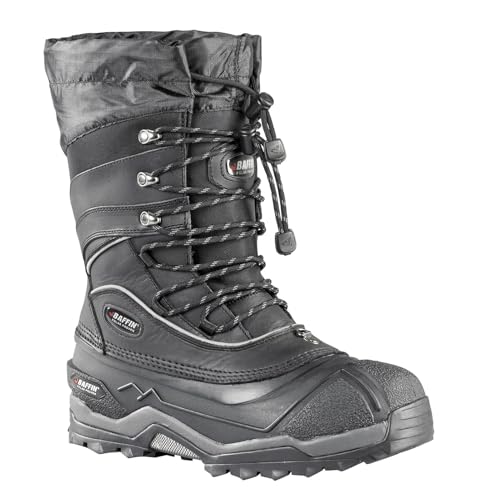
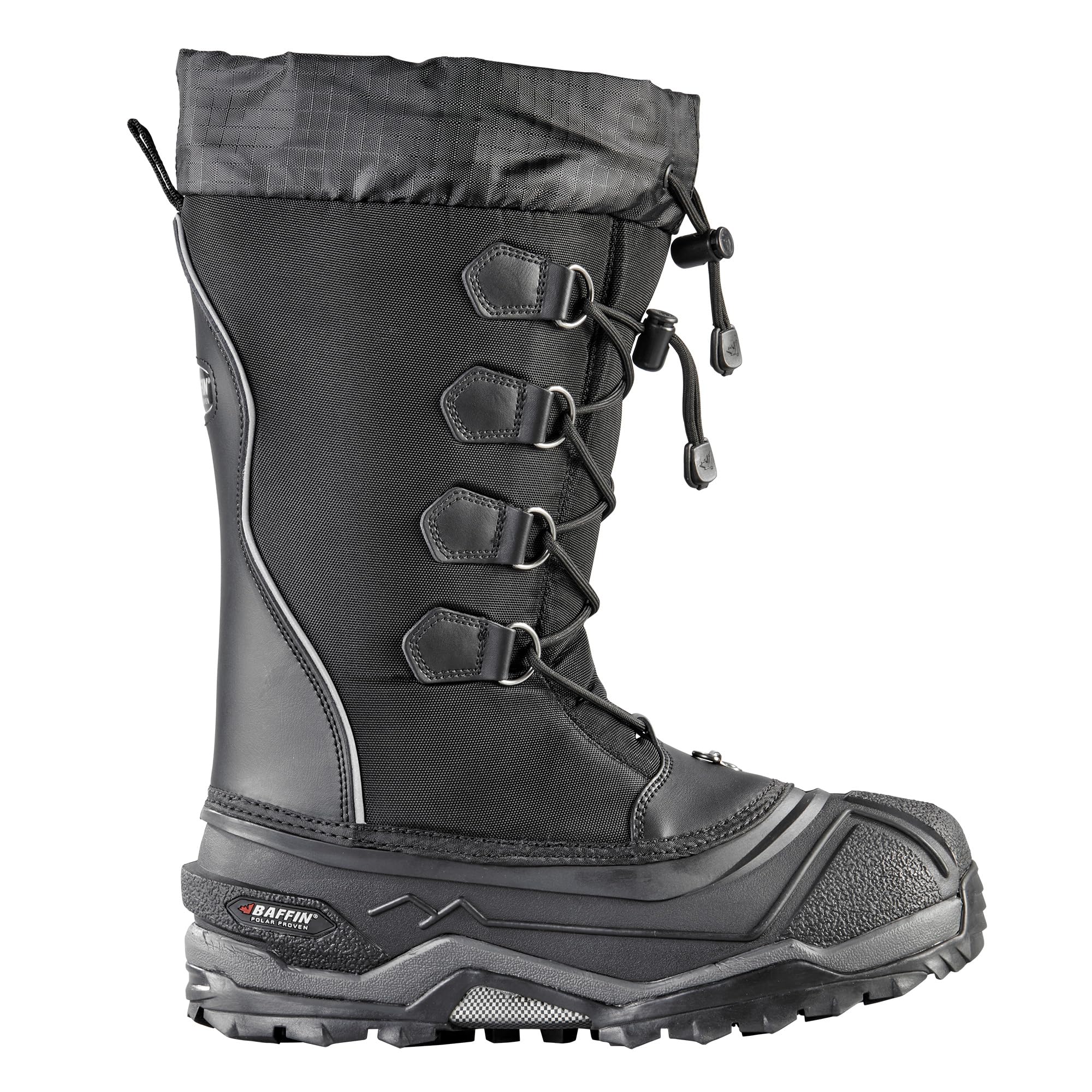

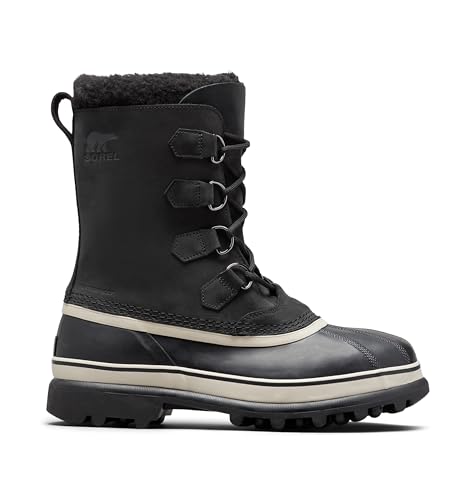

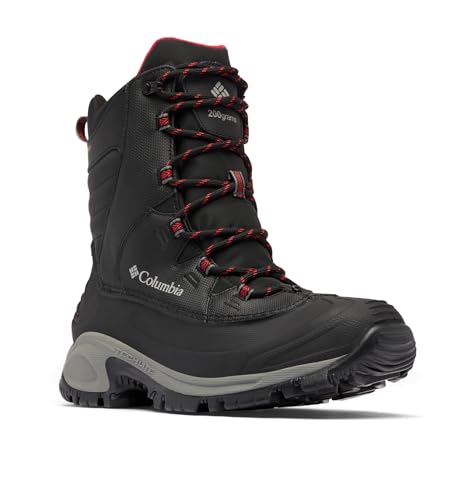

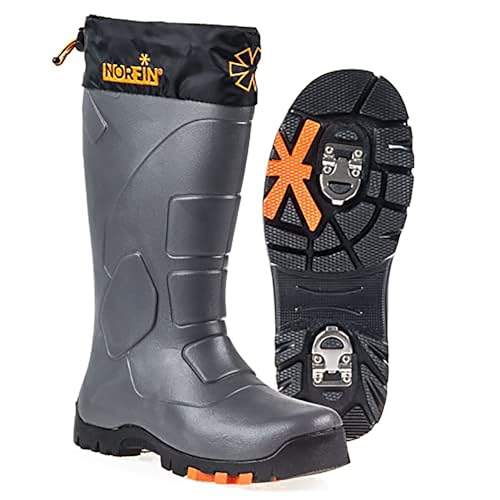


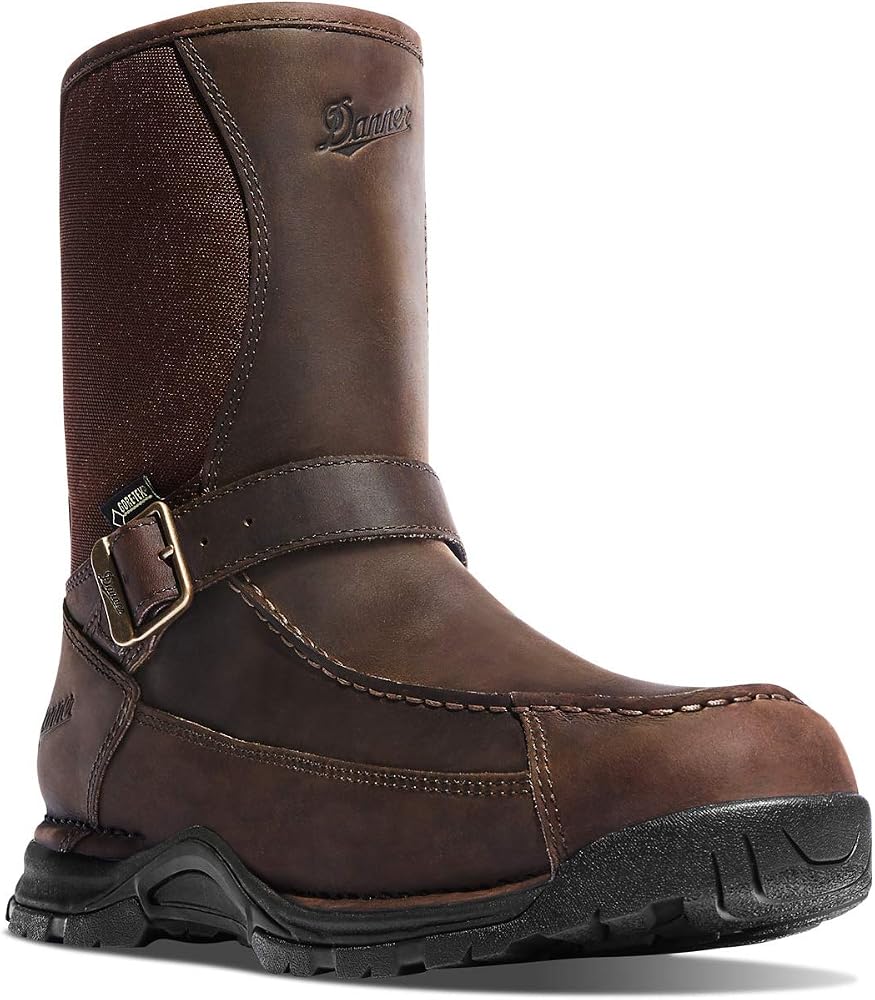
Start With Height, Warmth, and Keeping Snow Out
Before you compare prices, settle three questions. How deep is the snow you walk through most weeks, how cold does it get, and how long do you stay outside? Your answers point to the right shaft height, insulation, and closure style far more reliably than any temperature claim on a box.
Shaft Height and Snow Entry Points
Measure the snow you deal with, not the biggest storm of last year. Drifts around 8 to 12 inches call for a shaft well above the ankle, while snow past the calf needs a tall boot close to knee height. Snow enters at the top opening and through loose tongues, so look for a snug collar, a gusseted tongue attached at the sides, and laces that close the top firmly.
Insulation Types and Temperature Ratings
Boots stay warm through synthetic fill, fleece, wool blends, or thick removable liners, and makers often print a comfort rating such as minus 20 or minus 40 degrees. Treat those numbers as rough guides, because activity changes everything. A boot that feels warm while you shovel can feel cold when you stand still at a bus stop. If you run cold, choose the warmer option and leave room for a serious sock.
Closures, Collars, and Built In Gaiter Features
Laces give the most adjustable fit and hold the heel down on uneven ground, while simple pull on styles go on fast with gloves but can feel loose in drifts. A drawstring collar or fleece snow cuff seals the gap where snow pours in as you step into a drift. Whichever closure you pick, practice using it with your winter gloves, because frozen fingers and stiff hardware are a poor match.
How to Choose: A Practical Buying Guide
With height and warmth settled, the details below decide how a boot walks, grips, and holds up over a season. Shoppers often ask what separates the best boots for deep snow from an ordinary winter pair, and the answer sits in these details.
Traction and Outsole Design for Packed Snow and Ice
The outsole is your only contact with the ground, so study the tread before anything decorative. Deep, widely spaced lugs shed snow instead of packing it into a smooth slab, and softer rubber stays grippier on cold pavement than hard rubber does. Look for lugs pointing in several directions, since forward bite helps you climb a drift while angled edges help you stop on a slope.
Fit, Sizing, and Toe Box Room
Try boots late in the day, when feet are at their largest, and wear the thickest socks you plan to use. You want a thumb width of space in front of your longest toe, because toes that touch the front lose warmth and bruise on downhill steps. The toe box should let toes lie flat and spread a little, since cramped toes get cold fast. If you fall between whole sizes, the larger one with a warm insole usually serves better.
Cushioning, Stability, and Arch Support
Walking through drifts is slow, effortful work, and a thin, hard midsole tires feet quickly. Look for cushioning that feels firm rather than squishy, because soft foam lets the foot roll on uneven snow. A wider base, a supportive heel counter, and decent arch support keep ankles steady on hidden lumps. Heel to toe drop is usually modest, giving a flatter feel on slick ground.
Break In Period and Comfort From the First Wear
Most insulated boots feel stiff at first, especially styles with a rubber lower shell. Wear a new pair around the house and on short errands for several days, and let the liner mold to your foot. Small pressure spots usually ease, but sharp pain, numb toes, or blisters that return on every walk signal a fit problem that break in time will not solve. Exchange sizes early.
Weight and Flexibility in Deep Drifts
Every step out of deep snow lifts the boot plus whatever snow clings to it, so weight adds up fast over a mile. Lighter boots reduce leg fatigue over distance, while heavier styles with thick shells earn their weight for standing work and extreme cold. A sole that bends at the ball of the foot gives a natural stride on packed paths, but very soft uppers can collapse in drifts.
Upper Materials and Breathability
Uppers usually combine a waterproof rubber or molded lower section with leather, suede, or heavy nylon above. Full rubber lowers shrug off slush, while leather and nylon uppers flex more easily and weigh less. Breathable membranes block outside water while letting some sweat vapor escape, which matters when feet perspire inside warm insulation. Dry liners and insoles after long outings, because no membrane keeps feet dry through hours of work in wet snow.
Types of Boots Built for Deep Snow
Deep snow boots fall into a few broad families, and knowing which one fits your routine saves you from buying expedition level warmth for trips to the mailbox. Readers can also see our guide to the best winter boots for deep snow, which approaches the same conditions from a winter first angle.
Tall Pac Boots With Removable Liners
Pac boots pair a rubber lower shell with a tall upper and a thick felt or foam liner you can pull out to dry. They are the classic choice for very cold places and slow moving outdoor work, because little else matches their warmth at a moderate price. The tradeoff is weight and a roomy, less precise fit. Choose them when warmth and easy drying matter more than nimble footing.
Insulated Winter Hiking Boots
These look like sturdy hiking boots with added insulation and a taller, sealed upper. They lace snugly, support the ankle, and walk far better than pac boots on packed trails. Their insulation is usually thinner, so they suit active walkers who generate body heat and face cold that is biting rather than extreme. For miles of trails, this family often gives the best balance of grip, fit, and warmth.
Extreme Cold Boots for Long Hours Outside
Built for ice fishing, snowmobiling, and work shifts in severe cold, these boots use the thickest liners and tall shafts. They are bulky, and feet can overheat indoors or during hard exertion. Buy this level only if you stand around in serious cold for long stretches. For general snow, a mid tier insulated boot plus the right socks in the product table above will usually feel better.
Picking the Right Boots for Different Uses
Best Women's Boots for Deep Snow
The phrase best women's boots for deep snow should mean more than a smaller size range. Women often need a narrower heel, a lower calf fit, and a shaft shaped for a shorter leg, so look for lasts built for women rather than scaled down versions of a wide boot. Toe warmth also matters, so check liner thickness and toe room first. Walk on a slope if you can, since heel lift shows up quickly on inclines.
Boots for Outdoor Work Shifts
If you clear lots, feed animals, or work a yard in winter, durability and standing warmth top the list. Choose a rubber lower shell that resists salt and slush, insulation suited to inactivity, and a tall shaft. Some jobs require a safety toe, and composite toes feel less cold than steel. Shoppers fitting a longer or wider foot can also see our guide to the best snow boots for man for fit notes aimed at that shape.
Boots for Everyday Walking and Errands
For school runs, dog walks, and trips across town, you may not need expedition warmth. A mid height insulated boot with a grippy outsole handles plowed streets, slush, and unshoveled stretches. If your winters are mostly shallow snow and cleared paths, see our guide to the best snow boots for a broader look at everyday options. Save the tallest pairs for real drifts, because damp socks turn cold later.
Care and Habits That Make Boots Last Longer
Deep snow boots take a beating from road salt, moisture, and indoor heat. A few steady habits protect insulation and uppers so the pair you chose from the product table above stays warm for many winters.
- Pull liners and insoles out after wet outings and air dry at room temperature, away from direct heat that can crack rubber and warp liners.
- Brush off salt lines promptly with a damp cloth, since dried salt stiffens leather over time.
- Store boots upright and loosely stuffed with newspaper so tall shafts do not fold and crease at the ankle.
- Recheck closures and drawstring locks each season, and replace worn laces before they snap on a cold morning.
- Keep spare socks in your bag or car, because swapping damp socks restores warmth faster than any boot feature can.
Back home, dry your own boots the same day, because damp insulation starts the next outing already cold.
Frequently Asked Questions
What features matter most in boots for deep snow?
Shaft height, a sealed top, and insulation suited to standing still matter most in boots for deep snow. One detail many shoppers miss is the liner: a removable liner dries overnight, while a fixed lining can stay damp for days in a cold mudroom, quietly stealing warmth from every wear that follows.
How long is the break in period for boots for deep snow?
Most boots for deep snow settle in after three to five short wears across a week. Rubber shell styles soften very little, so judge their fit on day one and trust only the liner to mold slightly. If heel slip remains after the liner compresses, a thicker insole or a different size beats tighter lacing.
How should boots for deep snow fit with thick winter socks?
Boots for deep snow should fit snugly at the heel and midfoot, with clear space ahead of the toes in your winter socks. Stand and press your foot forward: toes should not jam the front. Tight boots restrict circulation, which makes feet colder, not warmer. When torn between sizes, most walkers do better in the roomier pair.
Can boots for deep snow be worn all day?
Yes, boots for deep snow can be worn all day if the fit is right and the insulation matches your activity. The main risk indoors is overheating, since sweat dampens liners and socks. If your day mixes outdoor work with indoor stretches, loosen laces inside or swap socks at midday. Add a quality insole if the stock footbed feels flat after a few hours.
Are expensive boots for deep snow worth the extra cost?
Boots for deep snow at higher prices can be worth it when the cost buys a removable liner, rubber that stays flexible in severe cold, and a fit system that truly holds your heel. Casual users facing a few storms a year may get equal comfort from a mid priced pair chosen carefully. Compare cost against seasons of use, since a durable boot spreads its price across years.
How often should boots for deep snow be replaced?
Replace boots for deep snow when the lugs wear smooth, the liner packs down and no longer lofts, or the upper cracks. A quick test is to stand in shallow slush: if your socks come away damp through the lower boot, the waterproof layer has failed. Replacing only the liner, when spares are sold, can add seasons to a sound shell.
Final Thoughts
Height, warmth, and fit do the heavy lifting in deep snow. Pick a shaft that clears your usual drifts, insulation that matches how active you are, and a toe box with room for real winter socks, then check traction against the product table above. Get those basics right and the best boots for deep snow for your winters will keep feet warm, dry, and steady.